
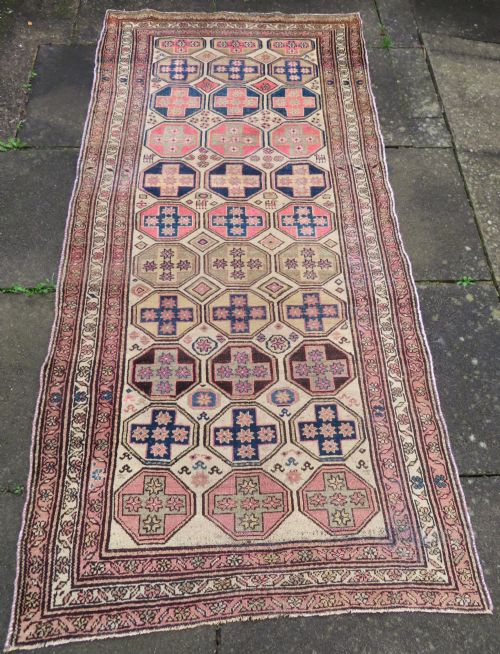
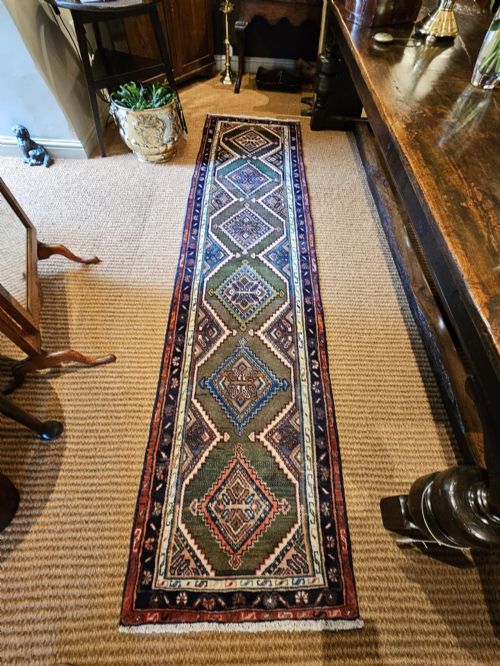



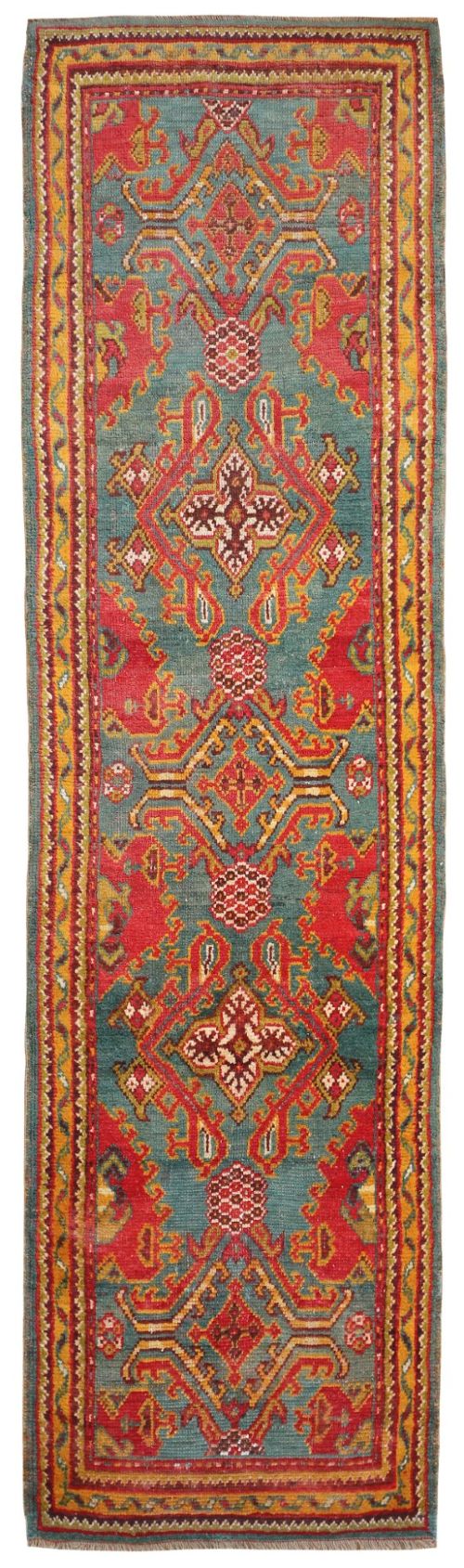

Oriental Hallway Carpet
An oriental hallway carpet brings rich pattern and deep colour to narrow spaces, offering durable wool construction designed for heavy foot traffic.
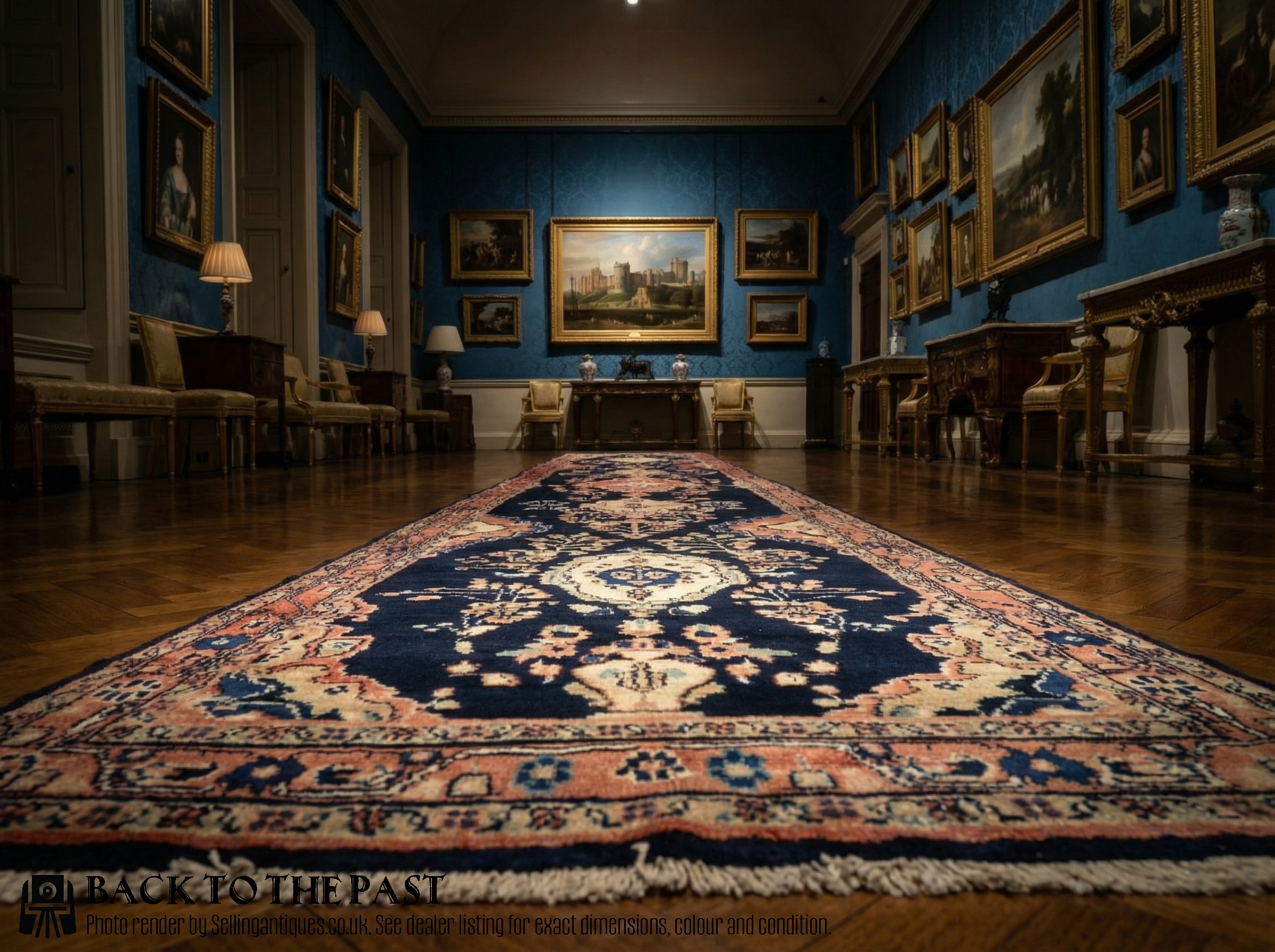
Oriental Hallway Carpet
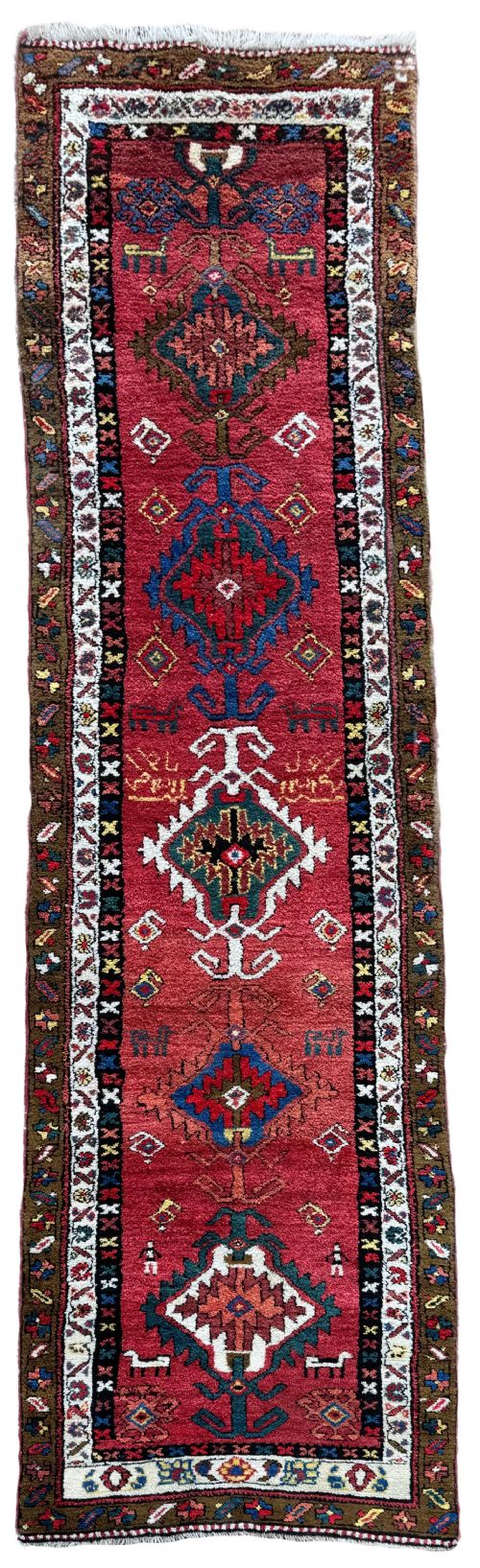
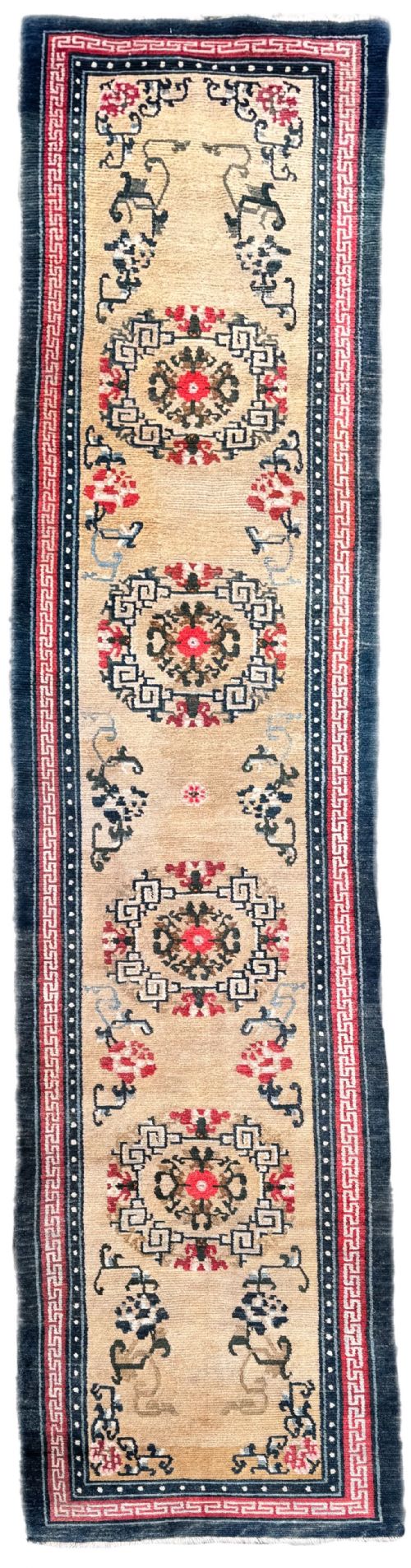
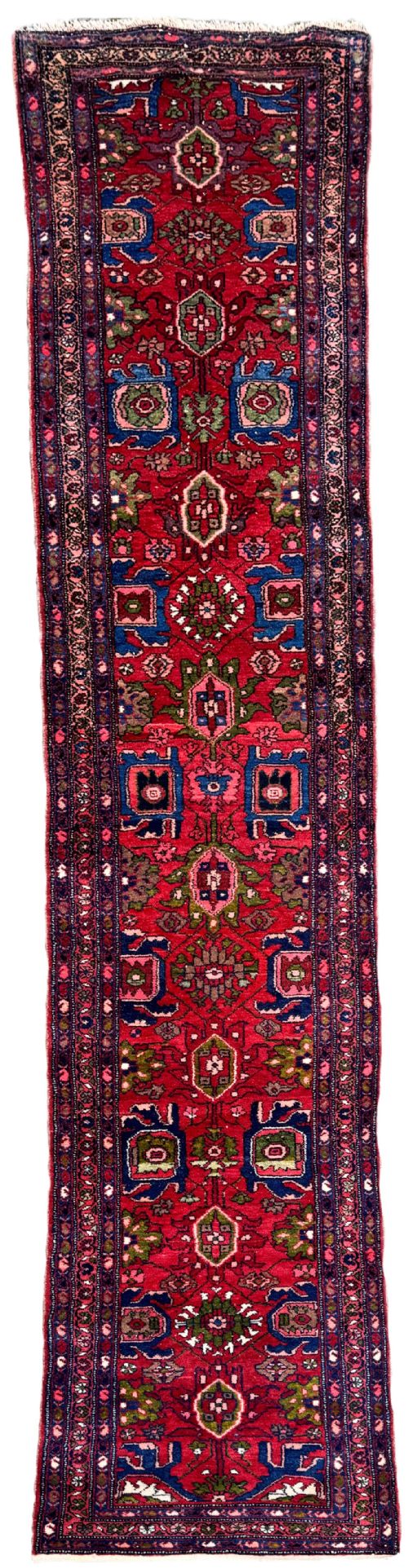
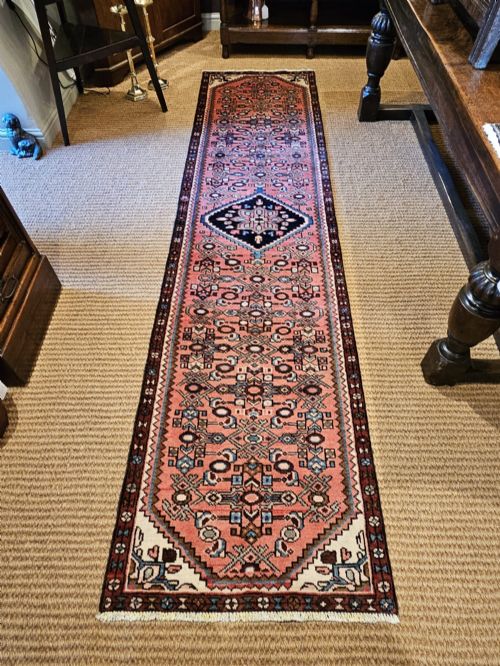
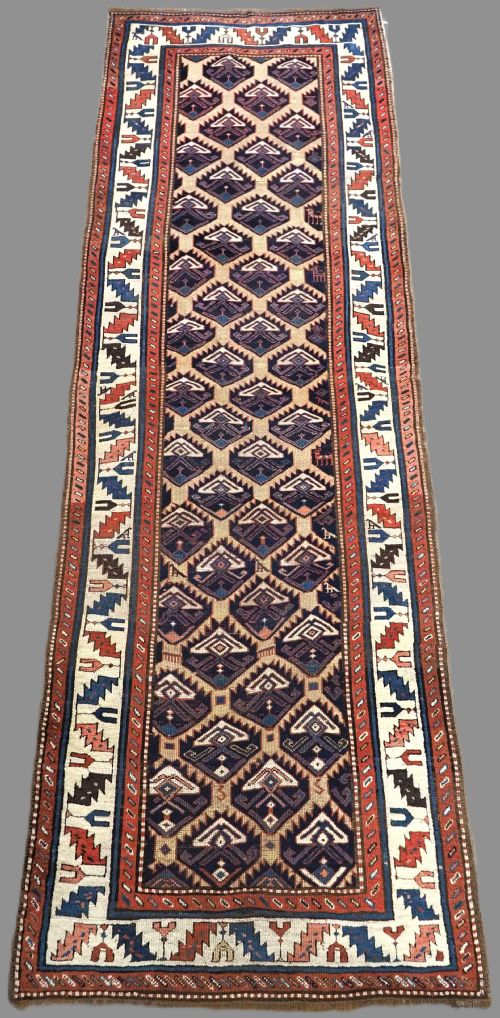
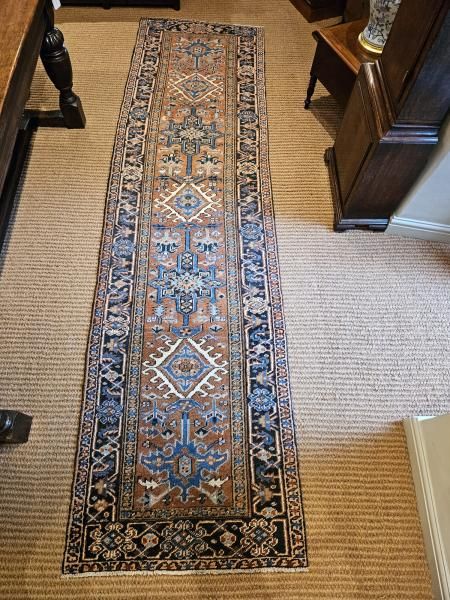
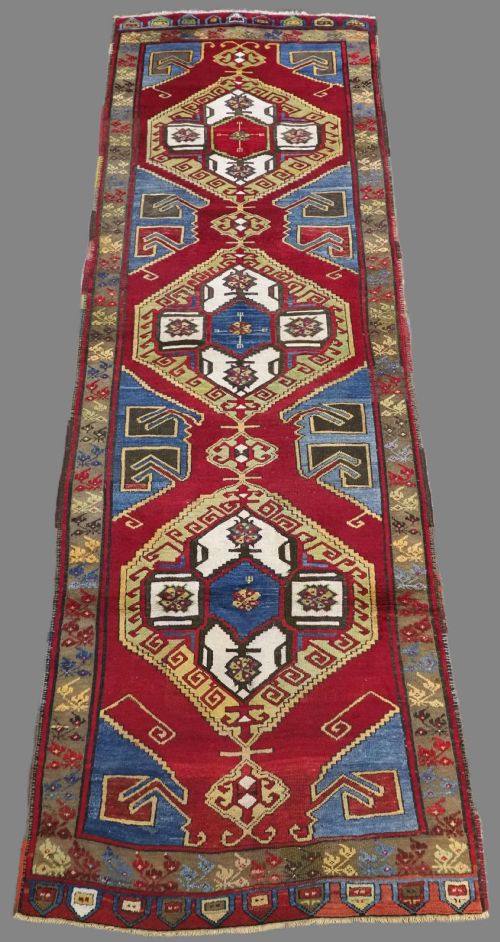
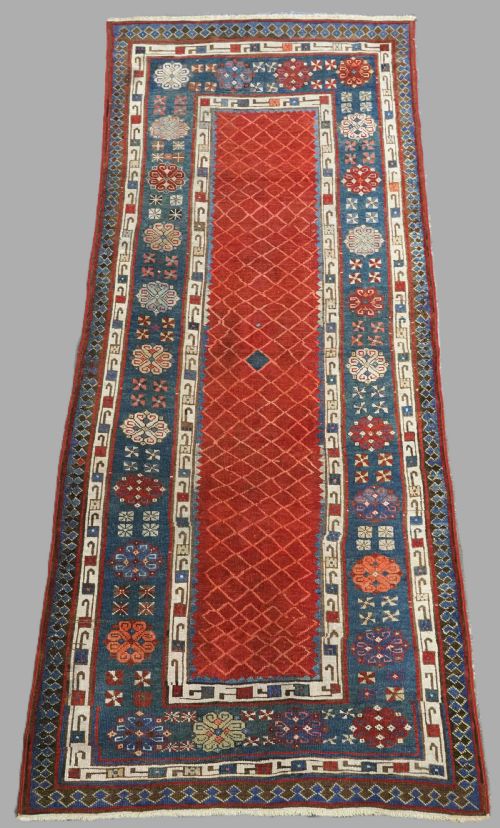
An oriental hallway carpet encompasses traditional runner rugs and long floor coverings originating from Persian and Anatolian weaving traditions. These elongated formats suit corridors and narrow spaces, balancing decorative impact with practical dimensions.
The pieces available here date across the late nineteenth and early twentieth centuries, spanning periods from the eighteen-seventies through to nineteen-thirty. Buyers most frequently encounter specific regional forms such as Heriz, Ushak, Sarouk, and Konya Karapinar long rugs.
Makers and weavers across Persia and Turkey produced these narrow runners using established tribal and traditional styles. Each piece reflects the specific weaving grammar of its origin, whether Anatolian tribal or traditional Persian.
Materials and Construction
These carpets rely entirely upon natural textile components, utilising wool for the pile and cotton for the structural foundation. Hand-making techniques ensure each runner possesses a dense textile structure capable of withstanding decades of domestic use.
Weavers knotted wool yarn by hand onto cotton warp and weft threads, creating durable pile surfaces that hold traditional vegetable and aniline dyes. The resulting textiles combine flexibility with structural integrity along extended narrow formats.
Oriental Hallway Carpet Retail Price Guide 2026
Typical asking prices for oriental hallway carpet among the pieces listed under this phrase on Sellingantiques today, from the lower quarter to the upper quarter. They describe what is for sale here now, not the wider market.
Some nineteenth-century runners record the journey of a weaver's village through subtle shifts in dye batches along the length.
Assessing Quality and Merit
Quality rests in the precision of the weave and the depth of the palette, where finer knot density allows for sharper geometric or floral articulation. The choice of wool impacts how the pile wears over time and how richly the colours age.
Artistic merit distinguishes standard regional production from exceptional antique examples, seen in the harmony of natural dyes and the confidence of the drawing. Age and regional attribution further define the character of each runner.
The Oriental Hallway Carpet Glossary
- Runner
- A long, narrow carpet format specifically proportioned for hallways, corridors, and stairs. These pieces measure significantly longer than they are wide.
- Pile
- The vertical or upright loop of yarn that forms the soft upper surface of the carpet. This layer absorbs foot traffic and displays the woven pattern.
- Warp
- The strong parallel threads stretched lengthwise on the loom before weaving begins. The pile knots are tied around these foundational elements.
- Weft
- The horizontal threads passed alternately over and under the warp threads to secure the knots in place. This grid gives the carpet its structural stability.
- Anatolian
- Pertaining to the geographic region of Asia Minor, now modern Turkey, known for distinctive tribal and traditional weaving styles. Pieces from this area often feature bold geometric motifs.
Oriental Hallway Carpet: Frequently Asked Questions
Where should an oriental hallway carpet be placed?
These elongated rugs find their natural home in corridors, hallways, and entryways where narrow floor spaces require both comfort and visual warmth.
Their proportions also suit narrow landings and the sides of large bedroom spaces, protecting high-traffic wooden floors.
How do I care for an antique wool runner?
Regular gentle vacuuming without a rotating brush roll prevents dust accumulation within the wool pile. Professional cleaning suited to antique textiles preserves the natural lanolin in the wool.
Keeping the carpet out of direct, intense sunlight prevents fading in natural and traditional dyes.
What is the difference between Persian and Anatolian runners?
Persian runners frequently incorporate flowing floral motifs, medallion layouts, and intricate botanical details originating from workshops and villages across Iran. Regional examples include Heriz and Sarouk weaves.
Anatolian pieces, hailing from Turkey, often display bolder geometric patterns, tribal symbols, and distinctive village colour palettes found in Ushak and Konya carpets.
How do I determine the age of a carpet?
Dating relies upon examining the wool quality, dye composition, structural materials, and stylistic design markers characteristic of specific decades. Nineteenth-century examples often display subtle irregularities in hand-spun wool and natural dye variations.
Twentieth-century pieces tend toward standardised sizing and slightly different chemical dye interactions, though traditional hand-making methods persist.