


Vintage Floor Covering
A vintage floor covering brings texture and history to a room through traditional Persian and Caucasian weaving traditions.
Vintage Floor Covering
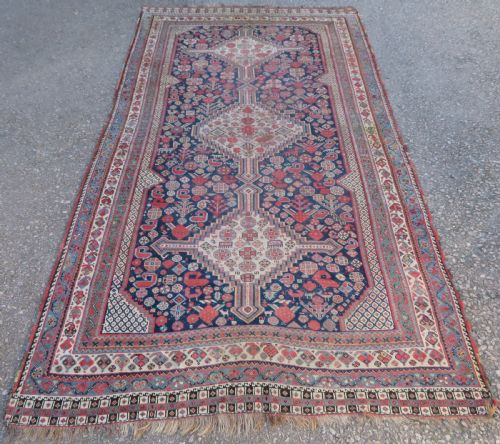
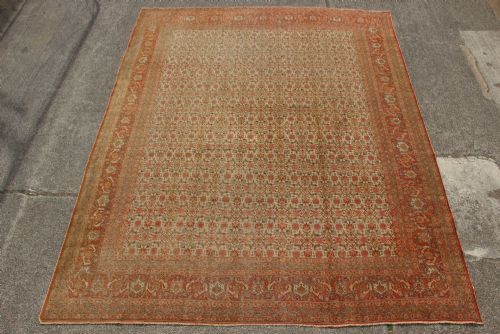
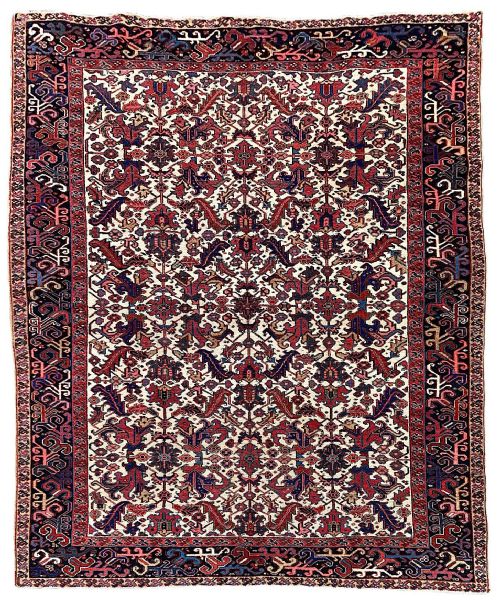
A vintage floor covering typically takes the form of a room-sized carpet, a tribal rug, or a smaller bag face cushion. The pieces encountered here span from the mid-nineteenth century through the early twentieth century, originating primarily from Persian workshops and regional weaving centres.
Most items on this page are hand-knotted wool carpets from locations such as Tabriz, Heriz, Ushak, and Isfahan. Buyers also find occasional examples of Chinese carpets, Aubusson weaves, and decorative home furnishings sharing the same period aesthetic.
Distinctions in quality
Quality rests upon the fineness of the knot count, the integrity of the foundation, and the balance of the overall design. Master workshops such as those associated with specific named weavers achieve greater precision in drawing and colour saturation.
Condition and pile retention dictate the standing of a piece within its type. Even when a rug shows age and wear, disciplined execution in the original weaving marks the higher tier of the range.
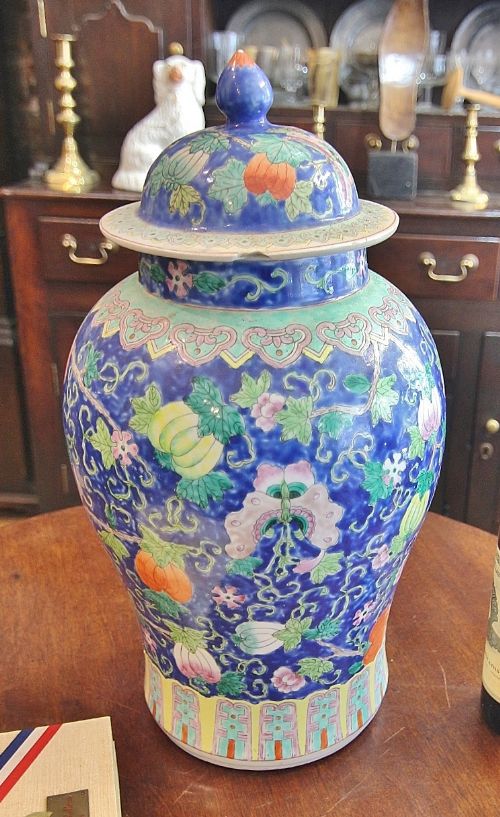
Listings span periods from 1850 to the 1940s, featuring wool, cotton, silk, and porcelain materials.
Benlian·Haroon Kashan·Mokhtashem Keshan
The Vintage Floor Covering Glossary
- Tribal rug
- A piece woven by nomadic or village communities rather than urban workshops. These items often feature geometric motifs and bold, direct use of colour.
- Pile
- The upright yarn loops that form the usable surface of a carpet. The density and length of this wool layer define the tactile feel underfoot.
- Foundation
- The underlying grid of warp and weft threads that supports the knotted wool pile. Its tightness determines the structural stability of the rug.
- Bag face
- The decorative front panel of a nomadic storage sack repurposed as a small furnishing. These panels display concentrated tribal designs in miniature.
Vintage Floor Covering: Frequently Asked Questions
How do I choose the right size?
Measure your floor space carefully to ensure the carpet anchors the room without overwhelming the surrounding furniture.
Larger carpets suit open reception rooms, while smaller tribal rugs fit neatly into corridors or beneath seating groups.
Are these carpets suitable for heavy traffic?
Hand-knotted wool rugs are naturally resilient and designed to withstand regular walking when placed correctly over a secure underlay.
Heavily worn or silk examples benefit from more sheltered placement to preserve their delicate pile and structure.
How do I identify a regional style?
Study the geometry and floral motifs, as regions like Heriz, Tabriz, and Ushak each maintain distinct design vocabularies.
Palace carpets often feature elaborate curvilinear patterns, whereas tribal pieces lean towards bold, angular motifs.
How should I care for a vintage rug?
Vacuum gently using suction only without a rotating brush roll to protect the aged wool pile from unnecessary friction.
Professional cleaning tailored for antique textiles ensures accumulated dust is removed safely without damaging the foundation.