




Traditional Chinese Carpet
A traditional chinese carpet brings grounded warmth to a room, offering tactile wool and silk textures shaped by over a century of weaving heritage.
Traditional Chinese Carpet
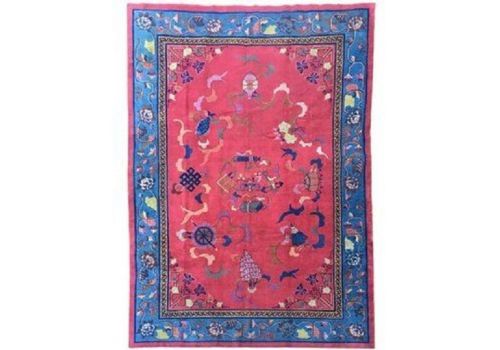
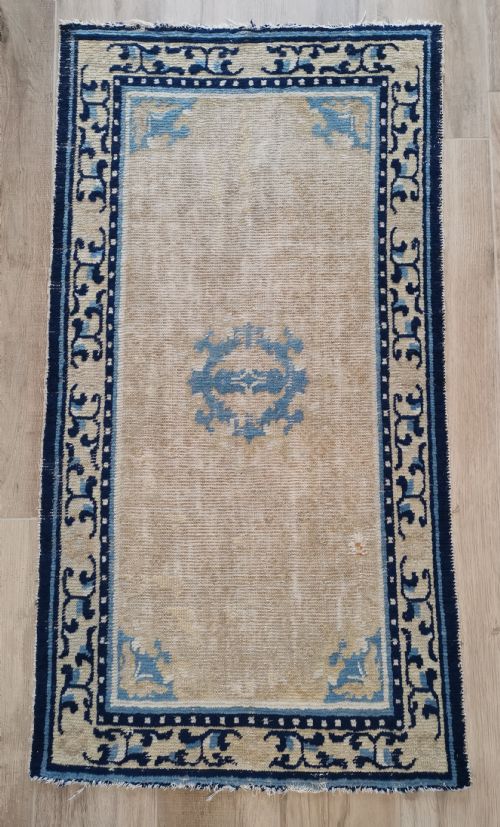
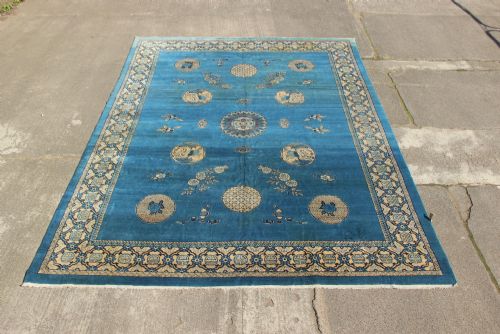
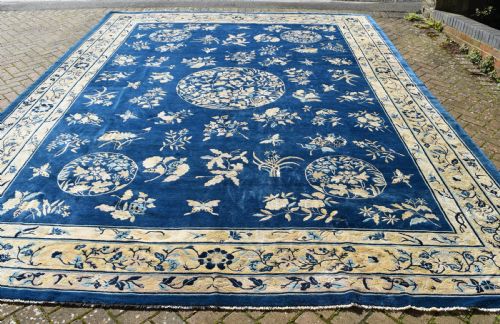
When you search for a traditional chinese carpet, you encounter floor coverings originating from distinct periods including the nineteenth century and the early twentieth century. The selections available on this page include roomsize carpets, smaller area rugs, and square seating mats.
The regional types span Ningxia rugs, Pao Tao carpets, and Peking roomsize carpets. These pieces bridge traditional Qing Dynasty aesthetics and later Chinese Art Deco designs.
Most examples date from the nineteen hundreds up to the nineteen thirties. They vary from small mats under a metre to expansive carpets exceeding four metres in length.
How they were made
Weavers constructed these textiles using natural materials recorded in the evidence as wool, silk, and cotton. Wool provides a resilient pile suitable for floor use, whilst silk allows for finer, lustrous detail.
The structural foundation relies on cotton for warp and weft threads, supporting the knotted pile. These materials reflect traditional workshops operating across historical Chinese weaving centres.
Some nineteenth century weavers created modest square seating mats, proving that even Qing emperors appreciated a soft spot to sit.
What varies in quality
The distinction between a standard floor covering and a superior textile rests upon the fineness of the weave and the integrity of the materials. Silk components and denser knotting elevate the overall refinement of a carpet.
Design execution and stylistic coherence also separate individual pieces, whether adhering to classical Qing Dynasty motifs or geometric Art Deco compositions. The preservation of the original pile and edges dictates the physical standing of each rug.
The Traditional Chinese Carpet Glossary
- Ningxia rug
- A textile originating from the Ningxia region, known for traditional carpet production in China. These rugs often feature classical iconography and subdued palettes.
- Pao Tao carpet
- A floor covering from the Baotou region, characterised by distinct regional styling. They share the heavier wool construction typical of northern Chinese weaving.
- Peking carpet
- A roomsize carpet produced around Beijing, often associated with early twentieth century production. These pieces frequently incorporate transitional Art Deco elements.
- Qing Dynasty
- The final imperial dynasty of China, spanning from sixteen forty-four to nineteen twelve. Its visual arts heavily influence the earlier carpets on this page.
- Art Deco
- A design style emerging in the early twentieth century, characterised by stylised motifs and geometric symmetry. Chinese weavers adopted these modern aesthetics in the nineteen twenties and thirties.
Traditional Chinese Carpet: Frequently Asked Questions
Where should I place a traditional chinese carpet?
These carpets suit low-traffic areas or spaces where their historical textile structure remains protected from heavy wear. Smaller Ningxia mats work well in intimate settings, whilst large Peking roomsize carpets anchor principal reception spaces.
Ensure you use a suitable underlay to prevent slipping and to cushion the historic cotton foundation against hard flooring.
How do I clean a silk or wool rug?
Professional specialist cleaning is essential for antique textiles containing natural wool, silk, and cotton materials. Domestic washing methods risk damaging the historical pile and bleeding the natural dyes.
Regular gentle surface brushing helps remove loose dust without stressing the foundational knots.
How do I date a Chinese carpet?
Dating relies on stylistic indicators, structural materials, and documented weaving traditions associated with periods like the Qing Dynasty or the nineteen twenties. Art Deco geometric patterns point towards the early twentieth century.
Examining the wear patterns and edge finishes provides additional context regarding the age of the textile.
What is the difference between a rug and a roomsize carpet?
The distinction lies entirely in scale and intended spatial function within an interior. Smaller pieces such as seating mats measure around one metre, whereas roomsize carpets extend past three or four metres.
Larger formats require substantial floor space to display the full field design without obstruction.