


Square Area Rug
A square area rug anchors a room with balanced symmetry, offering distinct tribal and classical weaving traditions from the nineteenth and early twentieth centuries.
Square Area Rug
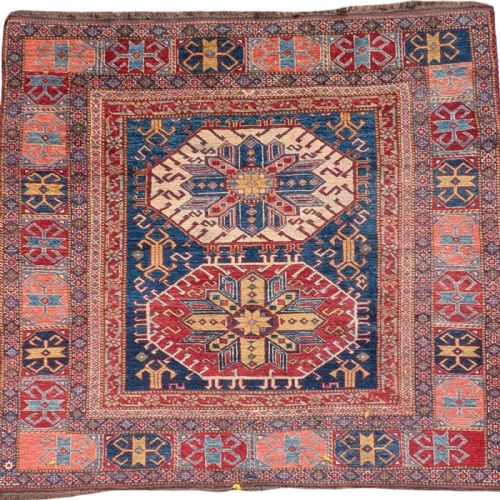
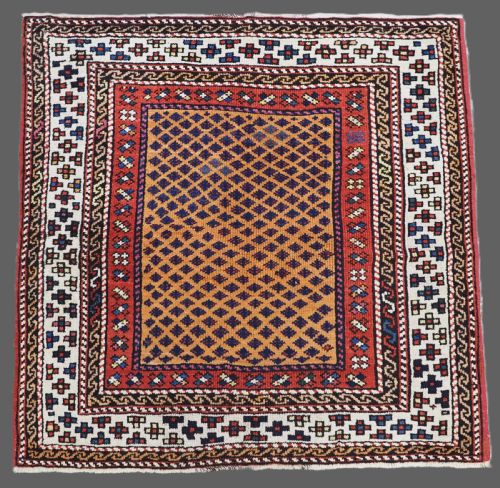
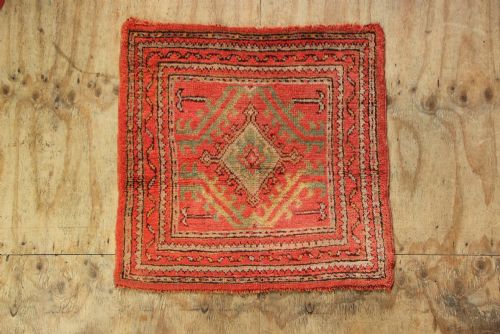
A square area rug provides an equal-sided format designed to centre furniture groupings or fit specific room proportions. When exploring a square area rug, buyers encounter diverse regional traditions ranging from Persian city workshops to Caucasian and Anatolian tribal compositions.
The selections span distinct periods including the nineteenth century alongside the nineteen-tens and nineteen-twenties. Common forms include roomsize carpets, seating mats, and prayer formats woven in balanced dimensions.
Origin points reflect widespread weaving centres such as Persia, Turkey, China, and France. Each piece demonstrates how traditional weavers adapted their standard looms and motifs to create balanced, equal-sided formats.
Materials and Construction
Construction relies upon natural wool and cotton fibres utilised for pile, warp, and weft threads. Weavers knotted or tufted these materials onto foundational cotton foundations to ensure structural integrity across the equal-sided format.
Dyes derived from natural sources provide the foundational palette observed across these textiles. The interplay of wool pile against cotton foundations creates the tactile depth characteristic of these period floor coverings.
Several examples prove that historical weavers enjoyed an occasional geometry challenge, successfully turning traditional rectangular designs into neat symmetrical squares.
Assessing Quality and Execution
Knot density and structural tightness dictate the refinement of the weave. Higher quality examples display precise geometric or floral articulation, whereas simpler pieces show broader tribal interpretations.
Material selection and dye consistency separate standard productions from finer workshop pieces. The handling of wool pile influences both the longevity and the tactile crispness of the design.
The Square Area Rug Glossary
- Pile
- The upright yarn loops that form the usable surface of the carpet. This layer is sheared to a uniform height during production.
- Warp
- The vertical foundation threads stretched tightly on the loom before knotting begins. These threads often emerge as visible fringes at either end.
- Weft
- The horizontal threads passed alternately over and under warp threads to secure the knots in place. Proper beat-down of the weft creates a firm structure.
- Prayer rug
- A small format textile featuring a mihrab or niche design historically used for daily devotion. These pieces often employ compact dimensions suitable for individual placement.
- Nomadic
- Describing pieces woven by tribal groups moving seasonally rather than in fixed urban workshops. These designs typically exhibit bold geometric memory patterns.
Square Area Rug: Frequently Asked Questions
Where should I place a square area rug?
A square format suits rooms with symmetrical proportions, such as square parlours, under round dining tables, or beneath central seating groups.
The equal dimensions help balance furniture layouts without extending too far toward the perimeter walls.
How do I identify a tribal rug?
Tribal pieces generally feature geometric motifs, bold primary colours, and designs passed down through generations of weavers rather than drawn by professional artists.
These rugs often display slight irregularities in line and proportion that reflect individual hand-knotting.
Are these rugs suitable for daily use?
Period wool carpets withstand normal residential foot traffic when protected with a quality underlay to prevent slipping and friction.
Regular gentle vacuuming without a rotating brush roll helps maintain the wool pile over time.
What defines nineteenth century weaving?
Nineteenth-century examples utilise hand-spun wool and natural dye materials that produce rich, saturated colour palettes which age gracefully.
The construction methods reflect traditional regional techniques practiced before the introduction of synthetic aniline dyes.