
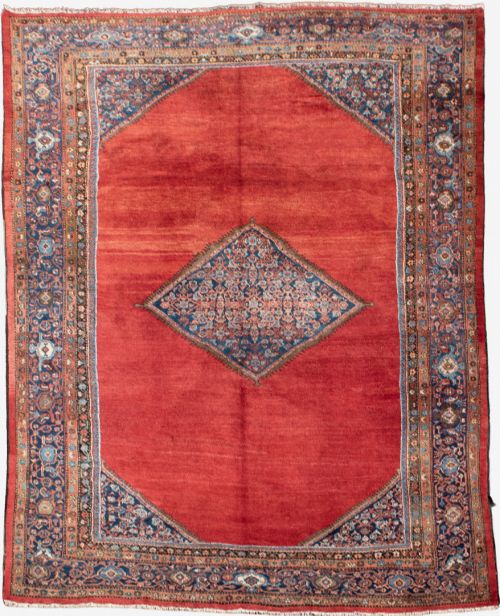


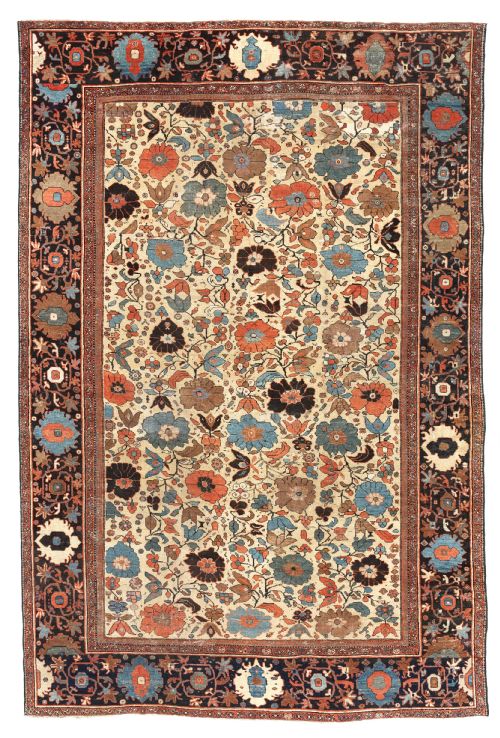
Antique Ferahan Carpet
An antique ferahan carpet brings enduring Persian artistry into a room, offering rich historical depth and traditional patterns for interior spaces.
Antique Ferahan Carpet
An antique ferahan carpet represents a distinct tradition of Persian weaving, prized for dense foundations and classic roomsize formats. When exploring this selection, buyers encounter traditional Persian pieces spanning various proportions from narrow runners to large square carpets.
The objects listed range from compact rugs to massive carpets exceeding six metres in length. Many examples display regional Persian Ferahan styling, occasionally overlapping with Sarouk attributions.
Dating primarily from the late nineteenth and early twentieth centuries, these woven floor coverings reflect established workshops and traditional design idioms. Buyers regularly find formats tailored for hallways, small rooms and expansive reception spaces.
How they were made
Makers utilised natural wool for the pile and cotton for the foundational warp and weft threads. This combination provided structural stability while allowing intricate patterns to hold their definition across centuries of use.
Weavers tied dense knots onto the cotton foundation, creating durable surfaces capable of withstanding heavy foot traffic in domestic settings. The structural integrity depends upon precise tension within the woven cotton backing.
The recorded pieces date from eighteen-seventy through to nineteen-twenty, utilising traditional wool and cotton materials throughout.
What varies in quality
The fineness of the weave and the precision of the knotting determine the clarity of the traditional Persian design. Tighter structures allow complex motifs to remain sharp and well-defined.
Proportion and scale also separate standard roomsize pieces from exceptional monumental formats. The consistency of the wool pile across large expanses dictates the overall integrity of the textile.
The Antique Ferahan Carpet Glossary
- Ferahan
- A traditional Persian weaving style originating from the Markazi region. These textiles are known for durable construction and classical roomsize formats.
- Kelleh
- A long, narrow rectangular carpet format traditionally used alongside larger centre carpets in Persian interiors. This shape suits specific hallway and gallery layouts.
- Warp
- The vertical cotton threads stretched across the loom that form the structural foundation of the carpet. Every knot ties directly around these foundational cords.
- Weft
- The horizontal threads passed between the warp rows to secure the knots in place. Proper tension here ensures the textile retains its rectangular geometry.
Antique Ferahan Carpet: Frequently Asked Questions
Where should I place a ferahan runner?
Narrow runners suit high-traffic hallways and corridors where length matters more than width.
Ensure an appropriate underlay is used to protect the cotton foundation on hard flooring.
How do I care for wool pile?
Regular gentle vacuuming without a rotating brush head removes embedded dust from the wool fibres.
Professional specialist cleaning is necessary to address deeper soil without damaging the structure.
What defines a kelleh carpet?
A kelleh format provides an elongated rectangular proportion distinct from standard square or roomsize carpets.
These pieces were historically woven for specific architectural spaces within Persian homes.
How can I distinguish a Sarouk Ferahan?
Attributions often connect through shared regional dyeing techniques and wool characteristics within Persian production.
Both styles utilise cotton foundations to support dense patterned wool pile.