



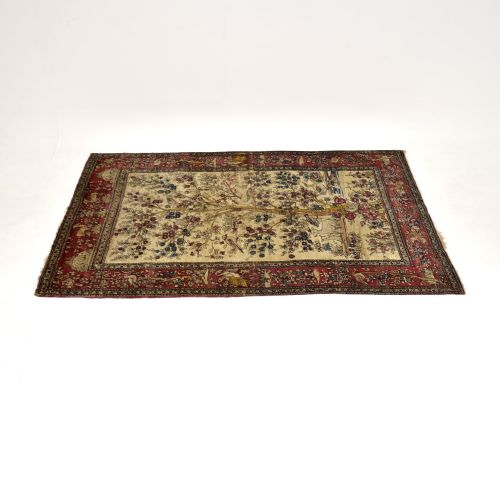

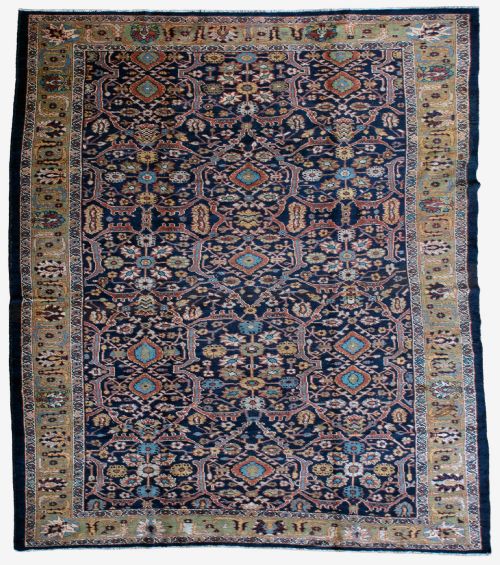
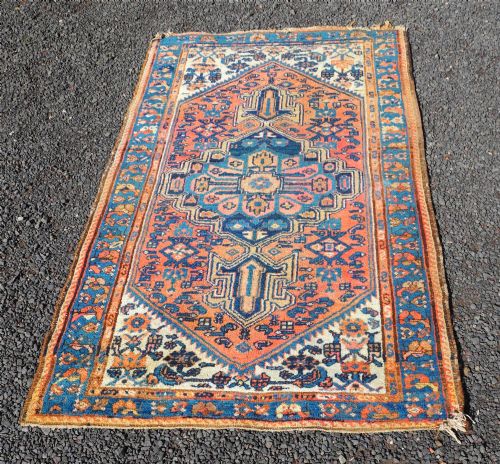
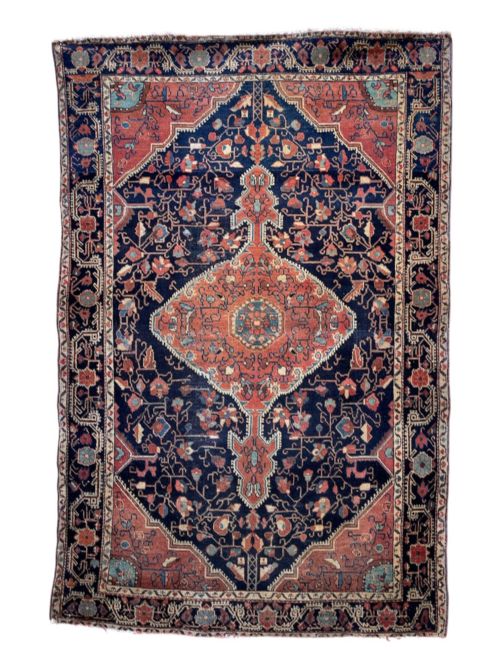
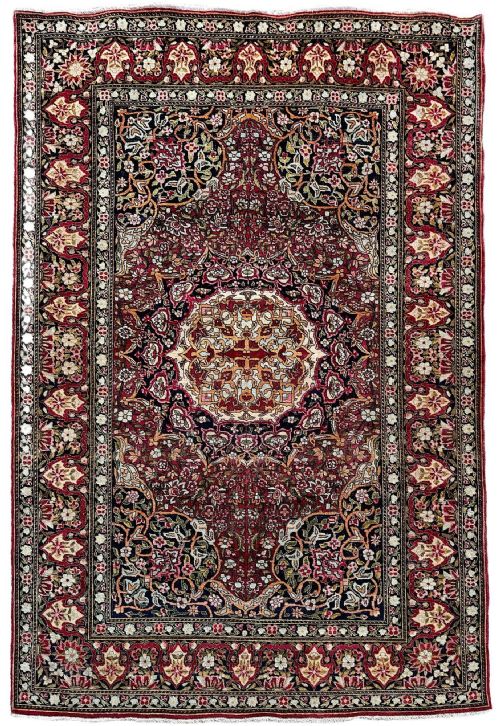

Traditional Persian Wool Carpet
A traditional persian wool carpet brings centuries of knotting heritage into a room, offering durability and warmth underfoot.
Traditional Persian Wool Carpet
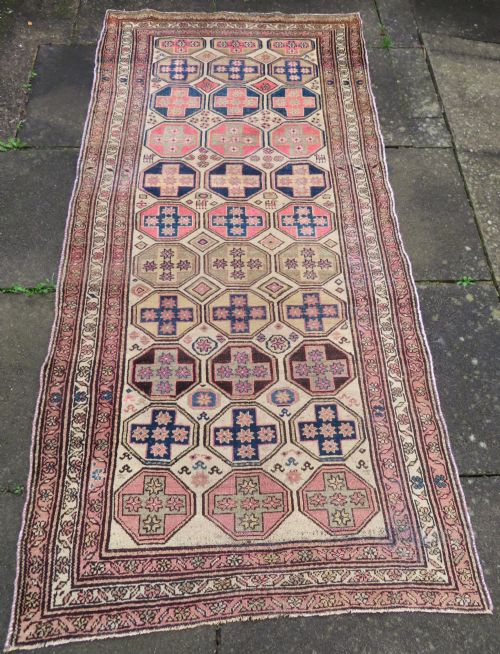
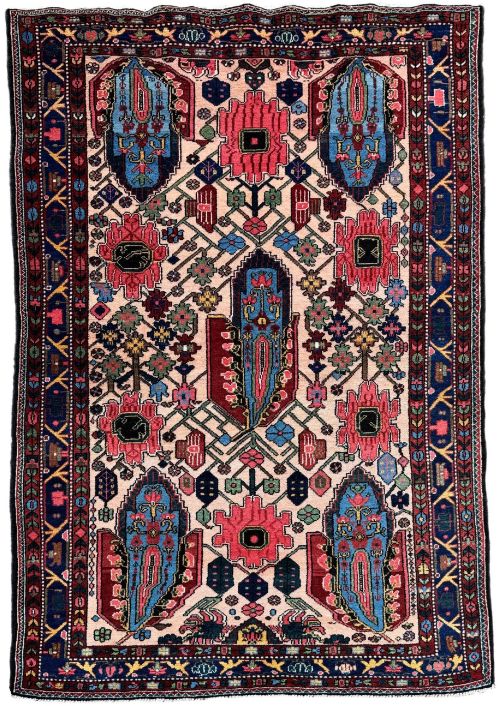
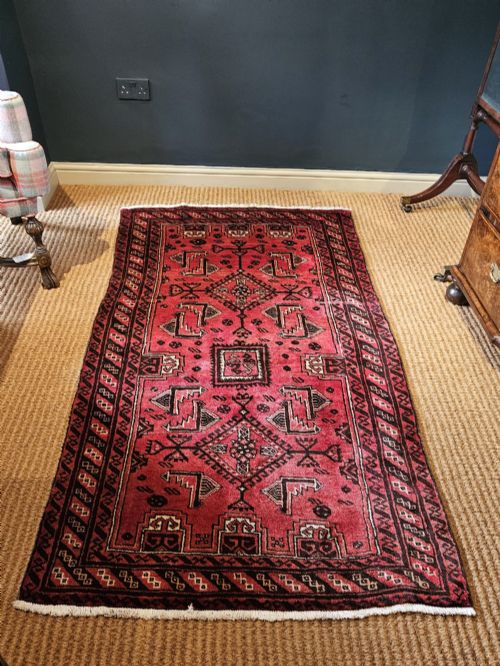
A traditional persian wool carpet encompasses hand-woven floor coverings originating from various regions and nomadic tribes across Persia and surrounding areas. Buyers searching this phrase look for authentic room-sized carpets, smaller rugs, and long runners that display regional weaving patterns.
The selection on this page leans heavily toward pieces produced from the mid nineteenth century through the early twentieth century. Common formats include village rugs, city workshop carpets, and tribal runners bearing traditional motifs.
Materials and construction methods
These floor coverings rely primarily on durable wool for the pile, often set against cotton foundations, with occasional silk highlights appearing in finer city workshop pieces. Weavers knotted the pile by hand onto warp and weft threads, creating dense structures designed for heavy daily use.
The materials reflect local resources, utilising pure wool alongside cotton for structural stability. Hand knotting techniques varied between tribal groups and urban centres, resulting in distinct handle and weight across different pieces.
Traditional Persian Wool Carpet Retail Price Guide 2026
Typical asking prices for traditional persian wool carpet among the pieces listed under this phrase on Sellingantiques today, from the lower quarter to the upper quarter. They describe what is for sale here now, not the wider market.
Listings feature pieces spanning from the mid nineteenth century through to 1930, utilising wool, cotton, and silk.
Distinctions in quality and execution
Quality in these carpets rests on the tightness of the knotting, the consistency of the wool, and the precision of the design execution. Tighter knots allow for sharper pattern definition and greater resilience against foot traffic.
The sophistication of the dye palette and the balance of the composition separate standard village work from master workshop output. Subtle variations in wool preparation and spinning affect the overall texture and longevity of the pile.
Saroukh Mahal·Khamseh·Bakhtiar·Hamadan·Isfahan·Bidjar·Karabagh
The Traditional Persian Wool Carpet Glossary
- Pile
- The vertical or slanted wool fibres that form the usable surface of the carpet. This layer bears the brunt of foot traffic and displays the woven design.
- Warp
- The stationary longitudinal threads stretched onto the loom before weaving begins. The knots of wool are tied around these parallel foundation threads.
- Weft
- The horizontal threads passed back and forth between warp threads to bind the knots in place. Proper beating of the weft creates a firm, stable fabric structure.
- Runner
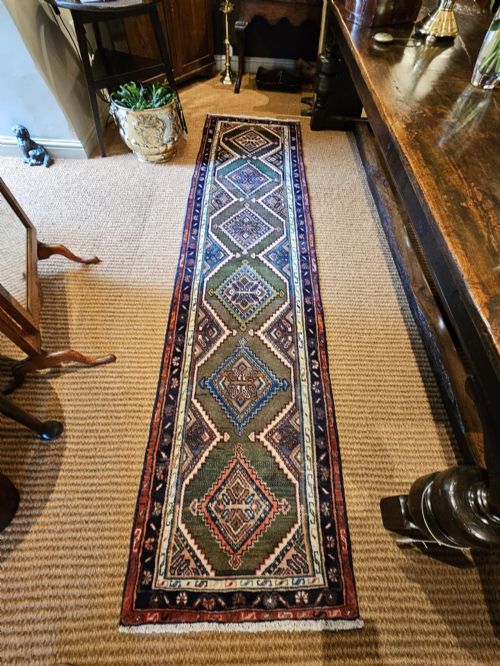
- A long, narrow carpet format designed specifically for hallways, corridors, and stairs. These pieces balance length with restricted width.
- Gul
- A medallion-like motif often found in tribal and nomadic weaving traditions. These repeating octagonal patterns hold symbolic meaning within specific groups.
Traditional Persian Wool Carpet: Frequently Asked Questions
How do I clean a traditional persian wool carpet?
Regular gentle vacuuming without a beater bar removes surface dust and grit from the wool pile. Professional specialist cleaning remains essential for deep washing to protect the natural dyes and fibres.
Avoid household detergents and excessive moisture, which can damage the cotton foundation and cause colour bleeding. Promptly blot liquid spills rather than rubbing them into the pile.
Where should I place a runner rug?
Runners suit narrow spaces such as hallways, entryways, and long corridors where they soften footsteps and protect wooden flooring. They also function well alongside beds or in galley kitchens.
Ensure you place a quality underlay beneath the runner to prevent slipping and reduce wear from friction against the floorboards.
How do regional styles differ?
City workshop carpets often display precise floral medallions and balanced curves, reflecting formal design traditions. Village and tribal pieces tend toward geometric motifs, repeating guls, and spontaneous arrangements.
Palettes also vary by region, with certain areas favouring deep rusts and indigos while others employ olive greens and warm reds.
Are these carpets suitable for heavy traffic?
Hand-knotted wool construction provides natural resilience, making these floor coverings well-equipped for busy areas like living rooms and hallways. The lanolin present in pure wool helps repel dirt and resists crushing.
Rotating the carpet periodically ensures even wear across the surface when placed in high-traffic zones.