


Large Wool Rug
A large wool rug anchors a room with substantial texture, grounding the floor through centuries-old traditions of hand-knotting and dyeing.
Large Wool Rug
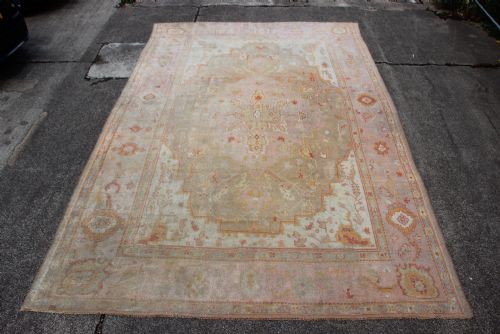
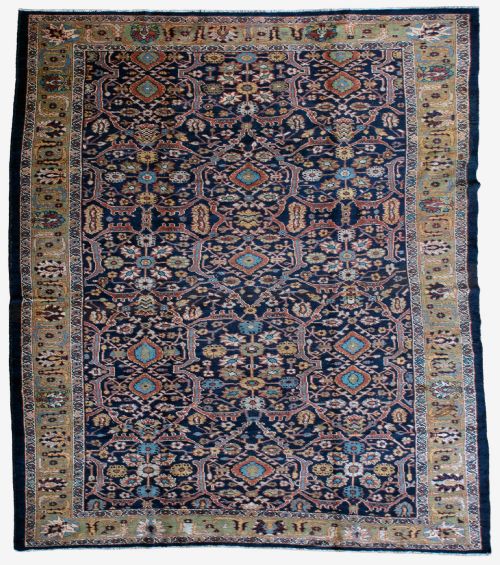
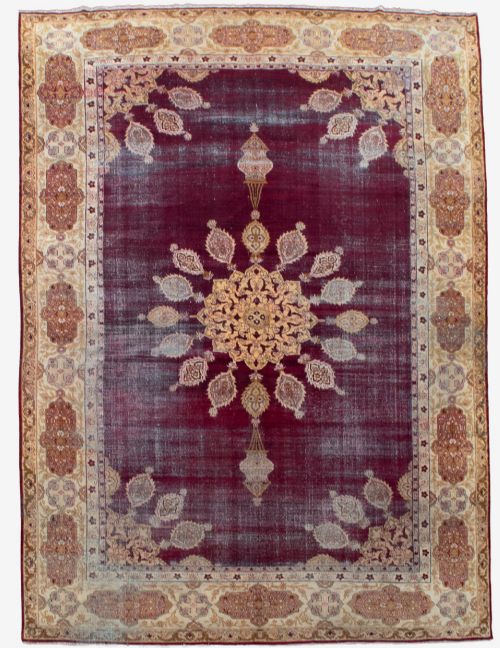
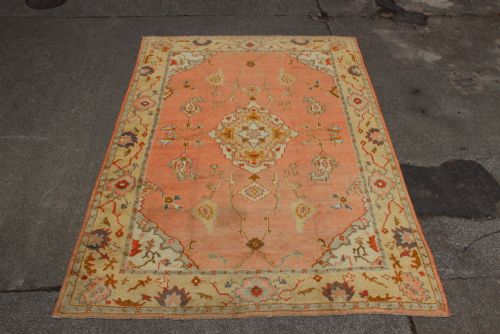
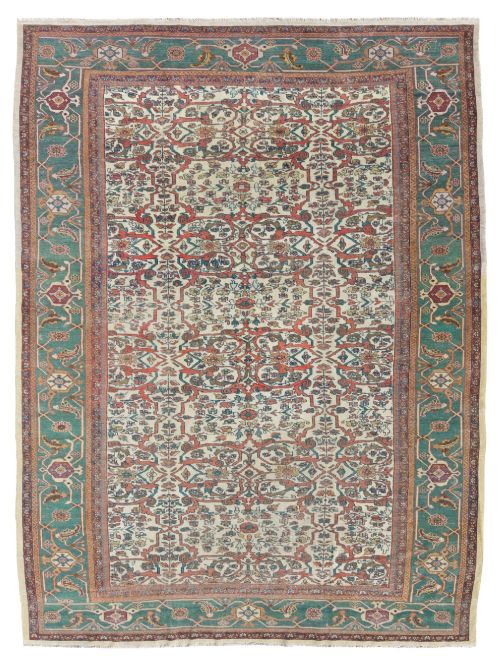
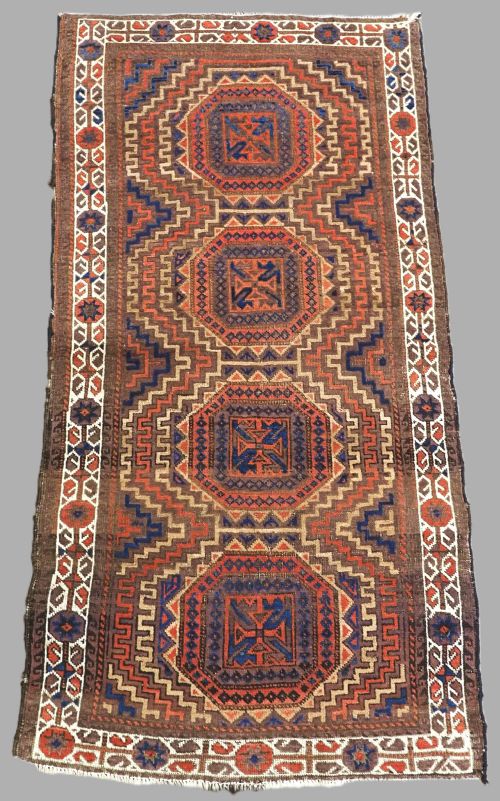
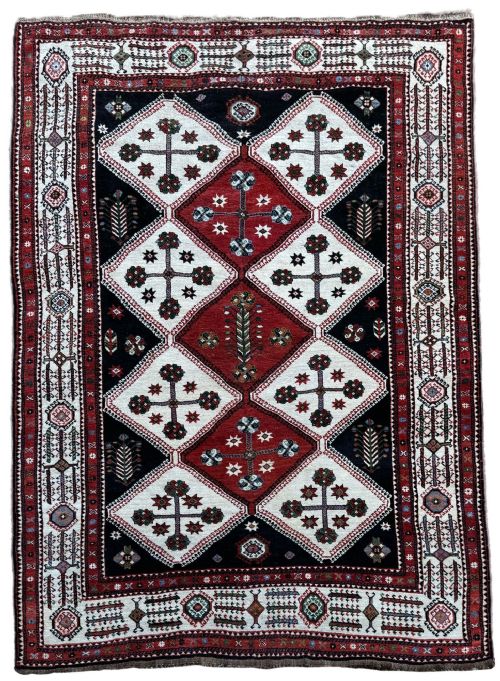
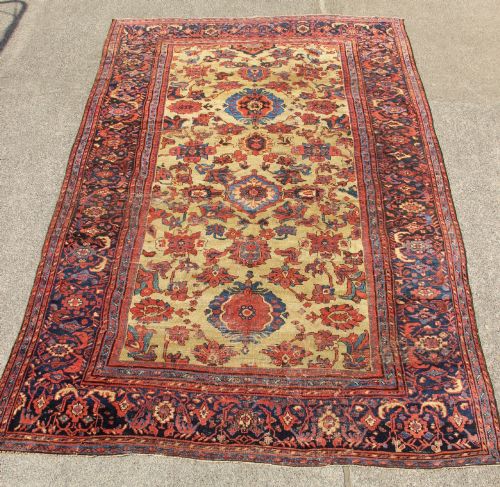
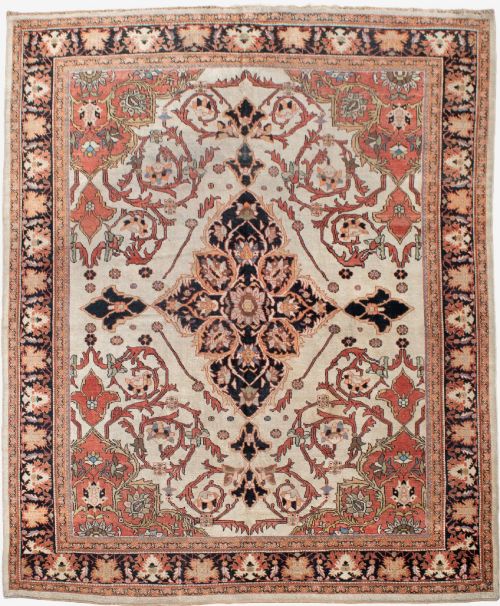
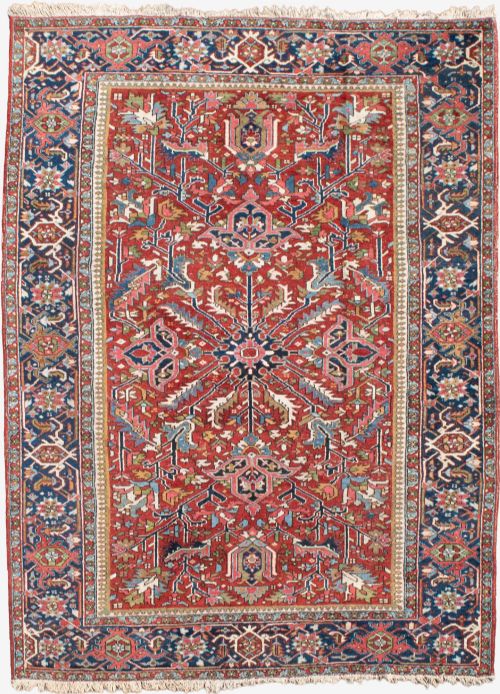
A large wool rug typically spans room-sized proportions, often taking the form of antique carpets originating from Persian, Anatolian, and Turkmen weaving centres. When searching for a large wool rug, buyers encounter generous formats such as Heriz, Oushak, and Mahal carpets produced from the mid-nineteenth century through the early decades of the twentieth century.
The inventory on this page consists primarily of room-scale floor coverings woven in wool, frequently incorporating cotton foundations for structural stability. These pieces serve as grand focal points for principal reception rooms, country house interiors, and expansive hallways.
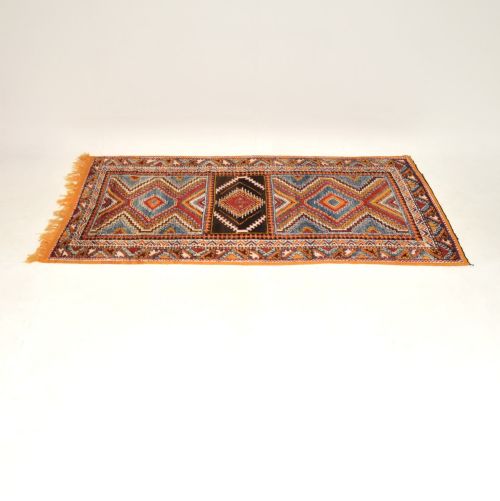
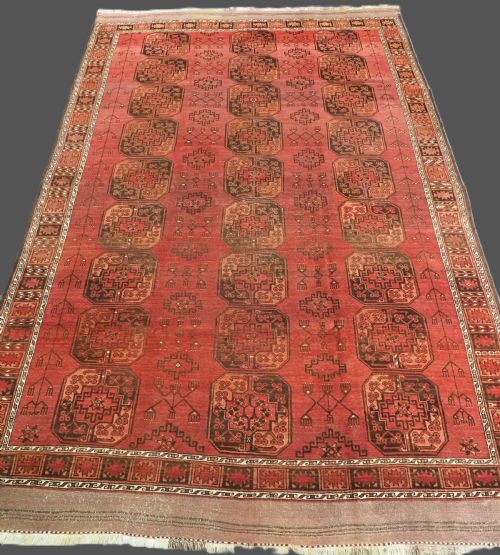
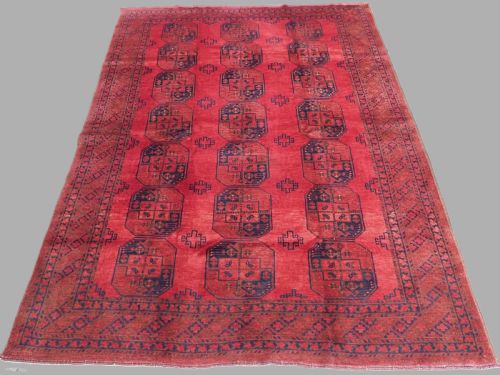
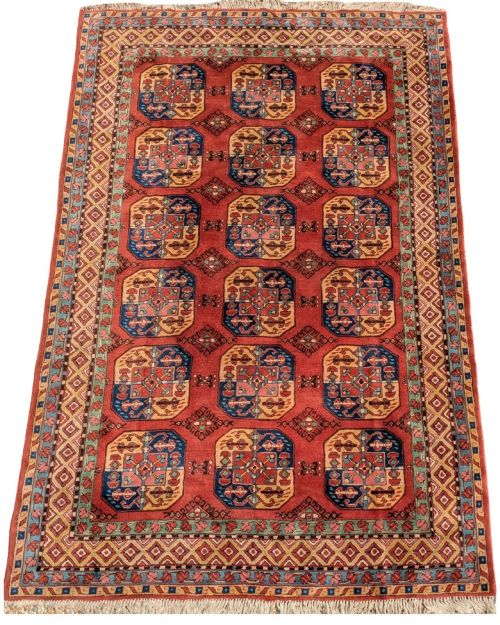
Regional variations dominate the selection, ranging from the geometric medallions of Persian Heriz carpets to the muted palettes of Turkish Oushak weaves and the tribal motifs of Ersari and Afghan main carpets.
How they were made
Traditional weavers constructed these large wool rugs by hand-knotting resilient wool pile onto sturdy cotton or wool warp and weft foundations. The density of the knotting determined the crispness of the pattern, while hand-spun yarns absorbed natural dyes with subtle variations in tone.
Larger formats required months or years of collaborative labour on vertical upright looms, utilising time-honoured regional techniques passed through generations of village and workshop artisans.
Country house carpets often arrived with delightful minor irregularities in symmetry, revealing the unhurried rhythm of the village loom.
What varies in quality
Quality in these carpets rests upon the grade of the wool, the fineness and uniformity of the knot count, and the complexity of the design layout. Superior examples display lustrous lanolin-rich wool and dyes that age gracefully, whereas simpler village or tribal pieces prioritize robust utility and bold, rustic expression.
The integrity of the original borders, the preservation of the fringe areas, and the balance of the overall composition distinguish exemplary collector pieces from standard decorative room-sized carpets.
The Large Wool Rug Glossary
- Warp
- The vertical threads stretched lengthwise on a loom that form the structural foundation of the rug. Fringe ends typically originate from these sturdy cotton or wool cords.
- Weft
- The horizontal threads passed across the warp strands between rows of knots to bind the pile securely in place. This technique creates the firm grid essential for large carpets.
- Medallion
- A symmetrical ornamental motif centred in the middle of the carpet field. Traditional Persian and Anatolian designs frequently utilise this central focal point.
- Gul
- An octagonal or geometric tribal emblem repeated across Turkmen and Afghan carpets. Each design identifies specific weaving clans and regional traditions.
- Pile
- The upright cut or looped wool surface of the rug that receives foot traffic. High lanolin content in the fleece enhances durability and sheen.
Large Wool Rug: Frequently Asked Questions
How do I clean an antique wool rug?
Professional specialist cleaning is essential for antique wool carpets to protect natural dyes and delicate foundations. Regular gentle vacuuming without a beater bar removes surface grit.
Avoid household chemical treatments and excessive water immersion, which can damage wool fibres and cause dye bleeding across ivory or coloured grounds.
Can I place a large wool rug in a hallway?
Generous room-sized carpets suit large entrance halls and expansive reception spaces where floor dimensions allow for full display. Ensure the rug sits comfortably away from heavy exterior moisture.
A quality underlay prevents slipping and cushions the foundation against hard stone or wooden floorboards.
How do I identify a Heriz carpet?
Heriz carpets from north-west Persia typically feature bold, geometric medallions anchored by robust corner spandrels. Their wool is known for exceptional resilience.
The palette often incorporates rich terracotta, deep blues, and ivory accents woven on sturdy cotton foundations.
What is an Oushak carpet?
Oushak carpets originate from western Anatolia and are celebrated for their softer pastel palettes and larger-scale floral or geometric motifs. Weavers utilised loosely spun wool.
These rugs blend seamlessly into diverse interior schemes due to their gentle, faded tones and expansive fields.