


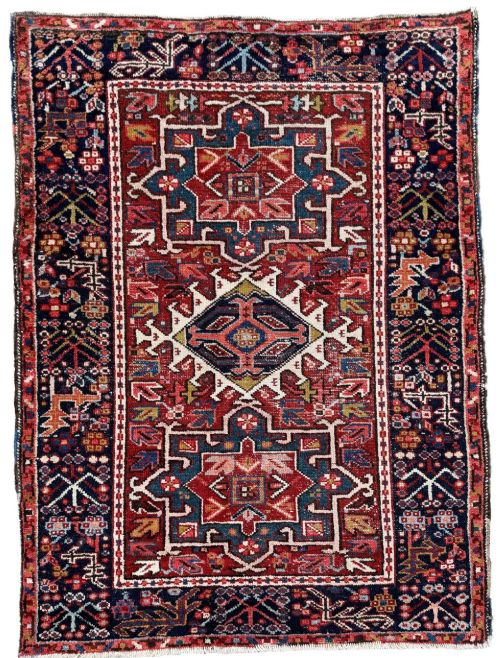
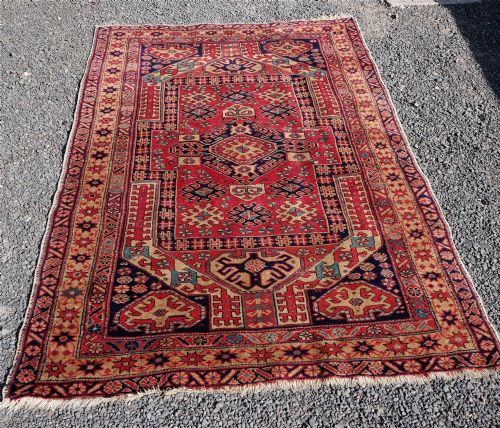
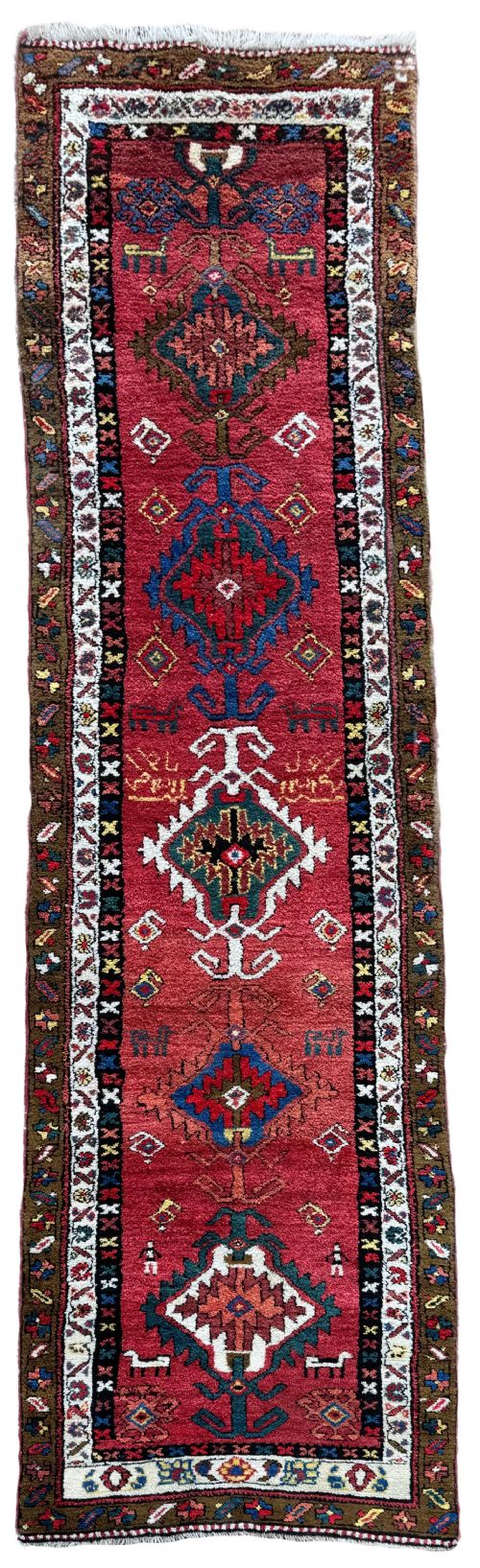
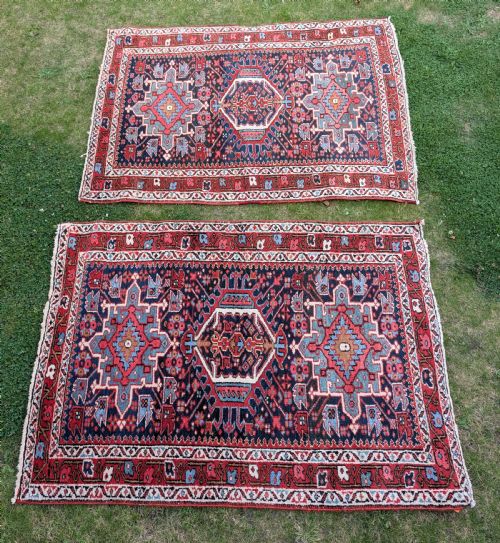
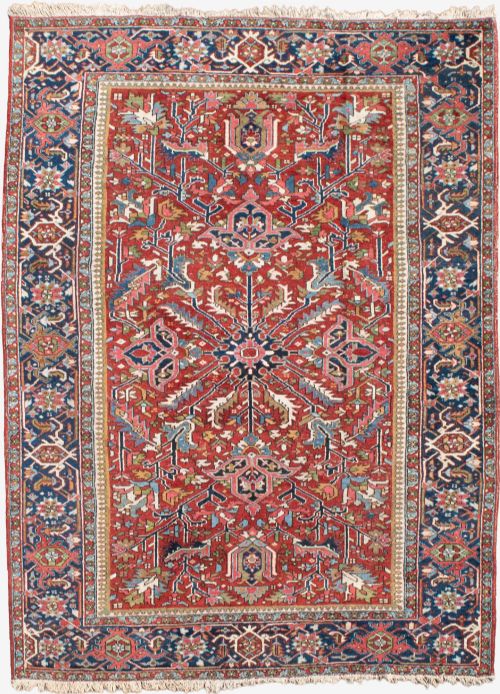
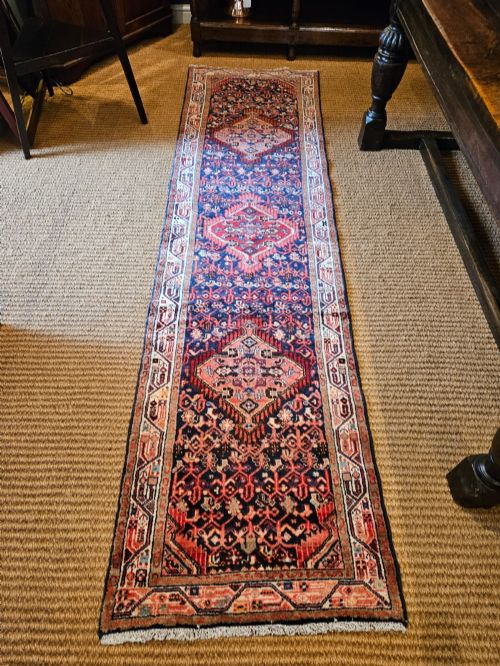


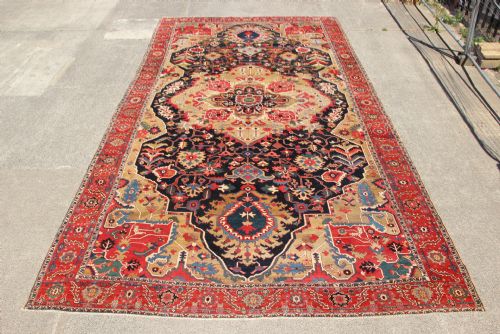
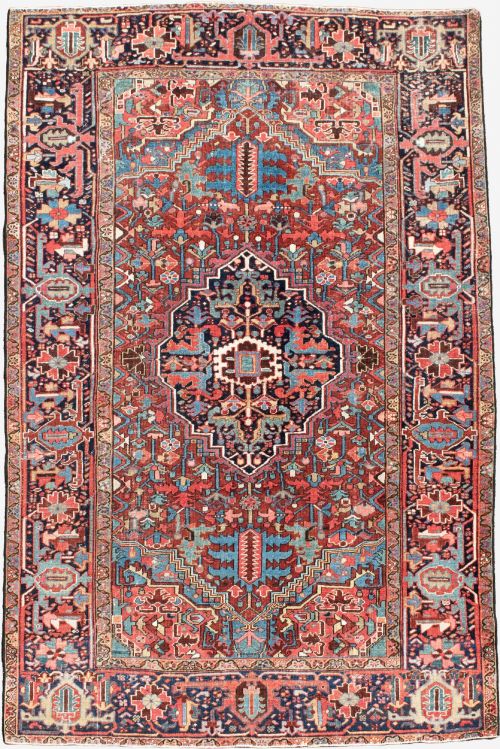
Antique Persian Heriz
When you search for antique persian heriz, you are looking at resilient hand-knotted floor coverings woven in the mountainous north-west region of Persia.
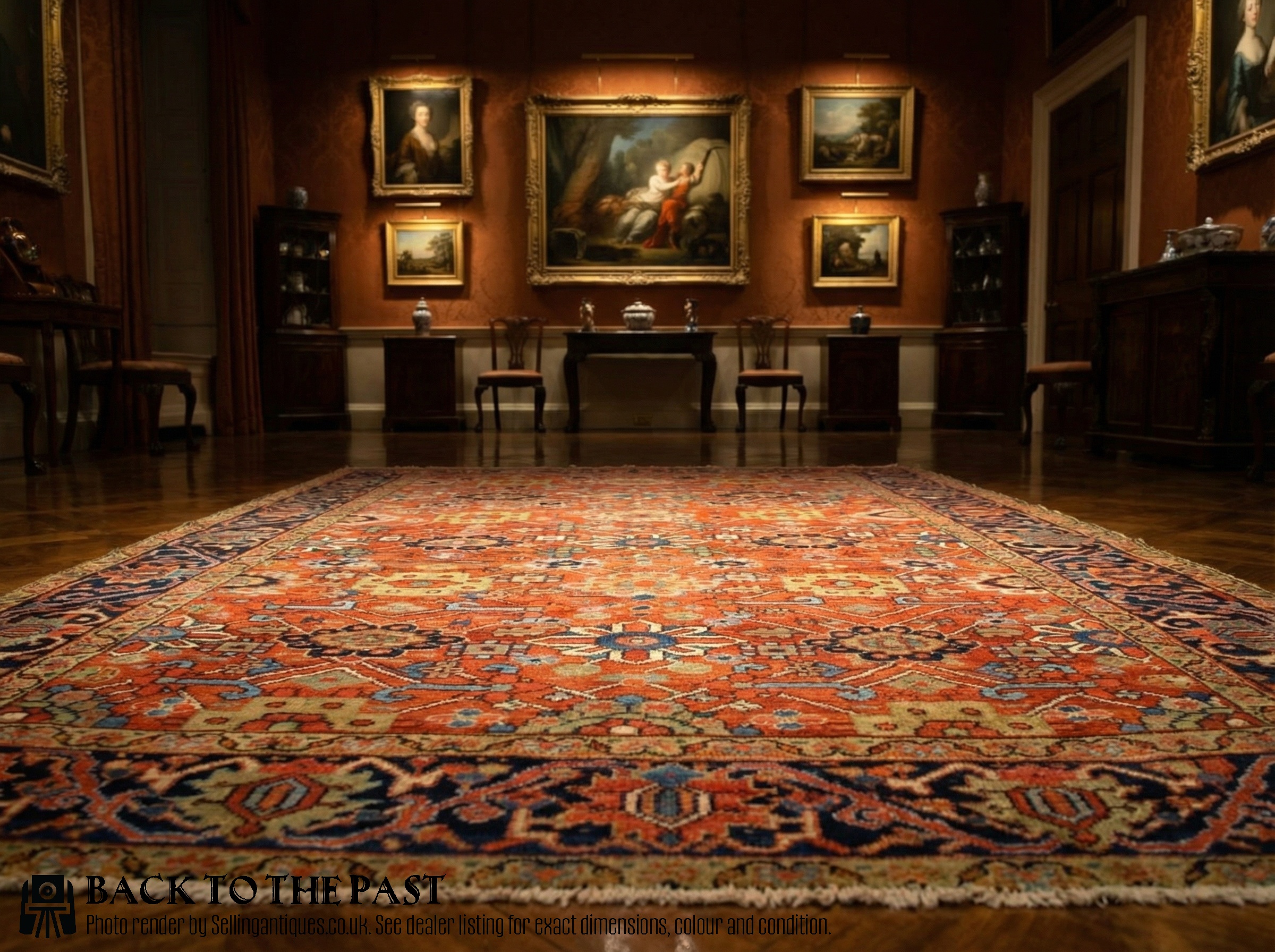
Antique Persian Heriz
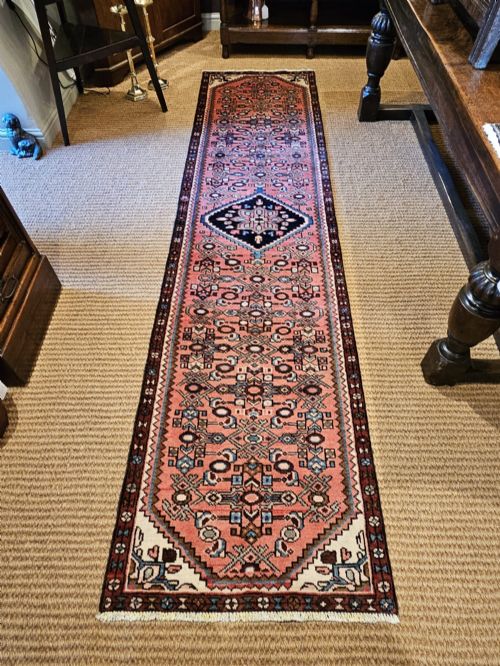
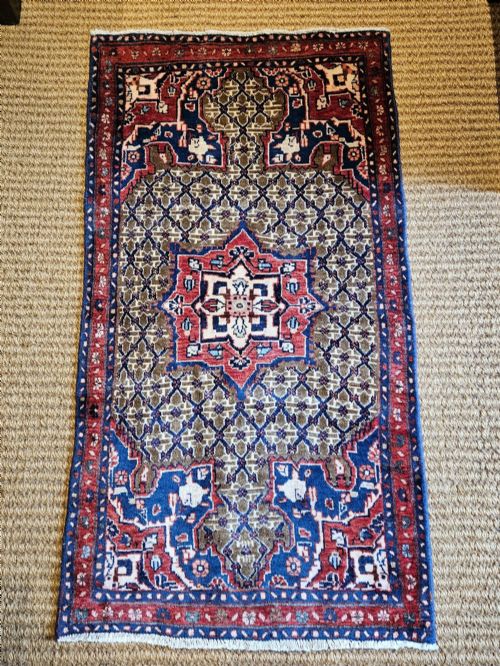
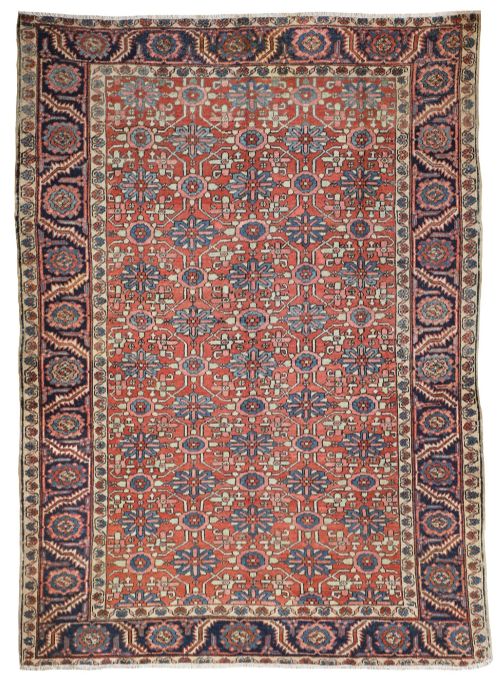
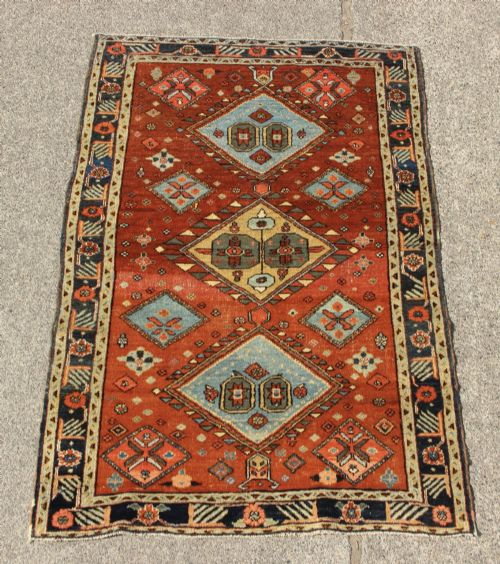
The antique persian heriz group encompasses room-sized carpets, smaller rugs, hearth formats and long hallway runners dating from the mid-nineteenth century through to the early decades of the twentieth century.
Most examples found on this page display bold geometric centre medallions balanced by corner spandrels, whilst others feature repeating all-over patterns across the field.
Associated weaving traditions from the same district, including Karaja, Serapi, Ahar and Bakshaish, frequently appear alongside standard Heriz production.
Materials and Construction
These floor coverings are constructed using durable wool pile hand-knotted onto sturdy cotton foundations.
The wool used in these pieces provides a thick, heavy handle designed to withstand generations of domestic use.
Listings span production dates from the 1850s through to the 1930s, utilising wool and cotton materials exclusively.
Assessing the Weaving
Quality varies according to the fineness of the knotting and the precision of the geometric drawing across the field.
The harmony and saturation of the natural dyes, particularly the depth of the reds and blues, dictate the visual distinction of individual carpets.
The Antique Persian Heriz Glossary
- Heriz
- A rug-producing district in north-west Persia known for durable carpets featuring bold geometric medallions and robust wool.
- Serapi
- A trade term often applied to older Heriz carpets characterised by more open designs and softer, muted palettes.
- Karaja
- A style of rug from the Heriz region distinguished by geometric village patterns and smaller dimensions.
- Spandrel
- The triangular corner area of a rug design situated between the central medallion and the outer border.
- Runner
- A long, narrow carpet format traditionally utilised in hallways, corridors and passages.
Antique Persian Heriz: Frequently Asked Questions
How do I date an old Heriz carpet?
Dating relies on stylistic shifts, dye palettes and structural analysis recorded across pieces from the nineteenth and early twentieth centuries.
Earlier nineteenth-century examples often exhibit more relaxed geometric drawing and softer vegetable dyes compared to later woven pieces.
Are these carpets suitable for heavy traffic?
The dense wool pile and sturdy cotton foundations make these weavings exceptionally durable for everyday floor use.
Place a quality underlay beneath the carpet to reduce friction and movement in busy hallways or reception rooms.
What is the difference between Heriz and Serapi?
Serapi rugs represent an earlier, finely knotted variation associated with the Heriz region featuring spacious compositions.
Standard Heriz carpets typically display slightly denser geometric formatting and bolder structural outlines.
How should I clean my antique rug?
Gentle surface vacuuming without the beater bar active removes embedded dust from the wool pile safely.
Professional specialist washing is recommended for deep cleaning to protect the natural dyes and cotton foundation.