





Rustic Persian Carpet
A rustic persian carpet brings centuries of nomadic and village weaving traditions straight to your floor, offering deep wool pile and geometric tribal motifs.
Rustic Persian Carpet
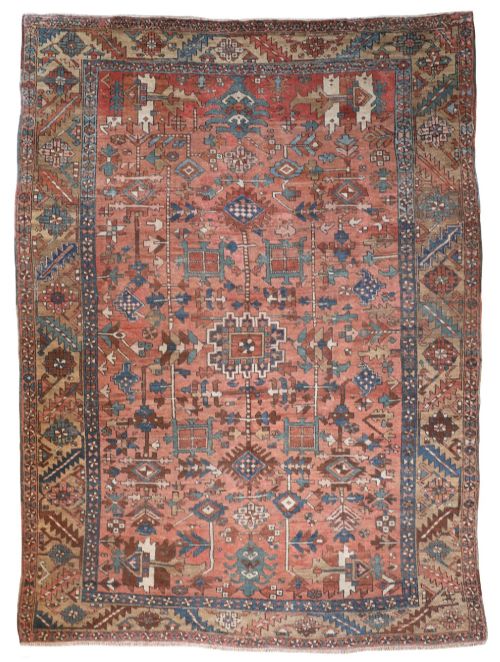
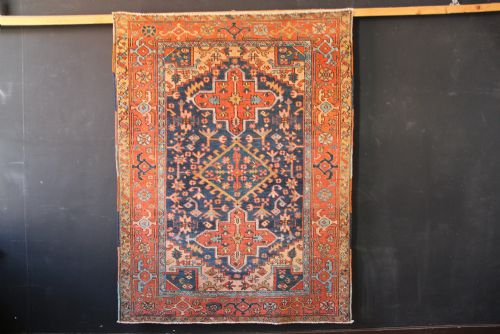
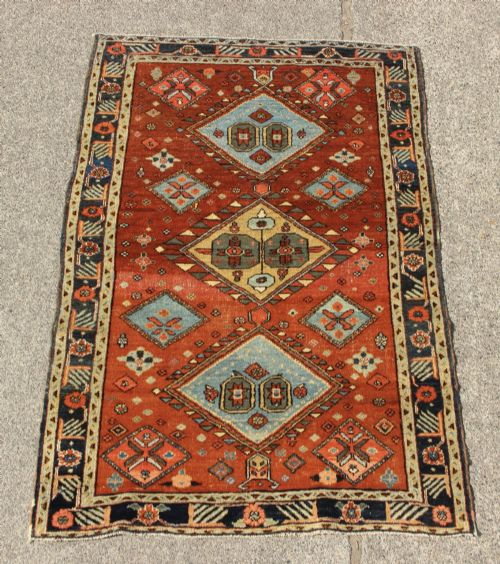
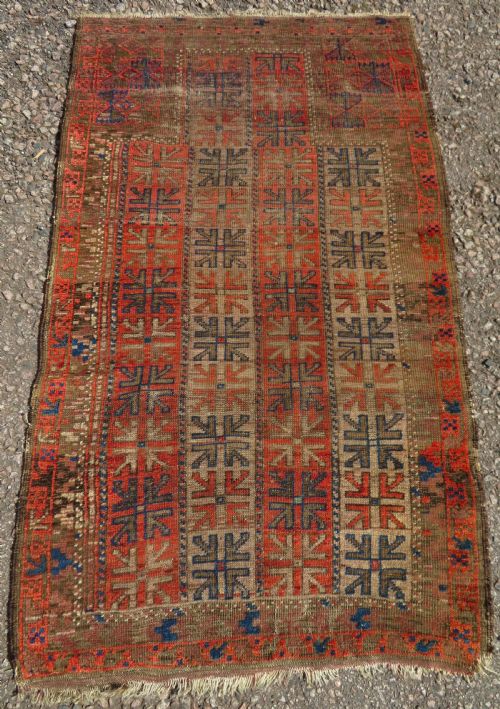
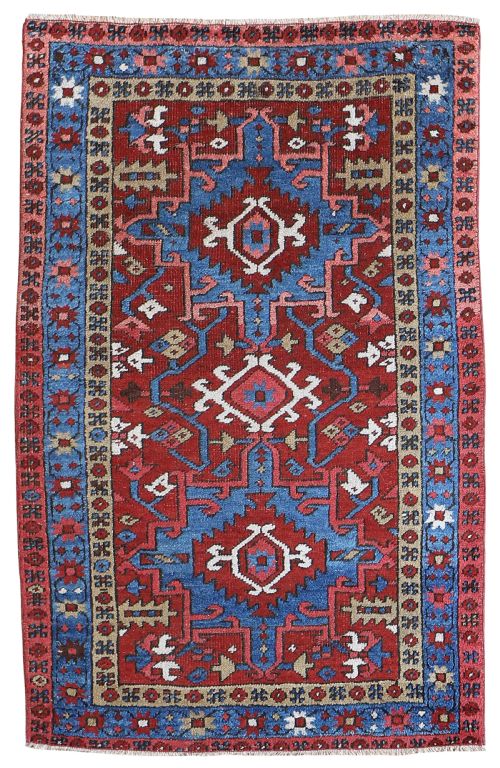
When you search for a rustic persian carpet, you encounter heavy village and tribal floor coverings spanning from the mid-nineteenth century to the early twentieth century. These pieces encompass regional types such as Heriz, Baluch, Shiraz, Karaja, Bakshaish, and Kurdish weaves.
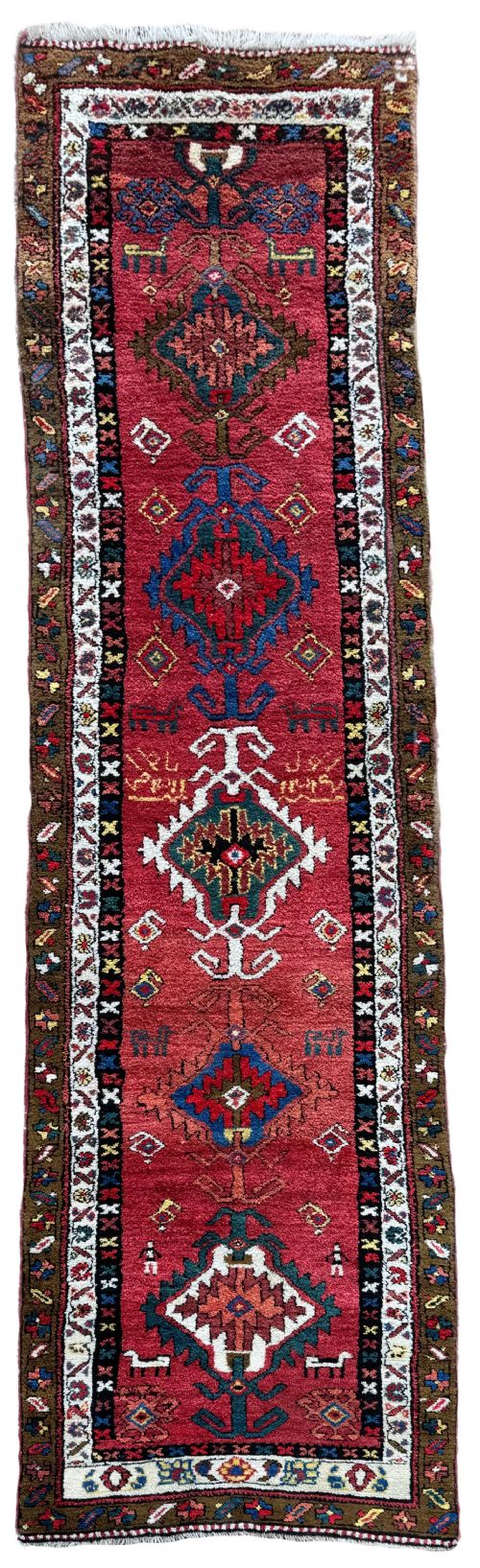
The selection on this page relies heavily on Heriz carpets and runners alongside nomadic tribal prayer rugs and small bag face cushions. They emerge from diverse origins including Khorasan, Luri, and Quchan tribal groups.
You find formats ranging from compact area rugs and long runners to substantial roomsize carpets. Each piece displays the robust utility and unpretentious character intrinsic to village production.
How they were made
Weavers constructed these textiles primarily using wool, hand-spun wool, and camel wool, frequently set against a cotton warp foundation. The integration of natural animal fibres provided the resilience needed for heavy daily use.
Loom work involved handweaving techniques passed down through generations within specific tribes and villages. Artisans knotted the pile by hand to create durable surfaces designed to withstand decades of wear.
Rustic Persian Carpet Retail Price Guide 2026
Typical asking prices for rustic persian carpet among the pieces listed under this phrase on Sellingantiques today, from the lower quarter to the upper quarter. They describe what is for sale here now, not the wider market.
Listings feature traditional materials including camel wool and cotton warp foundations across nineteenth and twentieth century production.
What varies in quality
The calibre of a weaving rests on the integrity of its wool and the stability of its foundation. Dense hand-spun pile and sturdy cotton warps separate substantial roomsize carpets and long runners from lighter domestic pieces.
Visual strength depends on the clarity and balance of regional designs, from bold Heriz medallions to intricate Baluch patterns. The richness and saturation of natural dye palettes ultimately elevate a furnishing carpet above standard production.
The Rustic Persian Carpet Glossary
- Heriz
- A region in northwest Iran known for producing durable geometric carpets with prominent central medallions and strong corner spandrels. These rugs typically feature thick wool pile and sturdy construction.
- Baluch
- A designation for nomadic and village weavings created by Baluch tribes, often characterised by dark wool palettes and prayer rug formats. Artisans frequently incorporated camel wool into these tactile pieces.
- Warp
- The vertical foundation threads stretched tightly on the loom before knotting begins. Cotton warp threads provide structural stability to many traditional Persian rugs.
- Bag face
- The decorative front panel of a utilitarian nomadic storage bag, repurposed as a small collector cushion or rug. These textiles display concentrated tribal designs in miniature formats.
- Bakshaish
- An early village carpet type originating from the Heriz district, known for large-scale geometric patterns and softer coloration. Examples date back to the mid-nineteenth century.
Rustic Persian Carpet: Frequently Asked Questions
How do I clean an old wool rug?
Maintenance requires gentle vacuuming without rotary brushes to protect the hand-spun wool pile and vulnerable edges.
Professional specialist washing is essential for deep cleaning to prevent dye migration and fibre degradation.
Can I place these carpets in hallways?
Many long runners and sturdy village rugs were built specifically for heavy traffic areas like corridors and passages.
Placing a quality underlay beneath the carpet prevents slipping and reduces friction against the floorboards.
What defines a tribal rug?
Tribal pieces originate from nomadic or semi-nomadic groups rather than urban workshops, utilising memory patterns rather than drawn cartoons.
Their designs incorporate geometric motifs, symbols of daily life, and varied local wool types.
How do I date a woven carpet?
Dating relies on structural analysis, examining materials like hand-spun wool, dye palettes, and regional knotting techniques recorded across periods from eighteen-fifty to nineteen-thirty.
Wear patterns, edge finishes, and historical attribution provide further context for age estimation.