




Traditional Patterned Carpet
A traditional patterned carpet brings enduring craftsmanship and regional motifs into a room, offering distinct historical character beneath your feet.

Traditional Patterned Carpet
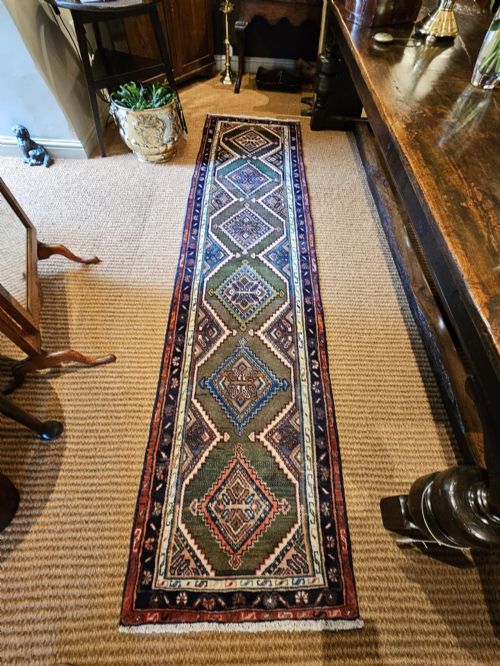
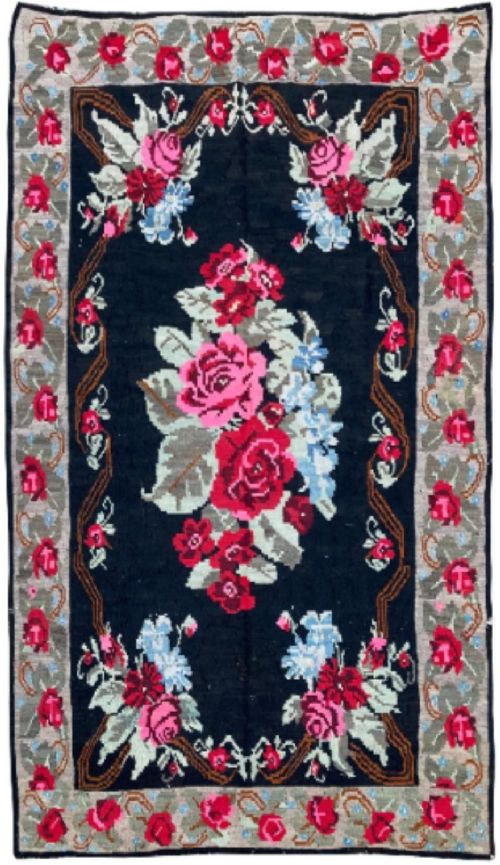
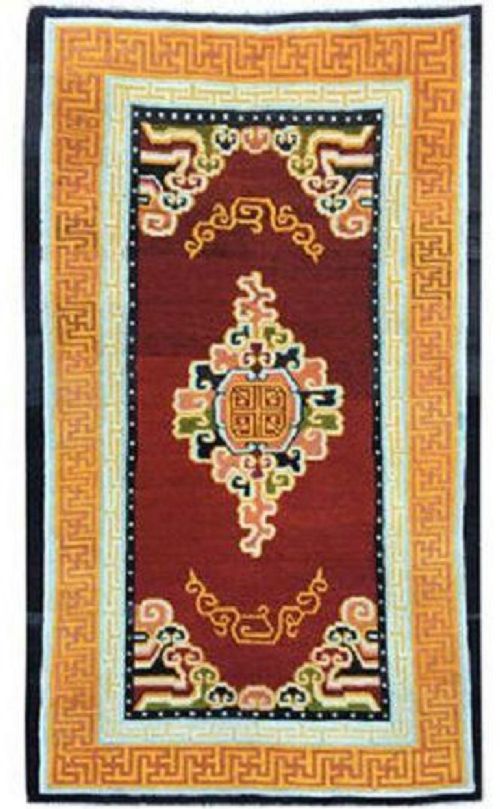
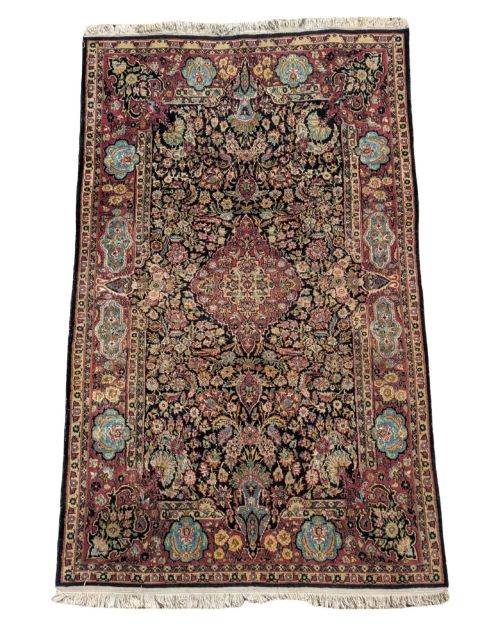
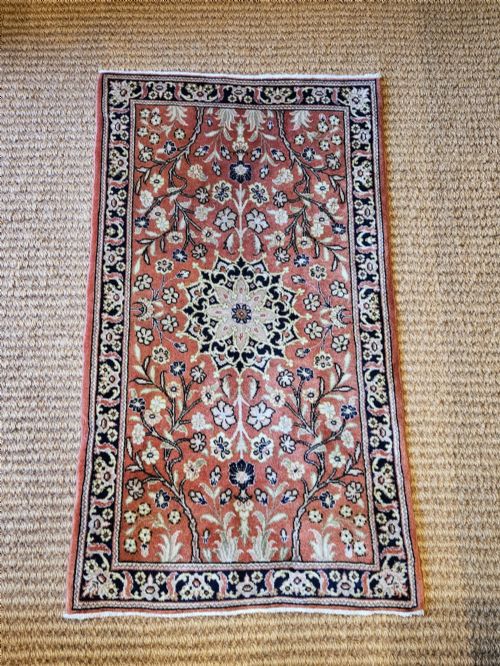
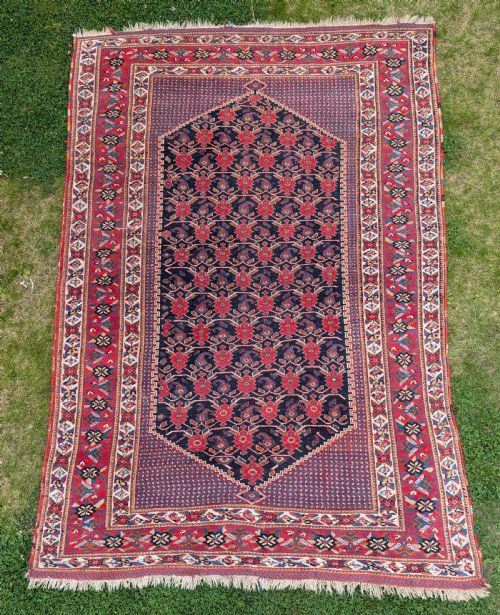
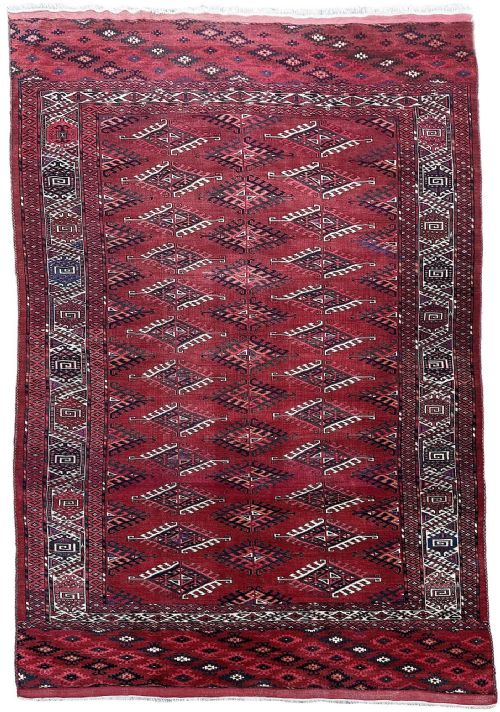
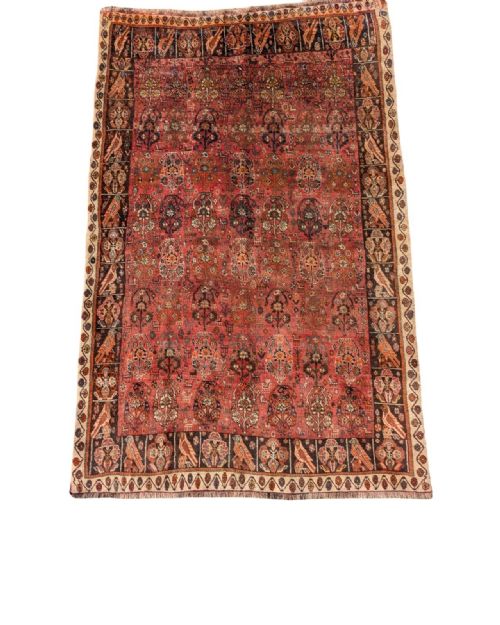
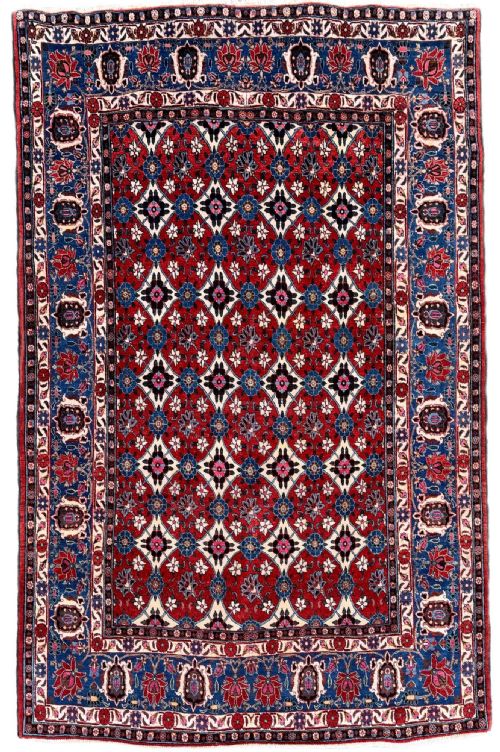
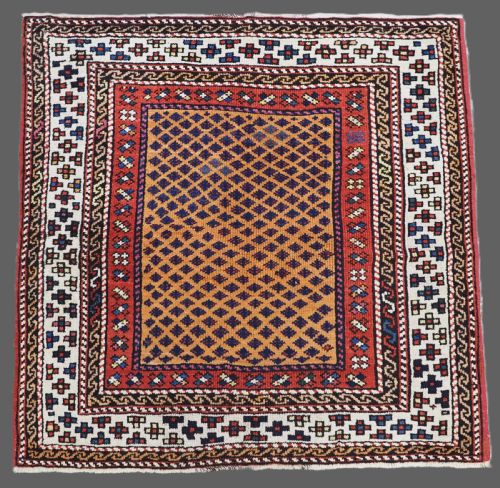
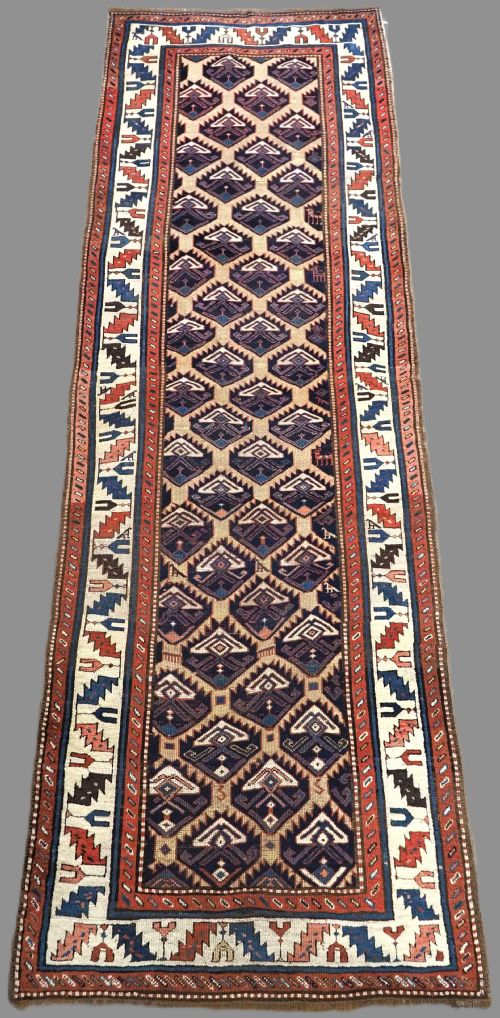
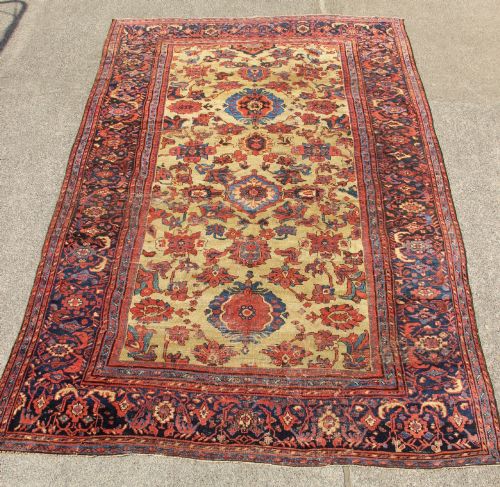
When searching for a traditional patterned carpet, buyers encounter woven floor coverings originating from Persia, the Caucasus, Turkey, Central Asia, and Tibet. These pieces take the form of large area carpets, hallway runners, and smaller hearth rugs.
The selection on this page relies heavily on regional village and tribal weaving traditions, spanning from the mid-nineteenth century through to the early decades of the twentieth century. Examples range from finely detailed city carpets to robust tribal room-size rugs and narrow runners.
How They Were Made
These floor coverings are constructed using natural materials, predominantly wool, cotton, and occasionally silk highlights. Many makers utilised hand-spun wool and natural dyes to achieve depth of colour across the pile.
Weavers employed hand-knotting and hand-weaving techniques on traditional upright looms. This labour-intensive process creates a dense, durable structure capable of withstanding generations of daily use.
Several antique rugs preserve the wandering thoughts of nomadic weavers who tucked playful stray animal motifs directly into the geometric borders.
What Varies in Quality
Quality in these textiles depends on the tightness of the knotting and the precision of the design execution. Tighter foundations and higher knot counts allow intricate geometric and floral patterns to hold their clarity.
The choice of materials and dye sources also dictates the calibre of the piece. Hand-spun wool paired with rich natural dyes yields a vibrant patina that matures gracefully over time compared to synthetic alternatives.
The Traditional Patterned Carpet Glossary
- Runner
- A long, narrow carpet designed specifically for hallways, corridors, and staircases. These pieces measure significantly longer than they are wide.
- Boteh
- A traditional teardrop or almond-shaped motif with a curved upper end, frequently seen in Persian textile patterns. It represents a floral cluster or cypress tree.
- Kilim
- A flat-woven carpet or rug produced without a pile by tightly interweaving warp and weft strands. This technique creates a lightweight textile with a smooth surface.
- Pile
- The vertical or diagonal loops of yarn that form the usable surface of a woven carpet. Shorter piles reveal finer detail, while deeper piles offer a plush feel.
Traditional Patterned Carpet: Frequently Asked Questions
How do I clean a wool carpet?
Regular gentle vacuuming without a beater bar removes surface dirt from the wool pile. Professional specialist cleaning is recommended for deep maintenance to protect natural dyes.
Avoid saturation and harsh chemical detergents, as these can damage the hand-spun fibres and alter the historic colours.
Where should I place a hallway runner?
Runners fit well in narrow corridors, entryways, and alongside beds to provide soft underfoot warmth. Measure your hallway carefully, leaving a uniform border of exposed floorboards around the edges.
Use a suitable underlay beneath the runner to prevent slipping and reduce friction wear on the woven foundation.
How do I identify tribal designs?
Tribal rugs typically feature geometric motifs, bold medallions, and repeating latch-hook patterns woven from memory rather than formal paper cartoons. These designs often reflect the specific cultural heritage of nomadic groups.
Examining the irregularities in symmetry and regional wool characteristics helps distinguish authentic nomadic work from structured city weaving.
Will these carpets suit modern interiors?
Historic floor coverings anchor contemporary spaces by introducing texture, warmth, and grounded colour palettes. The earthy tones of natural dyes complement minimalist and neutral decorating schemes.
Pairing an antique runner or area rug with clean-lined furniture creates a balanced contrast between old and new design elements.