




Kurdish Area Rug
A Kurdish area rug brings the rich weave of tribal traditions straight to the floor.
Kurdish Area Rug
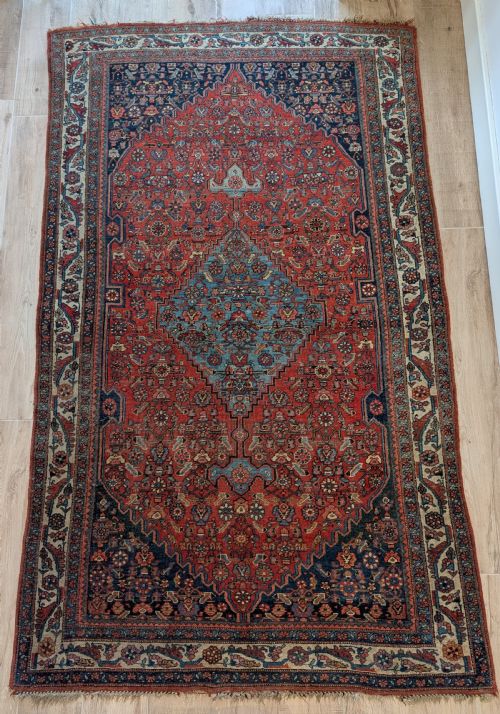
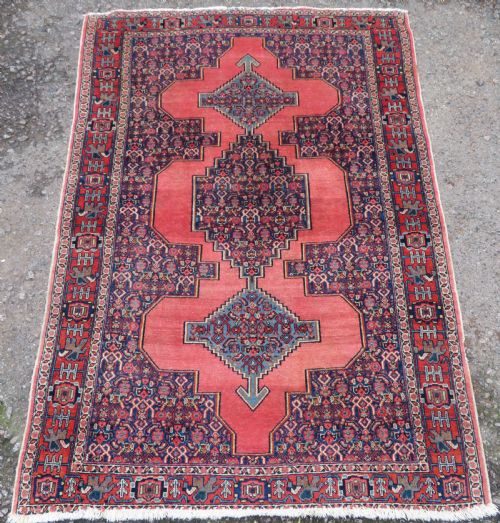
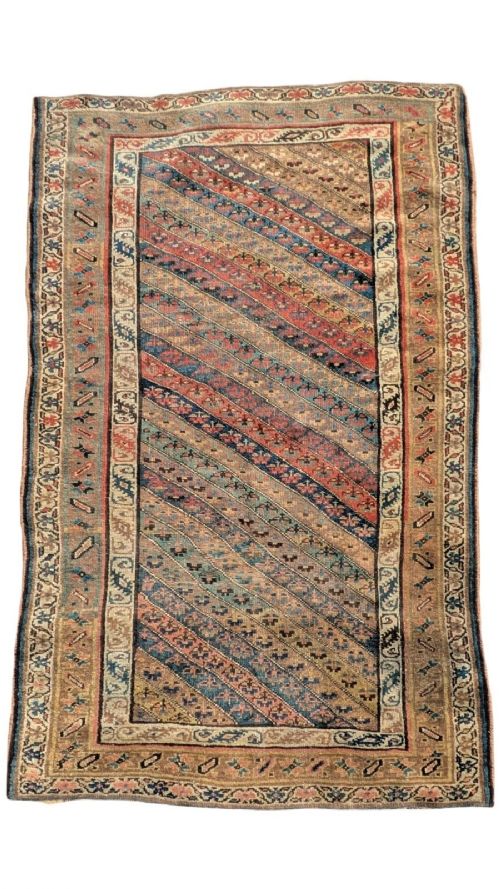
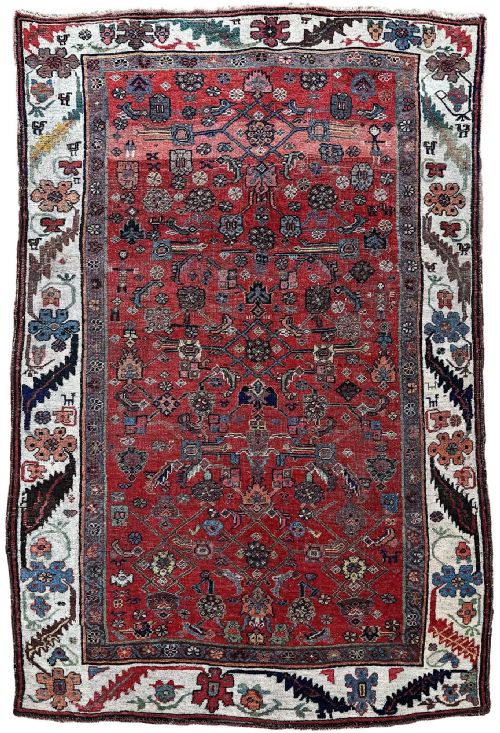
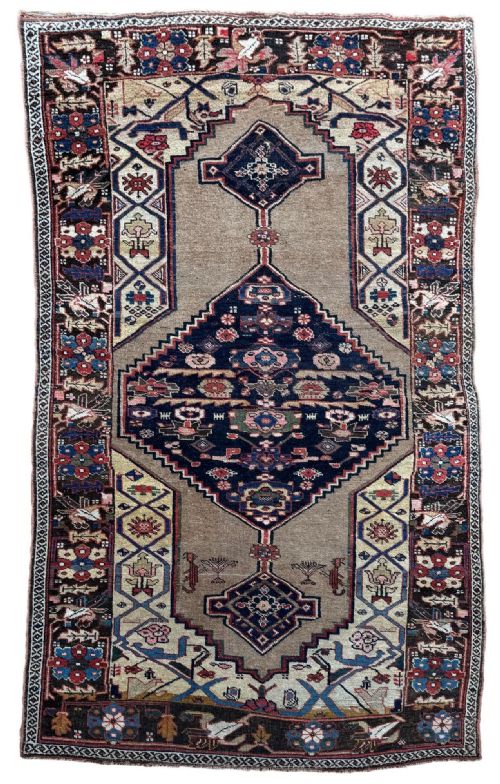
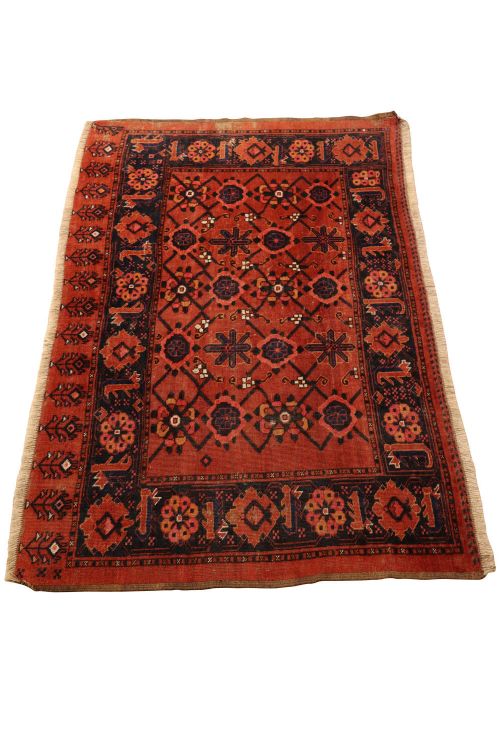
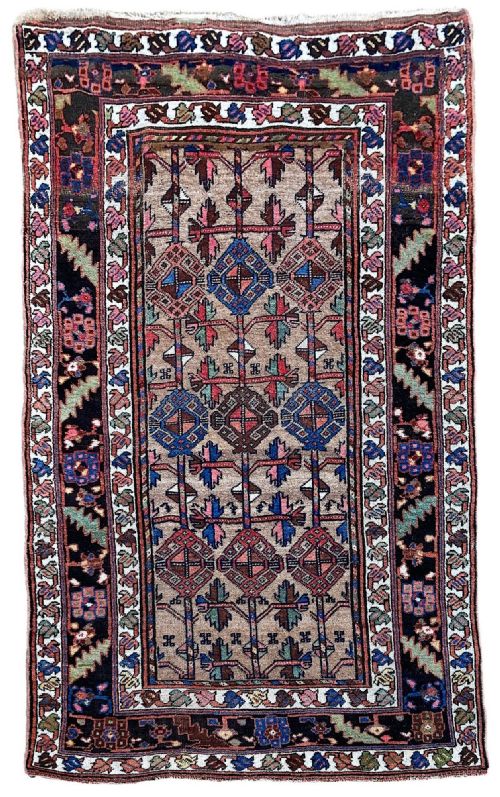
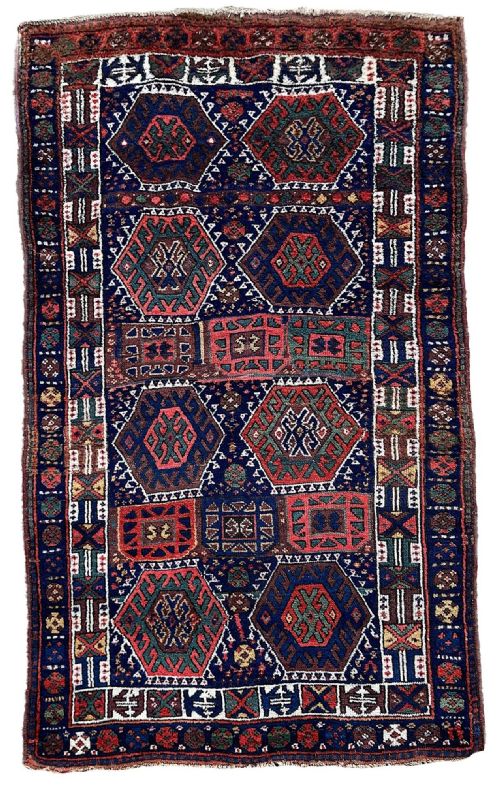
A kurdish area rug represents the textile output of weavers from regions such as West Persia, Bidjar, Senneh, Hamadan, and East Anatolia. These floor coverings emerge mainly from the nineteenth century and the early decades of the twentieth century, spanning periods from the eighteen-eighties through to nineteen-thirty.
The forms vary from smaller rugs and runners to larger kelleh carpets. Pieces commonly associate with tribal groups including the Jaf, Kolyai, and Quchan kurds, showcasing regional designs on wool foundations.
Buyers encounter both room-sized carpets and smaller formats suitable for specific areas within a home. The visual language relies heavily on tribal motifs, geometric guls, shrub patterns, and characteristic field arrangements.
Materials and construction
Weavers constructed these textiles utilising wool, cotton, and hand-spun wool for the pile and foundation structures. The employment of natural dyes imparts depth and variation to the colour palette across the surfaces.
Hand-knotting techniques dominate the construction methods seen in these pieces. Artisans tied the wool onto warps and wefts, creating dense piles designed to withstand decades of use.
Kurdish Area Rug Retail Price Guide 2026
Typical asking prices for kurdish area rug among the pieces listed under this phrase on Sellingantiques today, from the lower quarter to the upper quarter. They describe what is for sale here now, not the wider market.
Some weavers slipped Memlinc guls into the wool, giving ancient symbols a second life under everyday footsteps.
Assessing quality and craftsmanship
Quality separates along the precision of the hand-knotting and the handling of the wool. Finer examples display tight structures and consistent pile density, while others show more rustic tribal variations in weave and symmetry.
The depth and brilliance of the natural dyes influence the visual success of a piece. Subtle shifts in colour through the wool indicate the organic dyeing processes used by the weavers.
The Kurdish Area Rug Glossary
- Kelleh
- A large rectangular carpet format, typically longer than a standard room rug and narrower than a full carpet. These formats were traditionally used along the sides of a room.
- Gul
- A medallion or repeating octagonal motif used in tribal rug design. These geometric ornaments often identify specific tribal groups or weaving traditions.
- Bidjar
- A town and surrounding region in West Persia known for producing dense, heavy carpets. Weavings from this area earned a reputation for exceptional durability.
- Senneh
- A historic weaving centre in Kurdistan noted for finely knotted rugs and delicate geometric or boteh patterns. Pieces from this origin often feature tightly packed warps.
Kurdish Area Rug: Frequently Asked Questions
Where were these rugs made?
These textiles originate from regions spanning West Persia, Kurdistan, and Eastern Anatolia. Tribal groups and village communities produced them across local workshops.
Weavers in areas like Bidjar, Senneh, and Hamadan developed distinct local styles while maintaining traditional tribal motifs.
How do I care for my rug?
Protect the textile by placing it on a quality underlay to prevent sliding and reduce pile friction. Regular gentle vacuuming without a rotating brush roll keeps dust away from the wool.
Professional cleaning suited for antique hand-knotted wool should occur periodically. Keep the piece away from direct, prolonged sunlight to preserve the natural dyes.
What is a kelleh format?
A kelleh is a specific long rug proportion often found in Persian and tribal weaving traditions. These pieces are longer than they are wide, traditionally serving specific floor layouts.
They offer an elongated format that works well in hallways or alongside larger furniture groupings.
How do natural dyes age?
Natural dyes mature gracefully over time, developing soft patinas across the wool surface. Slight variations in tone, known as abrash, occur naturally from batch to batch of dye.
This organic shading adds visual depth and remains a characteristic marker of traditional hand-spun materials.