
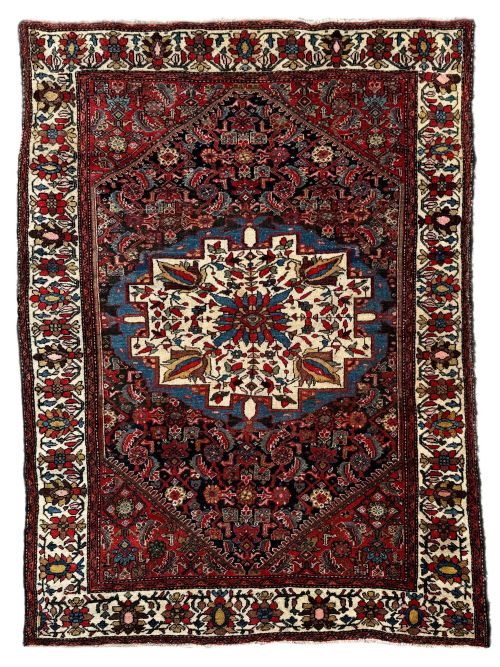


Antique Bidjar Carpet
An antique bidjar carpet brings dense, durable Persian craftsmanship and striking tribal patterns straight into your home.
Antique Bidjar Carpet
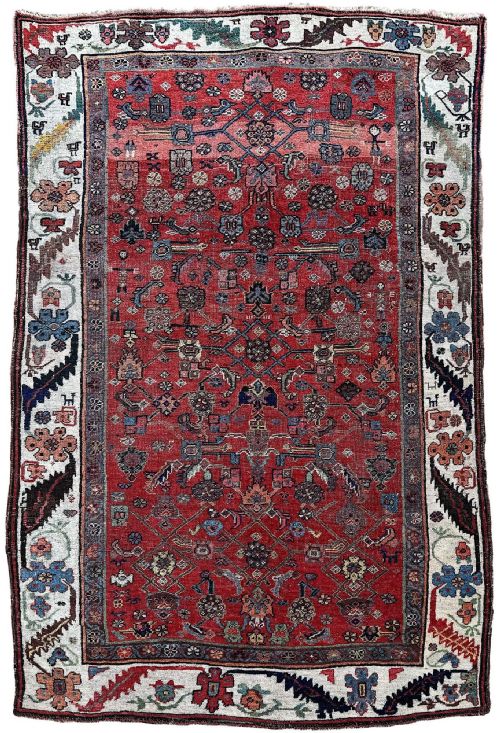
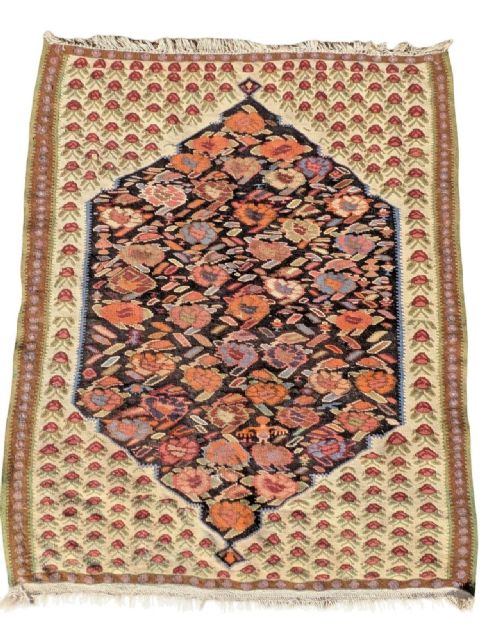
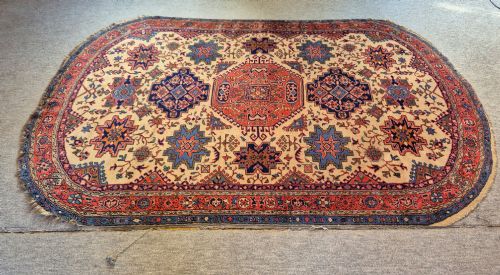
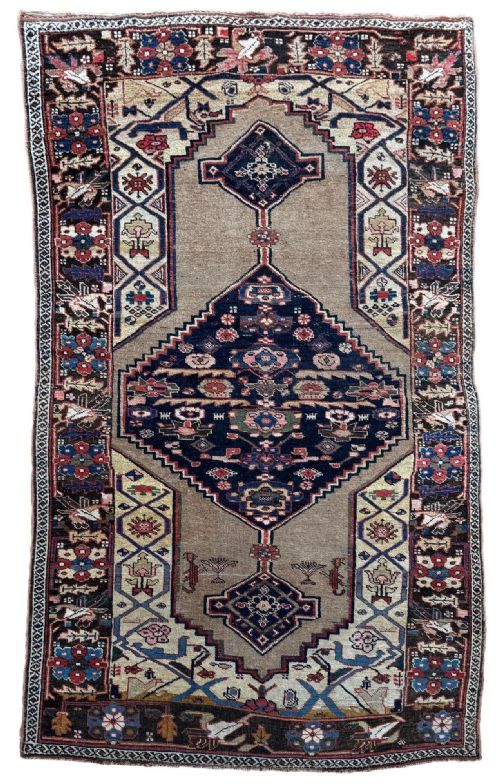
When you search for an antique bidjar carpet, you encounter substantial room-size floor coverings and large rugs originating from Persian Kurdistan. These pieces span from the late nineteenth century into the early twentieth century, carrying distinct regional identities.
The objects on this page include oversized formats, long runners, and smaller area rugs. They reflect Kurdish weaving traditions rooted in the Bidjar region and the broader Garrus district.
Most examples display traditional Persian styles and Kurdish motifs created by skilled tribal makers. Buyers frequently meet formats suited to grand reception spaces as well as substantial domestic interiors.
Materials and construction
These carpets rely on sturdy wool piles set against cotton foundations. The heavy-duty structural approach gives the heavy rugs their famously dense handle and remarkable resilience.
Weavers in the Bidjar region utilised tight knotting techniques, often packing the pile down firmly during construction. This meticulous method results in a rigid, enduring textile designed to withstand generations of heavy use.
Antique Bidjar Carpet Retail Price Guide 2026
Typical asking prices for bidjar carpet among the pieces listed under this phrase on Sellingantiques today, from the lower quarter to the upper quarter. They describe what is for sale here now, not the wider market.
An unexpected lemon ground colour occasionally interrupts traditional palettes, proving even stern Kurdish weavers enjoyed a playful surprise.
Assessing quality and character
Quality in these carpets rests on the precision of the weave and the depth of the wool pile. Finer examples combine exceptionally tight knotting with sophisticated balance in the traditional field designs.
Scale and format also drive distinction, as monumental oversized pieces and long runners require substantial labour and skilled design execution. The presence of unusual ground colours, such as lemon hues, adds distinct character to individual specimens.
The Antique Bidjar Carpet Glossary
- Bidjar
- A town in western Iran and a renowned carpet-producing region in Persian Kurdistan. Weavings from this centre are celebrated for extreme durability and heavy construction.
- Garrus
- A specific district within the Bidjar region known for producing large, distinctive carpets. Pieces originating here often feature bold Herati or medallion patterns.
- Pile
- The upright yarn loops that form the soft upper surface of the carpet. In these pieces, the pile is tightly packed and sheared to create a resilient, dense texture.
- Runner
- A long, narrow carpet format designed for hallways, corridors, or staircases. These elongated rugs maintain the same dense wool construction as larger room-size examples.
Antique Bidjar Carpet: Frequently Asked Questions
Where were antique bidjar carpets made?
These carpets were produced by Kurdish weavers in the town and surrounding region of Bidjar within Persian Kurdistan. The Garrus district also contributed many of the larger room-size examples seen today.
Production flourished throughout the nineteenth and early twentieth centuries, driven by traditional regional techniques handed down through generations.
How do I care for a heavy wool carpet?
Regular gentle vacuuming without a rotating brush helps remove embedded dust from the dense wool pile. Professional rug cleaning suited to antique textiles preserves the integrity of the cotton foundations.
Positioning the carpet away from direct, harsh sunlight prevents uneven fading across the natural dyes. Using an appropriate underlay also protects the heavy structure from wear against hard floors.
What size options are available?
The selection ranges from compact area rugs to massive oversized carpets measuring over five metres in length. Long runners are also common for narrow spaces.
Larger formats suit principal reception rooms and open living spaces, while smaller rugs fit intimate settings.
What styles do these rugs feature?
Most examples display traditional Persian and Kurdish tribal designs, often featuring intricate geometric or floral arrangements. Field patterns commonly incorporate repeating motifs typical of western Iranian workshops.
Colour palettes range from deep traditional tones to unusual highlights like lemon ground shades.