


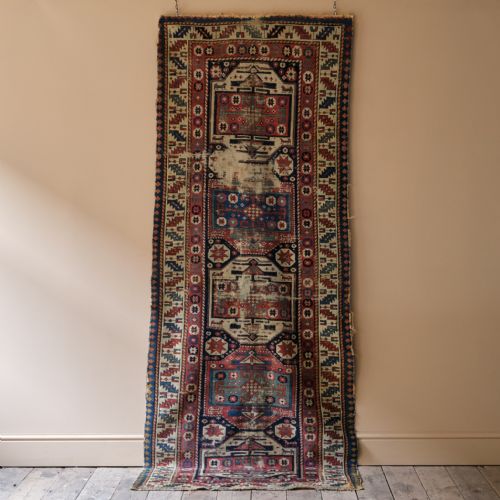
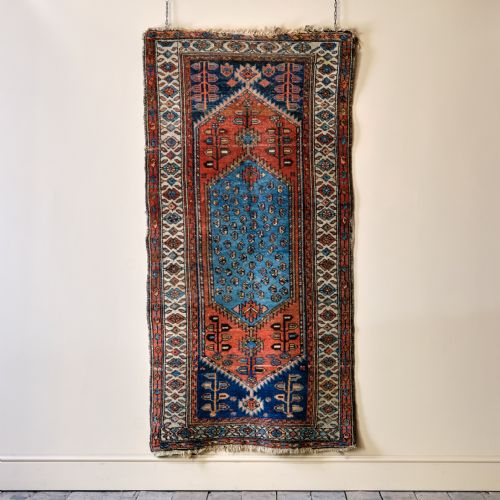


Caucasian Pattern Carpet
A caucasian pattern carpet brings tribal geometry and rich regional history directly into a room.
Caucasian Pattern Carpet
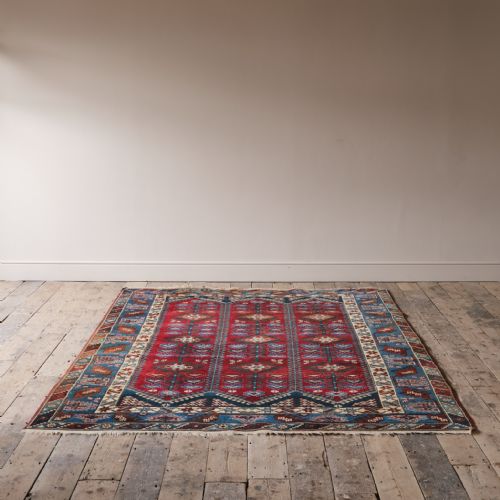
When searching for a caucasian pattern carpet, a buyer encounters woven floor coverings originating from the Caucasus region and surrounding tribal areas. The listings here primarily comprise antique rugs, runners, and flat weave kilims dating from the nineteenth century through to the early twentieth century.
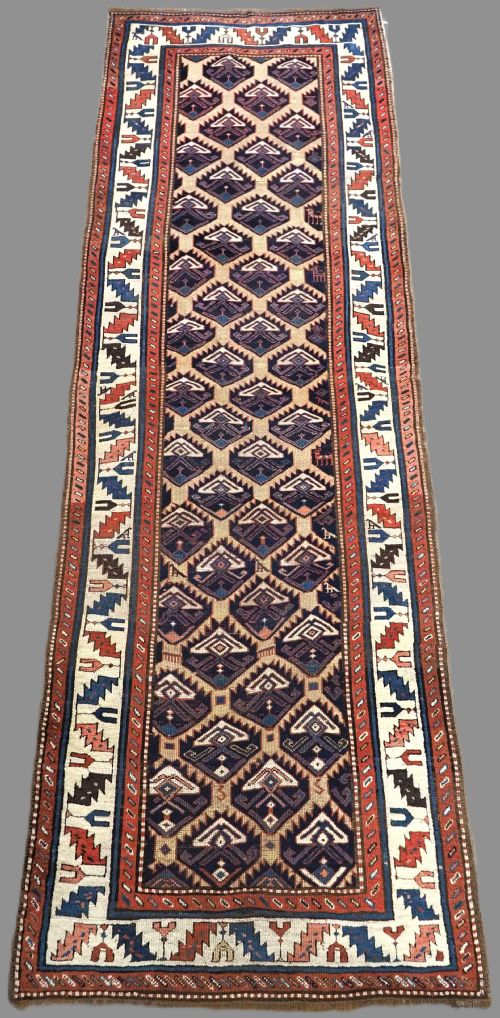
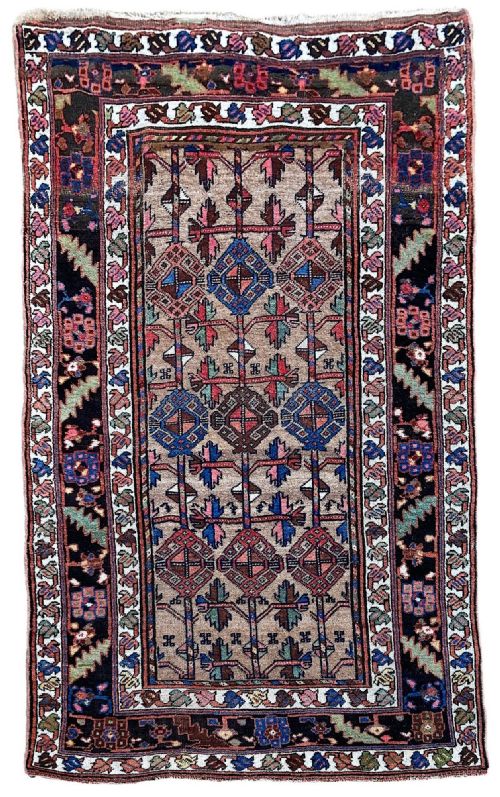
The most common formats found on this page are Kazak, Karabagh, Gendje, and Shirvan pieces, alongside Kurdish and Karaja examples. These items vary from room-sized carpets down to long, narrow hallway runners and small prayer rugs.
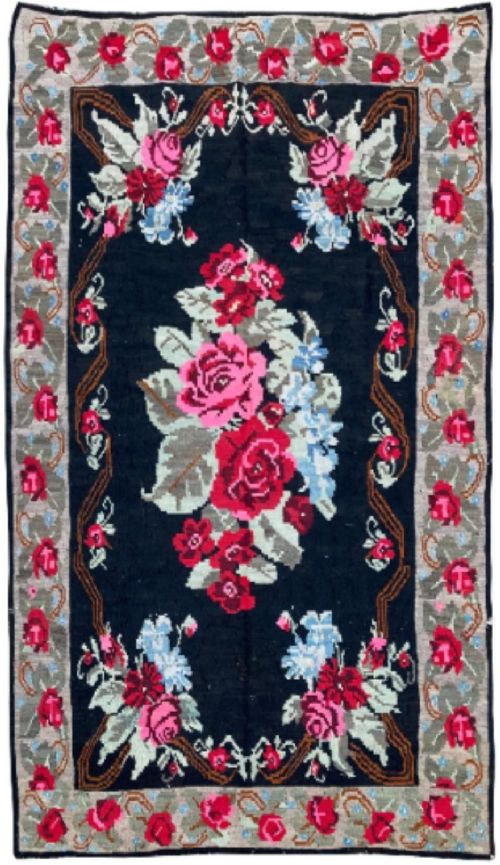
Motive designs frequently incorporate geometric medallions, diagonal boteh motifs, lattice patterns, and stylized animal or floral forms. Each piece reflects the distinct nomadic and village traditions of its specific weaving origin.
How they were made
The pieces listed on this page rely heavily on wool and hand-spun wool, often paired with cotton foundations for structural stability. Weavers utilised natural dyes to achieve deep colour palettes that age gracefully over decades of use.
Construction methods involve traditional hand-knotted pile techniques as well as flat weave processes seen in kilims. This handmade construction results in durable textiles designed for practical daily application.
Keep an eye out for hidden peacocks and stray animals woven quietly into the geometric fields.
What varies in quality
Quality in these carpets rests upon the precision of the knotting, the handling of the wool, and the clarity of the design motifs. Finer examples display tight, even structures that allow intricate geometric lines and lattice patterns to remain sharp.
The depth and vibrancy of the natural dyes significantly influence the appeal of a piece. Subtle shifts in shade resulting from hand-spun materials and natural dyeing processes elevate the character of superior examples.
The Caucasian Pattern Carpet Glossary
- Kazak
- A type of Caucasian rug known for bold geometric designs and bright primary colours. These pieces originate from the western Caucasus.
- Boteh
- A recurring teardrop or pine-cone motif representing a floral sprout or cypress tree. This pattern appears frequently in Caucasian and Persian weaving.
- Kilim
- A flat-woven carpet or rug produced without a pile. These textiles are lighter and often feature sharp geometric slit-weave patterns.
- Runner
- A long, narrow carpet format designed specifically for hallways and corridors. They accommodate confined spaces while displaying repeated regional motifs.
- Prayer rug
- A small rug featuring a mihrab or niche design, traditionally used for individual prayer. Examples often incorporate small boteh or floral lattice details.
Caucasian Pattern Carpet: Frequently Asked Questions
How do I identify a Kazak rug?
Kazak rugs are typically recognised by their bold geometric medallions, primary colour palettes, and sturdy wool pile.
They originate from the Caucasus region and exhibit a heavier, coarser weave than finer Persian city carpets.
Where were these carpets originally woven?
These textiles were woven by tribal and village communities across the Caucasus, including areas such as Karabagh, Shirvan, and Dagestan.
Neighbouring Kurdish and Persian border regions also produced pieces sharing similar design characteristics.
How should I care for an antique wool rug?
Antique wool rugs require gentle vacuuming without a rotating brush to protect the hand-knotted pile and natural fibres.
Professional cleaning suited for antique textiles helps preserve the natural dyes and structural integrity over time.
What is a flat weave kilim?
A kilim is constructed using a flat-weaving technique rather than knotting pile yarn onto a warp foundation.
This method produces a lighter, reversible textile ideal for layering on floors or hanging as a wall decoration.