

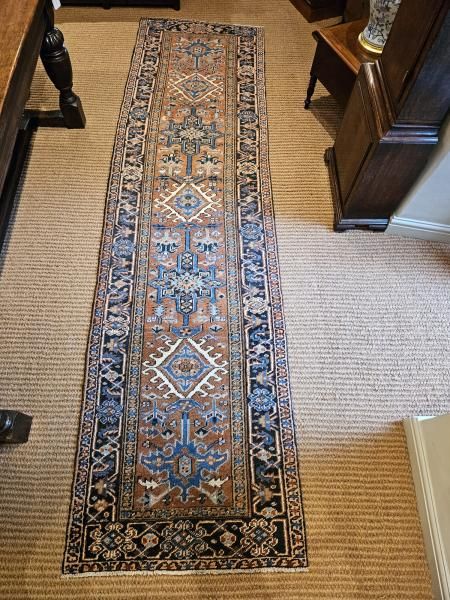
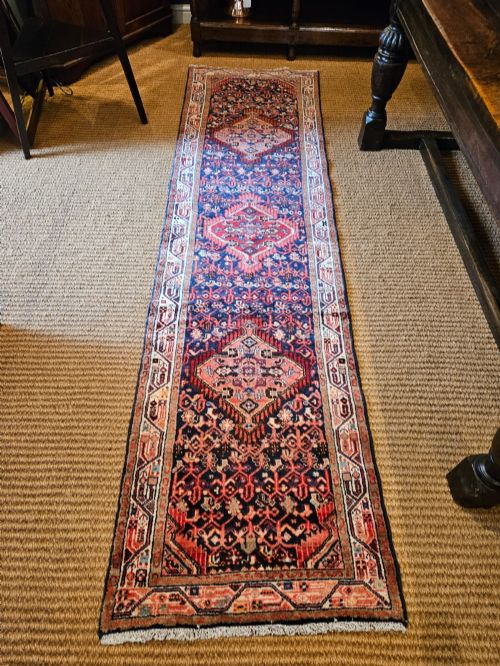
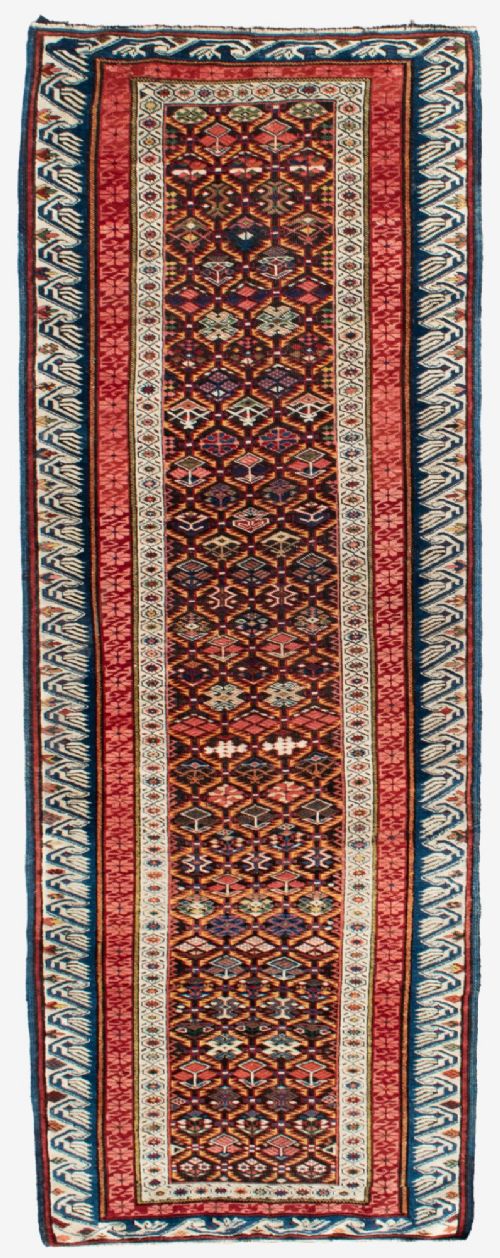
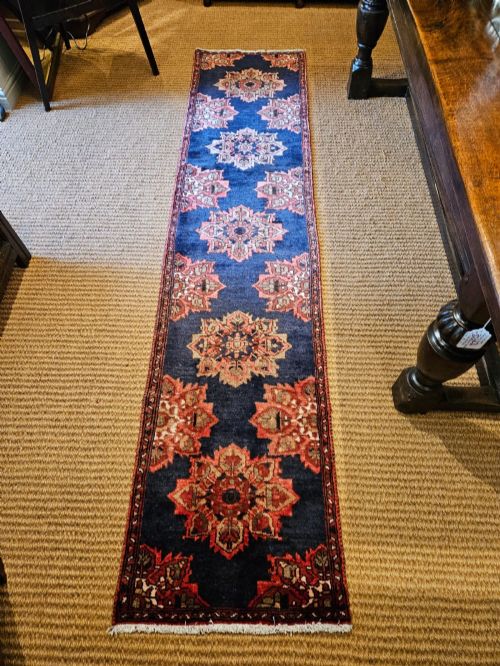

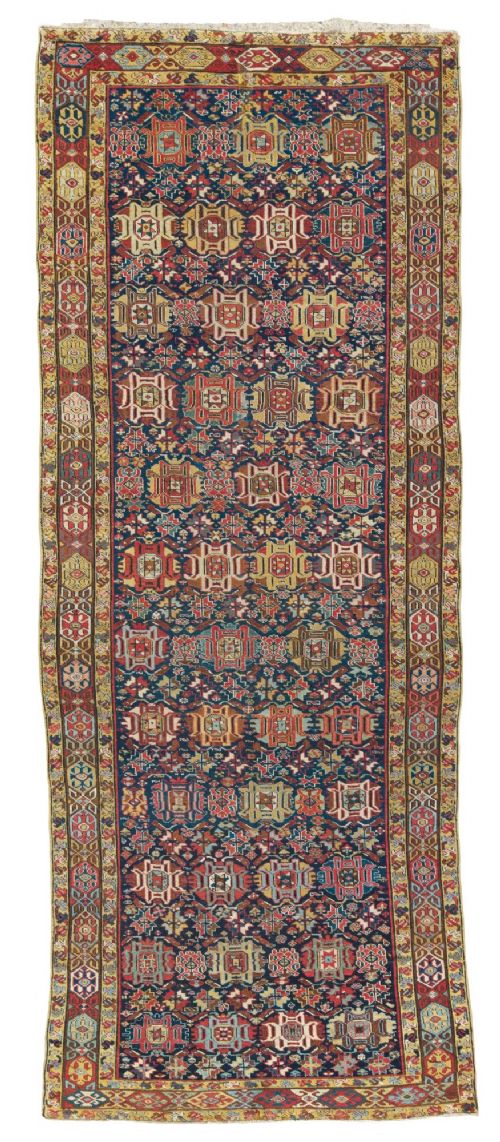
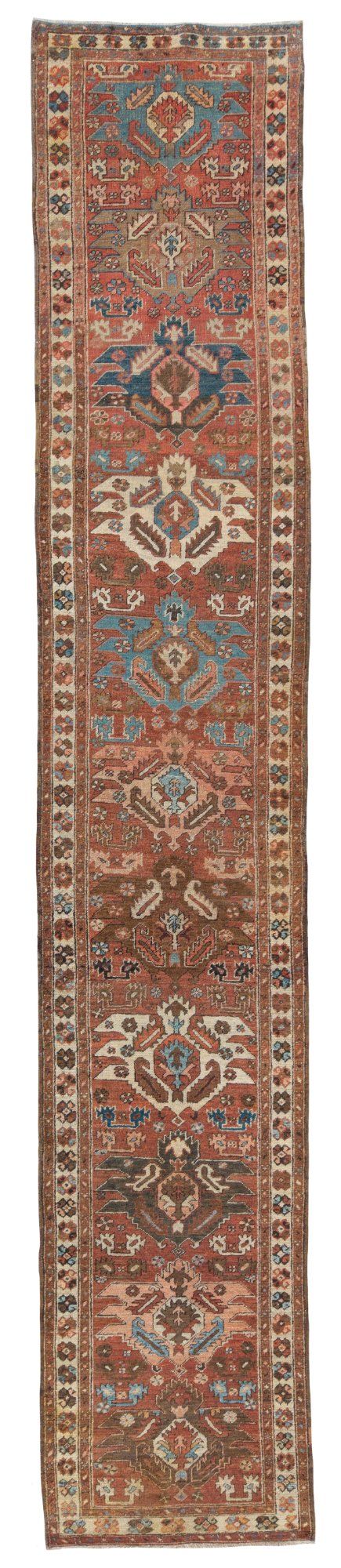
Blue Wool Corridor Rug
A blue wool corridor rug brings linear warmth and historic pattern to narrow spaces through durable floor coverings.
Blue Wool Corridor Rug
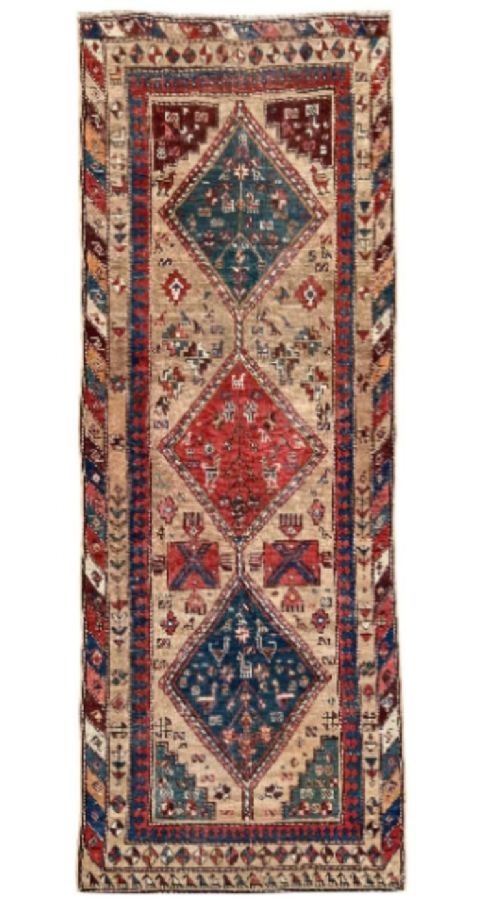
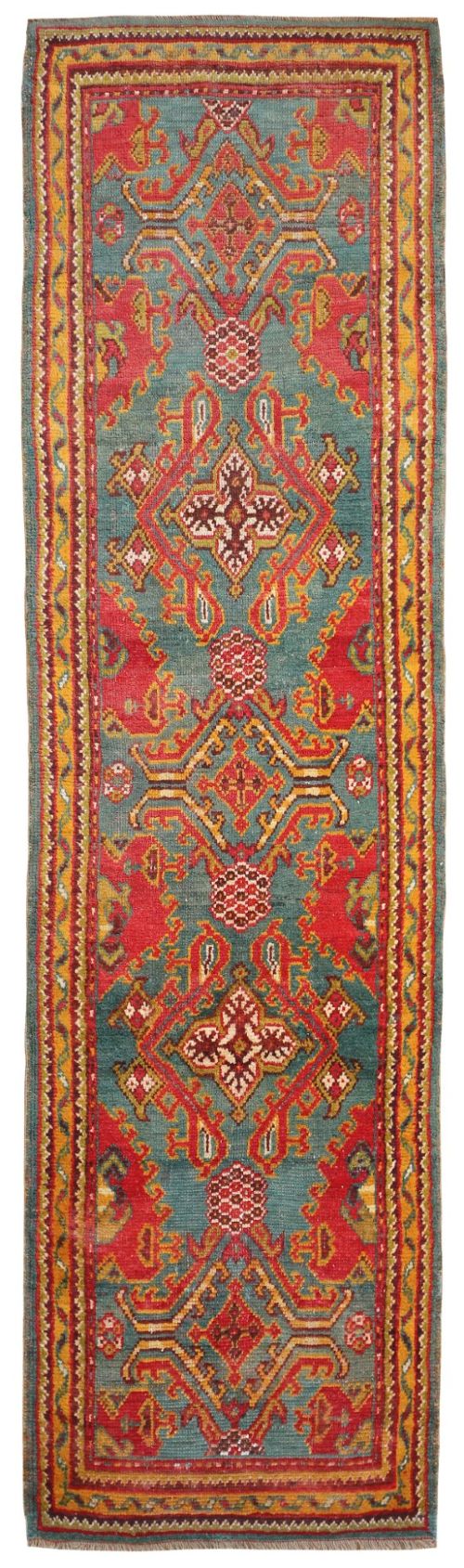
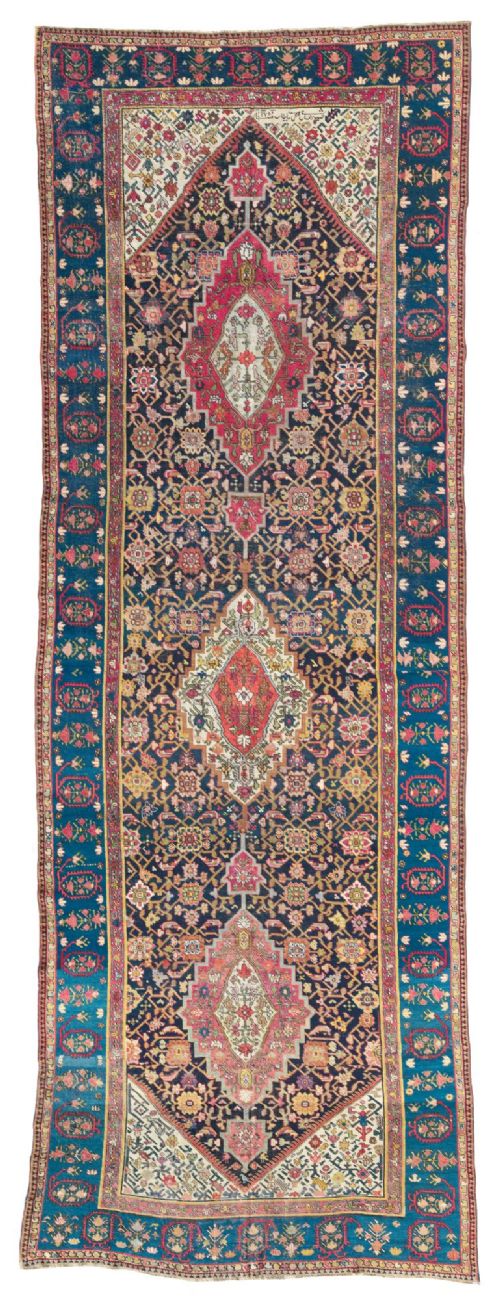
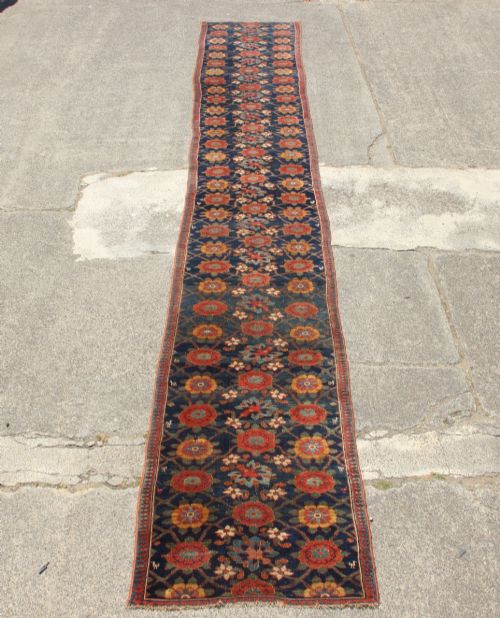
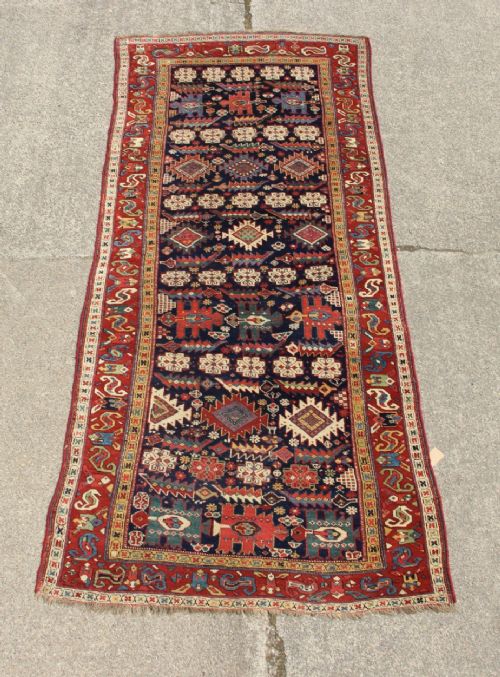
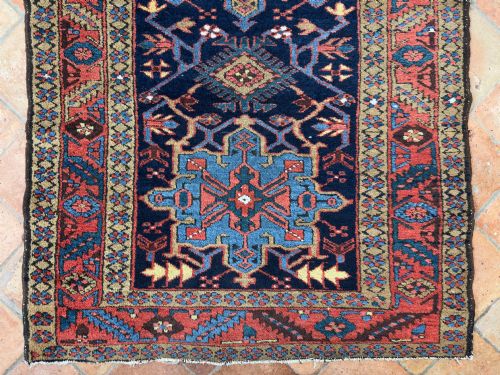
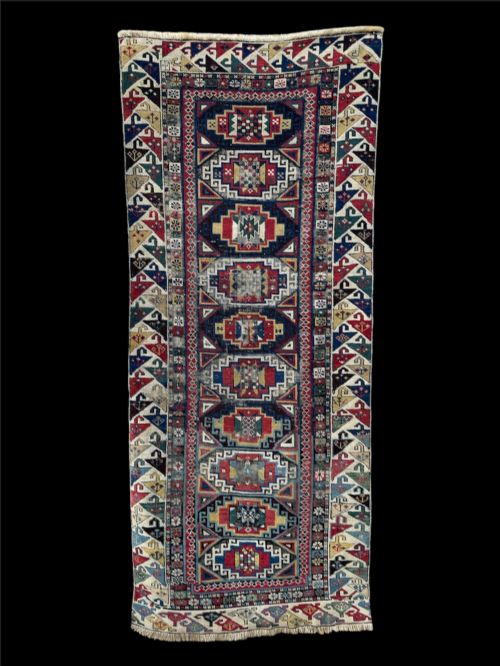
A blue wool corridor rug is an elongated textile designed specifically for hallways, passages, and long rooms. These pieces originate from various weaving traditions including Persian Heriz, Caucasian, and Kurdish tribal workshops, spanning the nineteenth and early twentieth centuries.
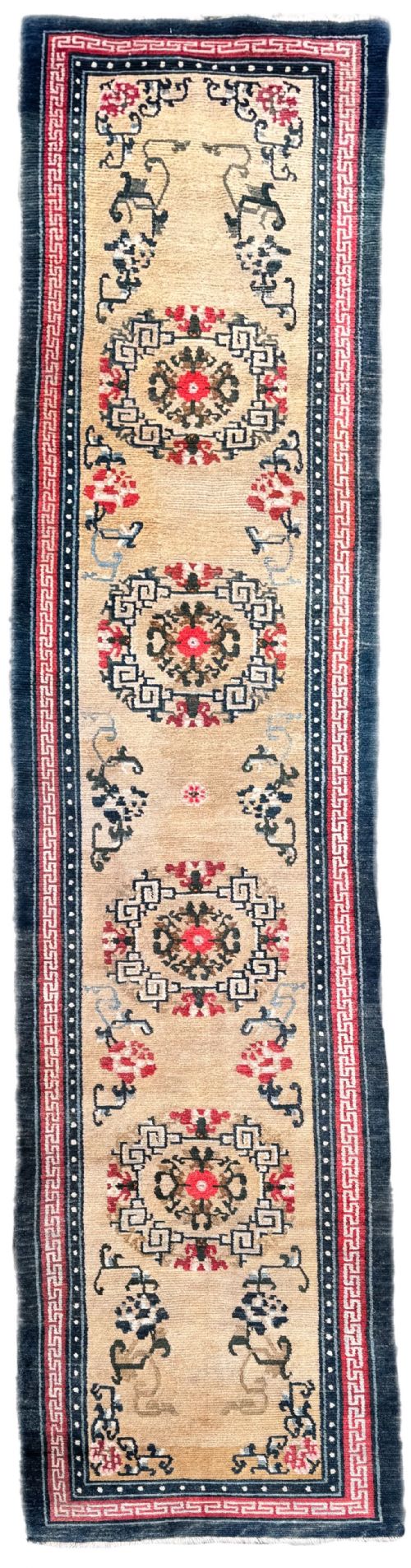
Buyers encounter long formats such as runner rugs, hallway runners, and kelleh carpets. These items function to soften foot traffic in narrow architectural spaces while displaying traditional geometric or floral designs.
What varies in quality
The fineness of the knotting and the density of the wool foundation determine the durability and crispness of the pattern. Tighter knots produce clearer geometric and floral motifs that withstand centuries of corridor footfall.
The integrity of the original wool pile and the natural dyes dictate the visual depth of the piece. Uniform wear and well-preserved structural edges separate high-grade examples from heavily restored or fragmented runners.
Object forms on this page include narrow runners, kelleh carpets, and fragmentary corridor pieces from village workshops.
The Blue Wool Corridor Rug Glossary
- Runner
- A long, narrow carpet format designed for hallways, corridors, and stairs. These pieces guide movement through domestic spaces.
- Kelleh
- A large, room-size or extended corridor carpet format that is broader than a standard runner. These rectangular textiles served specific placement requirements in traditional Persian interiors.
- Warp
- The stationary vertical threads stretched onto a loom that form the structural foundation of the rug. Weavers knot the pile wool around these parallel strands.
- Weft
- The horizontal threads passed back and forth across the warp threads to lock the knots in place. This technique secures the structural integrity of the woven textile.
- Boteh
- A traditional almond-shaped or paisley motif representing a floral spray or cypress tree. This ancient symbol appears frequently in Caucasian and Persian textile designs.
Blue Wool Corridor Rug: Frequently Asked Questions
Where should I place a corridor runner?
These elongated rugs fit naturally in narrow hallways, entrance corridors, and alongside long furniture arrangements. Their dimensions suit areas with heavy directional foot traffic.
They add warmth and historic character to transitional spaces that otherwise feature bare floorboards or plain tiles.
How do I care for an antique wool rug?
Vacuum the rug gently using a suction-only attachment without rotating bristle brushes. This prevents fibre distortion while removing grit from the pile.
Professional specialist cleaning is recommended for antique wool textiles to protect the natural dyes and hand-spun materials.
How do I determine the age of a runner?
Age is identified through structural materials, knot density, and regional weaving characteristics recorded from the nineteenth and early twentieth centuries. Hand-spun wool and specific vegetable dye palettes offer clues to the period of origin.
Comparative analysis of traditional motifs helps place pieces within eras such as the 1890s or 1900s.