
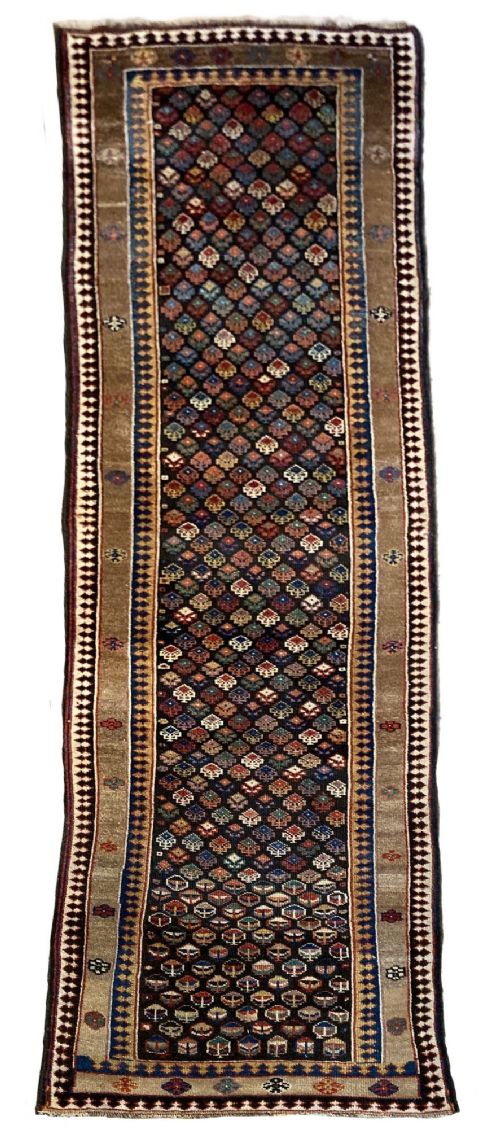


Long Narrow Runner
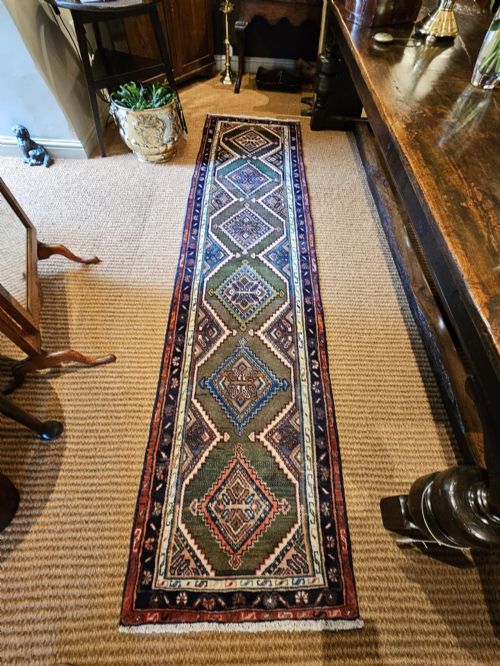
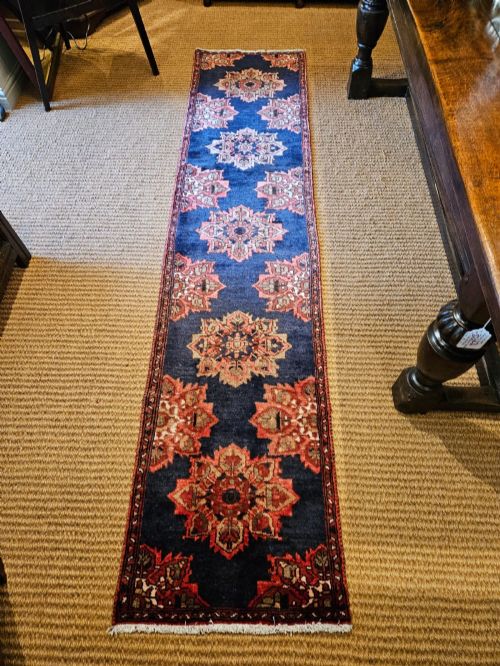
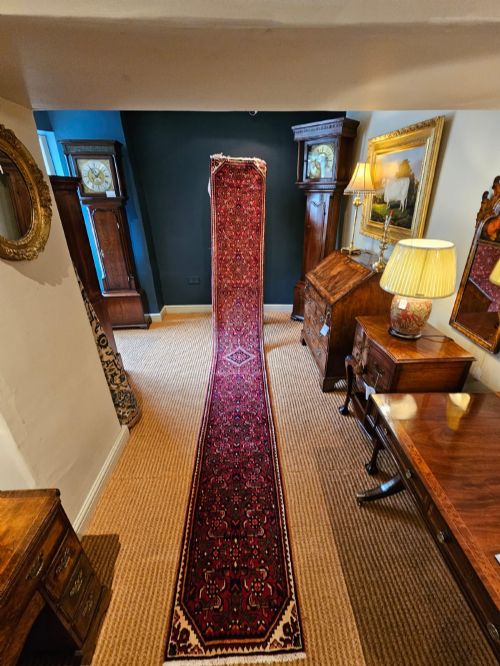
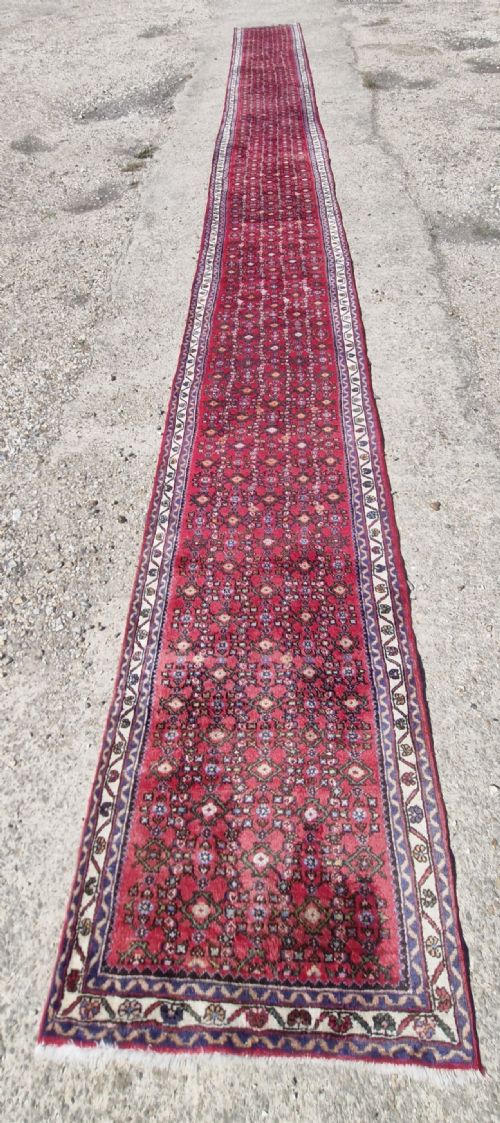
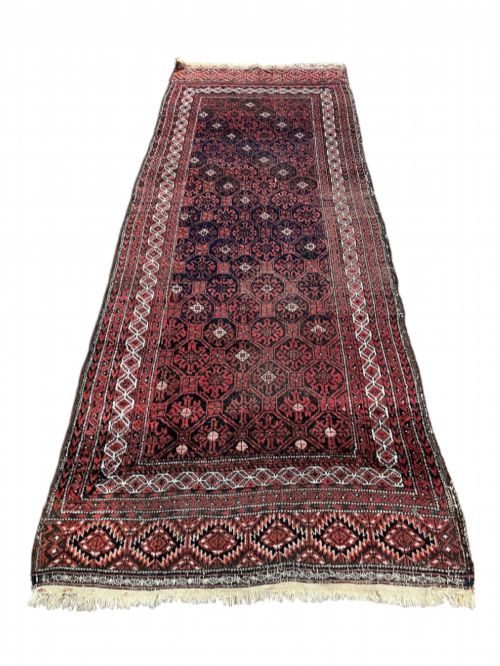
A long narrow runner brings proportion and character to a hallway or landing, drawing the eye along the length of a room.
Long Narrow Runner
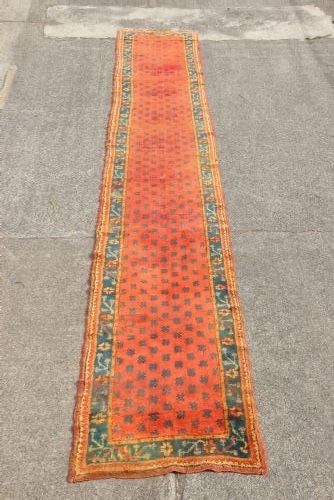
A long narrow runner is a textile floor covering designed specifically for hallways, corridors, and landings where standard proportions fail. These pieces typically measure substantial lengths while maintaining a narrow width to fit restricted corridor spaces.
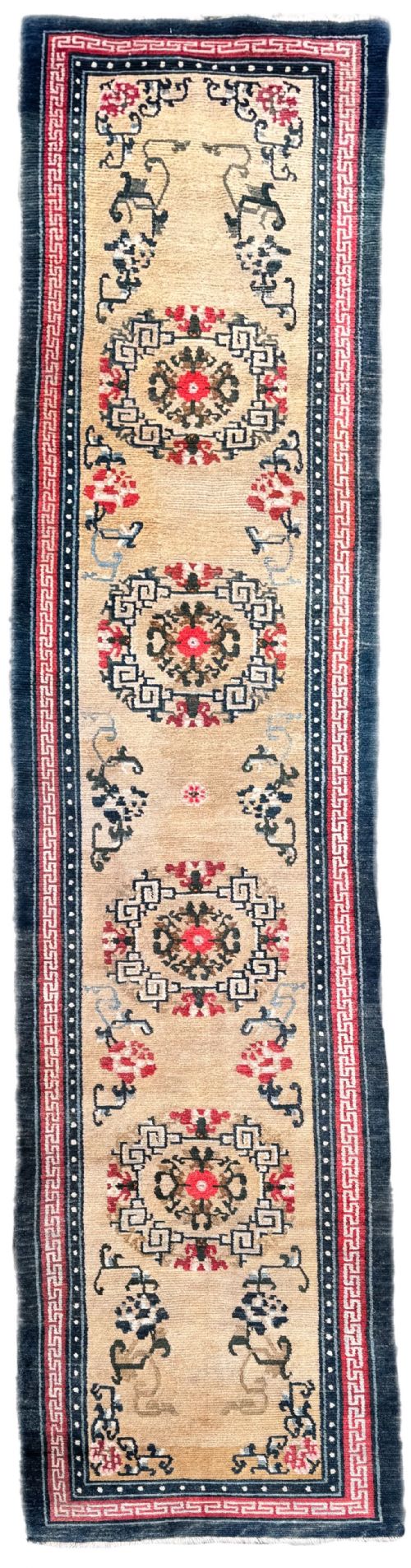
The selections found here draw from traditional weaving regions including Persia, Turkey, the Caucasus, and North Africa. Pieces range from nineteenth-century village weaves to twentieth-century workshop productions.
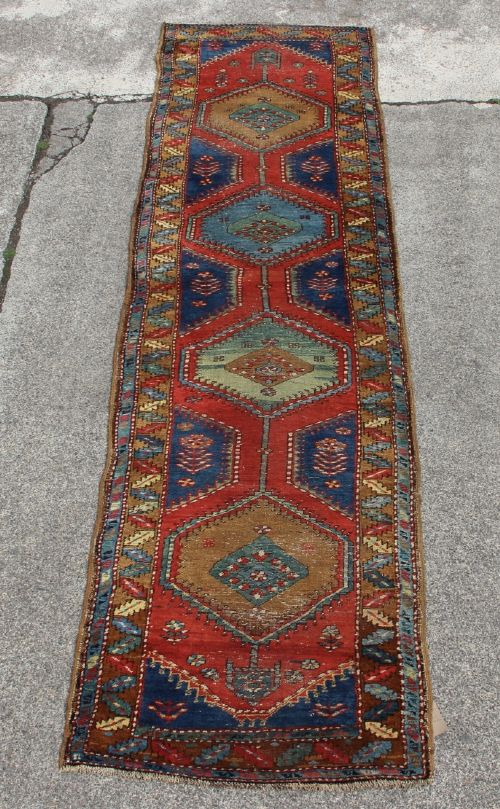
Originating from tribal communities and town workshops alike, these carpets utilise regional motifs passed down through generations. A buyer encounters formats originating from Heriz, Hamadan, Kurdish, and Turkish looms among the current selection.
How They Were Made
Construction relies primarily on hand-spun wool knotted onto wool or cotton foundations, yielding a dense pile designed for heavy foot traffic. Certain examples utilise camel hair for natural undyed tones within the design composition.
Flatwoven variants such as kilims employ a tapestry technique without pile, creating a flat, durable surface. Natural dyes derived from local plants and minerals provide the palette seen across the nineteenth and early twentieth-century examples.
Certain antique village runners surprise observers with whimsical depictions of local wildlife woven directly into the geometric borders.
What Varies in Quality
Quality rests in the precision of the knotting, the integrity of the foundation threads, and the stability of the wool pile. Tighter knot counts generally indicate greater workshop skill and allow for finer geometric or floral detail.
The harmony and saturation of the dyes distinguish superior examples, particularly where natural colour variation creates depth across the field. Edge binding and the preservation of original end finishes also influence the standing of an individual runner.
Heriz weavers·Hamadan workshops·Kurdish tribal weavers·Sarouk weavers·Shirvan workshops
The Long Narrow Runner Glossary
- Kilim
- A flatwoven carpet or runner produced without a pile by tightly interweaving warp and weft threads. This technique results in a lightweight, reversible textile often featuring sharp geometric patterns.
- Warp
- The vertical foundation threads stretched tightly on the loom before knotting begins. These longitudinal threads carry the structural tension of the runner.
- Weft
- The horizontal threads passed alternately over and under the warp threads to lock the knots in place. Together with the warp, they form the sturdy grid of the carpet backing.
- Pile
- The upright cut ends of the yarn that form the usable surface of the runner. The height and density of this layer determine the tactile feel underfoot.
Long Narrow Runner: Frequently Asked Questions
Where should I place a long narrow runner?
These runners suit transitional spaces such as hallways, corridors, staircases, and narrow landings. Their elongated format bridges rooms while protecting wooden or tiled flooring in high-traffic zones.
Ensure you measure the clear floor space between skirting boards or stairs before selecting a length. Leaving a uniform margin of exposed floor on all sides enhances the visual balance of the corridor.
How do I care for an antique wool runner?
Regular gentle vacuuming without a rotating brush roll prevents dust and grit from settling deep into the wool pile. Professional cleaning by a specialist in antique textiles maintains the integrity of the natural dyes.
Rotate the runner periodically to ensure even wear patterns from foot traffic over the years. Using a quality underlay prevents slipping and cushions the foundation fibres against hard floors.
Are these runners made with natural dyes?
Nineteenth and early twentieth-century pieces frequently employ natural dye stuffs sourced from local plants, roots, and minerals. These materials yield complex, rich tones that mellow gracefully over decades of light exposure.
Subtle variations in colour within a single field often indicate the use of traditional dyeing methods in regional workshops. This variation contributes to the visual depth valued by collectors of older village textiles.
How do I distinguish regional Persian runner styles?
Regional attribution relies on specific structural characteristics, colour palettes, and repeating geometric or floral motifs. Heriz pieces often display bold rectilinear medallions, whereas Hamadan and Kurdish examples frequently feature denser all-over patterns.
Examining the weave structure, selvage finish, and foundation materials helps identify the specific weaving tradition. Each producing area developed a distinct visual vocabulary tied to its local culture and materials.