




Tribal Wool Floor Runner
A tribal wool floor runner brings rich character and genuine village craftsmanship to hallways and narrow spaces.
Tribal Wool Floor Runner
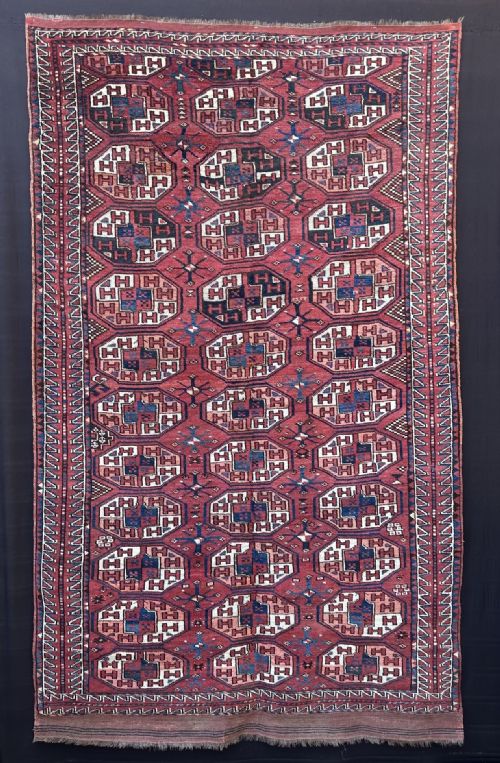
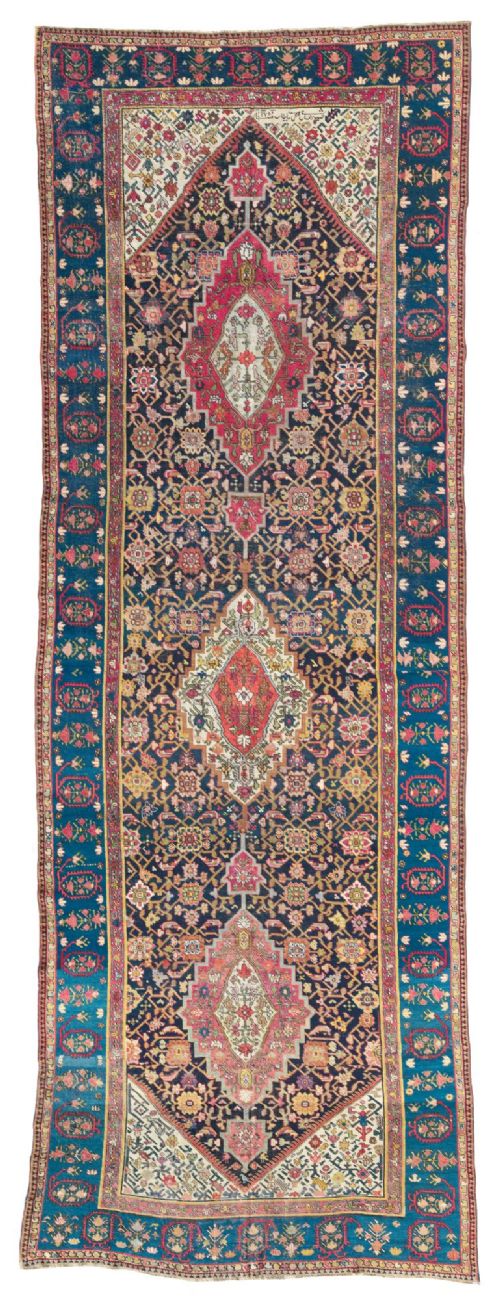
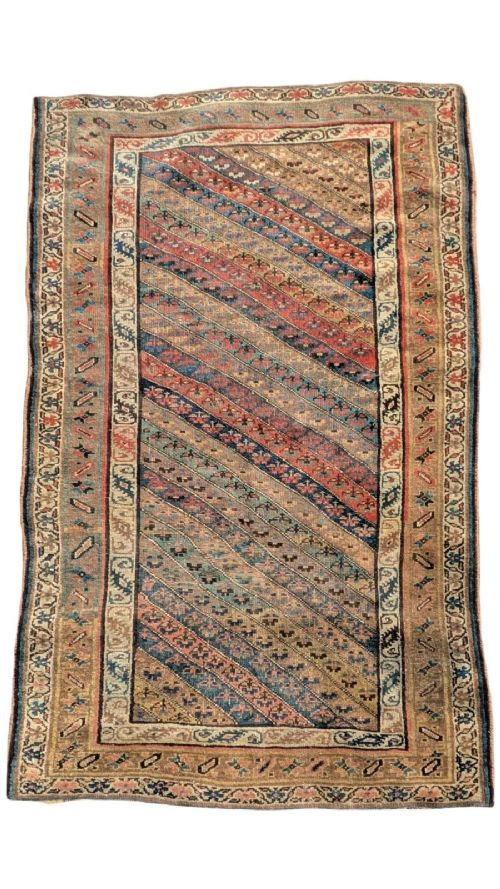
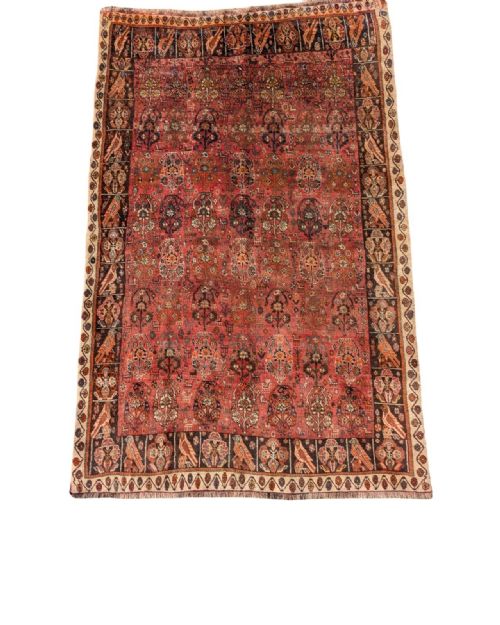
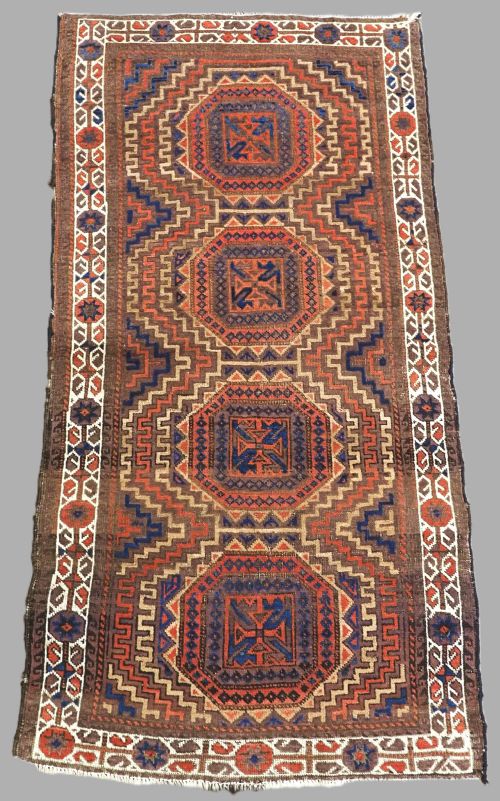
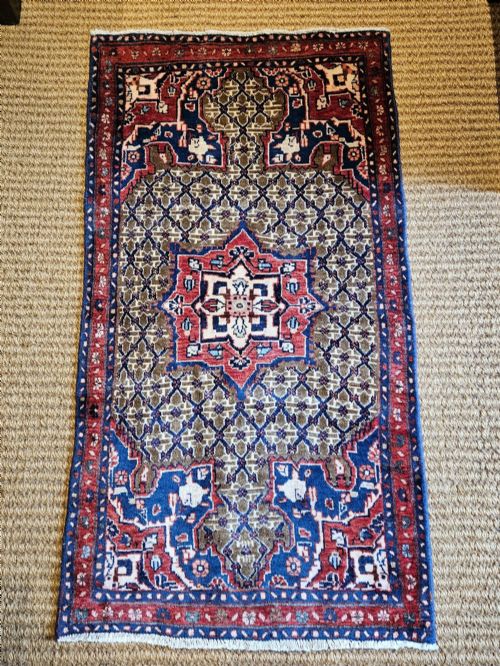
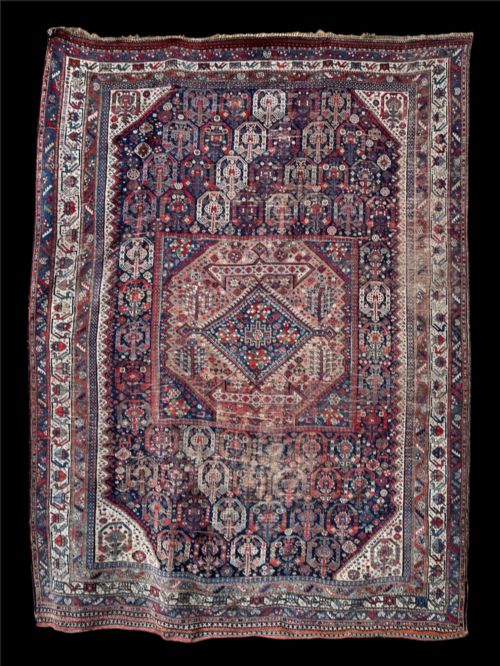
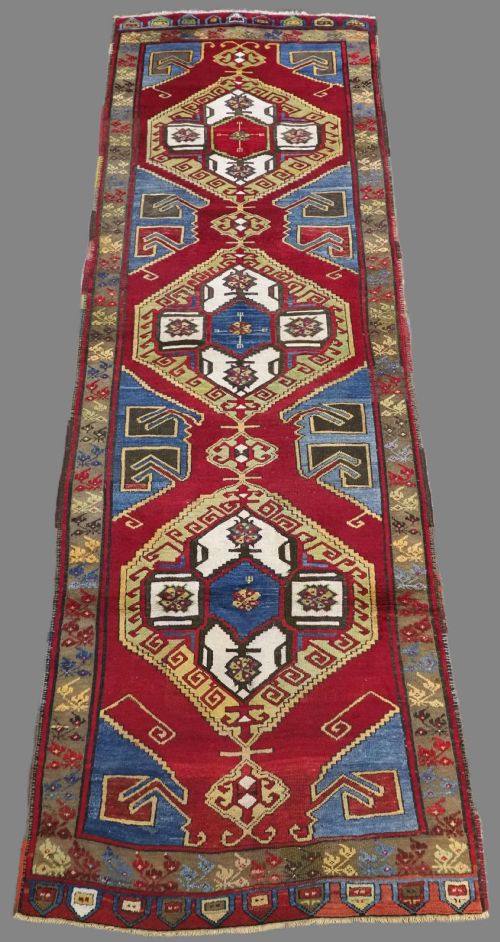
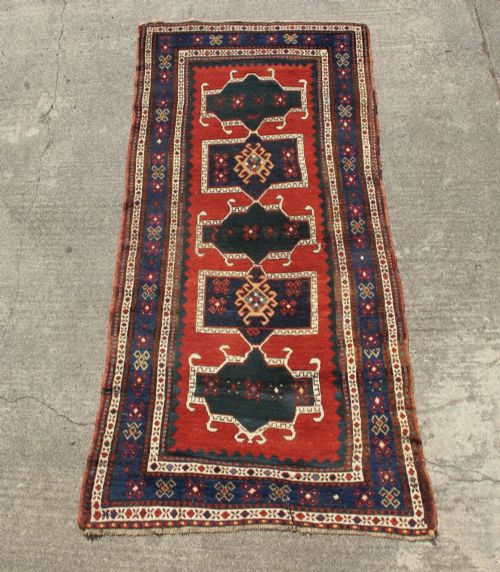
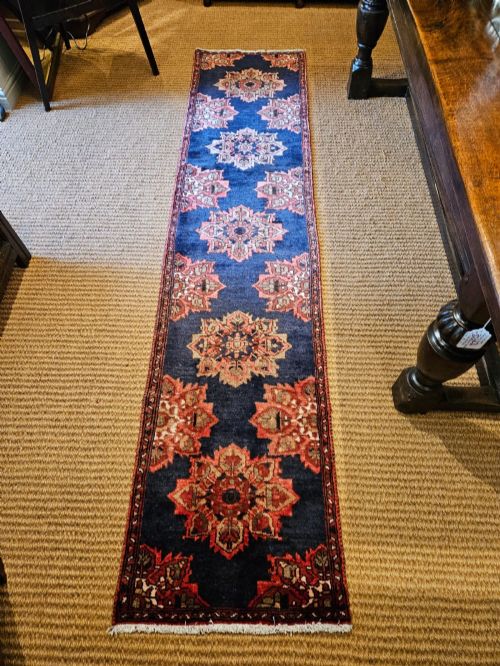
A tribal wool floor runner is a long, narrow textile woven by nomadic or village weavers, designed to handle heavy foot traffic in corridors and halls. These pieces originate primarily from Persian and Caucasian regions, spanning the nineteenth and early twentieth centuries. When searching for a tribal wool floor runner, buyers encounter formats like hallway runners and long kelim or carpet formats produced by tribes such as the Kurdish, Kazak, and Afshar.
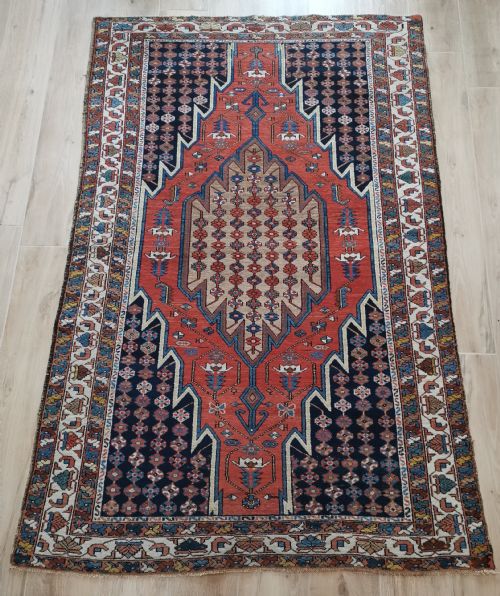
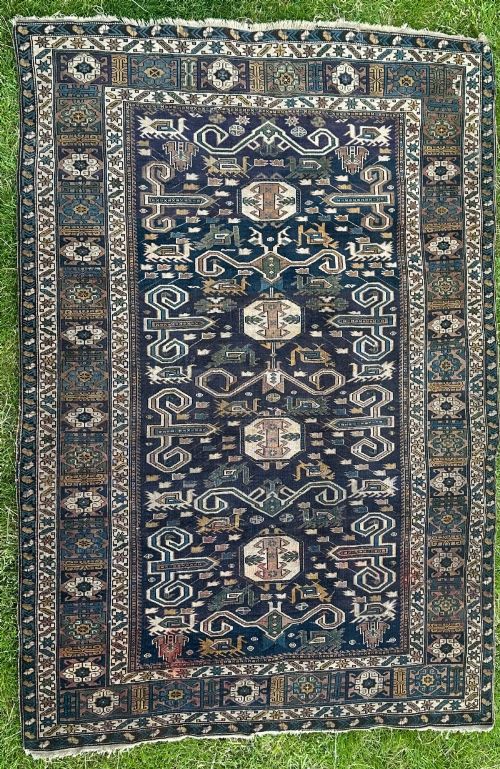
The aesthetic relies on geometric motifs, medallions, and tribal symbols woven from memory rather than rigid blueprint designs. Pieces range from compact hearth-sized rugs to extended lengths suited for period properties and contemporary spaces alike. Each item carries the distinct visual language of its maker and origin.
Village and nomadic pieces carry an immediacy that urban workshops rarely replicate, showing minor irregularities in line and symmetry. This category bridges practical floor covering and folk art, offering durable utility combined with historical depth.
How they were made
The construction relies on hand-spun wool for the pile, providing resilience and a rich tactile surface underfoot. Cotton foundation threads often supply structural stability for the warp and weft.
Weavers utilised natural dyes derived from plants and minerals, creating colours that soften gracefully over decades of light and use. Hand-knotting techniques secure the pile firmly to the foundational grid.
Tribal Wool Floor Runner Retail Price Guide 2026
Typical asking prices for tribal wool floor runner among the pieces listed under this phrase on Sellingantiques today, from the lower quarter to the upper quarter. They describe what is for sale here now, not the wider market.
Listings span multiple decades from the late nineteenth century through the 1930s, featuring wool, cotton, and natural dye materials.
What varies in quality
Knot density and structural tightness determine the foundational durability of the runner, dictating how well the pile withstands sustained pressure in a hallway. Higher knot counts generally allow for sharper definition within geometric medallions and intricate borders.
The purity and depth of the natural dyes separate standard village pieces from exceptional examples, as rich colour saturation gives the wool its luminosity. Well-preserved pile height across the entire length indicates careful historical maintenance.
The Tribal Wool Floor Runner Glossary
- Runner
- A long, narrow carpet format specifically suited for hallways, corridors, and stairs. These pieces guide movement through domestic spaces.
- Gul
- An octagonal medallion motif frequently repeated across tribal carpets and rugs. It often serves as a tribal identifier for specific groups.
- Warp
- The stationary vertical foundation threads stretched lengthwise on the loom. Wefts are passed horizontally through these threads to secure the knots.
- Natural Dyes
- Colourants extracted from organic sources such as plants, roots, and insects prior to the introduction of synthetic aniline dyes. They age with distinct tonal variation.
Tribal Wool Floor Runner: Frequently Asked Questions
Where should I place a runner?
These long textiles work best in high-traffic transitional zones such as hallways, corridors, and entrance passages. They protect wooden flooring while adding warmth and architectural focus to narrow areas.
Ensure you use a suitable underlay beneath the textile to prevent sliding and reduce pile wear on hard floors.
How do I clean old wool runners?
Gentle surface cleaning and regular cautious vacuuming without the rotating brush bar help maintain the wool pile. Professional specialist cleaning is recommended for deep maintenance to protect natural dyes.
Avoid excessive moisture and harsh chemical detergents, which can damage the delicate hand-spun wool fibres and alter the dye colours.
Are these runners durable for hallways?
Traditional village textiles were built for daily domestic use by nomadic and farming communities. The combination of dense wool pile and sturdy foundation construction provides natural resilience.
Placing a quality grip underlay underneath distributes foot pressure evenly and extends the active lifespan of the textile.
How do I identify tribal designs?
Tribal designs typically feature repeating geometric motifs, stepped polygons, and stylized animal or plant forms rather than precise floral curves. These patterns reflect regional tribal traditions passed down through generations.
Examining the specific structure, colour palette, and border arrangements helps connect a piece to regions like the Caucasus or Persia.