


Luri Rug Runner
A luri rug runner brings the bold, geometric energy of Western Persia into a hallway, woven by tribal makers using hand-spun wool and natural dyes.
Luri Rug Runner
A luri rug runner represents the weaving traditions of the Lur and Luri-Bakhtiari tribes of western Persia, specifically originating from regions such as Luristan and the Chahar Mahal. These pieces take the form of elongated carpets and narrow runners designed to traverse corridors and living spaces with durable tribal patterns.
The selections available here span from the nineteenth century through to the early decades of the twentieth century, specifically including dates around 1880, 1890, 1900, 1920, and 1930. Buyers encounter formats described as long rugs, narrow runners, kelleh carpets, and even specialised bread sofreh textiles.
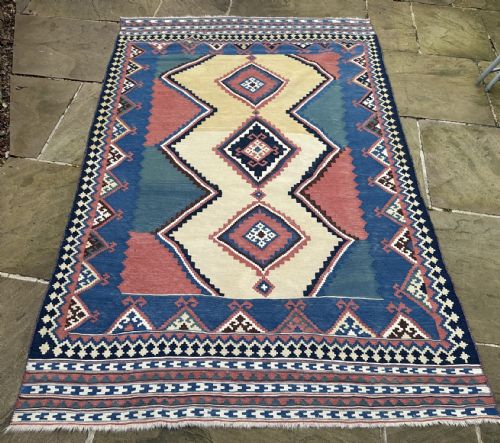
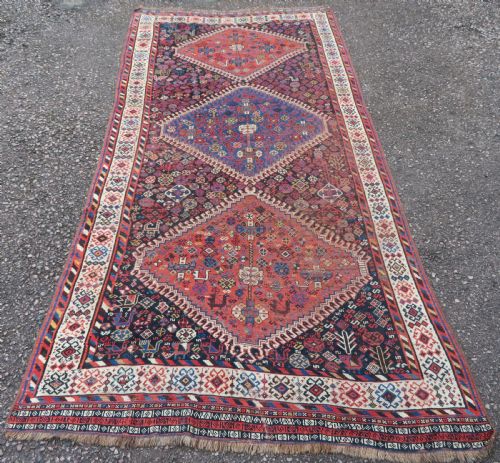
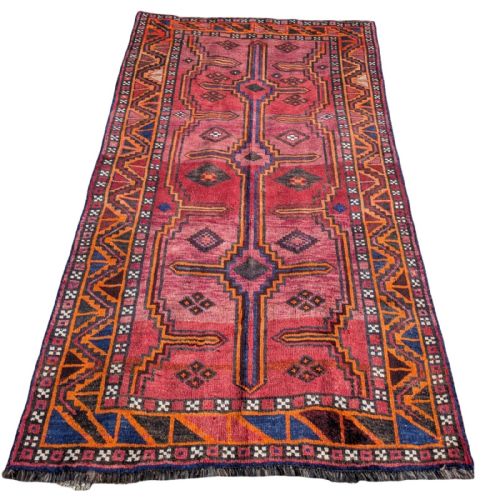
Stylistically, these floor coverings fall under Persian Tribal and Luri Tribal designations, often bearing close decorative ties to Qashqai and Khamseh work. The motifs range from repeating shield designs to pictorial tree of life compositions populated by flowers and birds.
Materials and construction
Every piece relies entirely on wool as the foundational medium for both pile and structural foundation. Artisans utilised hand-spun wool, imparting an irregular texture and tactile warmth that machine-made alternatives cannot replicate.
Colour comes from natural dyes derived from botanical and mineral sources, giving these floor coverings their characteristic earthy tones. The weaving technique is hand-woven throughout, executed on traditional nomadic vertical or horizontal looms by tribal makers.
Listings feature pieces dated across the nineteenth century, 1880, 1890, 1900, 1920, and 1930, all constructed from hand-spun wool and natural dyes.
Evaluating quality and merit
The standard of a luri rug runner depends heavily on the crispness of the tribal design and the handling of the natural dyes. Superior examples exhibit vibrant colour saturation and balanced proportions within narrow formats.
Finer weaving density and the complexity of pictorial elements, such as detailed birds and floral motifs, elevate certain carpets above simpler geometric field repeats. The integrity of the hand-spun wool pile and the originality of the tribal aesthetic determine distinction.
The Luri Rug Runner Glossary
- Runner
- A long, narrow format of carpet intended primarily for corridors, hallways, and staircases. This shape accommodates confined spaces while displaying tribal motifs.
- Kelleh
- A Persian carpet format that is longer than a standard room-size rug but wider than a corridor runner. These medium proportions suit specific hearth or gallery spaces.
- Sofreh
- A flatwoven or piled textile utilised traditionally for culinary purposes, such as serving bread or processing dough. In nomadic households, these cloths double as decorative tribal art.
- Natural Dyes
- Colourants extracted from plants, roots, and minerals prior to the widespread adoption of synthetic aniline dyes. These pigments age gracefully with exposure to light and wear.
Luri Rug Runner: Frequently Asked Questions
Where were these runners made?
These textiles originate from the mountainous regions of western Persia, specifically associated with the Lur and Luri-Bakhtiari tribes of Luristan and the Chahar Mahal district.
Nomadic and village weavers produced these floor coverings on portable or stationary looms, incorporating local motifs and traditional hand-spun materials.
How do I style a tribal runner?
A narrow runner works effectively in long hallways, entryways, or alongside galley kitchens where linear floor coverings soften hard flooring. The geometric patterns provide a strong visual anchor against neutral floorboards.
Pair these pieces with simple interior surroundings to let the natural dyes and tribal iconography stand out as focal points.
How do I date a luri rug?
Dating relies on examining the saturation of the natural dyes, the irregularities in the hand-spun wool, and structural characteristics typical of nineteenth and early twentieth-century weaving. Pieces from the eighteen-eighties through to nineteen-thirty often display distinct tribal palettes and specific knotting styles.
Comparing design elements like shield repeats or tree of life compositions helps contextualise the era of production.
What is a bread sofreh?
A bread sofreh is a specialised tribal textile used historically by nomadic families for domestic food preparation and dining rituals. These cloths often feature unique field arrangements distinct from standard floor carpets.
Collectors value them for their functional heritage and the ingenuity of their tribal designs.