



Dark Indigo Rug
A dark indigo rug brings deep, moody shades and nomadic tradition straight to your floor.
Dark Indigo Rug
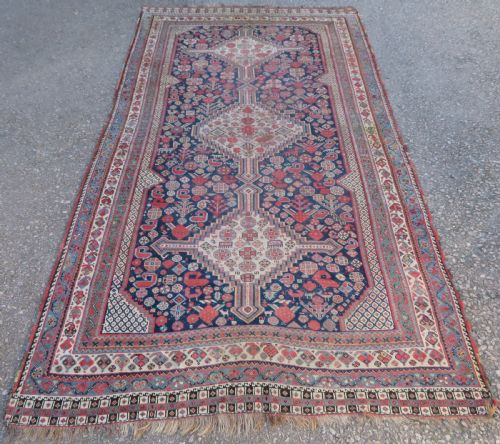
When you search for a dark indigo rug, you enter the world of tribal textiles woven across Persia and Afghanistan during the late nineteenth and early twentieth centuries. These pieces reflect the artistic traditions of groups such as the Baluch, Timuri, and Luri tribes, who created floor coverings for practical nomadic use. The surviving examples span several decades from the eighteen-seventies through to the nineteen-thirties.
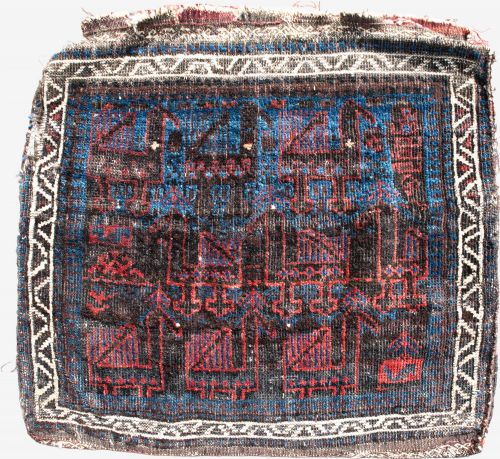
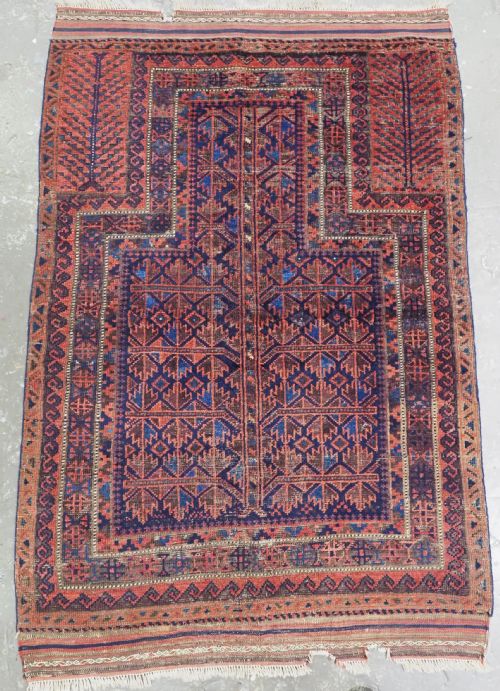
The objects take various forms on this page, ranging from small prayer rugs and pushti faces to larger main carpets and narrow hallway runners. You will frequently encounter Baluch tribal weaving alongside Afghan village pieces and Kurdish rugs from the Quchan region. Each variant offers a distinct format, from compact square dimensions to elongated runner proportions.
The palette centres heavily on dark blue and indigo grounds, often contrasted with classic design motifs like box medallions, repeat stars, and Herati patterns. Woven by hand, these textiles carry the character of their specific regional origins, connecting modern interiors directly with nineteenth-century tribal craftsmanship.
Materials and Construction
The weavers utilised wool, hand-spun wool, and occasionally goat hair or cotton as foundational materials for these textiles. Natural dyes provided the deep blue and indigo tones characteristic of the ground colours, interacting with the wool fibres over generations. This combination of local materials and traditional dyeing techniques gave each piece its robust structure.
Tribal makers constructed these rugs on portable looms, working slowly to build dense pile surfaces suited to daily nomadic life. The integration of sturdy cotton warps and wool wefts ensured the physical stability of runners, main carpets, and smaller prayer rugs alike.
Several weavers included small stray tufts of goat hair within their wool piles, leaving a tactile signature of nomadic life.
Assessing Quality and Execution
Quality in these tribal textiles rests on the tightness of the weave and the clarity of the natural dye palette. Finer examples display precise knotting that allows complex repeat star or box medallion designs to remain sharp and legible. Weavers who achieved a supple handle and balanced proportions produced pieces that have retained their structural integrity across the decades.
The depth and consistency of the indigo dye ground further distinguish superior examples from standard work. Variations in wool preparation, such as the use of hand-spun fibres, contribute to a richer surface texture and a more harmonious ageing process as the textile is exposed to light and wear.
The Dark Indigo Rug Glossary
- Pushti
- A small mat or rug designed for placement on the floor or for use as a cushion face. These compact textiles were frequently produced by nomadic weavers for personal utility.
- Mihrab
- The arched niche design found on prayer rugs, often referencing architectural elements of mosques. In tribal weaving, this motif frequently incorporates stars or rams horn details.
- Herati
- A classic repetitive floral lattice pattern featuring a central rosette enclosed by curved leaves. It appears frequently in Persian and Baluch regional carpets.
- Runner
- A long, narrow carpet format designed specifically for hallways and corridors. Tribal examples of this shape offer durable footing in high-traffic domestic spaces.
Dark Indigo Rug: Frequently Asked Questions
How do I care for an antique rug?
Vacuum these wool and natural dye textiles gently without using a rotating brush bar to protect the delicate pile and older foundations.
Keep them out of direct sunlight to preserve the deep indigo ground colours and prevent uneven fading over the years.
Where were these tribal pieces made?
The pieces originate primarily from the tribal regions of western Afghanistan, Persia, and the surrounding borderlands.
Nomadic and village groups such as the Baluch, Timuri, Luri, and Kurdish tribes produced them on traditional horizontal looms.
What is a prayer rug?
A prayer rug is a smaller format textile featuring a distinctive niche or arch known as a mihrab at one end. Nomads used these portable pieces for daily devotional practices.
They often display symbolic motifs like stars or rams horns within the field.
How do I date an older textile?
Dating relies on examining the materials, construction methods, and stylistic indicators such as structural symmetry and palette composition. Pieces showing hand-spun wool and natural indigo often trace back to the late nineteenth or early twentieth century.
Comparing knotting density and regional design variations helps narrow down the active period of production.