
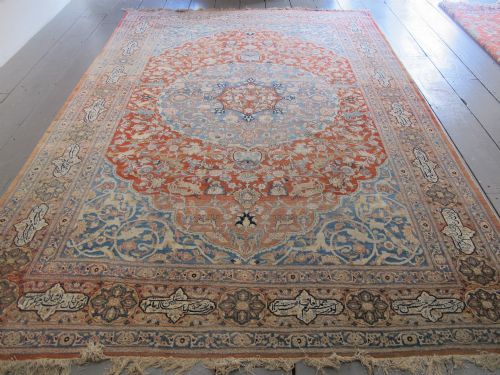


Antique Tabriz Carpet
When searching for an antique tabriz carpet, you enter a tradition of Persian weaving originating from North-West Persia.
Antique Tabriz Carpet
An antique tabriz carpet represents a significant tradition of Persian rug production, originating from the historic weaving centre of Tabriz in North-West Persia.
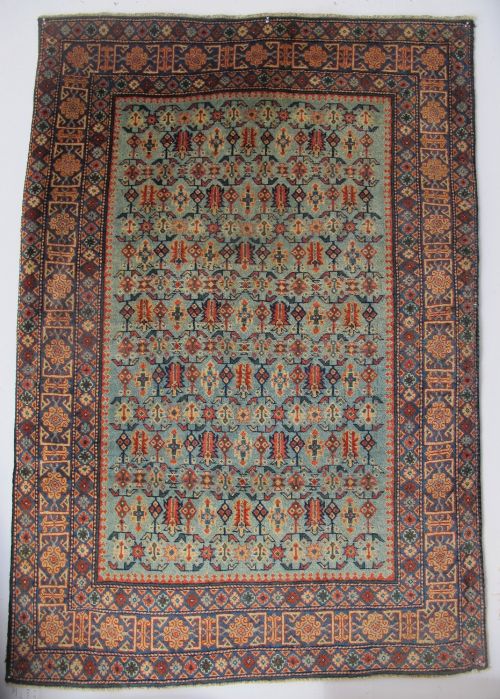
Buyers will encounter various formats on this page, ranging from smaller room-size carpets and village rugs to large country house floor coverings.
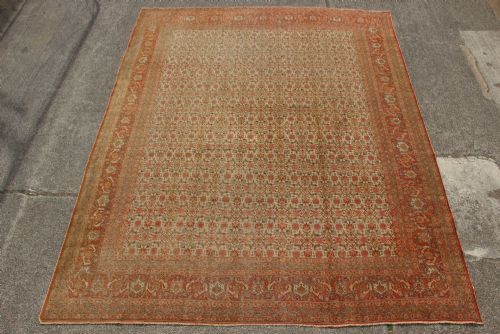
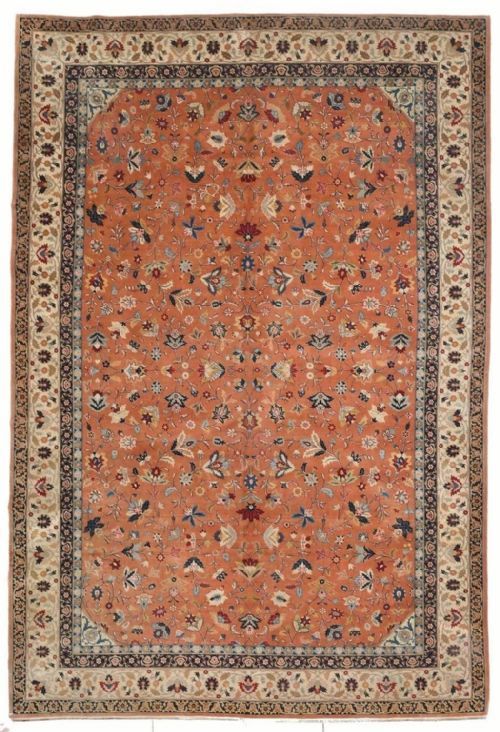
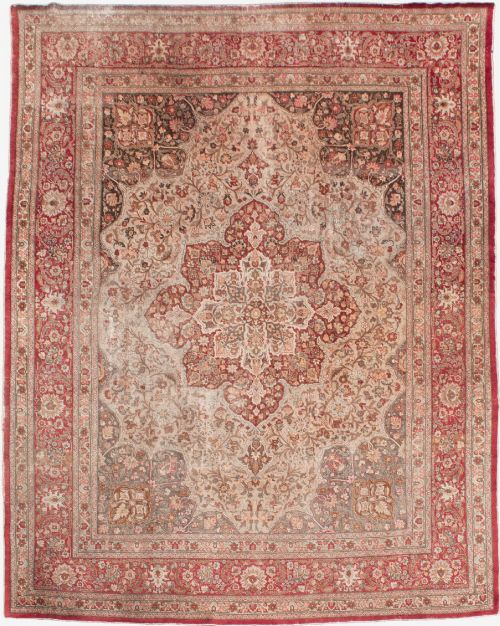
Designs span traditional Persian motifs, including classic floral arrangements, all-over Herati patterns, hunting scenes, and Safavid vase carpet inspirations.
How They Were Made
Weavers utilised natural materials, predominantly building the foundation and pile from wool, while finer examples incorporate silk.
Cotton frequently serves as the structural warp and weft for strength, supporting dense knotting techniques characteristic of the region.
Antique Tabriz Carpet Retail Price Guide 2026
Typical asking prices for tabriz carpet among the pieces listed under this phrase on Sellingantiques today, from the lower quarter to the upper quarter. They describe what is for sale here now, not the wider market.
Certain early twentieth-century carpets even depict historical rulers such as Ahmad Shah.
What Varies in Quality
The finesse of the weave and the complexity of the design distinguish different tiers of production, with workshop pieces often showing greater detail than village variants.
The subtlety of the palette, particularly in pieces featuring soft pastel colours or ivory grounds, contributes significantly to the visual stature of the carpet.
Haji Jalili·Benlian
The Antique Tabriz Carpet Glossary
- Tabriz
- A major historic weaving city in North-West Persia known for diverse and technically accomplished carpet production.
- Herati
- A repeating, fish-like floral lattice pattern commonly found across Persian rugs and carpets.
- Safavid
- A historical Persian dynasty whose artistic legacy heavily influenced classical carpet designs.
- Warp
- The vertical threads stretched on the loom that form the foundational skeleton of the carpet.
- Weft
- The horizontal threads passed through the warps to hold the knots in place.
Antique Tabriz Carpet: Frequently Asked Questions
Where were antique Tabriz carpets made?
These carpets were produced in the city of Tabriz located in North-West Persia.
Workshop production here drew on centuries of regional weaving heritage.
What materials are used in these carpets?
The primary materials found in these pieces are wool, cotton, and occasionally silk.
Wool forms the soft pile, whilst cotton provides a stable foundation.
How do I identify a Tabriz design?
Designs often incorporate classic floral motifs, central medallions, or all-over patterns like the Herati layout.
Certain examples also feature pictorial elements such as hunting scenes or historical figures.
How do I care for an old carpet?
Protect the textile by placing it in areas with controlled humidity and away from direct sunlight.
Regular, gentle vacuuming without a rotating brush helps maintain the wool pile.