




Large Persian Floor Carpet
A large persian floor carpet anchors a substantial room with centuries of regional weaving traditions and floor-covering artistry.
Large Persian Floor Carpet
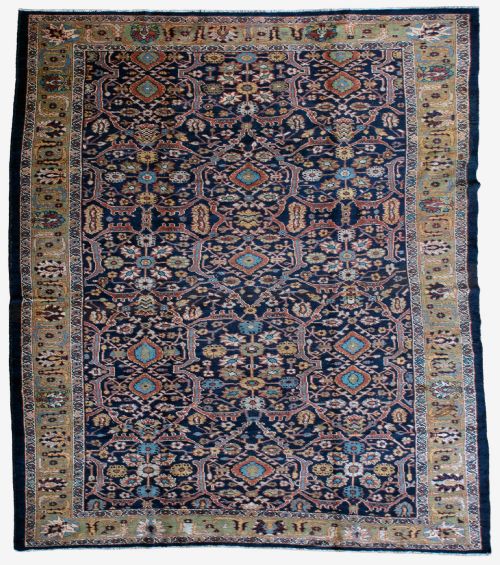
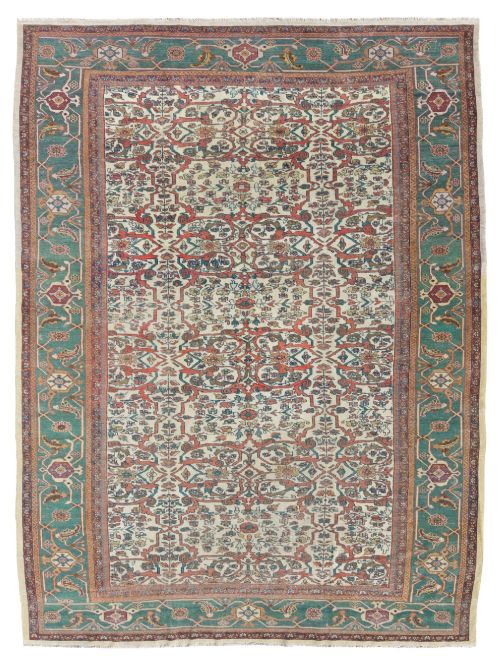
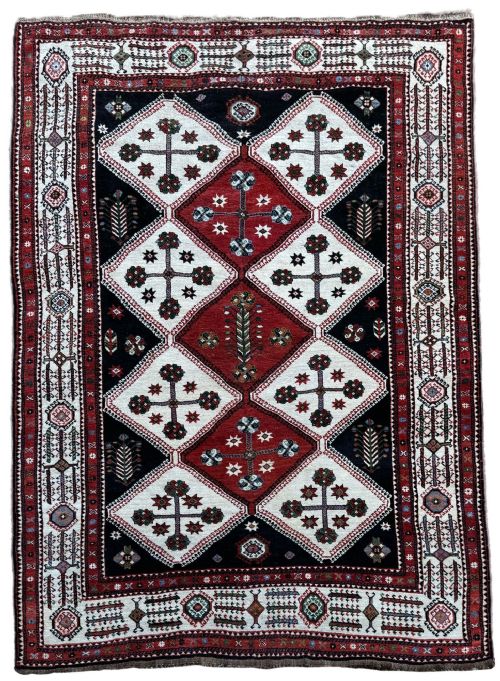
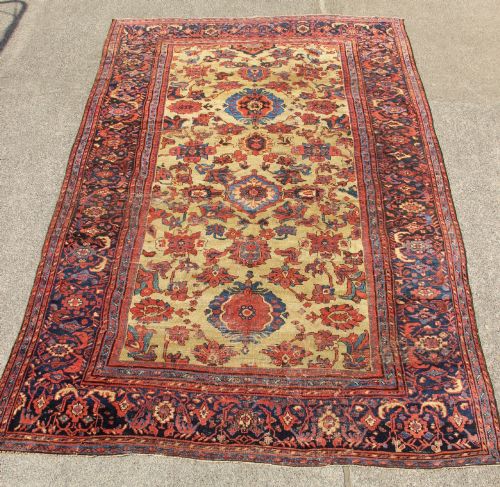
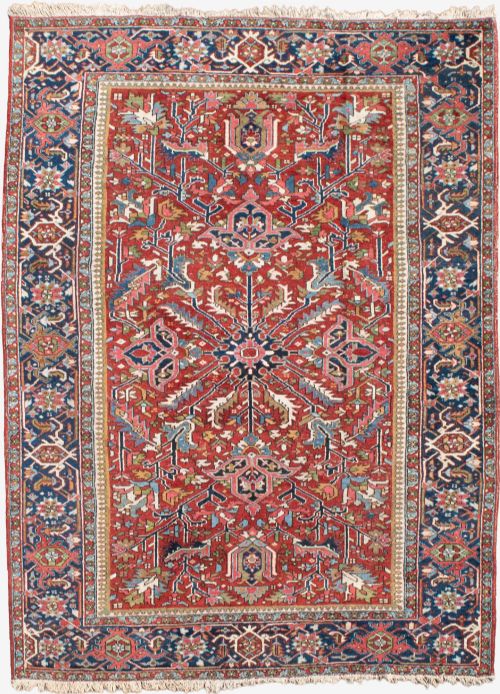
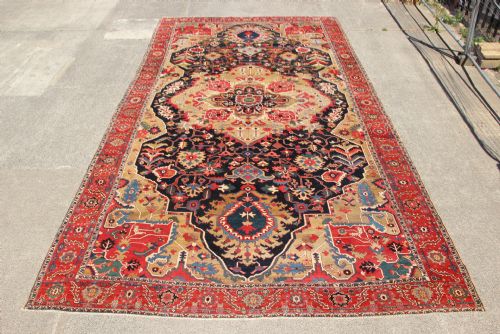
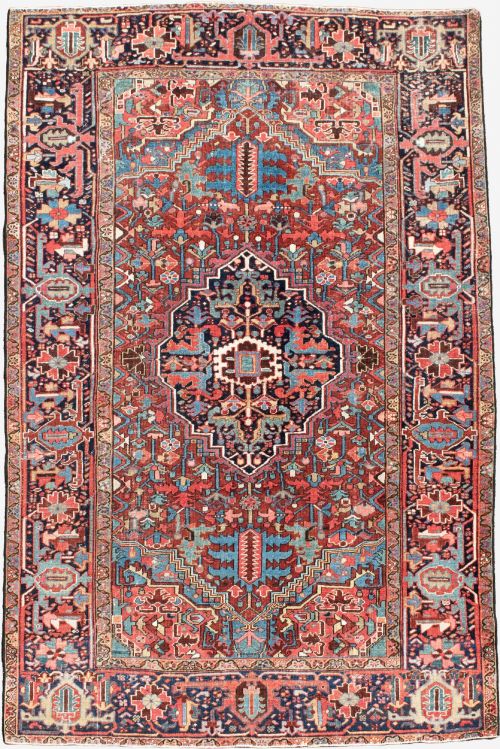
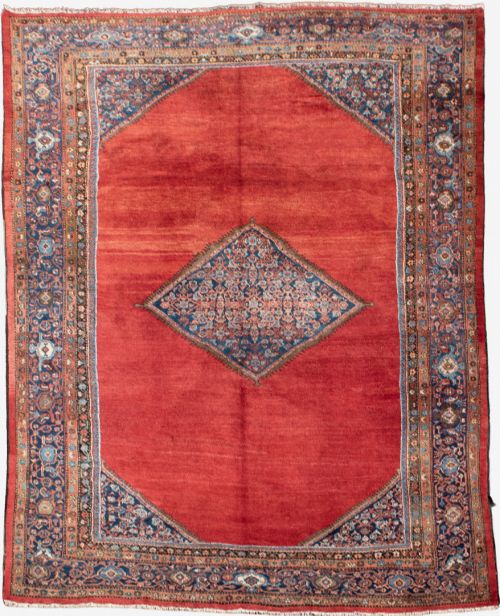
When you search for a large persian floor carpet, you encounter substantial room-sized textiles originating from the nineteenth and early twentieth centuries. These woven works encompass distinct regional styles such as Heriz, Sultanabad, Ferahan, Tabriz, and Kirman, spanning production dates from the eighteen fifties through to nineteen forty.
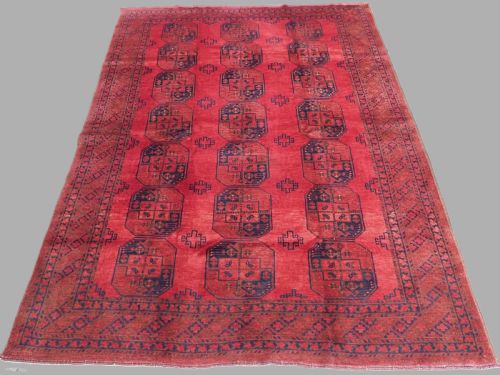
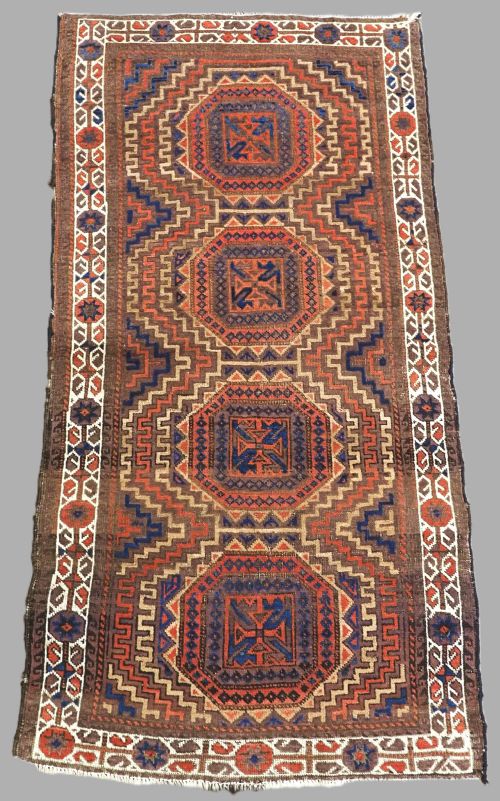
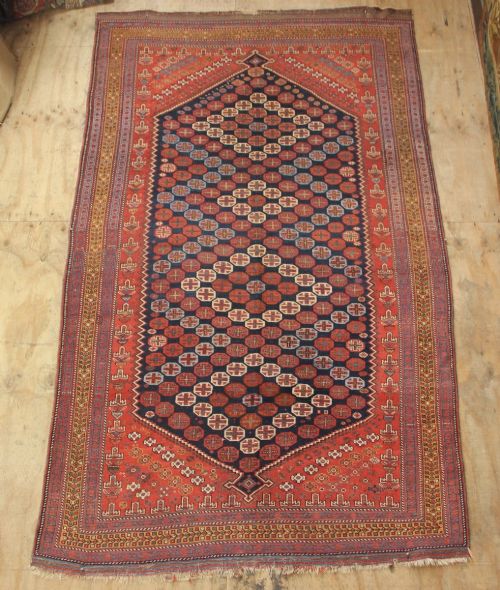
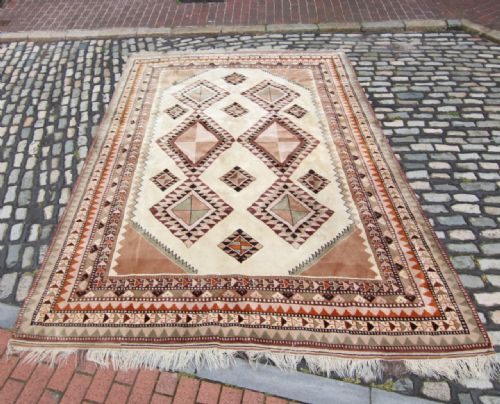
The floor coverings on this page appear in various formats including area rugs, hallway runners, and expansive carpets designed for grand interiors. Most pieces arrive from specific Persian traditions, alongside related tribal and village weaves from Afghan and regional makers.
A buyer seeking this category meets floor coverings that balance utility with intricate geometric or floral compositions. These textiles represent generations of workshop and village craftsmanship manifested in practical room-scale formats.
What varies in quality
Knot density and structural fineness dictate the definition of the design and the resilience of the textile underfoot. Tighter knotting allows for crisper execution of complex medallion and all-over patterns.
The grade of the wool and the consistency of the dye palette determine how the surface ages and reflects light. Superior examples combine supple, lanolin-rich wool with balanced, harmonious colour saturation.
Large Persian Floor Carpet Retail Price Guide 2026
Typical asking prices for large persian floor carpet among the pieces listed under this phrase on Sellingantiques today, from the lower quarter to the upper quarter. They describe what is for sale here now, not the wider market.
The listings span production dates from eighteen fifty to nineteen forty, documenting wool pile on cotton foundations.
Haji Jalili Tabriz
The Large Persian Floor Carpet Glossary
- Heriz
- A style originating from north-west Persia known for bold geometric medallions and robust structural wool. These carpets typically display strong corner spandrels and sturdy foundations.
- Sultanabad
- A nineteenth-century market category recognised by large-scale, open floral patterns and softer colour palettes. Commercial workshops produced these designs primarily for Western export.
- Ferahan
- A Persian carpet type associated with fine weave quality and intricate Herati or subtle floral field designs. They often feature deep indigo or soft red grounds.
- Tabriz
- A historic weaving centre in north-west Persia producing sophisticated pictorial, hunting, and classical vase designs. These works demonstrate exceptional precision in knotting and drawing.
- Gul
- A repeating medallion or octagonal motif found frequently in tribal and village carpets. This motif serves as a primary decorative unit across Central Asian and Persian borderland weaves.
Large Persian Floor Carpet: Frequently Asked Questions
How do I clean a large Persian carpet?
Vacuum gently without a rotating brush roll to prevent pulling the wool pile. Professional specialist cleaning remains essential for removing deep-seated grit without damaging the cotton foundation.
Avoid household chemical treatments or excessive water saturation, which can cause dye migration across lighter ivory or blue ground areas.
Are these carpets suitable for heavy traffic?
Hand-knotted wool carpets on cotton foundations withstand everyday domestic use exceptionally well. The resilience of natural lanolin-rich wool protects the fibres from premature wear in busy hallways and living rooms.
Placing a quality underlay beneath the carpet prevents slipping and cushions the foundation against hard subfloors, extending the lifespan of the textile.
How do I identify a Heriz carpet?
Heriz carpets feature distinctive large geometric central medallions and rigid, architectural floral motifs. The corners often display contrasting spandrels with bold, rectilinear drawing rather than curved lines.
They utilise robust wool and heavy construction, making them distinctively stiff and durable compared to finer urban workshop Persian carpets.
What is the difference between village and city carpets?
Village and tribal carpets display spontaneous, geometric designs woven from memory or local tradition. City workshop carpets rely on precise pre-drawn cartoons for complex, curvilinear floral compositions.
City pieces usually exhibit higher knot densities and finer detail work, whereas village weaves showcase charming irregularities and bold, expressive palettes.