
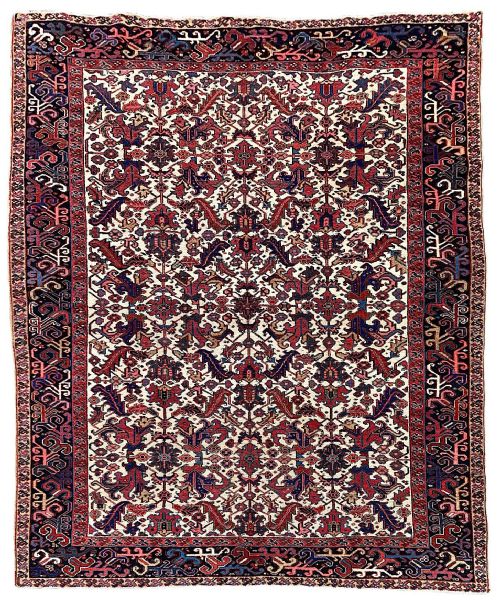


Persian Floor Covering
A genuine persian floor covering brings centuries of woven artistry and rich colour into a room, offering both durability and historic character.
Persian Floor Covering
A persian floor covering encompasses traditional rugs and large carpets originating from Persia, representing centuries of weaving heritage. Buyers seeking a persian floor covering look for authentic room-sized carpets and smaller floor rugs that anchor a space with historical depth.
The selections available here span the nineteenth and early twentieth centuries, featuring distinct regional styles such as Isfahan, Heriz, Mahal, and Keshan. Each type displays characteristic medallion or all-over field designs unique to its specific weaving centre.
Most examples encountered here are room-sized carpets or area rugs, utilising durable traditional construction methods suited for daily use. These floor coverings bridge the gap between functional household items and collectible textile art.
How they were made
The materials recorded in these listings are wool and cotton, forming the foundation and pile of each piece. Wool provides a resilient, soft surface while cotton typically forms the strong structural warp and weft threads.
Weavers knotted the wool yarn by hand onto the cotton foundations, creating dense piles that withstand generations of foot traffic. Natural dyeing traditions imparted rich hues to the wool before the weaving process began.
Persian Floor Covering Retail Price Guide 2026
Typical asking prices for persian floor covering among the pieces listed under this phrase on Sellingantiques today, from the lower quarter to the upper quarter. They describe what is for sale here now, not the wider market.
Listings feature pieces utilising wool and cotton across the nineteenth and early twentieth centuries.
What varies in quality
Knot density and fineness of execution separate standard room carpets from exceptionally detailed works attributed to master weavers. A finer knot count permits intricate curves and delicate botanical motifs within the field and border.
The choice of wool and the depth of the palette dictate the visual richness and tactile pleasure of the surface. Superior examples maintain balanced proportions and harmonious colour saturation across the entire carpet.
Mokhtashem Keshan
The Persian Floor Covering Glossary
- Warp
- The vertical threads stretched lengthwise on the loom that form the foundational skeleton of the carpet. Fringe edges typically reveal these parallel cotton threads.
- Weft
- The horizontal threads passed alternately over and under the warp threads to lock the rows of knots in place. This technique secures the structural integrity of the weave.
- Pile
- The upright cut ends of the knotted wool yarn that create the soft surface of the carpet. Pile height varies depending on the regional style and intended function.
- Medallion
- A symmetrical ornamental design centred in the middle of the carpet field. Many traditional Persian designs arrange floral and geometric motifs around this central focal point.
Persian Floor Covering: Frequently Asked Questions
How do I clean a antique carpet?
Professional specialist cleaning is essential for antique wool and cotton floor coverings to protect the natural fibres and dyes.
Regular gentle vacuuming without a rotating brush helps remove surface grit safely between professional washes.
Where should I place my rug?
These large carpets suit reception rooms, dining areas, and studies where they anchor furniture groupings effectively.
Using a quality underlay prevents slipping and cushions the historic foundation against hard flooring.
How do I identify regional styles?
Examining the specific motifs, border arrangements, and colour combinations reveals whether a piece originates from Isfahan, Heriz, Mahal, or Keshan.
Each weaving region developed distinct geometric or curvilinear signatures over generations.
What is a nineteenth century date?
Pieces attributed to the nineteenth century or specific decades like eighteen-eighty reflect the hand-knotted output of traditional Persian workshops before mass production.
Natural variations in the wool and dye lots confirm their antique origins.