

Traditional Floral Rug
A traditional floral rug brings rich botanical motifs and timeless warmth into a room, offering enduring floor coverings woven in wool, cotton, and silk.
Traditional Floral Rug
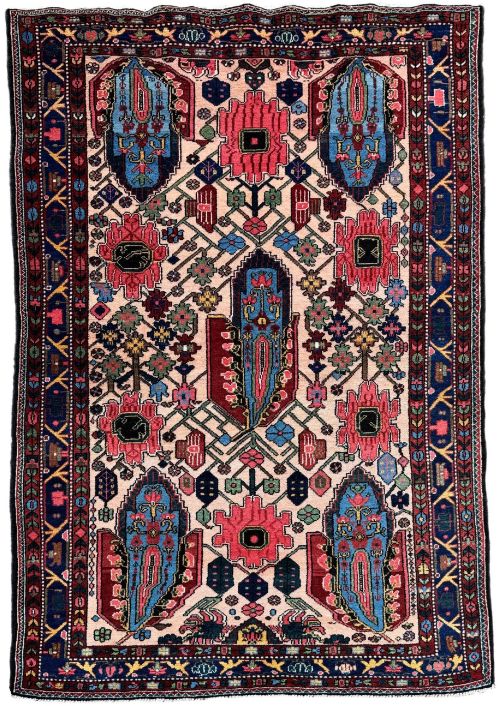
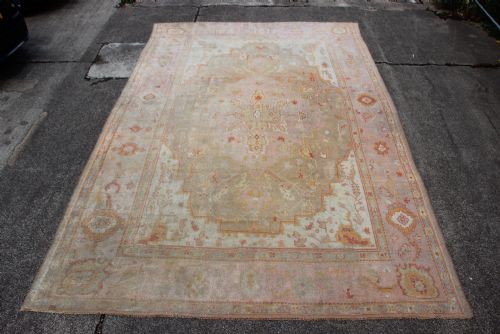
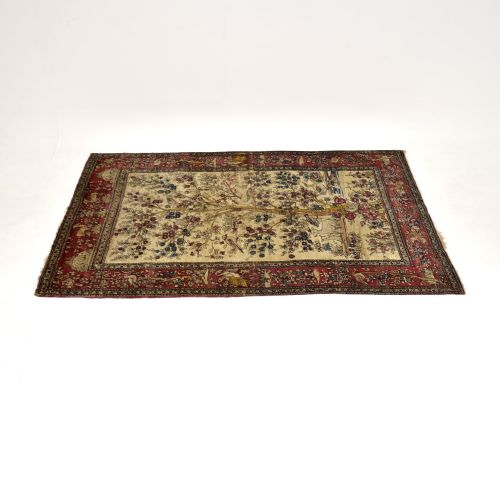
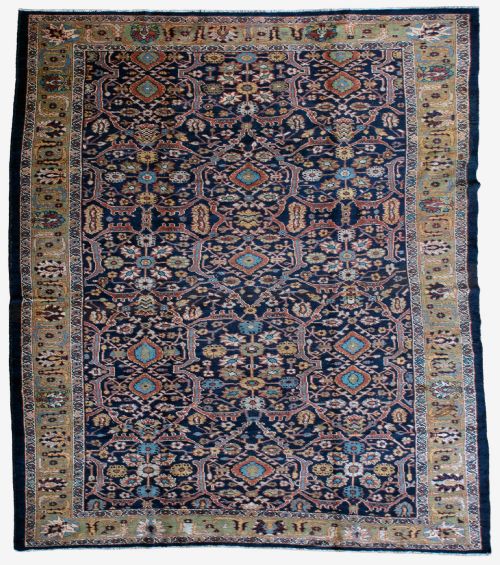
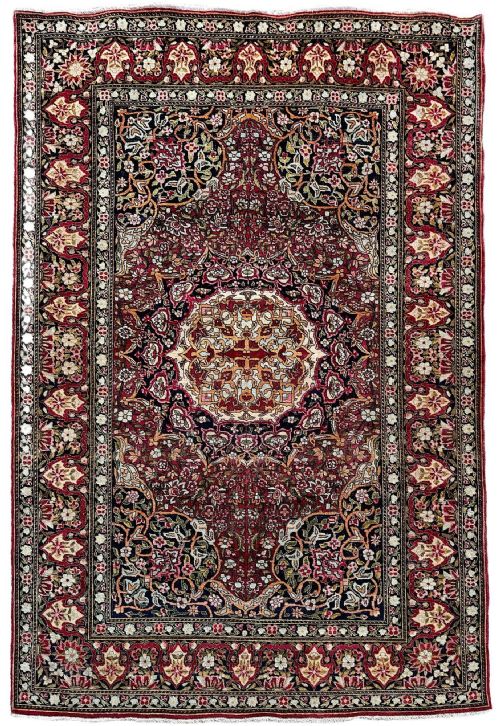
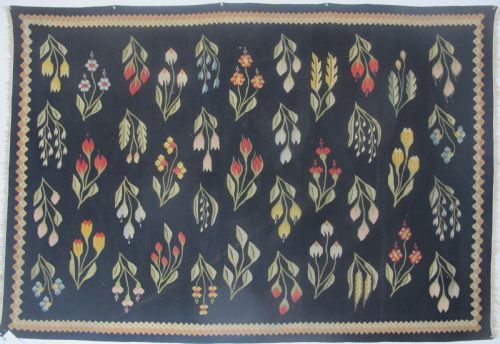
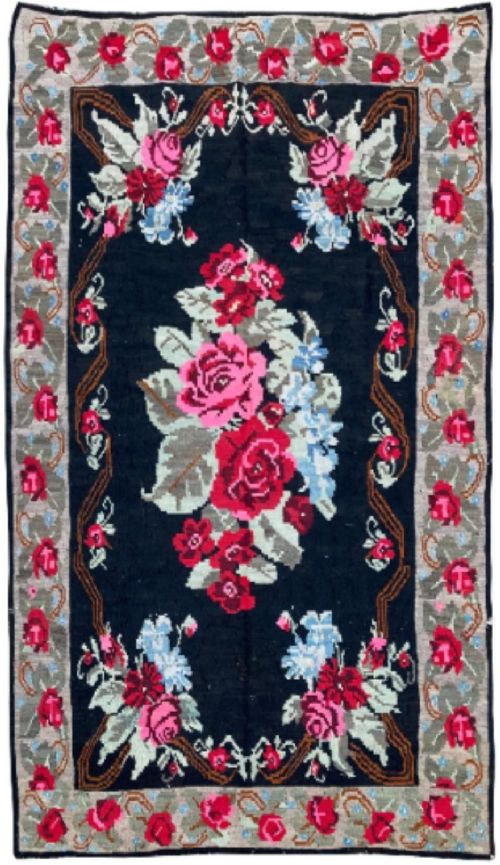
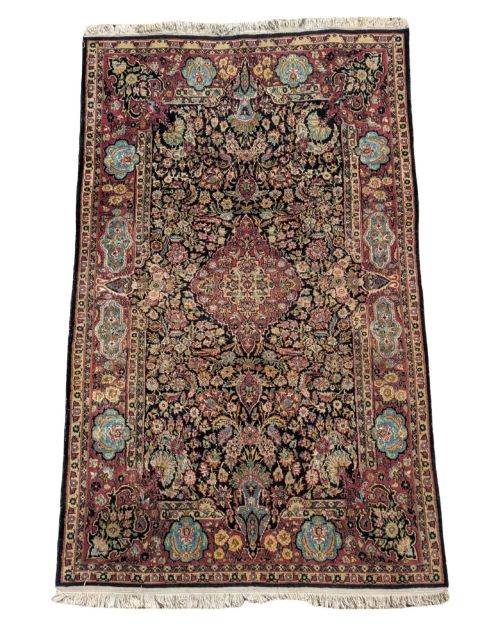
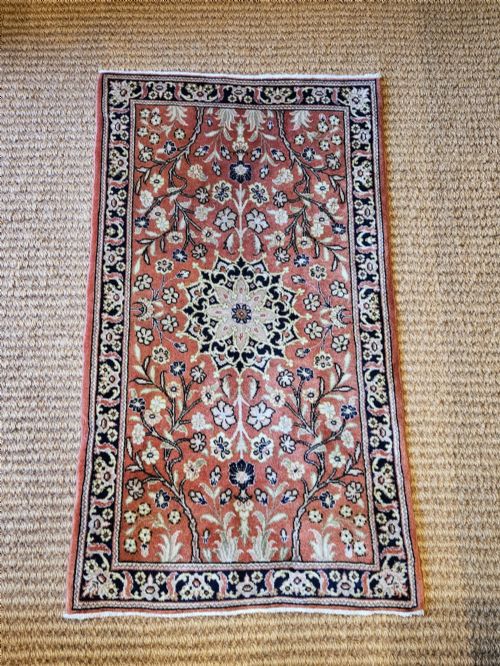
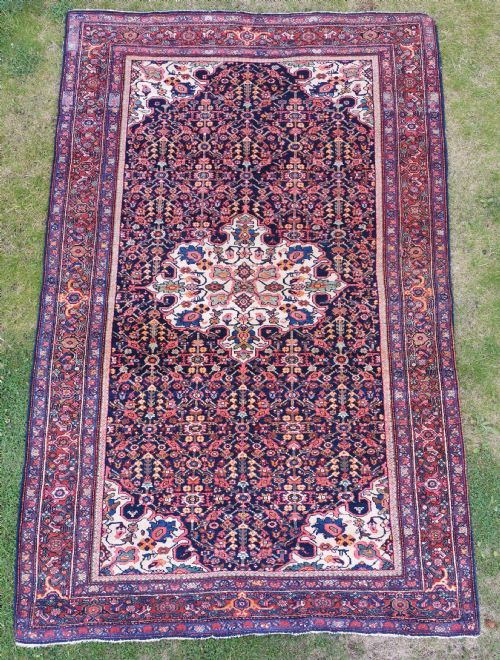
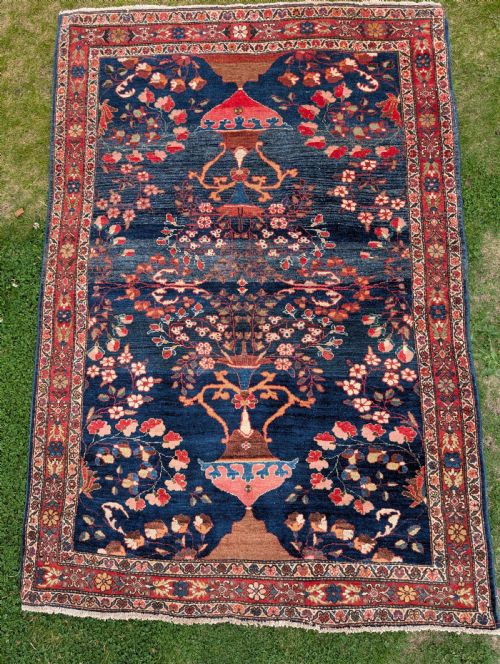
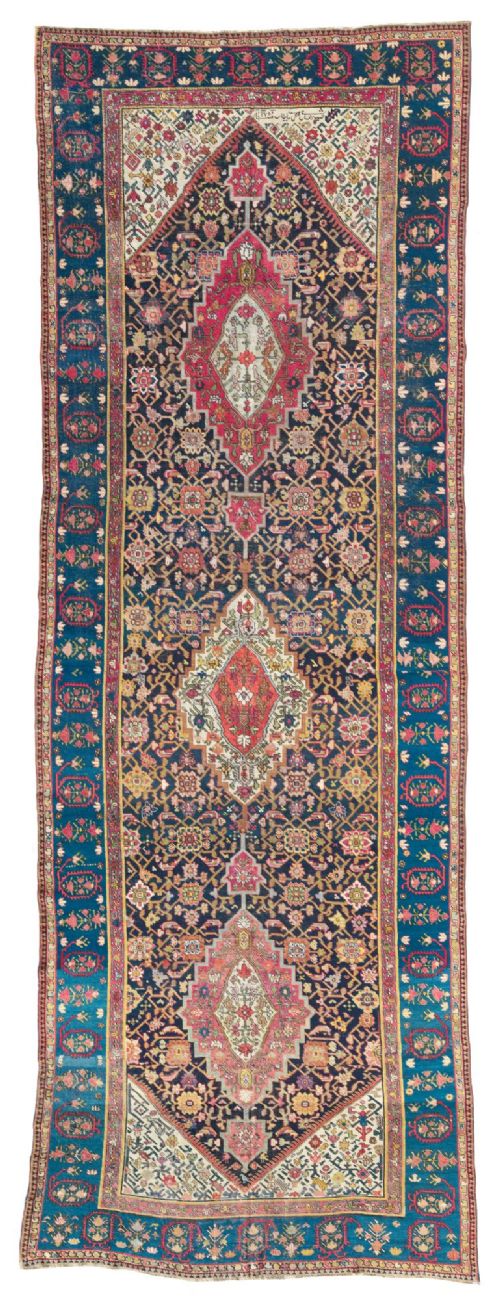
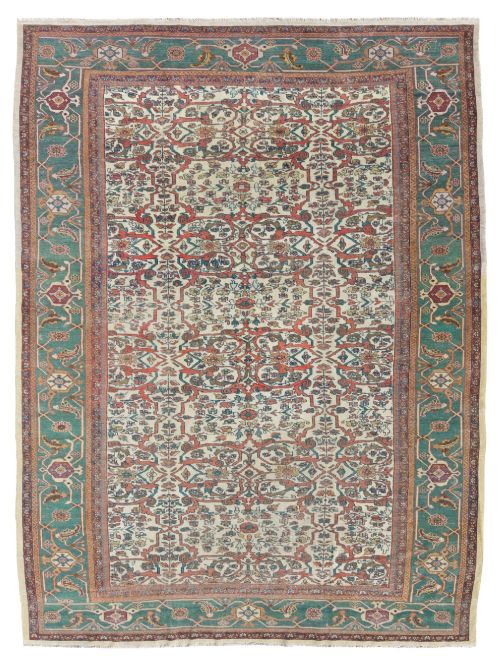
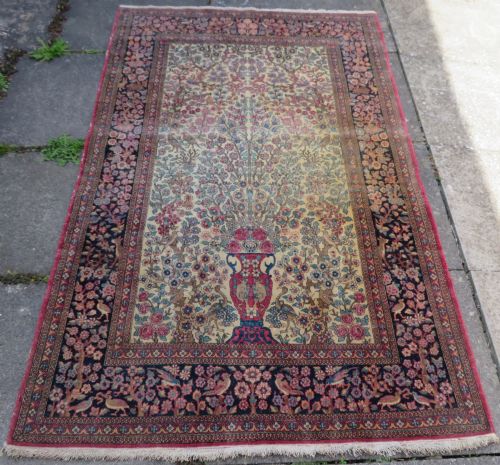
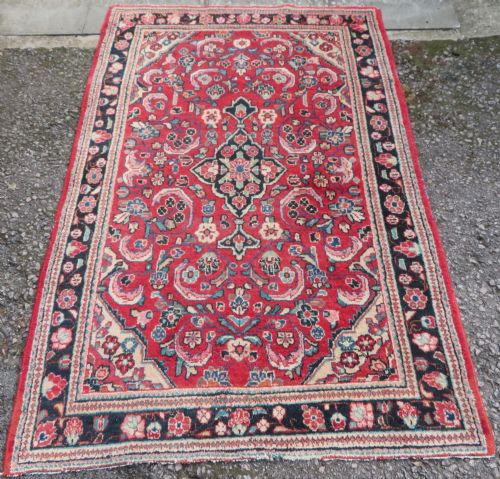
A traditional floral rug encompasses hand-woven carpets, runners, and area rugs originating predominantly from Persian, Ottoman, and Eastern European workshops. These textiles display intricate botanical designs, floral sprays, and medallion patterns that anchor a room with historic character.
The pieces available span from the mid-nineteenth century through the early twentieth century, incorporating regional aesthetics such as Heriz, Tabriz, Mahal, and Caucasian styles. Buyers encounter both room-sized carpets and smaller hearth rugs suited for diverse interior layouts.
How They Were Made
These textiles rely on natural fibres, combining sturdy cotton foundations with dense wool pile and occasional silk highlights to add texture and subtle sheen. Artisans knotted or wove the materials by hand, utilising traditional upright looms and time-honoured dyeing techniques.
Regional weaving traditions dictate the structural density and handling of each piece, from village workshop carpets to fine city rugs. The interplay of hand-spun yarn and natural dye produces deep, organic colour palettes that mellow gracefully over decades.
Traditional Floral Rug Retail Price Guide 2026
Typical asking prices for traditional floral rug among the pieces listed under this phrase on Sellingantiques today, from the lower quarter to the upper quarter. They describe what is for sale here now, not the wider market.
Listings feature pieces spanning from eighteen-fifty to nineteen-thirty, utilising wool, cotton, and silk materials across Persian, Caucasian, and Ottoman traditions.
What Varies in Quality
Quality rests in the precision of the weave, the clarity of the botanical drawing, and the handling of the wool or silk pile. Finer examples display meticulous knot counts and sophisticated colour shading that give depth to the floral motifs.
The Traditional Floral Rug Glossary
- Pile
- The upright yarn loops or cut ends that form the soft surface of a rug. It provides the texture and absorbs the wear of daily use.
- Knot
- The individual loops of yarn tied around the warp threads by hand. Higher knot densities often allow for more intricate botanical drawing.
- Warp
- The foundational vertical threads stretched tightly on the loom before weaving begins. The horizontal weft threads intersect with them to secure the structure.
- Weft
- The horizontal threads passed through the warp threads to hold the knots and rows firmly in place. They contribute to the handle and flexibility of the rug.
- Medallion
- A large central ornamental design motif placed in the middle of the rug field. It typically anchors the surrounding floral and geometric patterns.
Traditional Floral Rug: Frequently Asked Questions
Where should I place a traditional floral rug?
These rugs suit high-traffic living spaces, dining rooms, and studies where their botanical patterns can anchor the furniture arrangement. Smaller formats function well as hearth rugs or bedside runners.
Ensure the rug is paired with a suitable underlay to prevent sliding and reduce friction against hard flooring surfaces.
How do I care for an antique wool rug?
Regular gentle vacuuming without a rotating brush roll prevents dust accumulation within the pile fibres. Professional cleaning is recommended periodically to maintain the integrity of the natural dyes.
Keep the rug out of direct, prolonged sunlight to prevent fading of the natural wool and silk tones.
How can I tell different regional styles apart?
Regional styles reveal themselves through distinct colour palettes, knotting techniques, and drawing characteristics. For instance, Heriz carpets often feature bold geometric interpretations of floral motifs, while Isfahan and Tabriz pieces showcase finer, curvilinear floral work.
Examining the structural foundation and the specific style of the floral border helps pinpoint the likely origin of the weaving.
Are these rugs suitable for modern interiors?
The rich botanical designs and muted tones of antique floor coverings complement contemporary minimalist or neutral decor by adding texture and historical contrast. They introduce warmth and layered visual interest to clean architectural lines.
Choosing a piece with a balanced colour palette allows it to integrate seamlessly into varied aesthetic schemes.