





Vintage Wool Floor Rug
These vintage wool floor rugs bring dense pile, earthy tones and centuries of village weaving traditions directly into modern rooms.
Vintage Wool Floor Rug
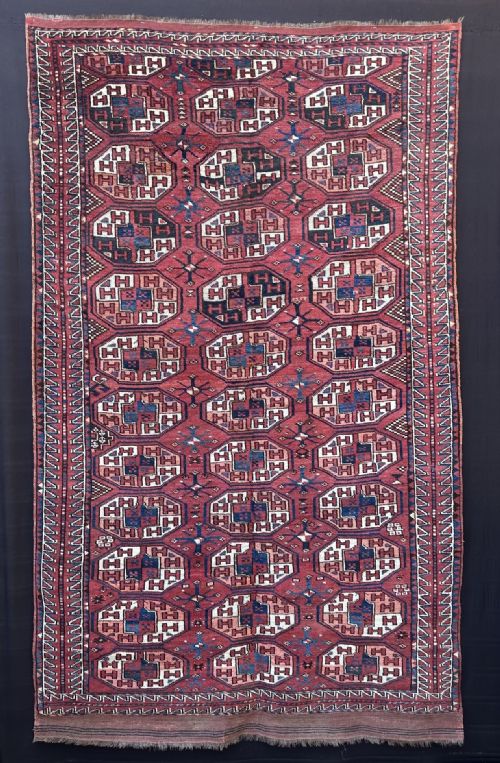
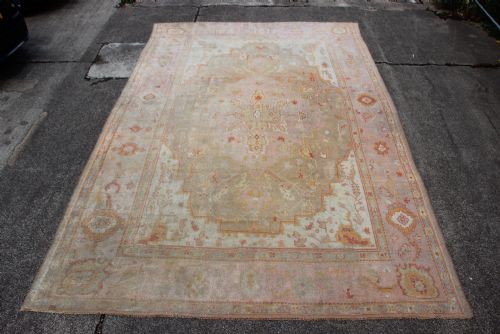
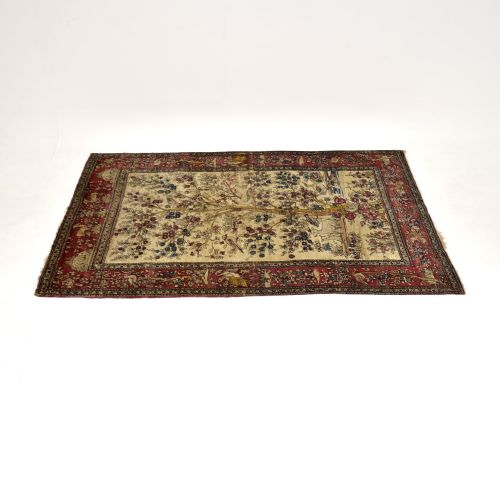
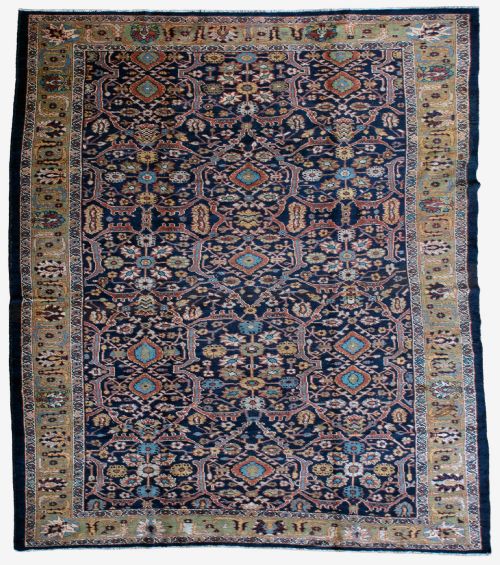
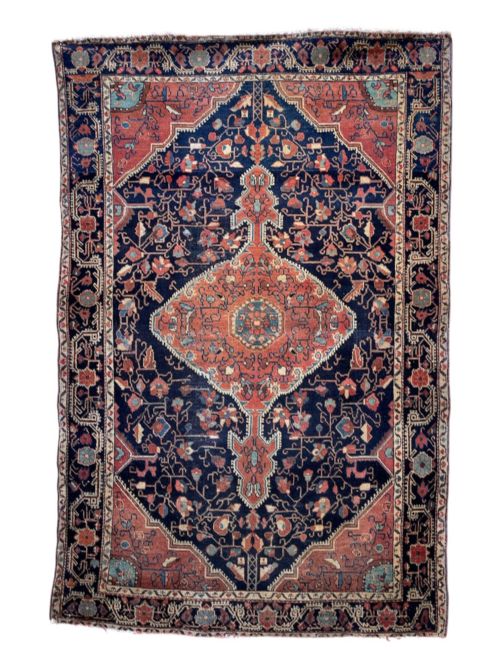
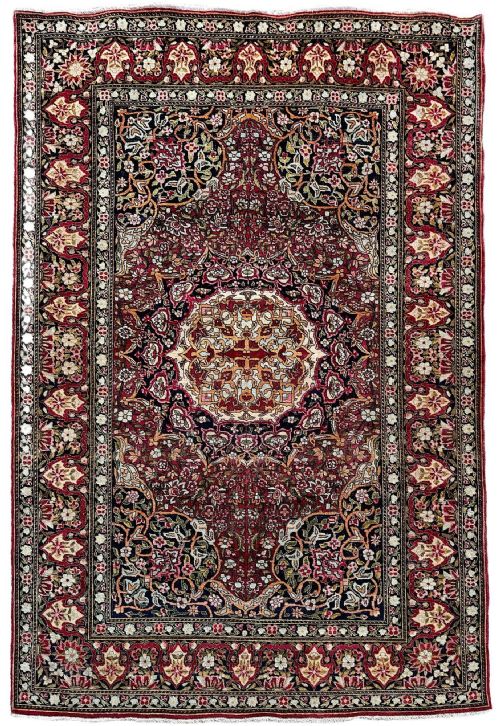
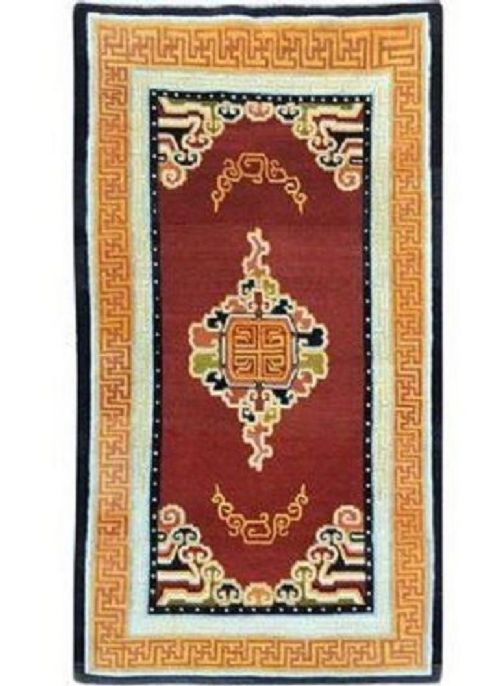
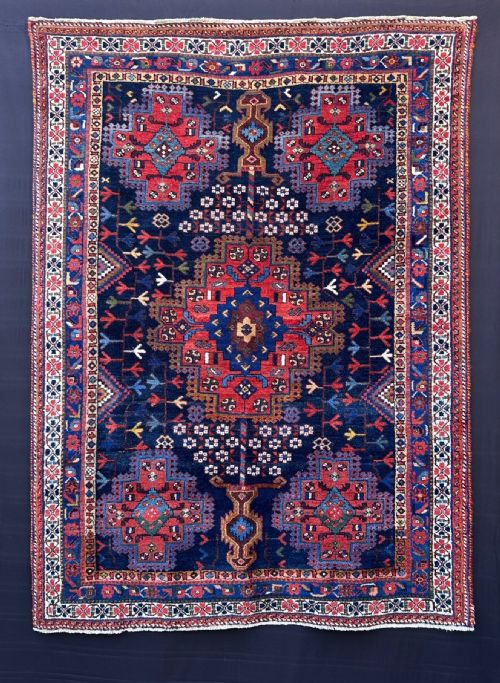
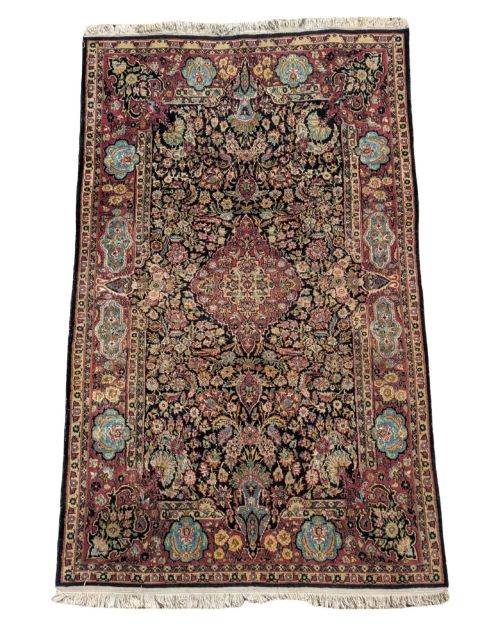
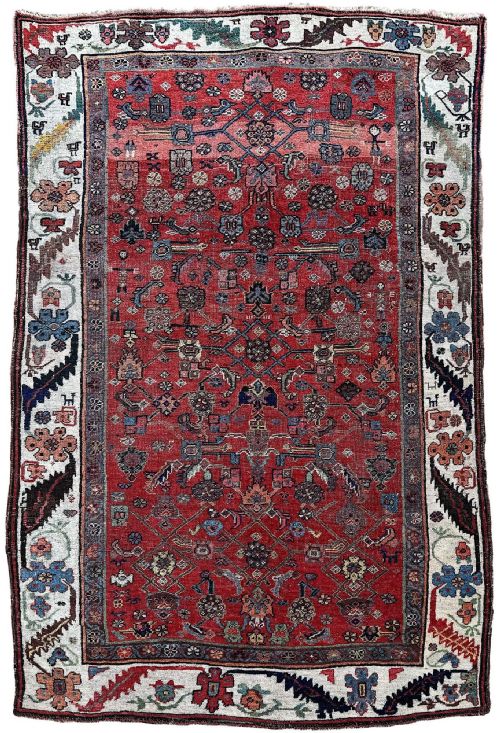
A vintage wool floor rug encompasses hand-knotted room-sized carpets, hallway runners and hearth-sized mats originating from Persian, Caucasian, Turkmen and Turkish weaving traditions. The selection spans the nineteenth and early twentieth centuries, featuring distinct tribal and village patterns produced across regional hubs.
Buyers meet pieces ranging from compact village Kurdish rugs to expansive Heriz and Oushak carpets. Formats vary from long narrow runners to generous floor coverings designed for principal living spaces.
Assessing quality
Quality rests upon the fineness of the knotting, the stability of the foundation and the depth of the wool pile. Tightly packed knots allow intricate geometric and floral designs to remain crisp and legible.
The sophistication of the natural dye palette distinguishes superior examples. Variations in tone and saturation across the wool fibres indicate skilled dye work that ages with depth.
Vintage Wool Floor Rug Retail Price Guide 2026
Typical asking prices for vintage wool floor rug among the pieces listed under this phrase on Sellingantiques today, from the lower quarter to the upper quarter. They describe what is for sale here now, not the wider market.
The listings span production dates from eighteen-fifty through nineteen-thirty, uniting Persian, Caucasian, and Turkmen traditions in wool, cotton, and silk.
The Vintage Wool Floor Rug Glossary
- Pile
- The upright wool loops or cut ends that form the soft surface of the rug. This upper layer absorbs foot traffic and protects the structural foundation beneath.
- Warp
- The vertical threads stretched tightly on the loom before weaving begins. These parallel strings carry the tension of the entire textile.
- Weft
- The horizontal threads passed alternately over and under the warp strings to lock the knots in place. Together with the warp, they form the sturdy grid backing of the carpet.
- Natural Dyes
- Colourants extracted from plants, insects and minerals rather than synthetic chemical laboratories. These traditional dyes produce rich, complex hues that mellow gracefully over decades.
Vintage Wool Floor Rug: Frequently Asked Questions
How do I clean a wool rug?
Regular gentle vacuuming without a beater bar removes surface grit trapped in the wool fibres. Professional specialist cleaning is recommended for deep washing.
Avoid harsh chemical detergents and excessive moisture, which can damage natural dyes and weaken the wool pile over time.
Where should I place a runner?
Hallway runners suit high-traffic transitional spaces such as corridors, entryways and narrow landings. Their elongated proportions guide movement while protecting timber or tiled floors.
Ensure a secure underlay beneath the rug to prevent slipping and reduce friction against the floor surface.
How do I identify a tribal rug?
Tribal carpets display geometric motifs, stylized animals and memory-based designs rather than formal court-workshop compositions. These patterns reflect the cultural heritage of nomadic and village weavers.
Asymmetrical structures and variations in wool spin often point towards decentralized village production.
Can I use these rugs in modern rooms?
The rich palette and geometric patterns of these textiles anchor contemporary minimalist schemes with warmth and texture. Their grounding presence works beneath dining tables, seating groups and beds.
Layering a vintage floor covering over neutral flooring adds immediate character and historical depth to an interior.