




Ivory Ground Persian Rug
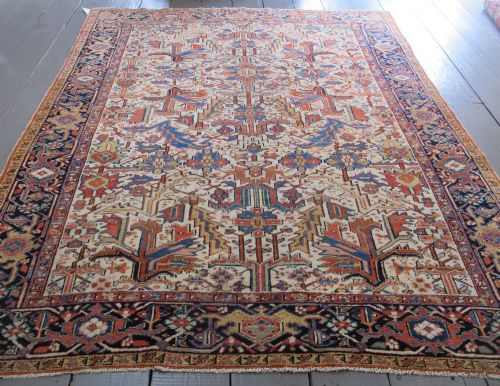
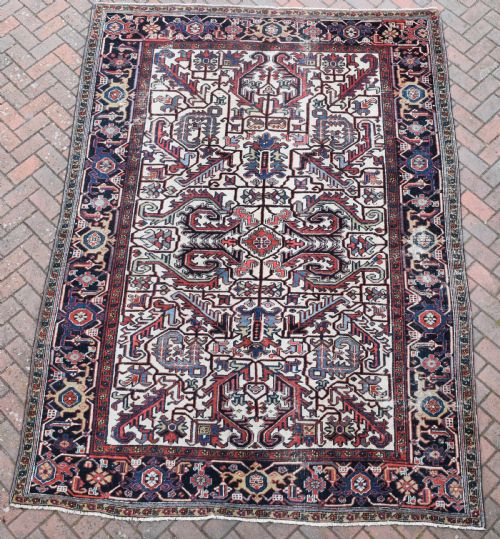
An ivory ground persian rug brings light and distinct regional artistry into a room, offering durability alongside intricate floral and medallion designs.
Ivory Ground Persian Rug
Most examples encountered on this page date from the late nineteenth century through to the early decades of the twentieth century. They manifest in diverse formats, from large carpets suited to country houses down to smaller tribal rugs and runners.
The regional styles vary distinctly, incorporating specific design elements such as star medallions, dragon and phoenix motifs, boteh, butterflies, or vase patterns. Each piece reflects the traditional iconography and knotting techniques of its specific origin.
Materials and Construction
These floor coverings are constructed primarily using wool for the pile, prized for its resilience and capacity to hold rich natural dyes. Cotton frequently forms the foundation structure, providing the warp and weft threads that give the carpet its stable geometry.
Weavers tied the wool pile by hand onto the cotton foundation, creating dense structures capable of withstanding generations of use. The choice of materials ensures both flexibility and structural integrity across diverse tribal and village workshops.
Occasional butterflies flutter across Malayer weaves, proving that nineteenth-century village weavers enjoyed surprising moments of whimsy amidst traditional geometry.
Distinguishing Quality
The refinement of the drawing and the clarity of the design against the pale field determine the visual success of the piece. Crisp execution of motifs, whether geometric Heriz medallions or intricate floral arrangements, marks superior execution.
Knot density and the handling of the wool pile contribute significantly to the tactile and physical endurance of the carpet. Balanced proportions and harmonious integration of secondary colours within the design further distinguish finer examples.
The Ivory Ground Persian Rug Glossary
- Medallion
- A large central ornamental design motif placed in the middle of the rug field. It often forms the primary focal point of the composition in styles like Heriz.
- Boteh
- A stylised almond or pear-shaped motif representing a shrub or floral spray. This ancient symbol appears frequently in Kurdish and traditional Persian weaving.
- Warp
- The vertical foundation threads stretched tightly on the loom before knotting begins. Cotton is commonly utilised for these structural elements.
- Weft
- The horizontal threads passed across the warp strands after each row of knots to bind the structure together. It secures the wool pile in place.
- Pile
- The dense surface layer of wool yarn formed by individual knots. The quality of this fleece determines the softness and durability of the surface.
Ivory Ground Persian Rug: Frequently Asked Questions
How do I clean an old wool rug?
Gentle surface brushing and professional dusting remove embedded grit safely. Avoid soaking the cotton foundation to prevent distortion.
Periodic specialist washing preserves the lanolin in the wool pile. Harsh chemical detergents must be avoided entirely.
Where were these carpets made?
Production took place across distinct Persian regions and villages, including Heriz, Mahal, Malayer, and Afshar. Each area maintained unique weaving traditions.
Tribal groups and established workshops each contributed their own characteristic motifs and structural methods to the craft.
Can I use a runner in a hallway?
Long narrow formats, such as Kurdish runners, fit naturally into corridors and transitional spaces. Their robust wool construction handles moderate foot traffic well.
Using a suitable underlay prevents slipping and cushions the foundation against hard stone or wooden floors.
How do I date a woven piece?
Stylistic shifts, natural dye variations, and structural wear patterns provide key indicators of age. Most examples on this page span the late nineteenth to early twentieth centuries.
Comparing regional motifs helps place the weaving within a specific generational period.