


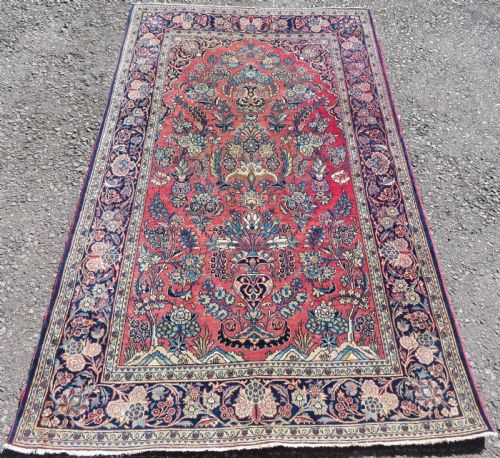


Classic Persian Area Carpet
When you search for a classic persian area carpet, you step into centuries of knotted geometry, rich botanical dyes, and resilient village and city weaving.
Classic Persian Area Carpet
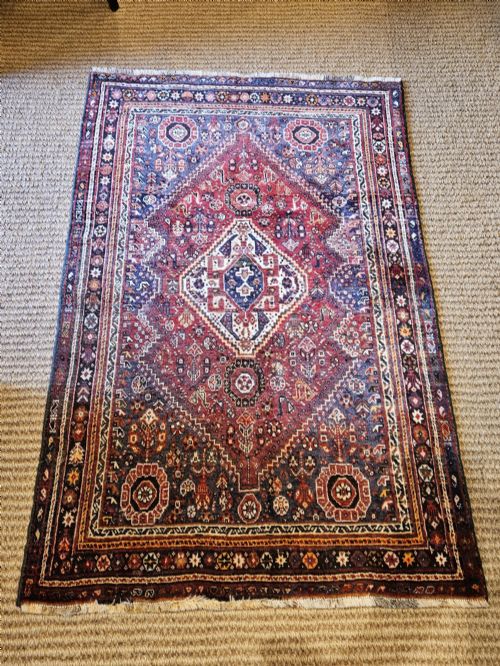
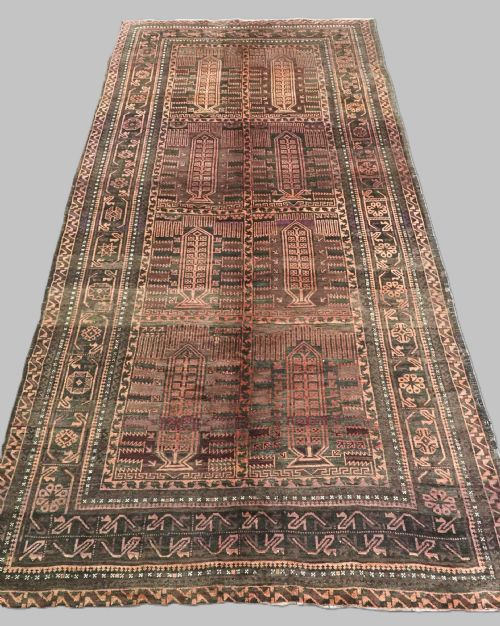
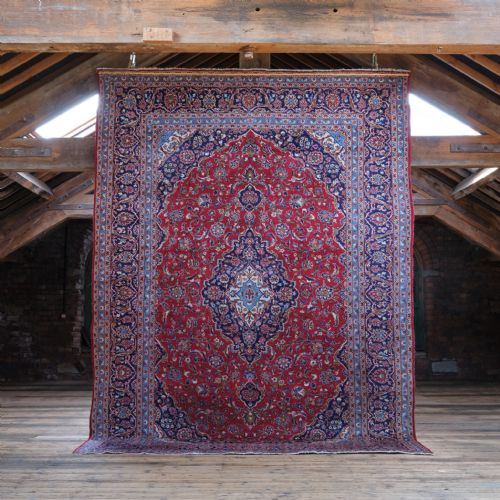
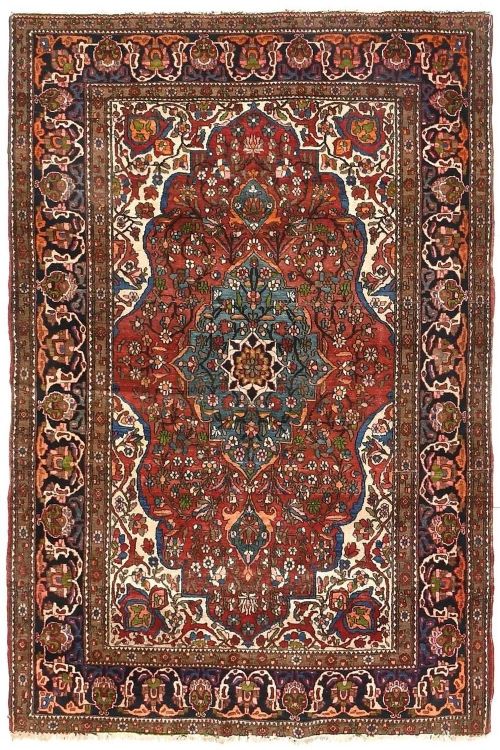
A classic persian area carpet encompasses hand-knotted floor coverings originating from urban workshops and tribal regions across Iran, spanning the late nineteenth and early twentieth centuries. These pieces range from substantial room-sized Heriz and Mahal carpets to smaller, finely detailed Isfahan, Kashan, and Tabriz rugs.
Buyers seeking a classic persian area carpet meet woven works utilising traditional medallion layouts, all-over floral motifs, and tribal field patterns. The listings here showcase examples dating from eighteen seventy to nineteen forty, reflecting both urban court taste and village resilience.
How they were made
Weavers constructed these carpets predominantly with wool piles set upon cotton foundations, occasionally incorporating natural dyes and goat hair for structural borders or binding. The hand-knotting technique allowed workshops to pack dense piles that secured intricate curvilinear and geometric designs.
Makers utilised natural dyes derived from plants and minerals to colour the wool, yielding subtle tonal variations that deepen with age. The warp and weft threads of cotton provided a stable grid, ensuring the carpets maintained their structural integrity through generations of use.
One exceptional village rug records twenty-one birds woven into its classic design.
What varies in quality
The degree of knot density and the precision of the woven pattern largely determine the refinement of a piece, separating coarse tribal utilities from fine city commissions. Tighter knots permit sharper delineation of floral scrolls and medallions, whereas looser structures often define older nomadic or village weaving.
The clarity and saturation of the dye palette also distinguish different tiers of weaving, as master workshops employed superior mordants to fix vibrant rust, indigo, and ivory tones. Pile preservation and even wear across the foundation influence the visual harmony of the surface over time.
Ziegler & Co
The Classic Persian Area Carpet Glossary
- Medallion
- A central ornamental design motif placed in the field of the carpet. This central motif often anchors the symmetrical layout of classic Persian weaving.
- Warp
- The stationary vertical threads stretched across the loom that form the structural skeleton of the rug. Weavers tie the wool knots directly onto these parallel foundation lines.
- Weft
- The horizontal threads passed alternately over and under the warp threads to lock the rows of knots in place. This material contributes to the rigidity and drape of the textile.
- Pile
- The vertical tufts of wool that stand up from the woven foundation to form the usable surface. Pile height varies depending on whether a carpet originated from a nomadic tent or an urban workshop.
- Natural Dyes
- Colourants extracted from plant roots, insects, and minerals rather than synthetic compounds. These dyes create the nuanced, mellowing patination found in older Persian carpets.
Classic Persian Area Carpet: Frequently Asked Questions
How do I identify a Heriz carpet?
Heriz carpets typically display a bold, geometric central medallion coupled with angular corner spandrels and robust, sturdy wool. Their distinct village designs distinguish them from the finer, curvilinear floral patterns of urban city workshops.
You will often notice a heavier fabric weight and a clear, direct palette dominated by rust, red, and navy tones that suit high-traffic rooms.
Where were Isfahan rugs made?
Isfahan rugs originate from the historic city of Isfahan in central Iran, renowned for its sophisticated court workshops and master weavers. These pieces are celebrated for their exceptionally refined floral compositions and delicate, intricate detail.
Living with an Isfahan piece brings a high degree of formal artistry into a room, reflecting centuries of Persian design tradition.
Can I place these carpets in a hallway?
Many area rugs and room-sized carpets suit heavy traffic areas provided they rest on a quality, breathable underlay. The durable wool piles and sturdy cotton foundations handle everyday movement while protecting the underlying floor.
Rotating the rug periodically ensures even wear patterns across the surface over the years.
What is the difference between village and city rugs?
Village rugs from regions like Timuri, Baluch, or Qashqai feature geometric motifs, memory-woven designs, and earthier tones. City rugs from Kashan, Tabriz, or Kirman display precise, symmetrical floral scrolls drawn by professional cartoonists.
Both types utilise hand-knotted wool and natural dyes, but their aesthetic language reflects distinct cultural and geographic origins.