

Crimson Area Rug
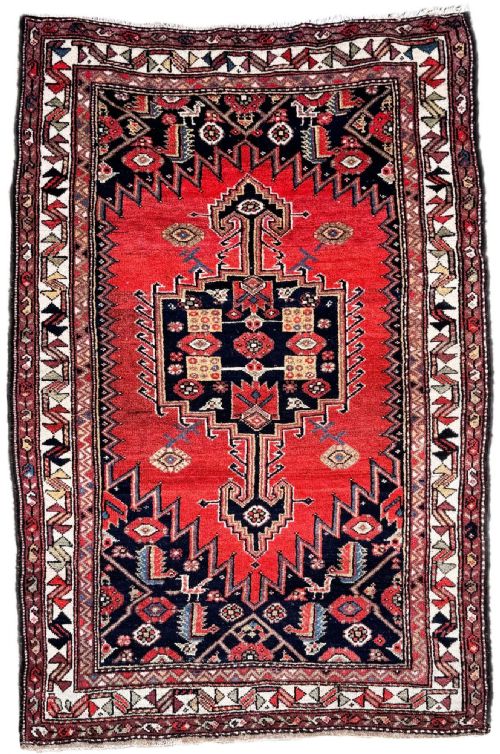
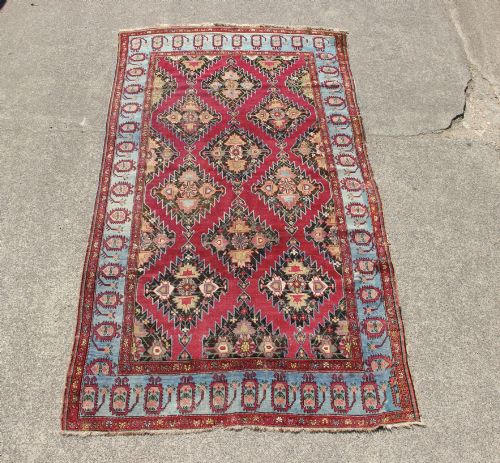
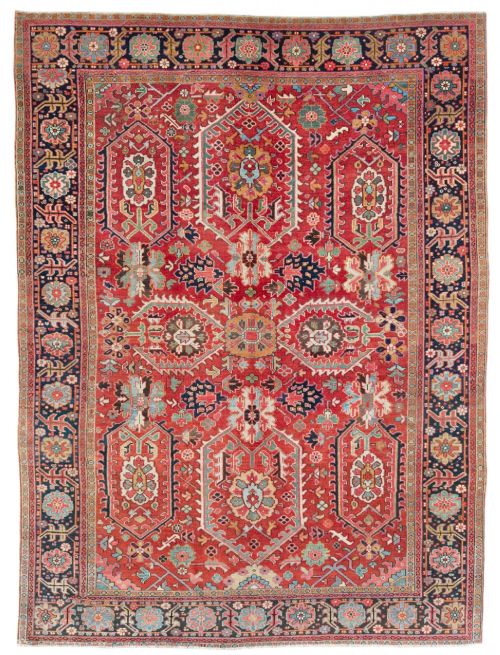
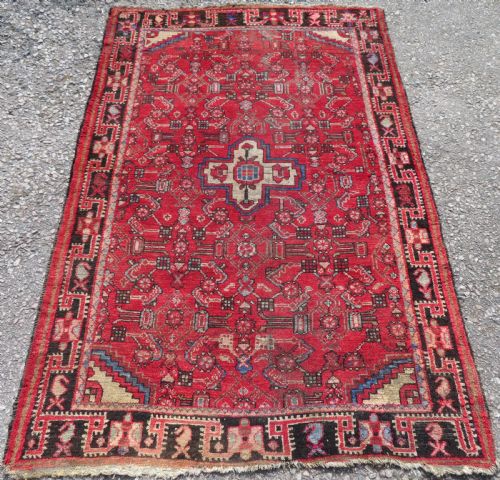
A crimson area rug brings deep red warmth and intricate regional patterns to a floor, anchored in centuries of weaving tradition from Central Asia and Persia.
Crimson Area Rug
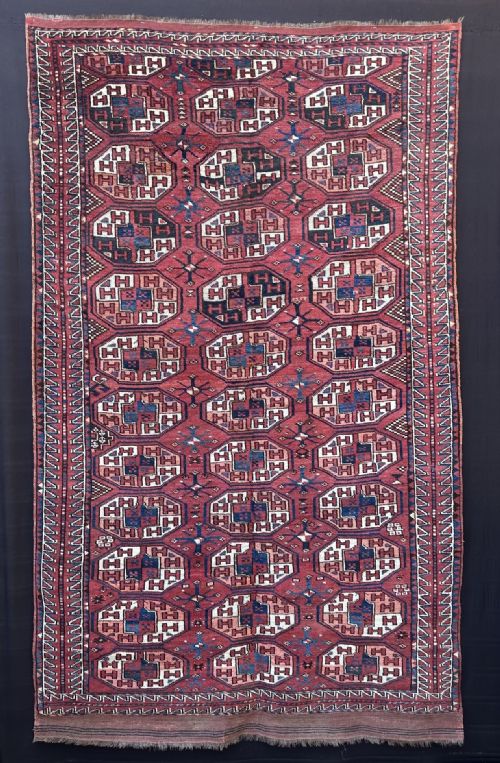
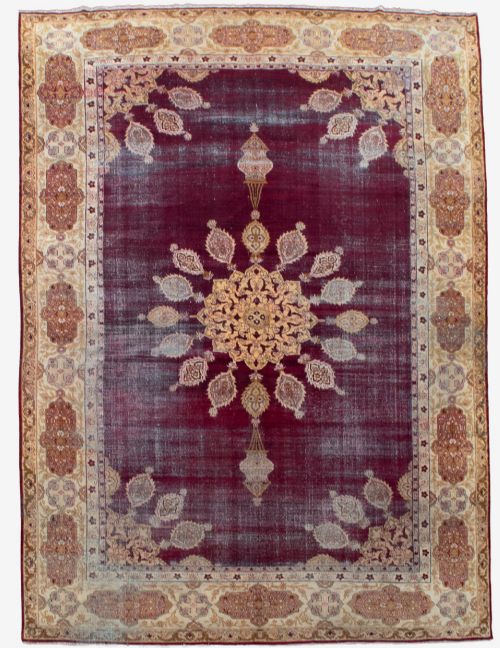
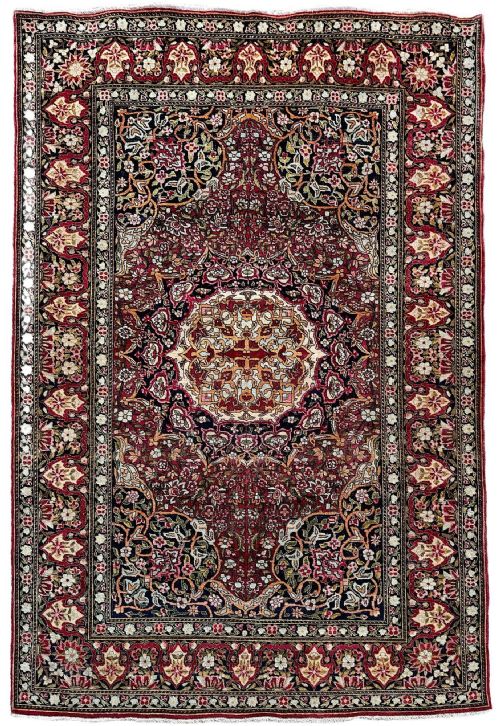
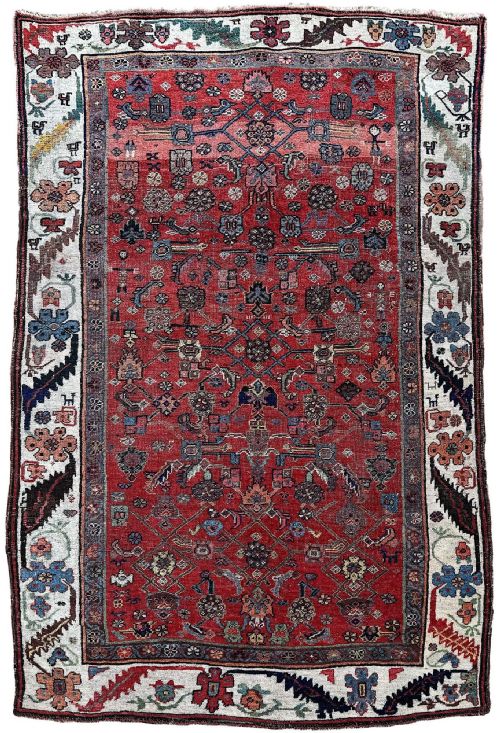
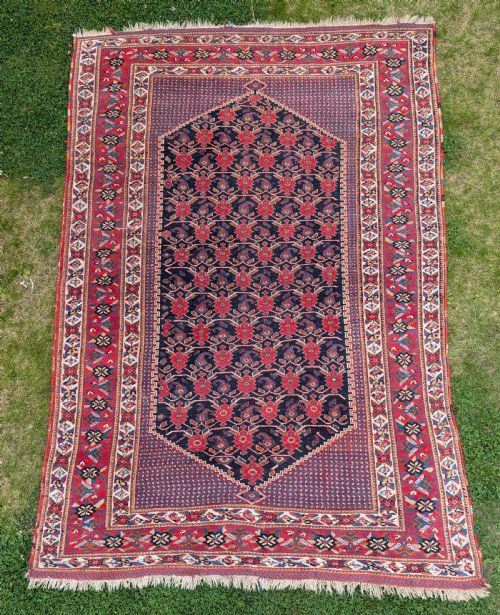
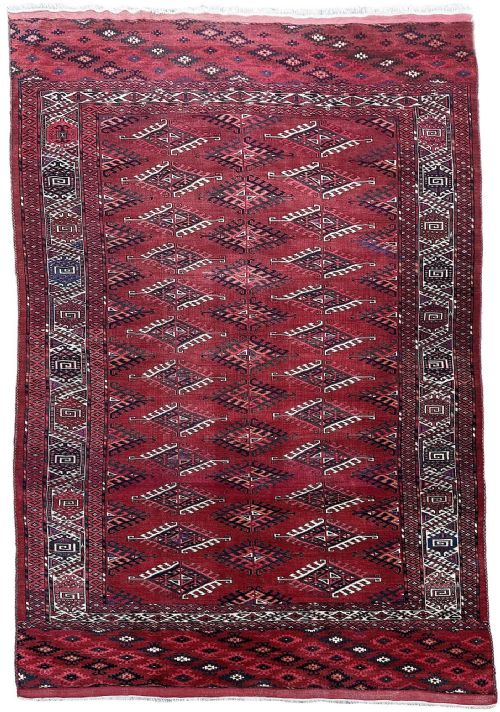
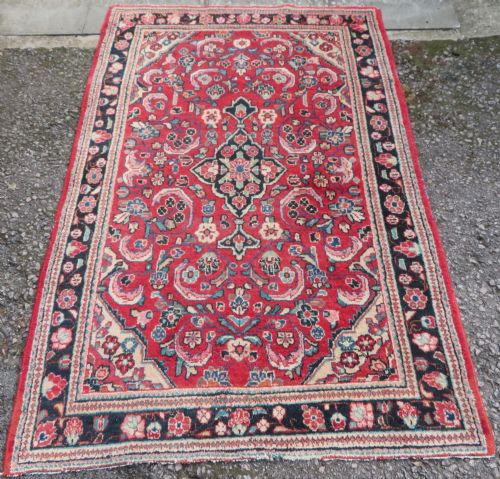
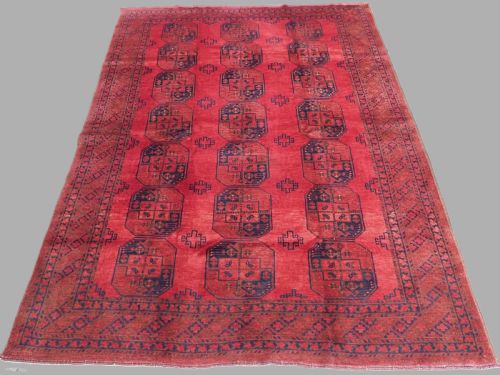
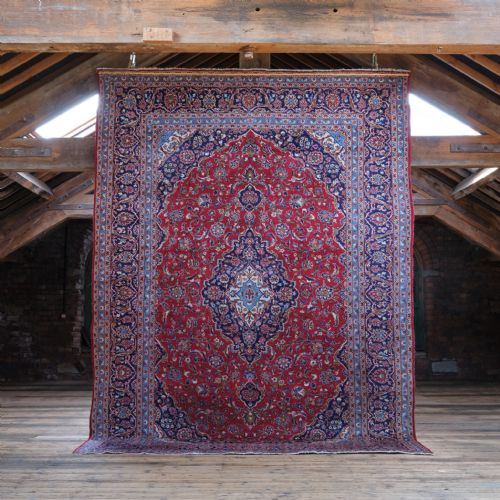
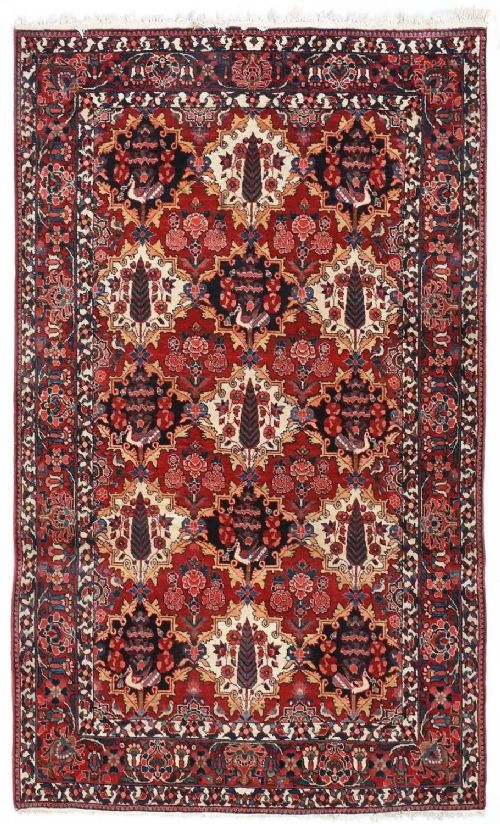
A crimson area rug encompasses hand-knotted and woven floor coverings spanning the nineteenth and early twentieth centuries, originating from Persian and Central Asian weaving traditions. These textiles include village and nomad works alongside grander city carpets from centres such as Kashan, Kirman, and Heriz.
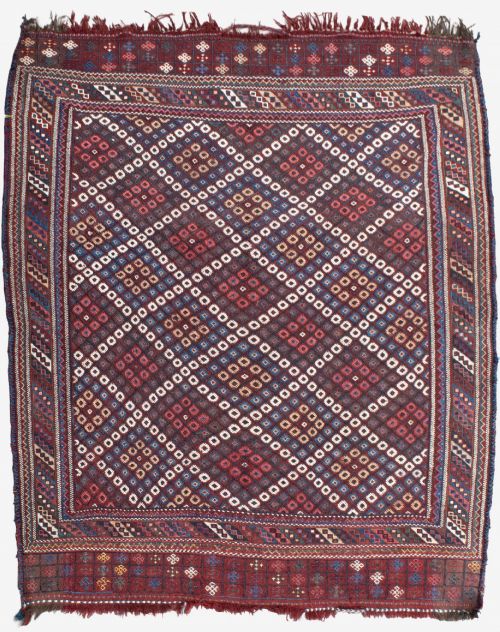
The pieces on this page lean heavily towards authentic Persian and tribal formats, including room-sized carpets, smaller village rugs, and specialised prayer rugs. Formats range from intimate tribal pieces produced by groups like the Turkmen and Afshar to expansive country house carpets.
Makers and weavers utilised traditional regional motifs, geometric medallions, and complex floral arrangements that define the character of each piece. Buyers encounter diverse regional identities, from the rustic charm of Hamadan to the refined detail of Isfahan and Qum.
Materials and construction methods
Weavers relied primarily on natural wool, cotton foundations, and occasional silk highlights to build durable pile surfaces. Hand-spun wool provides the tactile weight and resilience seen in these vintage floor coverings.
Natural dyes produced the characteristic deep reds and secondary tones that define these textiles, yielding rich colour variations across the surface. Artisans tied dense knots by hand onto cotton or wool warp and weft foundations, ensuring long-term structural integrity.
The listings on this page span several decades of production from the nineteenth and twentieth centuries, featuring wool, cotton, and silk materials.
Distinctions in quality
Quality rests upon knot density, the precision of the design execution, and the depth of the palette. Finer city rugs exhibit meticulous floral detail, whereas robust tribal pieces derive their strength from graphic impact and resilient wool.
The condition of the pile and the integrity of the original borders and fringes significantly influence the overall standard of a carpet. Pieces retaining their natural dye variations and original dimensions command greater appreciation among collectors.
The Crimson Area Rug Glossary
- Warp
- The vertical threads stretched lengthwise on a loom that form the foundational skeleton of the rug. Fringe ends typically originate from these sturdy parallel cords.
- Weft
- The horizontal threads passed across the warp strands to lock the knots in place after each row. This structural element contributes to the firmness and drape of the textile.
- Pile
- The upright yarn loops or cut ends that create the usable surface of the carpet. Dense pile provides comfort underfoot and protects the structural foundation beneath.
- Natural Dyes
- Colorants derived from plants, insects, and minerals rather than synthetic chemical compounds. These dyes age gracefully, developing soft patinas over decades of exposure.
- Sofreh
- A specialised flatwoven or piled cloth used traditionally for preparing bread or sharing meals within nomadic households. These textiles often feature minimalist tribal symbols and stark geometric fields.
Crimson Area Rug: Frequently Asked Questions
How do I choose the right size rug?
Consider the proportions of your room and the furniture arrangement you intend to use. Room-sized carpets anchor central seating areas, while smaller runner and village formats suit hallways and compact spaces.
Measure your floor space carefully and leave a border of exposed flooring around the perimeter. This frames the textile and maintains visual balance within the interior.
How do I care for an antique rug?
Vacuum gently on a low suction setting without using a rotating beater brush that might catch the old wool pile. Keep the rug out of harsh, direct sunlight to prevent fading of the natural red dyes over time.
Rotate the rug periodically to ensure even wear from foot traffic and furniture placement. Professional cleaning by specialists in antique textiles is recommended every few years.
How do I distinguish tribal from city rugs?
Tribal rugs typically feature geometric patterns, bold amulets, and asymmetric designs woven by nomadic or village communities from memory. City carpets display refined curves, precise floral medallions, and balanced symmetry planned out on paper cartoons.
Examine the irregularity in the weave and the use of spontaneous motifs for tribal origins. City works demonstrate tighter knot counts and formal architectural layouts.
What is a prayer rug?
A prayer rug is a smaller format textile featuring a distinct mihrab or arch design indicating the direction of prayer. These pieces were traditionally used for daily devotions and personal reflection.
Collectors prize them for their concentrated symbolism and intimate scale. They function effectively as decorative wall hangings or accent pieces in quiet corners.