

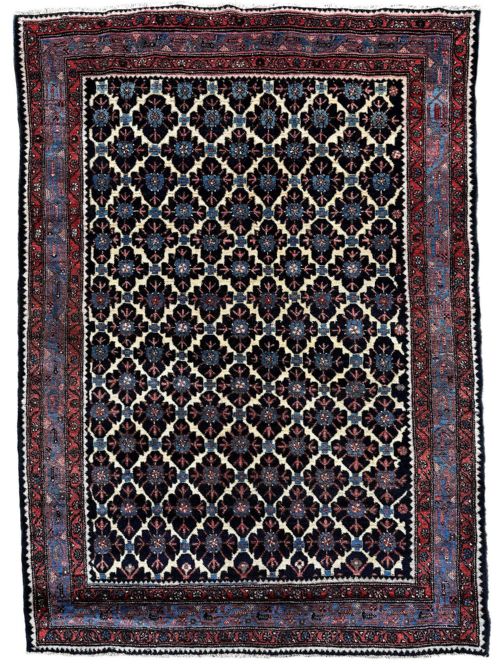
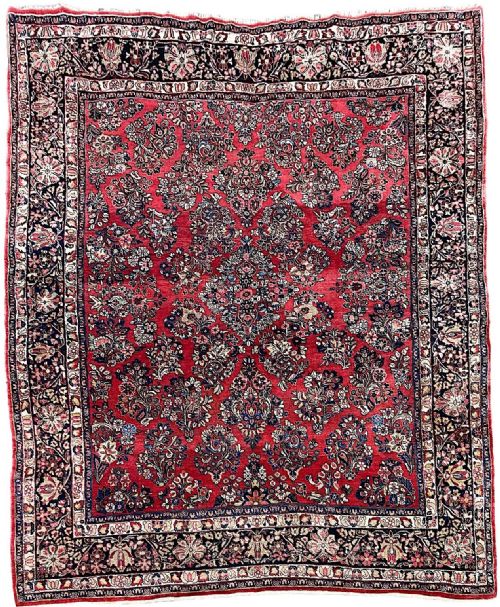
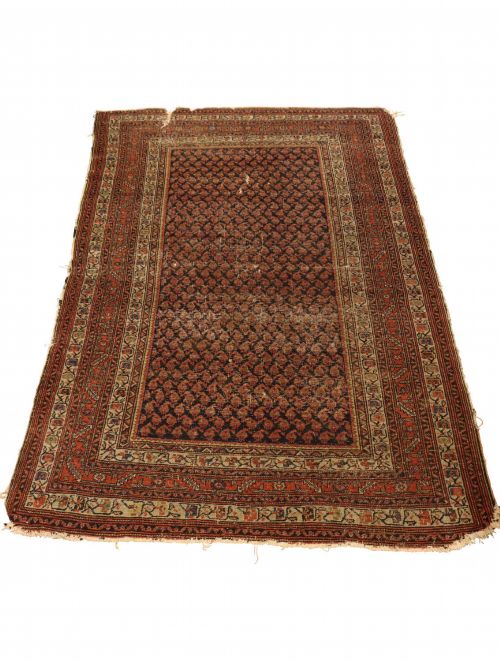

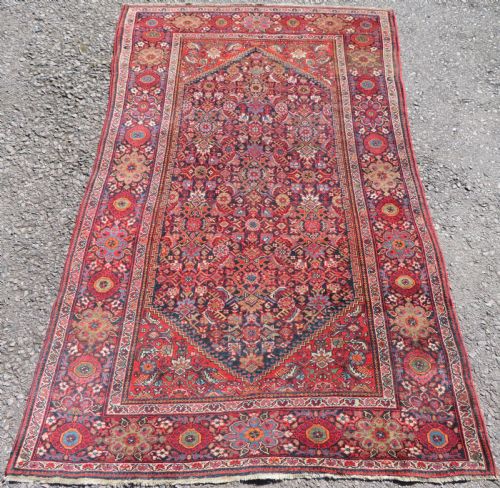


Navy Patterned Carpet
These navy patterned carpet selections offer durable floor coverings rooted in traditional Persian and Caucasian workshops.
Navy Patterned Carpet
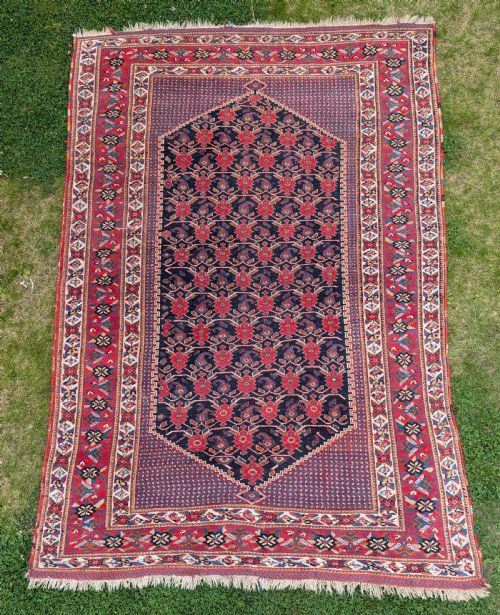
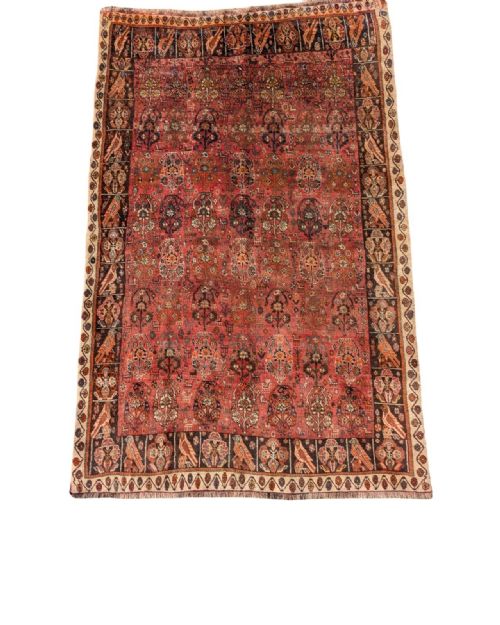
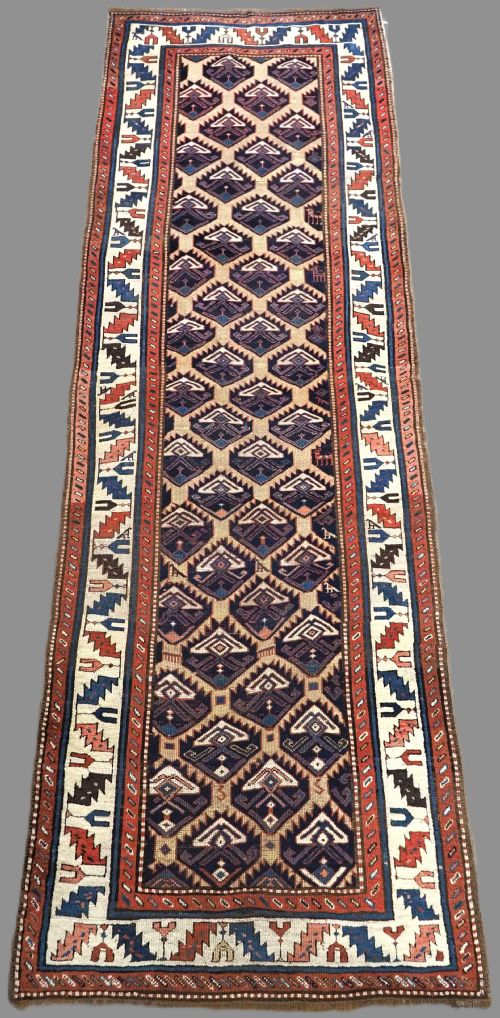
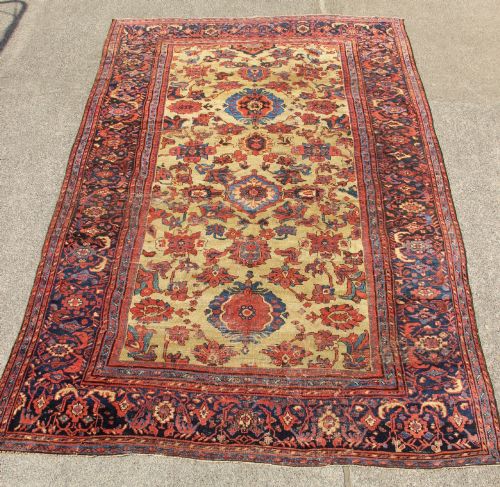
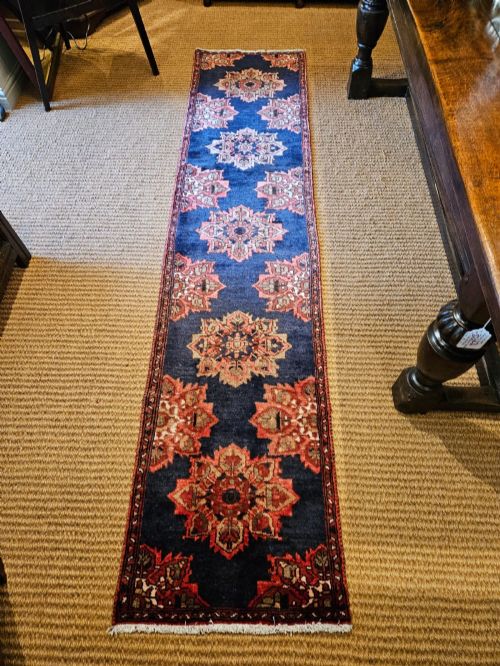
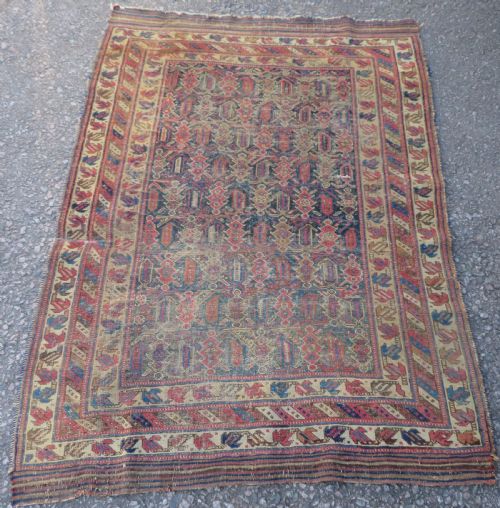
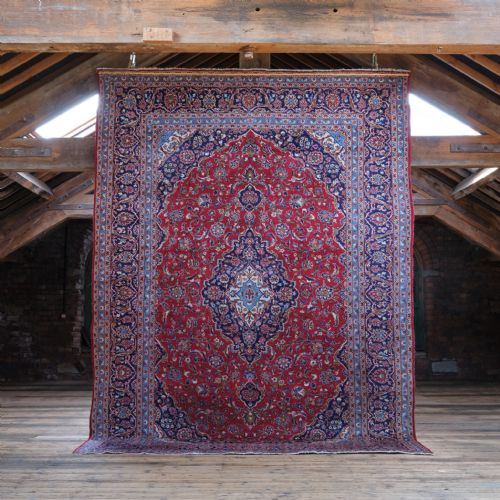
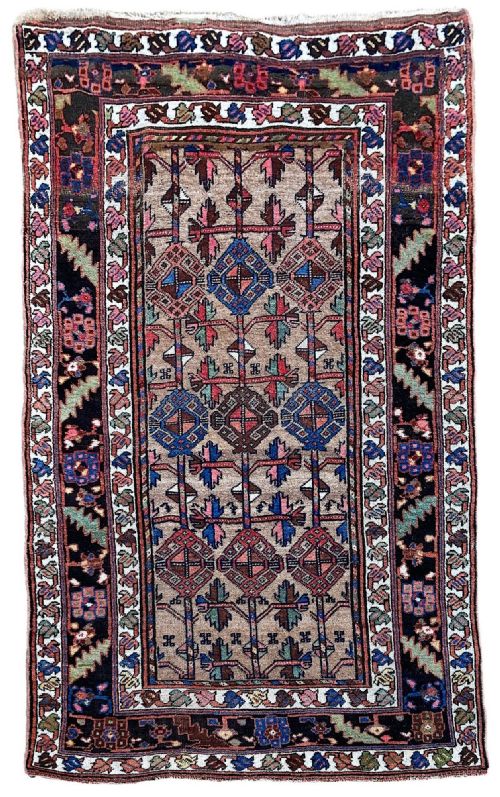
When searching for a navy patterned carpet, buyers encounter hand-knotted floor coverings originating from nineteenth-century and early twentieth-century weaving traditions. The selection includes village rugs, tribal runners, and large carpets from distinct regional workshops.
Most examples hail from Persian and Caucasian centres, showing traditional patterns like boteh, lattice work, and all-over geometric motifs. Pieces range from room-sized carpets down to narrow hallway runners.
Dating spans from the late nineteenth century through the 1940s, encompassing production periods from 1870 to 1940. These floor coverings bridge country house utility with distinct regional design styles.
Materials and construction methods
The pieces on this page rely on wool and cotton construction materials, often utilising hand-spun wool for the pile. Natural dyes provide the underlying palette, creating depth within the navy and contrasting coloured areas.
Weavers knotted the wool pile by hand onto sturdy cotton foundations, securing the structure for longevity. This traditional hand-knotted technique allowed makers to achieve intricate geometric and curvilinear designs.
Peacocks and animals occasionally wander across the geometric fields of these traditional tribal rugs.
Judging quality and character
Knot density and the precision of the hand-knotted work distinguish finer workshop carpets from simpler tribal weaves. The quality of the natural dyes and the crispness of the pattern lines also dictate the visual strength of a piece.
Surface wear and natural distressing alter the appearance of older rugs, where gentle fading of the wool pile reveals the history of the textile. Collectors weigh the integrity of the foundation against the charm of patination.
The Navy Patterned Carpet Glossary
- Boteh
- A stylised almond or paisley motif found throughout Persian and Caucasian weaving. This ancient symbol appears repeatedly in regional textile designs.
- Runner
- A long, narrow carpet format designed for hallways and corridors. These pieces accommodate restricted floor spaces while displaying full regional patterns.
- Hand-Knotted
- A construction method where individual tufts of wool are tied by hand to warp threads. This labour-intensive process creates durable, flexible floor coverings.
- Natural Dyes
- Colourants derived from plant and mineral sources rather than synthetic chemicals. These dyes yield rich hues that age with characteristic depth.
- Kelleh
- A specific format of Persian carpet that is longer than it is wide. These pieces sit between standard area rugs and large gallery carpets in proportion.
Navy Patterned Carpet: Frequently Asked Questions
How do I place a carpet in a hallway?
Narrow runner formats fit easily into corridors, adding texture and colour beneath foot traffic while protecting underlying floorboards.
Ensure you measure both the length and width of the hallway carefully to leave an even margin of exposed floor around the edges.
Are these rugs suitable for daily use?
Traditional wool construction and sturdy cotton foundations provide the durability needed for active living spaces and everyday walking.
Using an appropriate underlay helps secure the textile in place and cushions the pile against hard flooring.
How can I tell a Caucasian rug from a Persian one?
Caucasian pieces typically display bolder geometric motifs and sharper angles, reflecting village and tribal traditions from northern regions.
Persian examples often incorporate more curved floral elements and intricate medallion layouts developed in established weaving towns.
What causes colour variation in old wool?
Natural dyes react to sunlight and age over decades, leading to subtle shifts in tone known as abrash across the wool pile.
This gentle weathering process adds individual character and visual movement to antique floor coverings.