

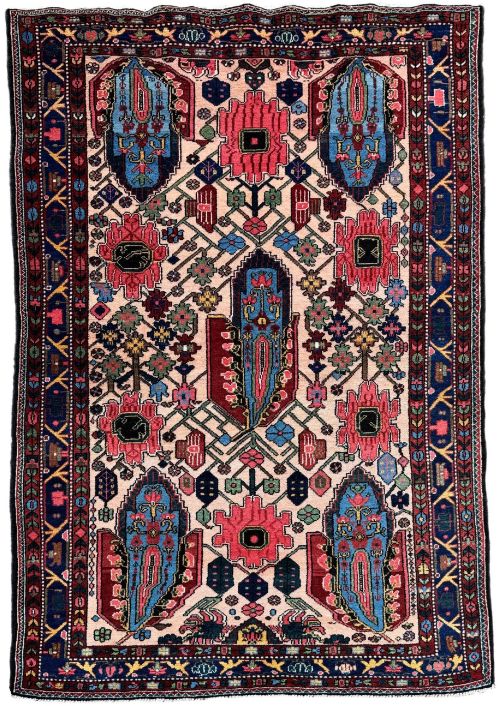
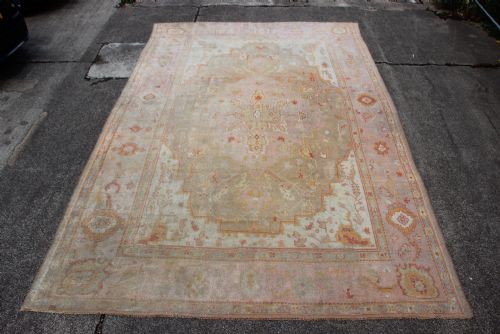
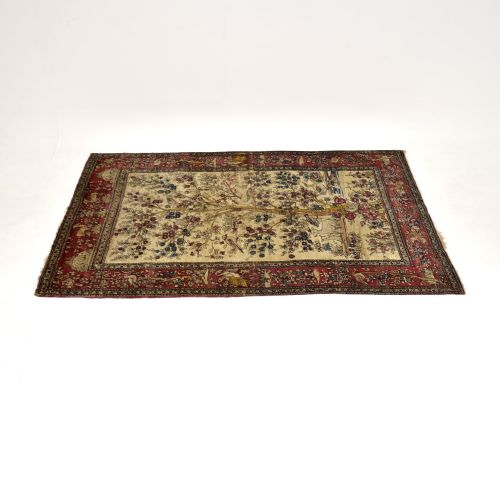
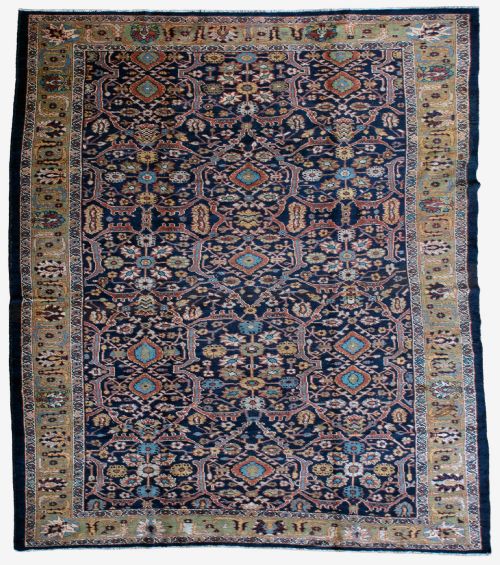
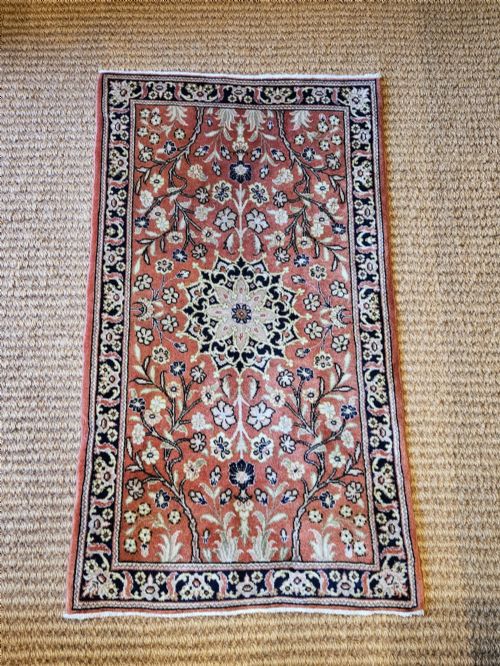
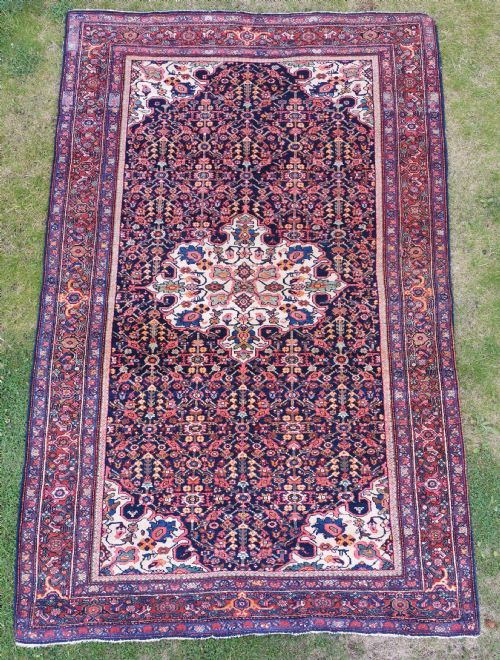
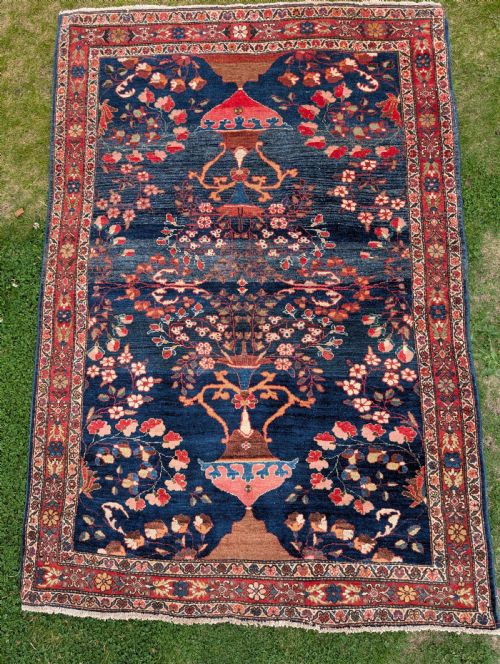
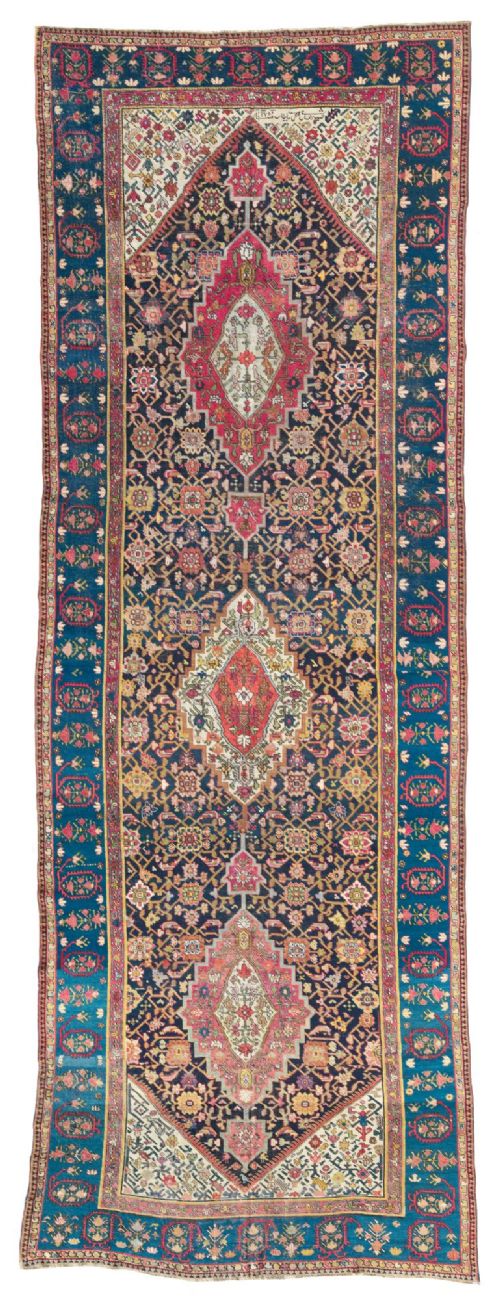
Antique Floral Wool Rug
An antique floral wool rug brings rich regional pattern and deep pile texture into a room, offering centuries of woven history.
Antique Floral Wool Rug
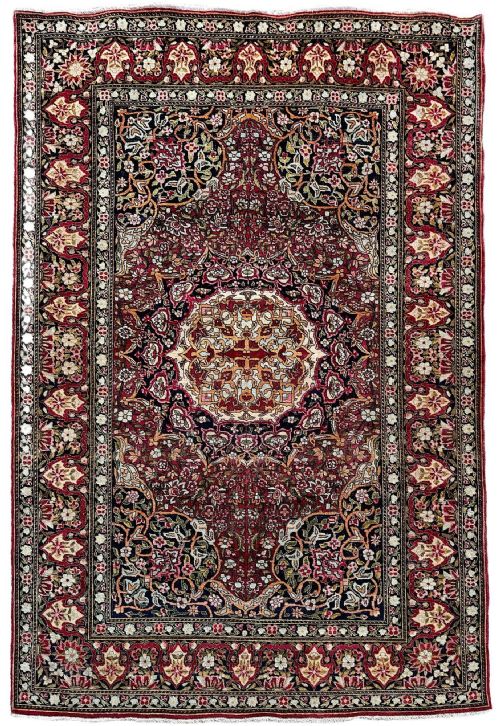
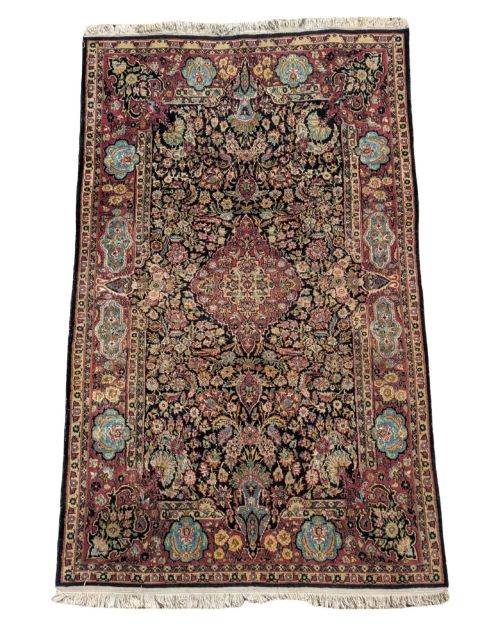
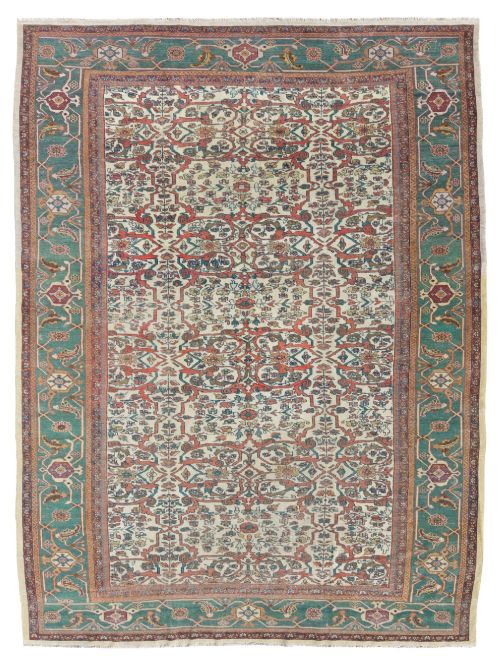
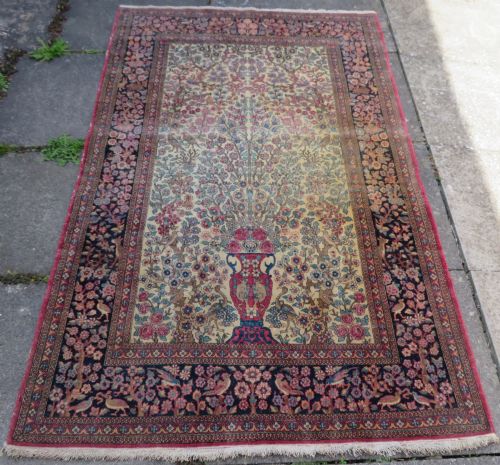
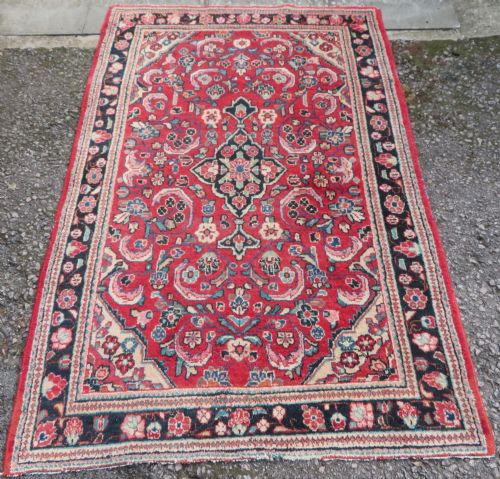
When searching for an antique floral wool rug, collectors encounter room-size carpets, smaller area pieces, and runners hailing predominantly from Persian, Caucasian, and Ottoman traditions spanning the mid-nineteenth century to the early twentieth century. These textiles include village and city productions such as Mahal, Heriz, Tabriz, and Oushak, each displaying distinct botanical motifs rendered in various scales.
The versions most commonly met on this page date from the 1880s to the 1930s, reflecting diverse regional aesthetics from West Persia to the Caucasus. Buyers find everything from large country house carpets to compact scatter rugs and prayer rugs, incorporating floral lattices, tree of life designs, and medallion layouts.
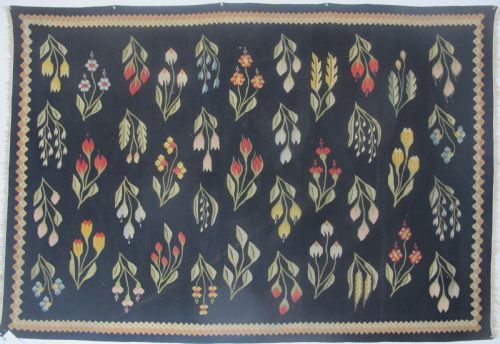
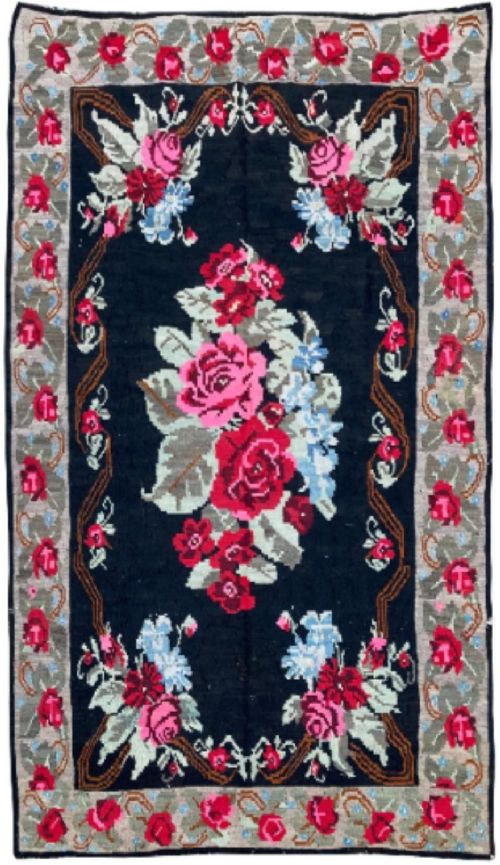
Regional weaving centres dictate the specific character of these pieces, grouping them into recognisable types like Bakhtiar, Saroukh, and Kirman. The selection encompasses traditional Persian patterns alongside Eastern European folk art and Anatolian formats, providing numerous interpretations of floral composition.
Materials and construction methods
These floor coverings rely fundamentally on wool for the pile, often combined with cotton foundations for structural stability and durability. Certain examples incorporate silk highlights to accentuate specific botanical details within the design.
Weavers employed traditional hand-knotting and flat-weaving techniques, utilising natural dyes derived from plants and minerals to achieve deep, enduring hues. The density of the knotting and the quality of the wool preparation determine the weight and hand of each finished textile.
Antique Floral Wool Rug Retail Price Guide 2026
Typical asking prices for floral wool rug among the pieces listed under this phrase on Sellingantiques today, from the lower quarter to the upper quarter. They describe what is for sale here now, not the wider market.
The listings span eight distinct decades of production, ranging from the 1850s through to the 1930s.
Evaluating quality and execution
The distinction between standard and superior pieces rests on the precision of the botanical drawing and the complexity of the colour palette. Finer examples display meticulous knot density that allows intricate floral curves and lattice work to remain crisp and legible.
Material selection also separates grades of production, where high-grade lanolin-rich wool and carefully spun cotton foundations yield greater resilience and a more supple drape. The harmony of the natural dye saturation across the field indicates the skill of the original workshop.
The Antique Floral Wool Rug Glossary
- Kelleh
- A long, narrow format carpet traditionally designed for specific reception rooms in Persian houses. These pieces offer an elongated field layout often filled with repeating floral motifs.
- Kilim
- A flat-woven textile produced without a pile, created by tightly interweaving warp and weft strands. This technique results in a durable, reversible fabric with flat geometric and floral-inspired patterns.
- Prayer rug
- A small format textile featuring a distinct mihrab or arch design at one end, historically oriented towards Mecca during daily prayers. These rugs frequently incorporate concentrated floral lattice and tree of life motifs.
- Runner
- A long, narrow carpet format intended for hallways, corridors, or alongside beds. They adapt complex medallion or repeating floral patterns to a linear scale.
- Medallion
- A central ornamental motif placed in the middle of the carpet field, usually symmetrical and surrounded by floral sprays. It serves as the primary compositional focus for many traditional oriental carpets.
Antique Floral Wool Rug: Frequently Asked Questions
How do I clean an old wool rug?
Professional specialist cleaning is essential for these textiles to protect the natural wool fibres and traditional dyes from damage.
Routine maintenance involves gentle surface vacuuming without a rotating beater bar to prevent fibre degradation over time.
Can I place these rugs in heavy traffic areas?
Sturdily constructed wool pile pieces tolerate moderate foot traffic when supported by a quality underlay that reduces friction and wear.
Delicate silk highlight examples or fragile flatweaves benefit from placement in low-traffic settings to preserve their structural integrity.
How do I identify different regional rug styles?
Distinguishing regional origins relies on examining the specific palette, border arrangements, and structural motifs characteristic of weaving centres like Heriz or Tabriz.
Knot count, foundation materials, and specific floral drawing styles further differentiate village productions from formal city workshop carpets.
What underlay should I use underneath?
A breathable, non-slip rug pad prevents sliding on hard floors while allowing proper air circulation beneath the textile.
Choosing a custom-cut natural rubber and felt underlay also provides cushioning that protects the wool foundation from premature compression.