



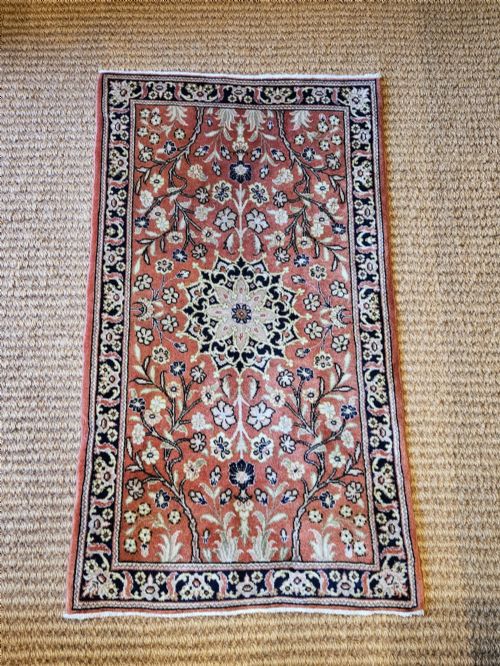


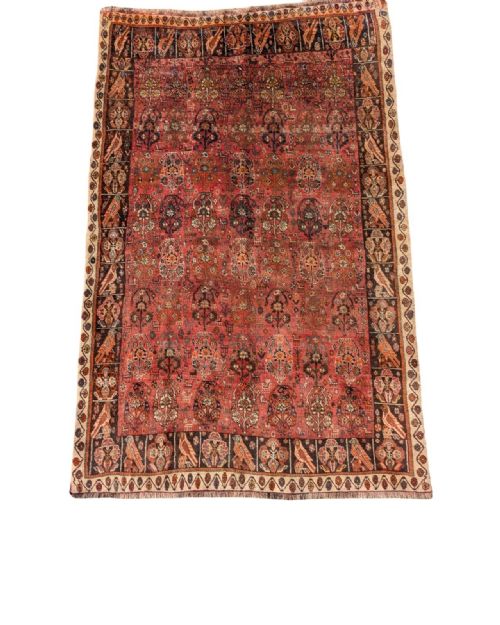
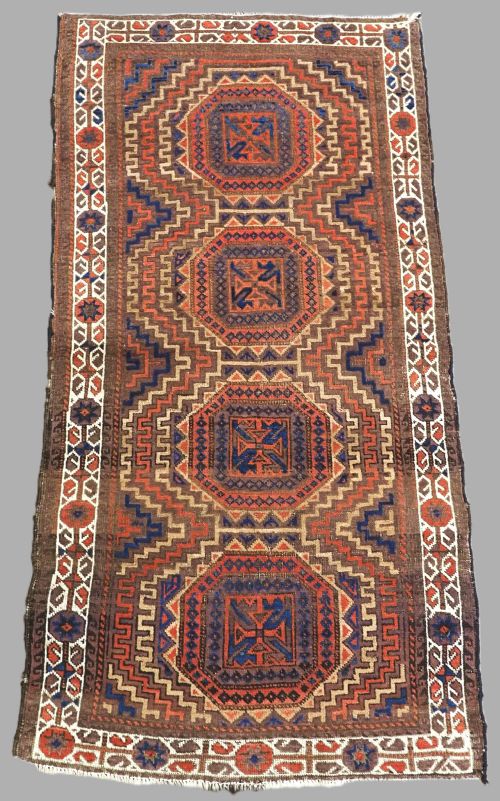
Terracotta Oriental Carpet
A terracotta oriental carpet brings warmth and deep earthy palettes into a room, offering genuine hand-knotted artistry from nineteenth and early twentieth century workshops.
Terracotta Oriental Carpet
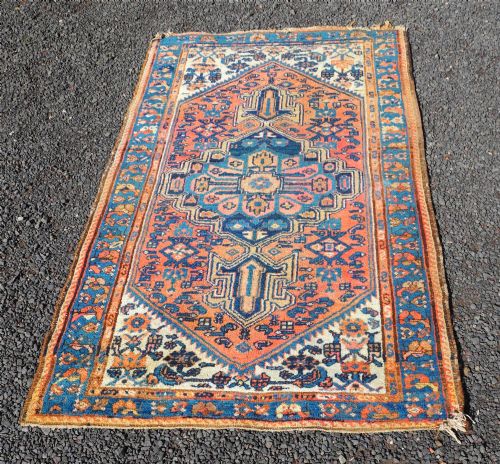
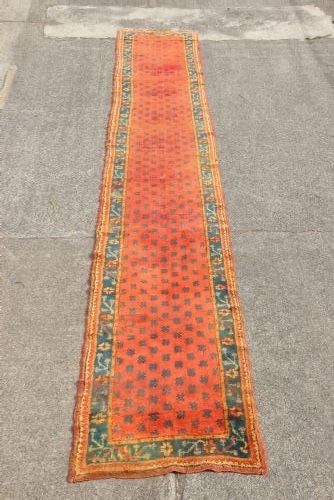
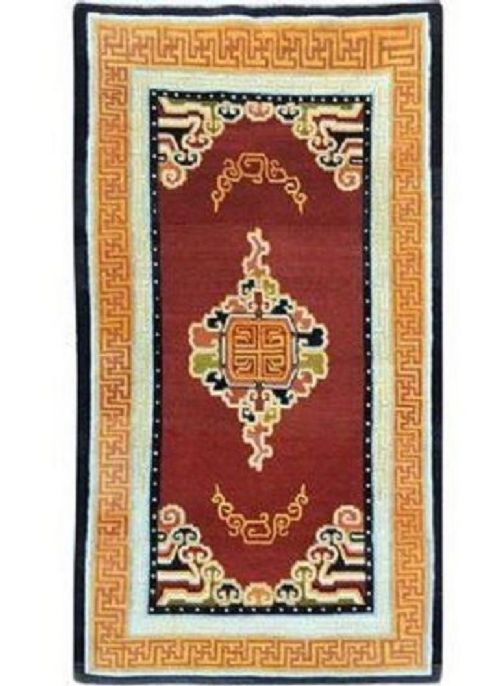
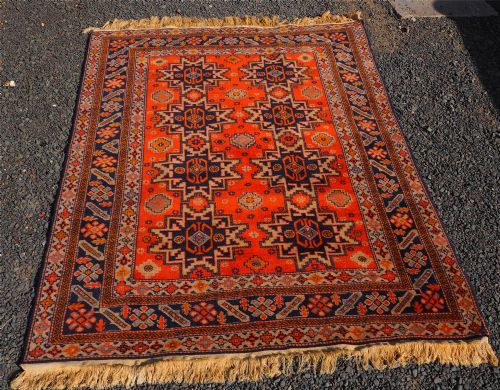
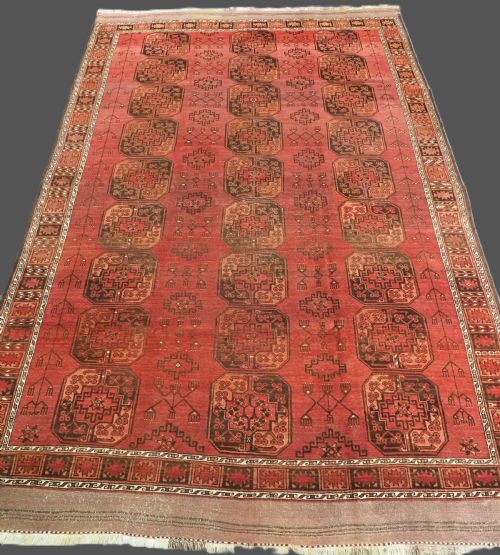
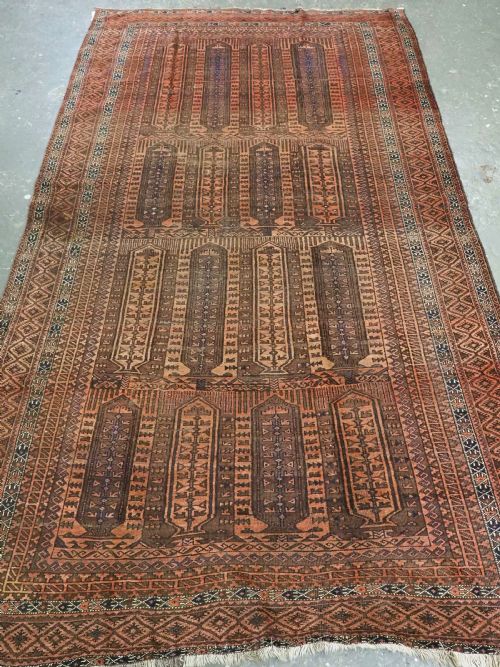
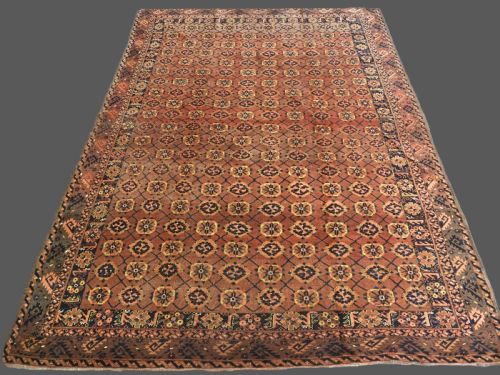
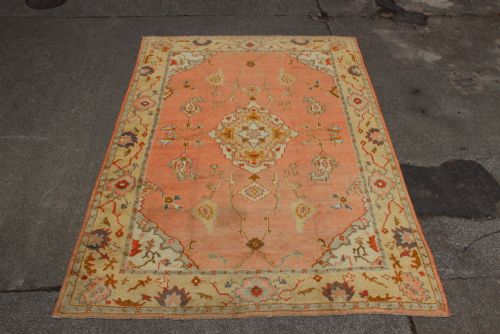
When searching for a terracotta oriental carpet, buyers encounter hand-knotted floor coverings hailing predominantly from Persian, Turkish, Caucasian, and Turkmen traditions. The selection spans compact hearth rugs, long narrow runners, and large village or tribal carpets dating from the mid-nineteenth century through to the early twentieth century.
Village and tribal formats dominate the selection, including Heriz, Oushak, Baluch, and Afshar weaves. These pieces often display geometric medallions, boteh motifs, or tribal guls rendered in earthy red and terracotta tones derived from natural dyestuffs.
How They Were Made
Weavers constructed these carpets using hand-spun wool and cotton foundations, occasionally incorporating silk or camel hair for specific tactile contrasts. Natural dyes provided the rich terracotta, madder, and indigo hues that stabilise and mellow gracefully over decades of light and use.
Traditional hand-knotting techniques tied piles securely to warp and weft threads, creating dense structures designed to endure heavy foot traffic. Edge finishes and kilim ends varied by region, reflecting the distinct tribal and workshop methods of Anatolia, Persia, and Central Asia.
Terracotta Oriental Carpet Retail Price Guide 2026
Typical asking prices for terracotta oriental carpet among the pieces listed under this phrase on Sellingantiques today, from the lower quarter to the upper quarter. They describe what is for sale here now, not the wider market.
Listings feature nineteenth and early twentieth century formats, spanning Persian Heriz, Caucasian tribal rugs, and Turkish Oushak runners in natural wool and cotton.
What Varies in Quality
Knot density and the precision of the tribal or geometric cartoon dictate the structural calibre of the rug. Finer weaves allow for sharper delineation in medallions and border details, separating everyday village utility pieces from finer workshop productions.
The integrity of the wool pile and the retention of natural dye saturation determine visual presence. Even wear across a healthy foundation retains character, whereas extensive pile loss alters the textural balance of the surface.
The Terracotta Oriental Carpet Glossary
- Medallion
- A central ornamental motif dominating the field of the carpet. It typically anchors the geometric or floral composition of the design.
- Warp
- The vertical threads stretched lengthwise on the loom that form the structural skeleton of the carpet. Fringe ends usually expose these foundational cords.
- Weft
- The horizontal threads passed alternately over and under the warp threads to bind the knots in place. They contribute to the structural firmness of the weave.
- Gul
- A repeating octagonal or medallion-like motif characteristic of Turkmen and Baluch weaving traditions. Each tribal group utilised distinct variations.
- Boteh
- An ancient almond-shaped or paisley motif representing a floral spray or cypress tree. It appears frequently in Persian and Caucasian village rugs.
- Kilim
- A flat-woven section at the ends of a pile carpet, created without knots using only warp and weft. It acts as a protective border against fraying.
Terracotta Oriental Carpet: Frequently Asked Questions
How do I clean an antique oriental carpet?
Professional specialist cleaning is essential for antique wool and natural dye rugs. Avoid domestic machine washing or harsh chemical treatments that strip natural oils from the fibres.
Regular gentle vacuuming without a rotating beater bar prevents dust accumulation within the pile. Keeping the rug out of direct, harsh sunlight preserves the terracotta and madder tones over time.
Are these carpets suitable for heavy hallway traffic?
Many traditional village runners and carpets utilise dense hand-spun wool designed to withstand generations of use. Placing a quality underlay beneath the rug prevents sliding and cushions the foundation against hard floors.
Turn the carpet periodically to ensure even wear patterns across high-traffic areas. Wool naturally resists dirt and springs back under pressure, making it ideal for active domestic spaces.
How can I tell a tribal rug from a workshop piece?
Tribal rugs usually feature asymmetric, spontaneous geometric patterns and heavier wool handles woven on portable looms. Their designs reflect local heritage rather than formal architectural cartoons.
Workshop carpets display finer symmetry, curated floral medallions, and tighter knot counts produced in established regional centres. Both styles utilise traditional natural dyes but present distinct aesthetic signatures.
What does a terracotta colour palette indicate?
Terracotta tones typically signal the use of natural madder root dyes common in Persian and Anatolian weaving regions. These earthy red hues mellow into soft, warm variations as the wool ages.
Over decades, exposure to light and air interacts with natural dyes to create abrash, a subtle tonal variation within the colour field. This variation is a hallmark of authentic hand-dyed wool.