
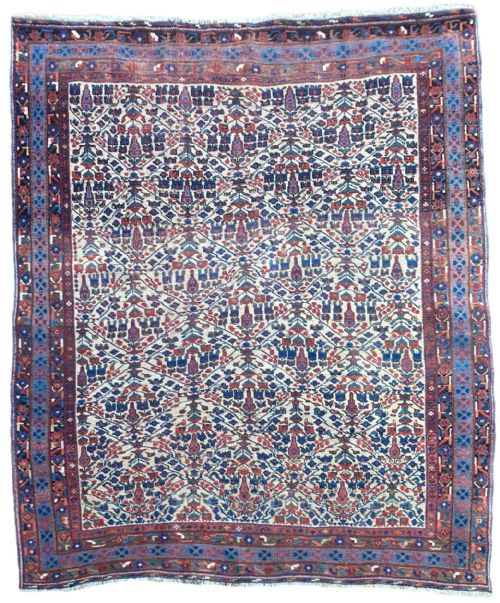


Antique Kerman Carpet
An antique kerman carpet brings rich South Persian artistry into a room, offering enduring wool textiles woven with traditional floral and tribal designs.
Antique Kerman Carpet
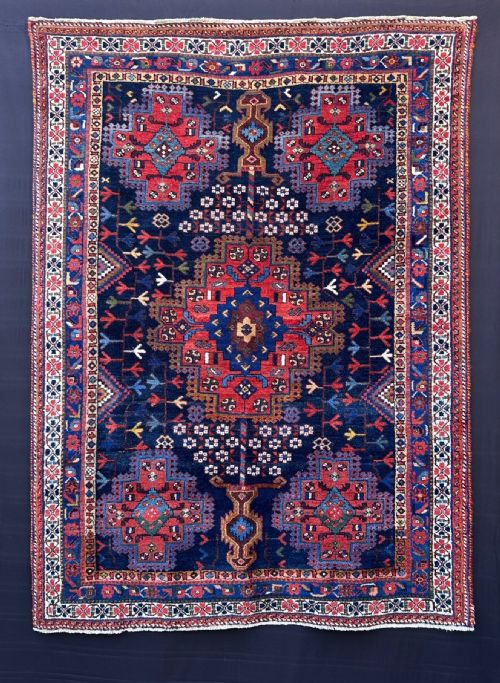
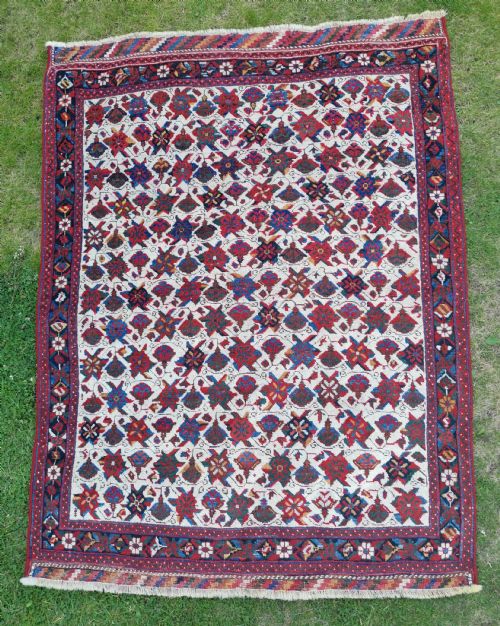
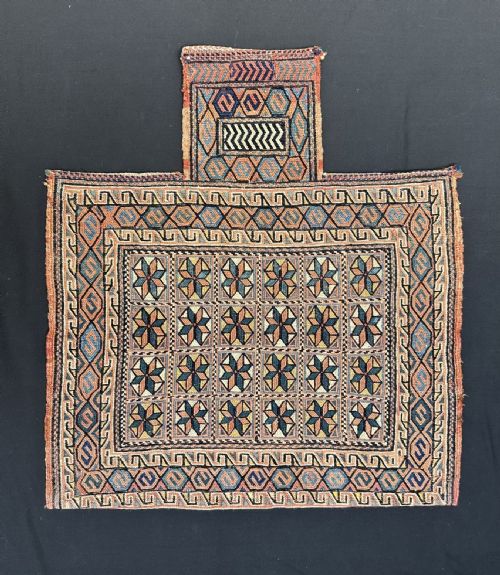
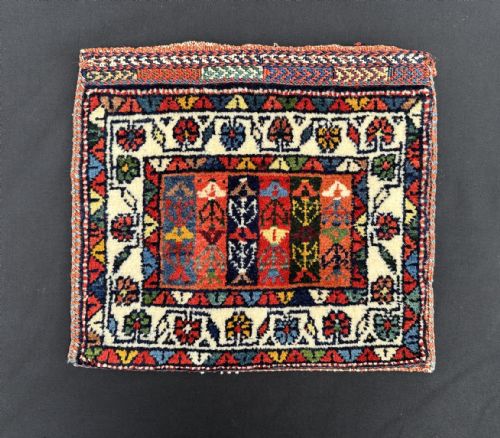
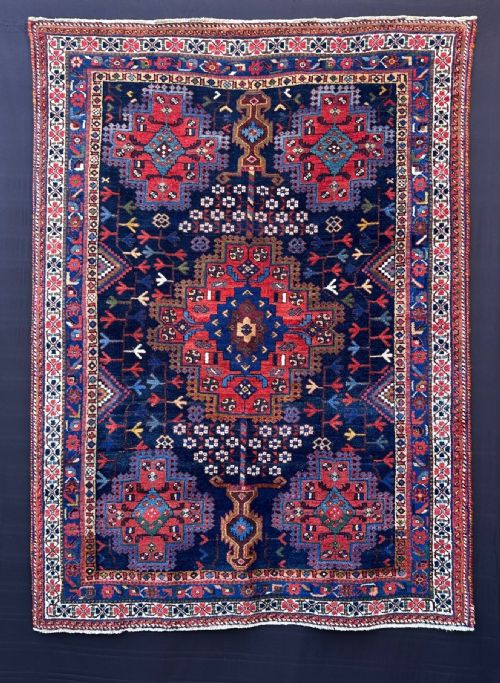
An antique kerman carpet originates from the Kerman Province of South Persia, encompassing room-size formats, large carpets, mats, and tribal pieces. These textiles include regional works such as Afshar rugs from the Neiriz region and Bardsir, alongside specialised forms like salt-bags, vanity-bags, and Soumak weavings.
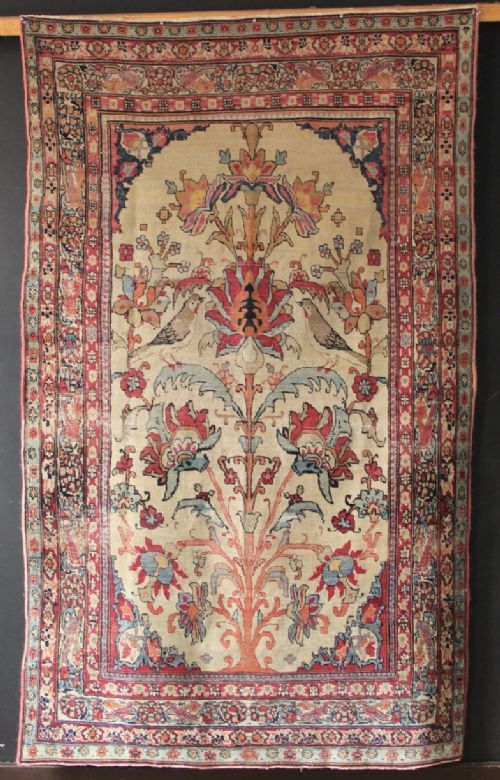
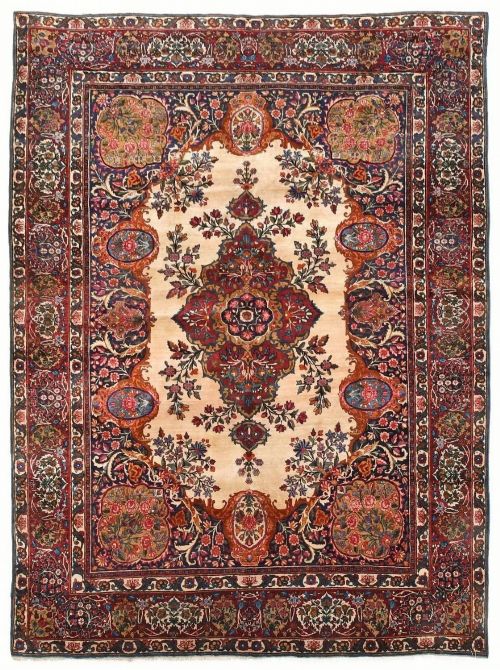
Buyers encountering this search phrase find various formats ranging from small rugs and mats to oversized carpets and exceptionally long runners. The selection spans the nineteenth and early twentieth centuries, capturing traditional Persian styles, millefleurs prayer designs, and repeat floral boteh motifs.
What varies in quality
The fineness of the knotting and the complexity of the design separate different grades of these carpets. Superior examples display dense pile work, crisp execution of floral motifs or millefleurs patterns, and balanced proportions across large dimensions.
The handling of natural dyes and the integrity of the wool foundation influence the overall character of each piece. Finer weaves maintain structural uniformity even in oversized formats, whereas simpler tribal pieces show coarser textures suited to utilitarian bags and smaller rugs.
Antique Kerman Carpet Retail Price Guide 2026
Typical asking prices for kerman carpet among the pieces listed under this phrase on Sellingantiques today, from the lower quarter to the upper quarter. They describe what is for sale here now, not the wider market.
Listings span the nineteenth and early twentieth centuries, featuring wool, cotton, and natural dyes across Persian tribal and traditional styles.
The Antique Kerman Carpet Glossary
- Boteh
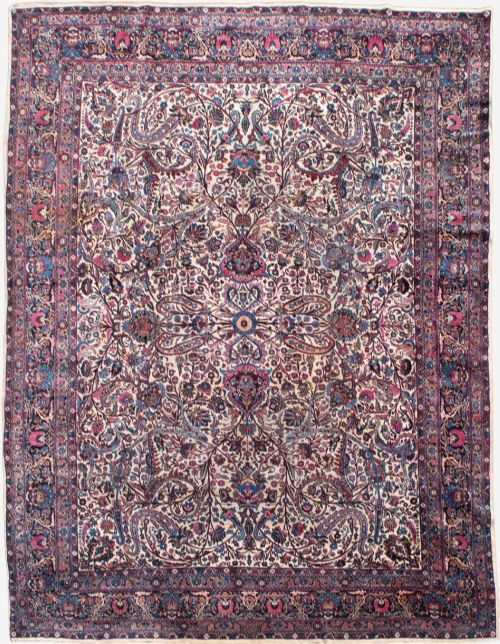
- A traditional almond-shaped or paisley motif representing a floral spray or cypress tree, frequently repeated across field designs. This symbol appears regularly in South Persian weaving.
- Millefleurs
- A dense pattern composed of countless tiny flowers covering the field of a rug or prayer carpet. This style requires meticulous detail in the wool pile.
- Soumak
- A flatweave technique utilising wrapping threads over the warp to create a durable textile without a cut pile. These pieces often feature geometric tribal patterns.
- Prayer Rug
- A specialised format featuring a mihrab or niche design indicating the direction of prayer. These rugs are typically smaller in scale for personal use.
Antique Kerman Carpet: Frequently Asked Questions
Where were these carpets made?
These carpets originate from the Kerman Province in Southern Persia, an historic region known for producing both urban workshop carpets and tribal nomadic textiles.
Production also extended to surrounding areas like the Neiriz region and Bardsir, associated with the Afshar tribes.
What sizes are available?
The available sizes range from small mats and utility bags to large room-size carpets and oversized formats exceeding five metres in length.
Long narrow runners and specific prayer rug dimensions also appear within the selection.
How do I identify an Afshar piece?
Afshar pieces often originate from the Kerman Province and exhibit distinct tribal patterns created by nomadic groups.
These works include specific functional objects such as salt-bags and vanity-bags alongside standard rugs.
What materials are used?
The construction relies primarily on wool for the soft surface pile and cotton for the strong foundational warps and wefts.
Natural dyes provide the enduring colour palette seen across these nineteenth and early twentieth-century textiles.