


Antique Kirman Rug
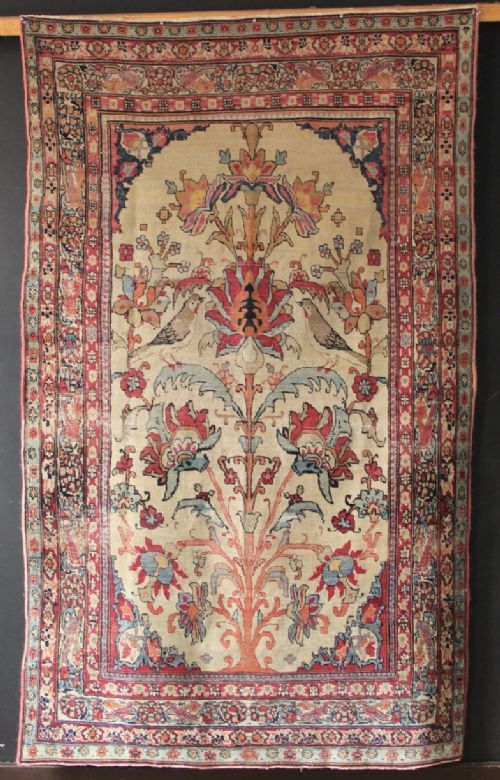
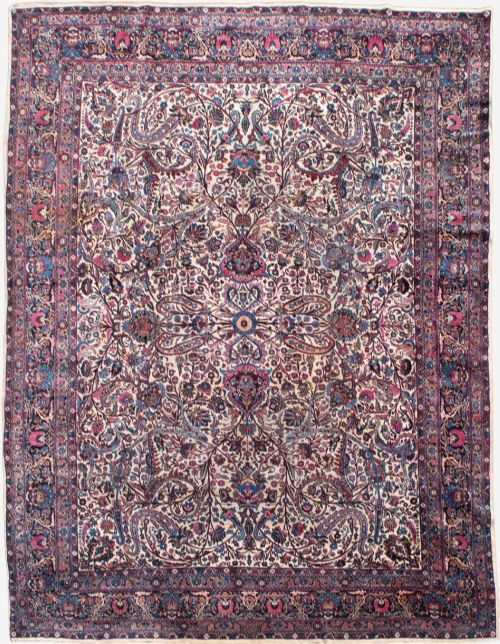
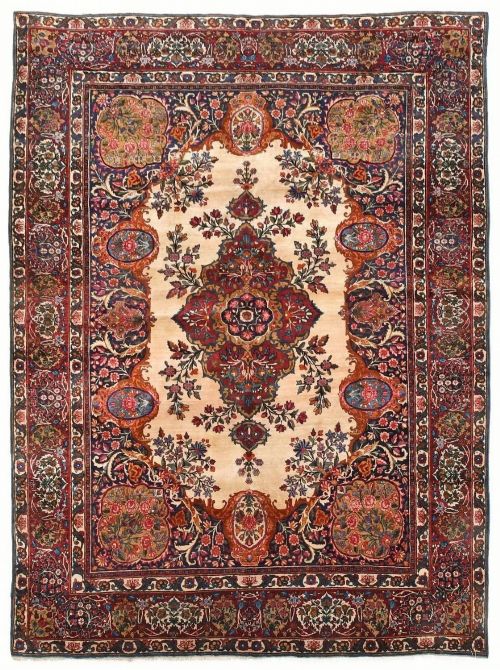
An antique kirman rug brings sophisticated Persian artistry into a room, offering intricate floral motifs woven in South Persia.
Antique Kirman Rug
An antique kirman rug originates from South Persia, representing a rich tradition of carpet weaving that spans the nineteenth and early twentieth centuries. These pieces appear in various formats, ranging from small mats and prayer rugs to large room-size carpets.
Buyers frequently encounter room-size carpets and smaller mats bearing traditional Persian designs, including floral boteh patterns and central medallions. The selection encompasses both grand room formats and elongated runners.
Examples date from the mid-nineteenth century through to the 1930s and 1940s, reflecting shifts in weaving output across different decades. Each piece demonstrates the distinct stylistic traits associated with South East Persian workshops.
Materials and construction methods
Weavers constructed these textiles using wool for the pile and cotton for the foundation structure, providing both softness and stability. This combination allowed workshops to achieve detailed pictorial and floral compositions.
Certain items display a very fine weave, particularly those associated with Lavar production, which permits intricate pattern rendering. Artisans utilised durable materials designed to withstand decades of use while retaining structural integrity.
Current listings feature materials strictly limited to wool and cotton across formats ranging from small mats to oversized carpets.
Distinctions in craftsmanship and condition
Quality depends heavily on the density of the weave and the precision of the floral or medallion design execution. Finer knots permit greater clarity in complex patterns such as millefleurs or repeat boteh motifs.
The physical state of the pile alters the character of the piece, with heavily distressed examples showing uniform wear across the cotton foundation. Intact pile preservation maintains the original texture and visual depth intended by the weaver.
The Antique Kirman Rug Glossary
- Lavar
- A specific type of Kirman weaving known for exceptionally fine knotting and refined wool quality. These pieces often originate from a village near Kirman.
- Boteh
- A stylised almond or pear-shaped motif representing a floral spray or cypress tree. It forms a recurring element in traditional Persian compositions.
- Millefleurs
- A dense pattern composed of countless small flowers covering the field. This design style frequently appears on prayer rugs from South Persia.
- Prayer rug
- A smaller format textile featuring a mihrab or arch design indicating the direction of prayer. These rugs were used for devotional practices.
- Medallion
- A central ornamental design element placed in the middle of the carpet field. It serves as the focal point for the surrounding floral ornamentation.
Antique Kirman Rug: Frequently Asked Questions
Where were these rugs made?
These textiles originate from Kirman and the surrounding districts in South Persia. The region has a long-established history of producing decorative carpets for both domestic use and export.
Local workshops developed distinctive styles incorporating floral sprays, vases, and intricate medallions executed in wool upon cotton foundations.
How do I care for an antique rug?
Regular gentle vacuuming without a beater bar removes surface dust without damaging the wool pile. Professional cleaning should be undertaken periodically by specialists familiar with antique Persian textiles.
Keeping the piece out of direct sunlight prevents fading of the dyed wool yarns over extended periods of time.
What is a Lavar Kirman?
A Lavar Kirman is a specific sub-category recognised for its exceptionally fine weave and delicate floral detailing. These pieces were produced in the vicinity of Kirman and often feature high knot counts.
Collectors prize them for their refined handling of traditional Persian motifs and superior wool quality.
How do I date these carpets?
Dating relies on stylistic evidence, structural analysis, and the comparison of design elements across known production periods. Pieces range from mid-nineteenth-century examples to twentieth-century productions.
Changes in palette, knot density, and the evolution of floral motifs help establish the approximate decade of manufacture.
Can I use these rugs in high-traffic areas?
Sturdily constructed room-size carpets with good wool pile withstand normal domestic foot traffic in living spaces and dining rooms. Distressed examples require more careful placement to prevent further wear to the cotton foundation.
Placing a suitable underlay beneath the carpet prevents slipping and reduces friction against the floor.