
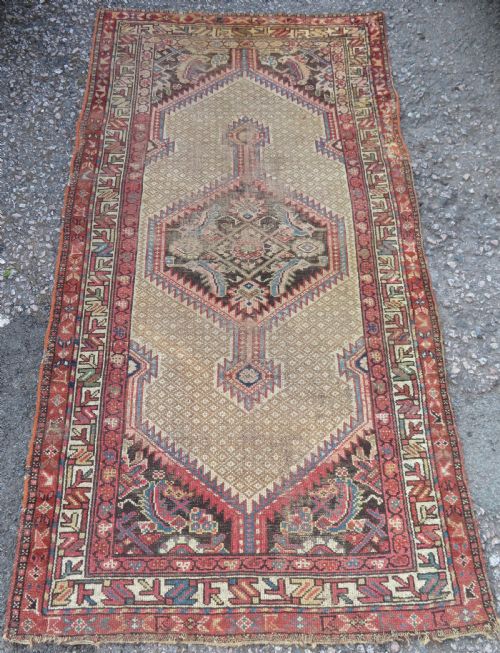
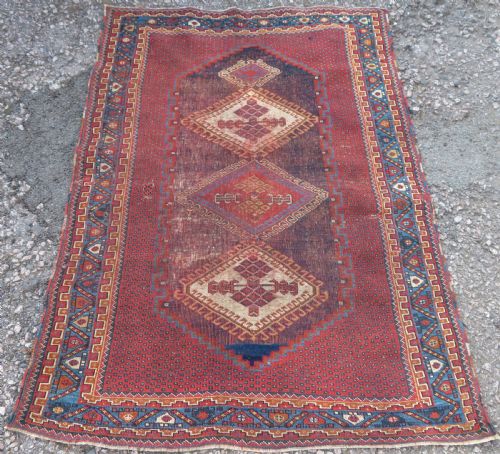
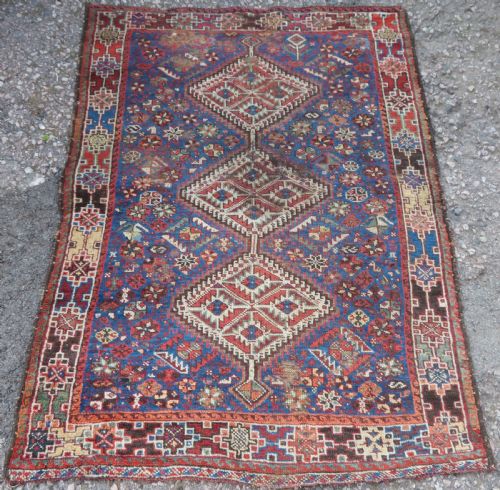
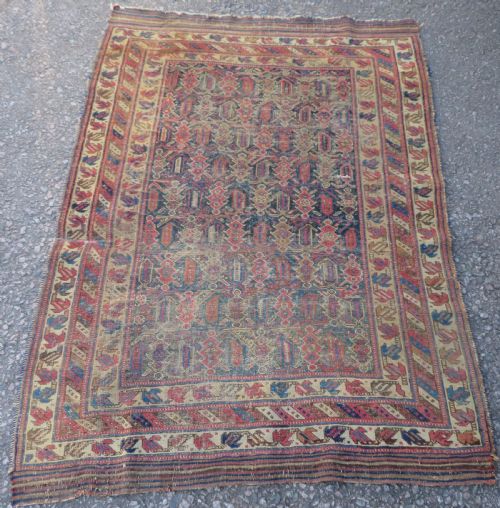
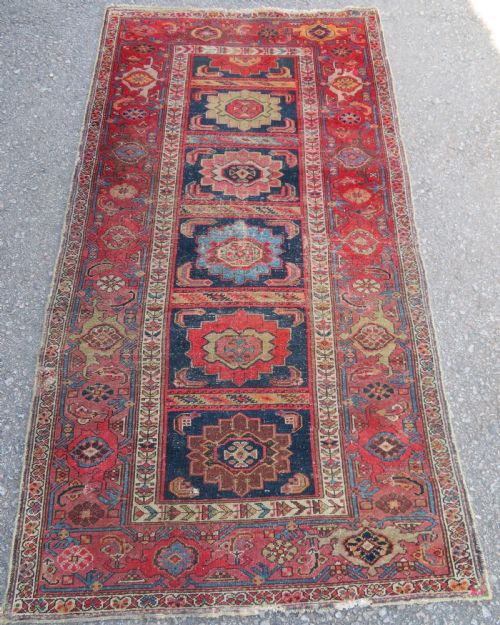
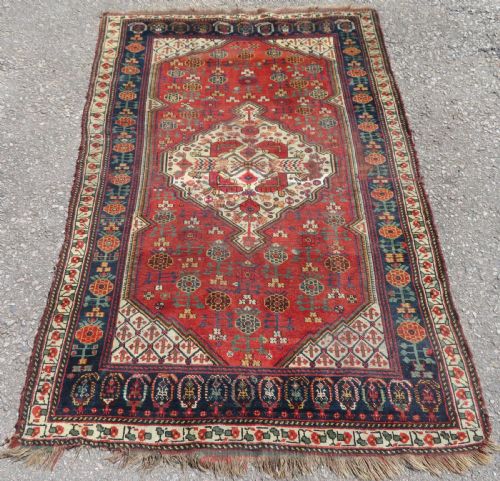
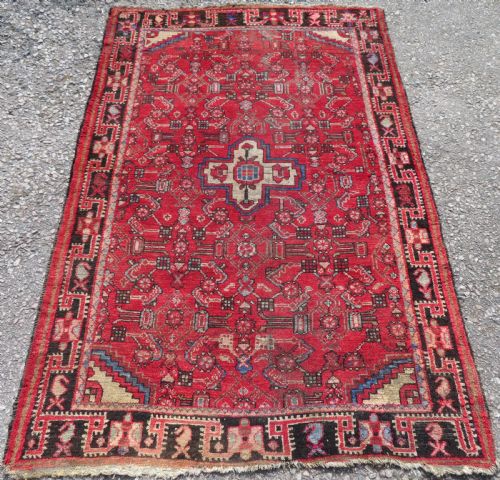
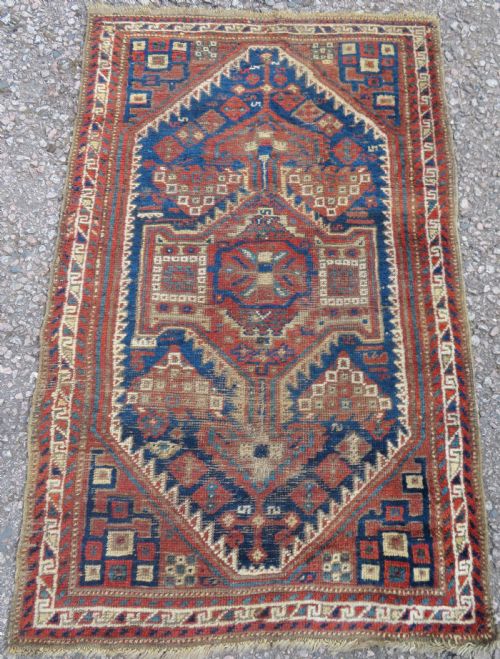
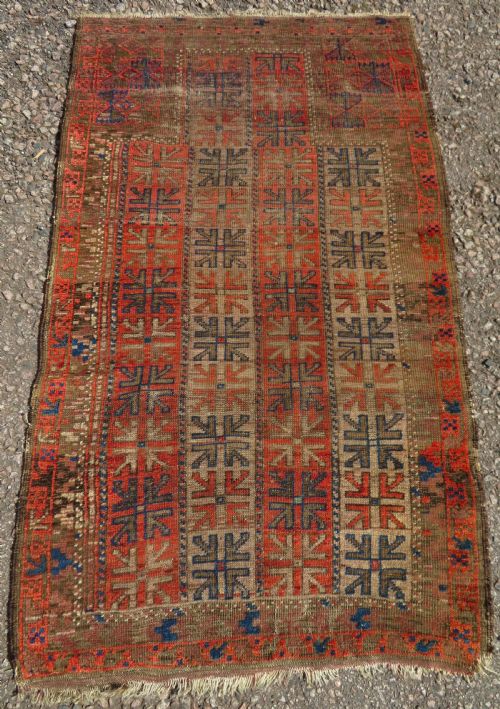

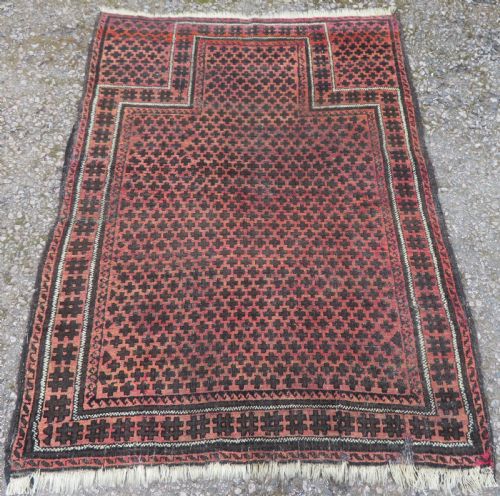
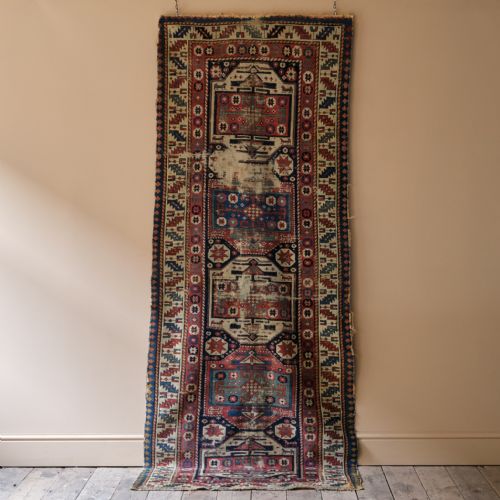
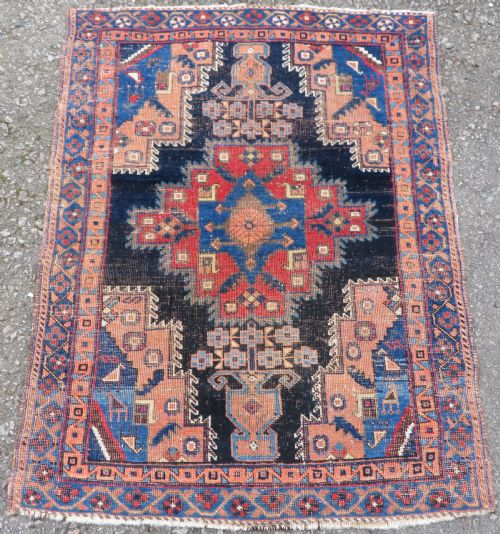


Distressed Persian Carpet
A distressed persian carpet brings genuine history into a room through worn wool and faded natural dyes.
Distressed Persian Carpet
A distressed persian carpet is a floor covering that shows the gentle wear of decades, originating from workshops and tribal regions across Persia. When searching for a distressed persian carpet, buyers typically encounter pieces spanning from the late nineteenth century through to the early decades of the twentieth century. These items include room-sized carpets, long runners and smaller tribal rugs.
How they were made
Makers constructed these pieces using handspun wool and cotton foundations, occasionally incorporating camel hair for natural colour variation. Artisans knotted the pile by hand, tying symmetrical or asymmetrical knots to build intricate geometric and floral designs.
Colour comes from natural dyes derived from plants and minerals, which age gracefully over time. This combination of sturdy materials and organic colourants creates the characteristic faded patina that defines the worn aesthetic.
Several runners embrace their handmade irregularities proudly, catalogued simply as crooked by their makers.
What varies in quality
Quality rests in the fineness of the knotting and the balance of the composition. Denser knotting allows for crisper details in the field and border, maintaining structural integrity despite the low pile.
The harmony of the fading and the integrity of the foundation determine the overall standard. Even with significant wear, superior pieces retain strong wool quality and clear regional character without compromised structural foundations.
Sarab·Afshar·Khamseh·Hamadan·Kirman·Sarouk·Heriz·Isfahan
The Distressed Persian Carpet Glossary
- Pile
- The upright yarn loops that form the soft surface of the carpet. In older rugs, this wears down to reveal the foundation threads underneath.
- Warp
- The stationary vertical threads stretched on the loom upon which the knots are tied. Cotton and wool are standard materials for these structural elements.
- Weft
- The horizontal threads passed between rows of knots to secure them in place. They help maintain the shape and rigidity of the rug.
- Patina
- The surface sheen and softening of colour developed through age and use. This gradual mellowing distinguishes genuine antique rugs from modern replicas.
- Prayer rug
- A small format rug featuring a mihrab or niche design, historically used for individual devotion. These pieces often display specific regional iconography.
Distressed Persian Carpet: Frequently Asked Questions
What makes a persian carpet distressed?
Distressing results from decades of foot traffic, sunlight exposure and natural fibre ageing. This gradual wear softens the wool and mutes the original plant-based colours.
Over generations, the pile lowers unevenly, creating a vintage texture that cannot be artificially replicated with the same depth of character.
How do I care for an antique worn rug?
Vacuum gently using suction only, avoiding the rotating brush bars that can catch aged wool. Professional cleaning tailored to antique textiles protects the natural fibres.
Rotate the rug periodically to ensure even exposure to light and wear across the room.
Are these carpets suitable for heavy traffic?
Many surviving pieces retain sturdy wool and cotton foundations despite their aged appearance. Placing a quality underlay beneath the rug absorbs impact and prevents slipping.
Very delicate or fine city carpets benefit from placement in lower traffic zones to preserve their remaining structure.
How can I tell different regional styles apart?
Regional types display distinct palettes and geometric or floral motifs unique to their weaving communities. Tribal pieces from groups like the Khamseh or Afshar often feature bold, geometric medallions and rustic charm.
City workshops such as Kirman or Isfahan typically utilise intricate floral curves and refined, balanced compositions.