


Pink Floral Rug
A pink floral rug brings warmth and traditional pattern to a room, offering centuries of woven artistry from Persian, Turkish and European traditions.
Pink Floral Rug
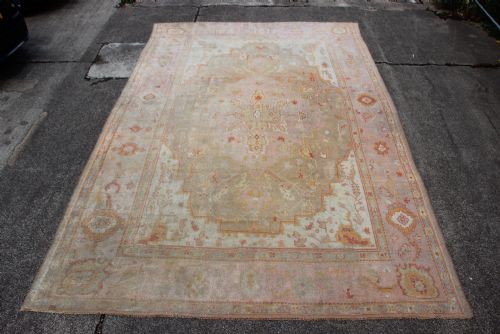
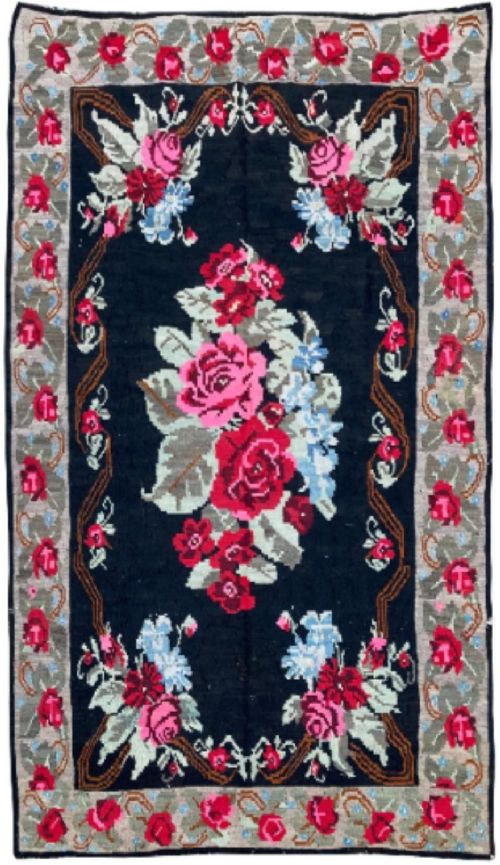
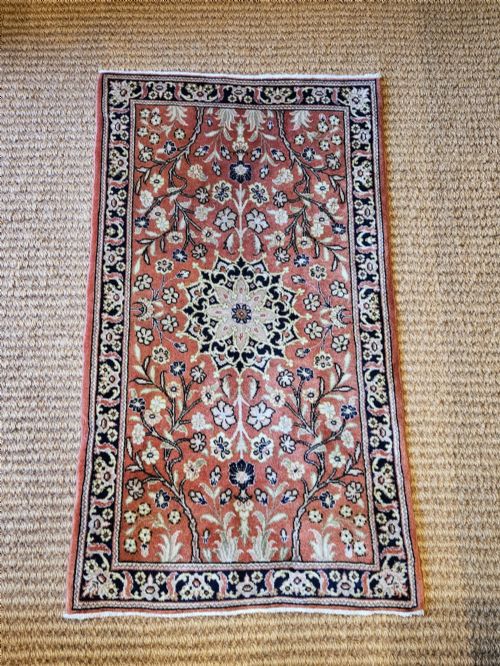
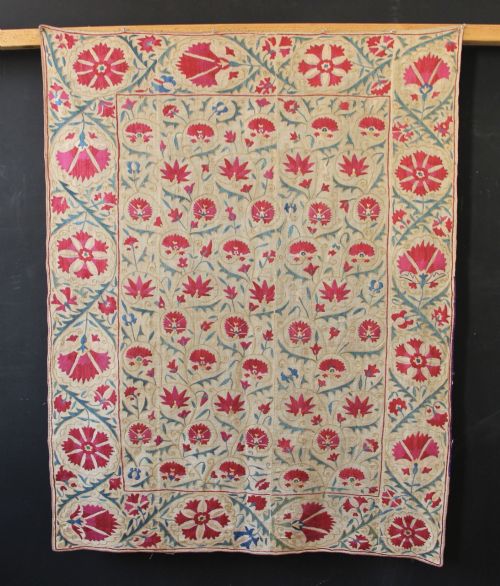
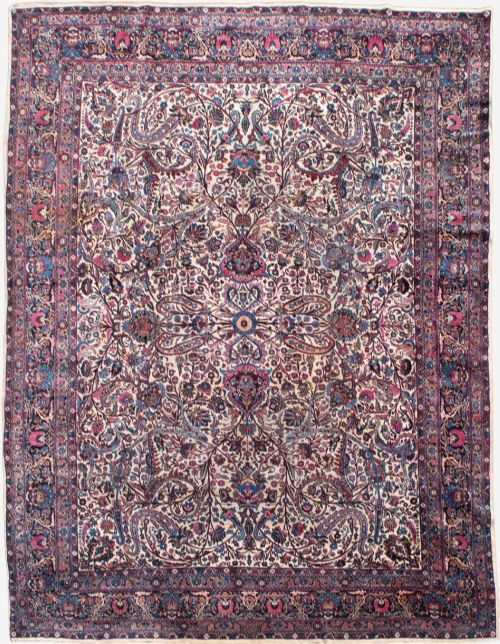
When you search for a pink floral rug, you encounter hand-knotted and embroidered floor coverings spanning the nineteenth and early twentieth centuries. These pieces originate predominantly from Persian workshops, Turkish centres and European ateliers, displaying intricate botanical motifs in various shades of rose and blush.
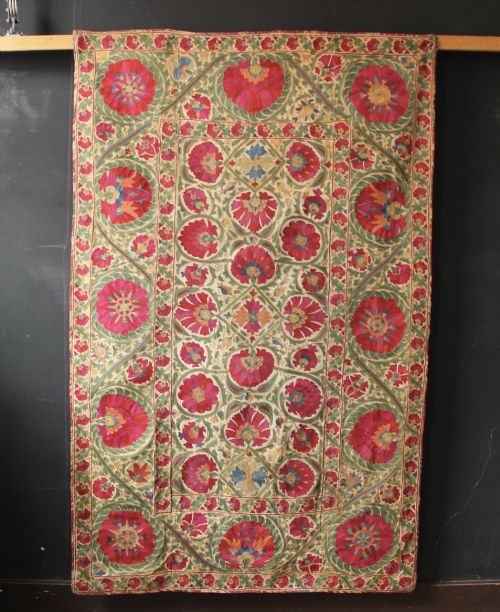
The selection here ranges from grand room-size carpets down to compact hearth-sized mats and detailed embroidered covers. Village pieces like Hamadan and Malayer sit alongside finely detailed Kirman and Ushak carpets, each bringing distinct regional patterns to the palette.
Traditional Persian and Ottoman designs dominate the offerings, though French Aubusson and Chinese Art Deco examples also appear. Buyers find everything from large medallions to overall floral sprays executed in soft wool, cotton and silk.
Materials and construction
These textiles rely primarily on natural wool, cotton and silk fibres spun and knotted by hand. Weavers utilise wool for durable pile foundations, cotton for sturdy warps andwefts, and occasional silk for fine detail work in embroidered Suzanis and delicate carpets.
Dye methods of the period yield the characteristic rose and pink tones through traditional natural colorants applied to animal and plant fibres. Construction techniques vary from intricate hand-knotting on upright looms to flatweave kilim structures and fine needlepoint stitching.
Listings span the nineteenth century through the 1940s, featuring wool, cotton and silk across Persian, Turkish and European styles.
Assessing quality and character
Quality rests in the precision of the weave and the depth of the palette, where tighter knot counts permit sharper botanical detail and crisper floral outlines. Superior examples display harmonious dye lots and balanced symmetry across the central field and border geometry.
The integrity of the foundation materials and the handling of the pile dictate longevity and resilience. Finer wool retains its handle and lustre over decades, while master weavers achieve nuanced shading within the floral motifs that lesser pieces simply lack.
Gavin Morton
The Pink Floral Rug Glossary
- Suzani
- An embroidered tribal hanging or cover, usually worked in silk thread on a cotton or linen ground with bold floral patterns.
- Kilim
- A flatweave carpet or rug made without a pile, produced by tightly interweaving warp and weft strands.
- Medallion
- A large central ornamental design motif placed in the middle of the carpet field, frequently surrounded by floral sprays.
- Warp
- The vertical threads stretched tightly on a loom before the weaving or knotting process begins.
- Pile
- The upright cut or uncut loops of yarn that form the usable soft surface of a carpet.
Pink Floral Rug: Frequently Asked Questions
How do I clean an antique rug?
Professional specialist cleaning is essential for antique wool and silk textiles to protect the natural dyes and fibres from damage.
Regular gentle surface vacuuming without a beater bar removes loose grit and dust between the pile.
Where should I place a pink floral rug?
These pieces suit low-traffic living spaces, bedrooms or studies where the delicate fibres experience less physical strain.
A quality underlay helps prevent slipping and cushions the foundation against hard flooring.
How can I tell a village rug from a city carpet?
Village rugs like Malayer or Hamadan feature bolder, more geometric interpretations of floral designs woven on sturdier foundations.
City carpets from workshops in Kirman or Ushak display finer curves, intricate medallions and greater knot densities.
What is the difference between a carpet and a rug?
Carpets traditionally refer to larger floor coverings designed to span entire rooms or major seating areas.
Rugs generally describe smaller formats, runners or hearth-sized pieces meant for specific accent spots.