



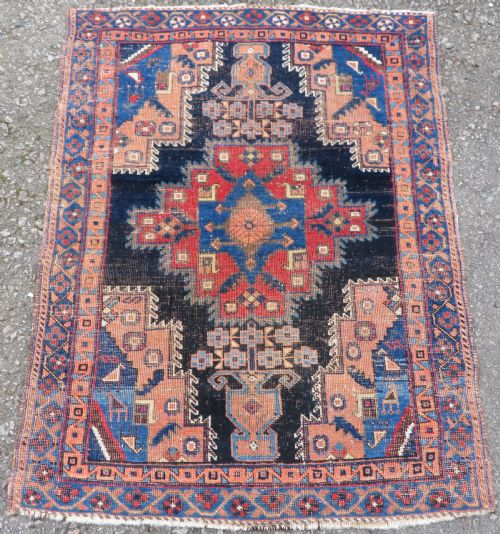
Distressed Oriental Carpet
A distressed oriental carpet brings centuries of nomadic and town weaving traditions into a modern interior through softly worn wool and faded natural dyes.
Distressed Oriental Carpet
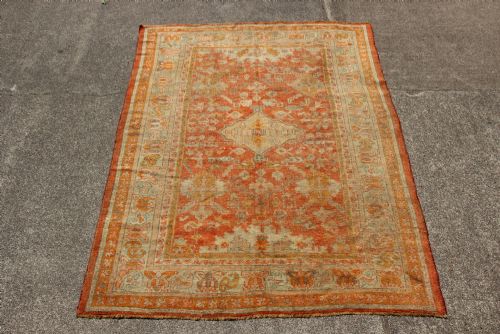
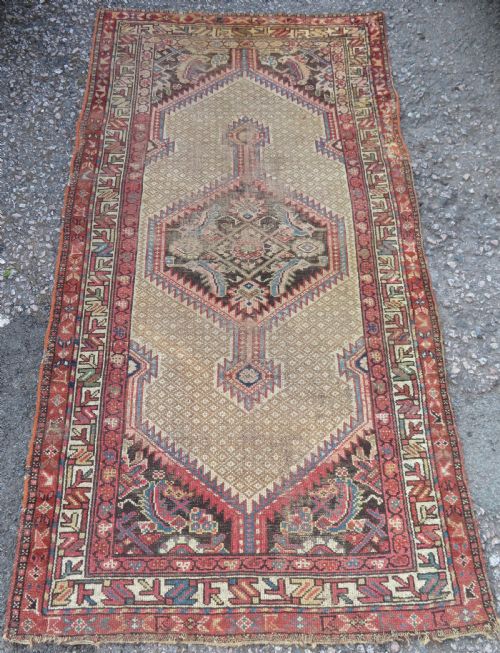
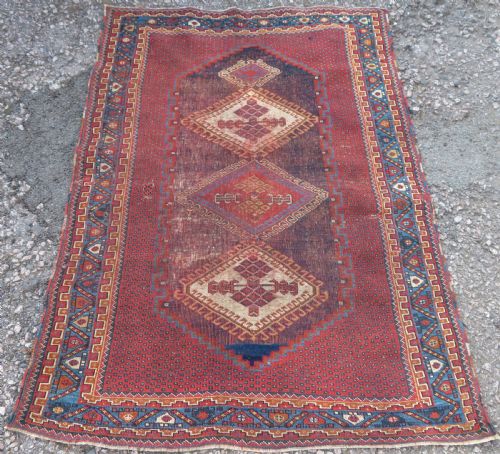
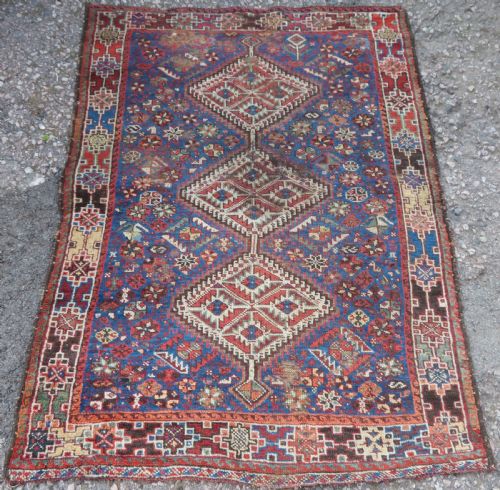
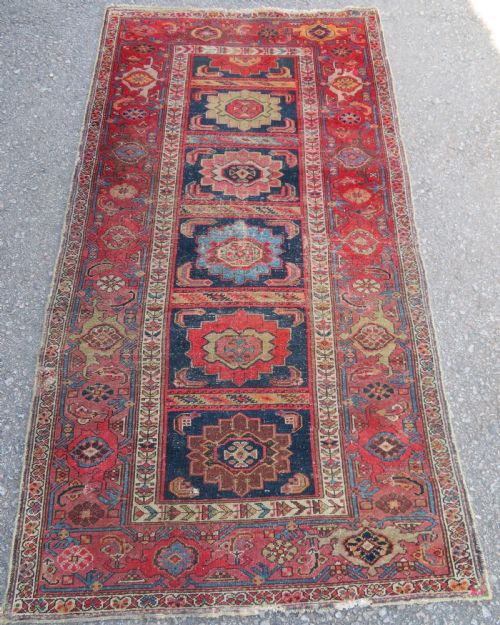
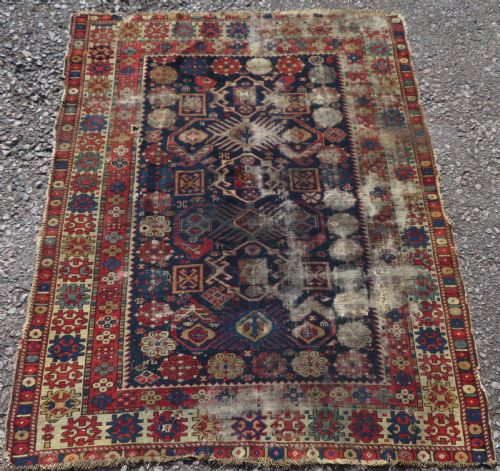
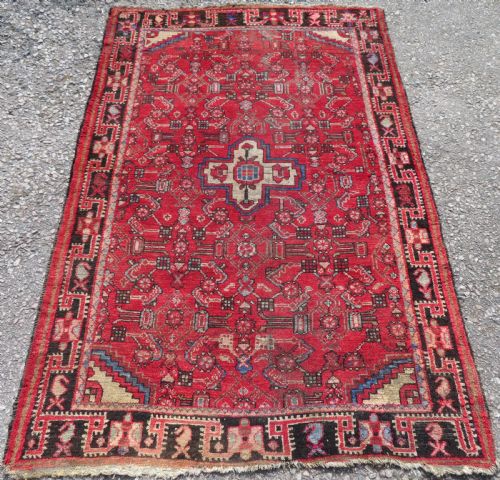
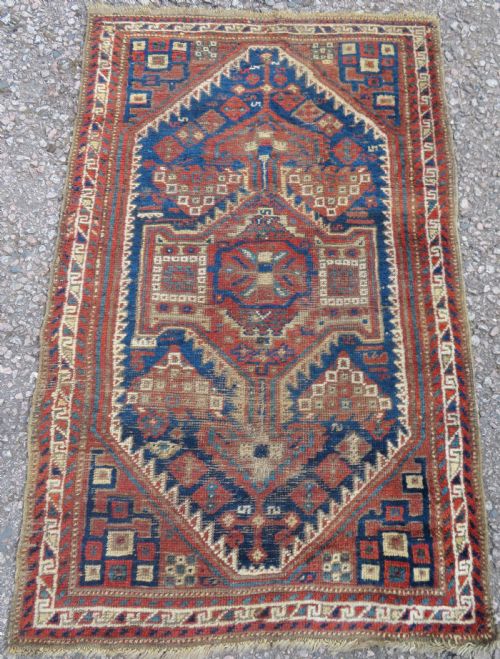
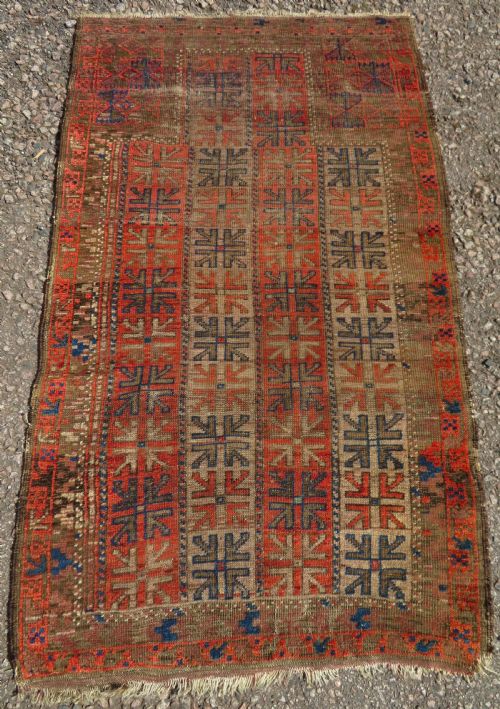
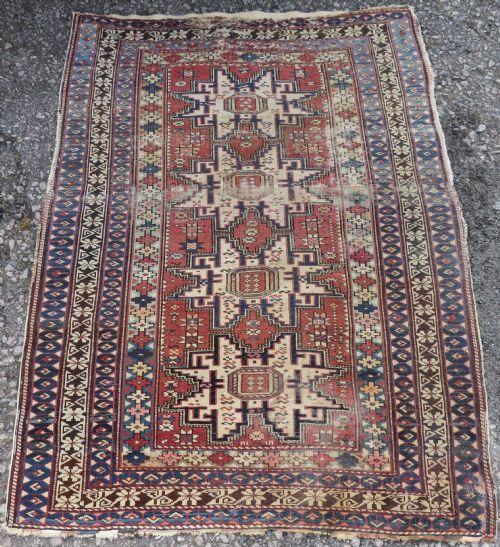
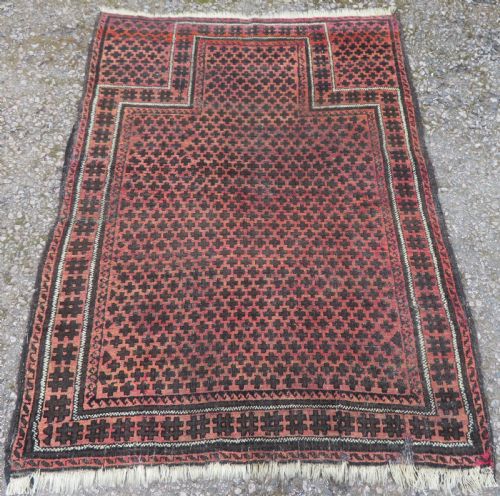
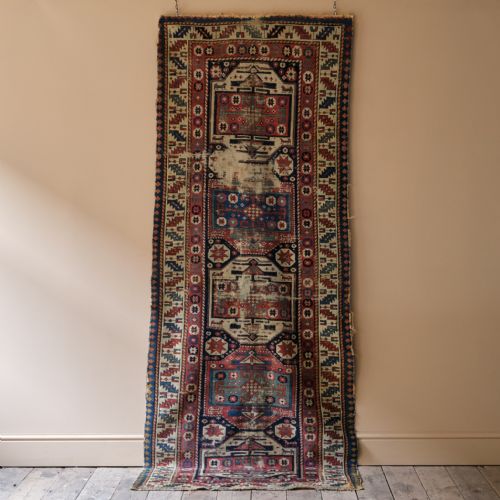
A distressed oriental carpet encompasses handwoven tribal and town rugs originating from Persia, the Caucasus, and Anatolia, dating from the nineteenth and early twentieth centuries. These floor coverings bear the natural wear of decades, showing low pile and softened motifs that result from long use rather than artificial ageing.
Buyers seeking a distressed oriental carpet will encounter regional types ranging from geometric Caucasian Kazak and Daghestan runners to curved floral Kirman, Sarouk, and Oushak carpets. The selection on this page focuses heavily on antique Persian tribal pieces such as Khamseh, Afshar, and Sarab rugs alongside Turkish long runners and kilims.
How they were made
Weavers constructed these carpets using hand-spun wool and occasional camel hair foundations, knotted tightly by hand on cotton or wool warp and weft threads. The structural integrity of these textiles relies on sturdy village and nomadic weaving techniques designed to withstand generations of daily tread.
Colour comes from natural dyes derived from plants and minerals, which age gracefully over time to create the muted patinas characteristic of antique carpets. This organic coloration process ensures that wear reveals harmonious undertones rather than stark synthetic contrasts.
The inventory spans diverse formats, including large room-size carpets, square formats, long runners, and compact prayer rugs.
What varies in quality
Quality in a worn carpet lies in the integrity of the remaining foundation and the artistic balance of the surviving design. Finer examples retain crispness in their remaining tribal motifs or floral medallions, even when the pile has thinned significantly.
The choice of materials and the fineness of the knotting distinguish simple utility rugs from master-woven workshop carpets. Structural soundness matters more than pile depth, as a secure wool foundation allows a low-pile textile to endure further use on the floor.
The Distressed Oriental Carpet Glossary
- Natural Dyes
- Colourants extracted from plants, insects, and minerals before the introduction of synthetic aniline dyes in the late nineteenth century. These traditional ingredients yield rich, complex hues that mellow gracefully with age and light exposure.
- Prayer Rug
- A small carpet featuring a mihrab or niche design at one end, traditionally used by Muslims for daily prayers. The pointed arch motif directs the focal point of the textile during ritual use.
- Kilim
- A flat-woven carpet produced without a pile by tightly interweaving warp and weft strands. These textiles offer lightweight versatility and sharp geometric patterns.
- Warp
- The vertical threads stretched lengthwise on a loom that form the structural skeleton of a woven carpet. Fringe ends typically consist of the exposed warp threads secured at the termination of the weave.
- Pile
- The upright yarn loops or cut ends that form the soft surface of a carpet. Decades of friction reduce this upper layer, creating the characteristic low profile of a distressed antique rug.
Distressed Oriental Carpet: Frequently Asked Questions
How do I clean a worn antique rug?
Gentle surface vacuuming without a beater bar removes loose dirt from the low pile without straining fragile antique wool fibres. Professional washing by specialists in historic textiles remains essential for deep cleaning.
Water exposure must be strictly controlled to prevent dye bleeding or foundation shrinkage. Allowing natural drying prevents moisture retention in the dense foundation weave.
Can I place these rugs in high traffic areas?
Sturdy wool and cotton foundations allow many antique tribal carpets to handle moderate foot traffic despite their low pile. Placing a quality underlay beneath the rug reduces friction and prevents slipping on hard floors.
Areas with heavy moisture or direct, harsh sunlight require careful placement to protect fragile historical fibres. Rotating the rug periodically ensures even wear across the surface over time.
How do I identify a tribal rug from a town rug?
Tribal rugs display geometric patterns, memory-woven motifs, and asymmetrical layouts produced by nomadic or village weavers. Town carpets feature balanced floral compositions, curvilinear medallions, and precise symmetry created in structured workshops.
Materials and palette also offer clues, as nomadic weavers utilised readily available local wool and camel hair. Workshop pieces often incorporate finer cotton foundations for intricate floral Oushak or Kirman designs.
What causes the faded look on these carpets?
Decades of daily foot traffic gradually wear down the upper wool pile to reveal the knot structure underneath. Natural sunlight exposure and repeated gentle washing soften the original natural dye colours over generations.
This gradual weathering process creates the desired antique patina unique to genuine nineteenth and early twentieth-century textiles. The fading reflects the true age and history of the piece rather than modern chemical distressing.