




Cream Wool Persian Rug
A cream wool persian rug brings historic workshop artistry and enduring floor coverings into modern rooms.
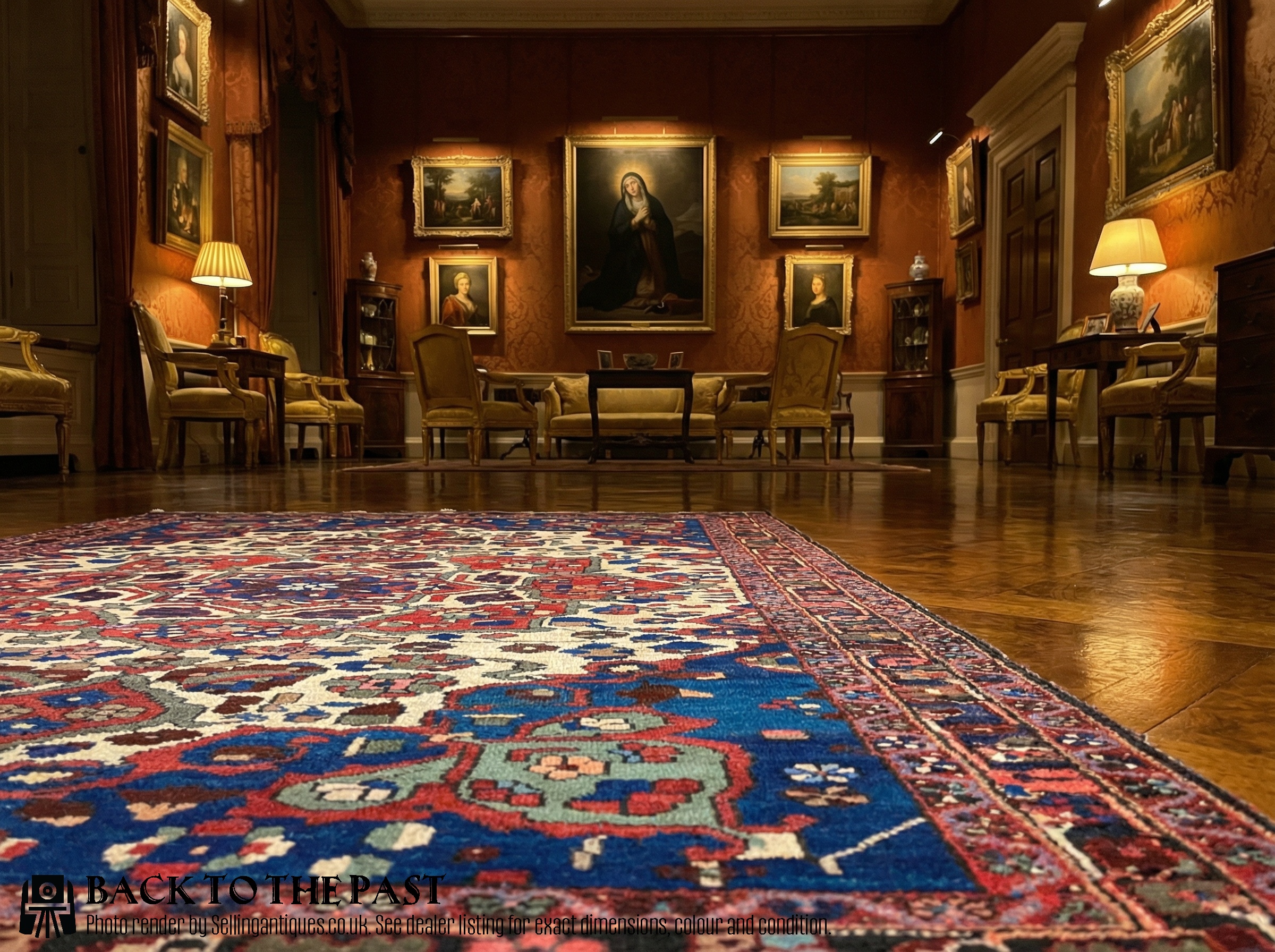
Cream Wool Persian Rug
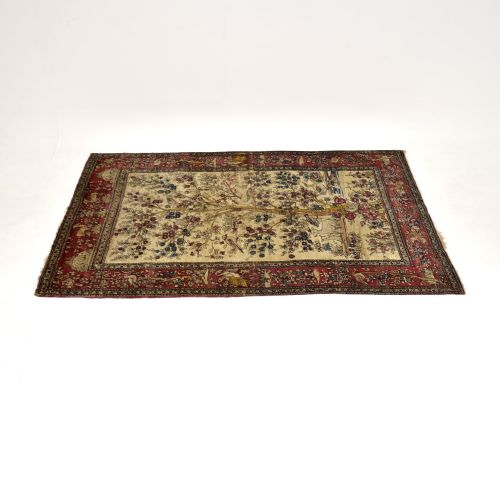
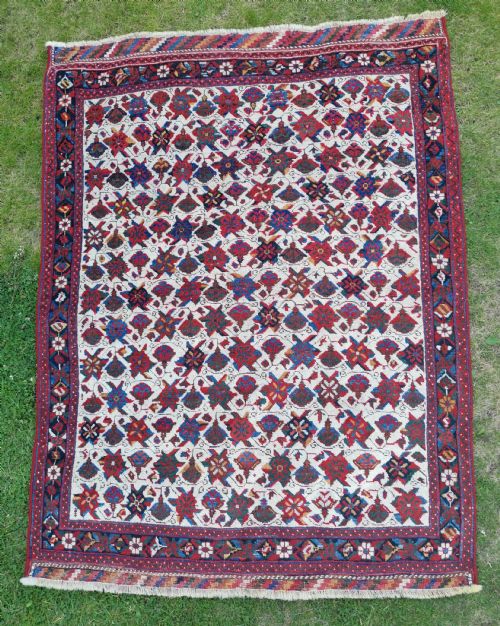
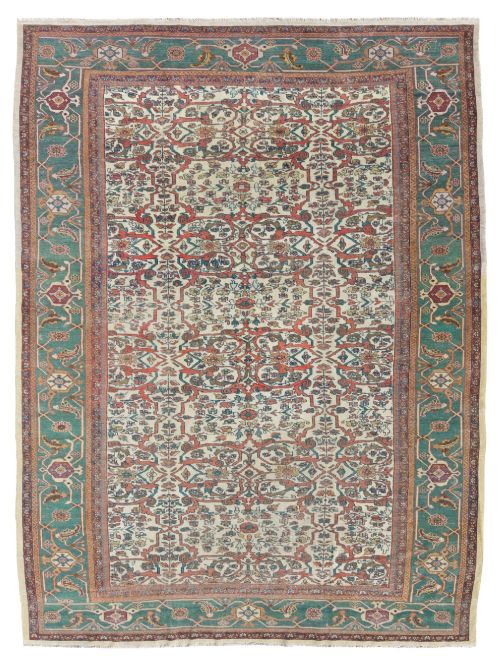
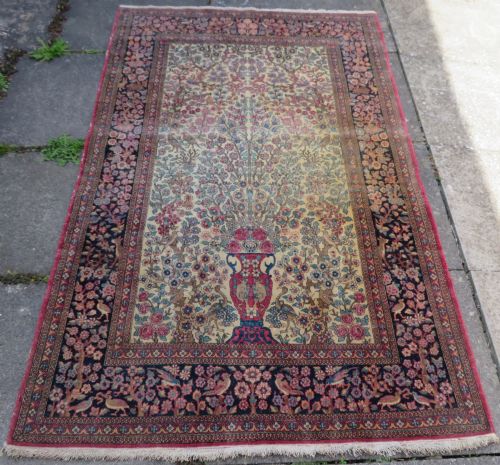
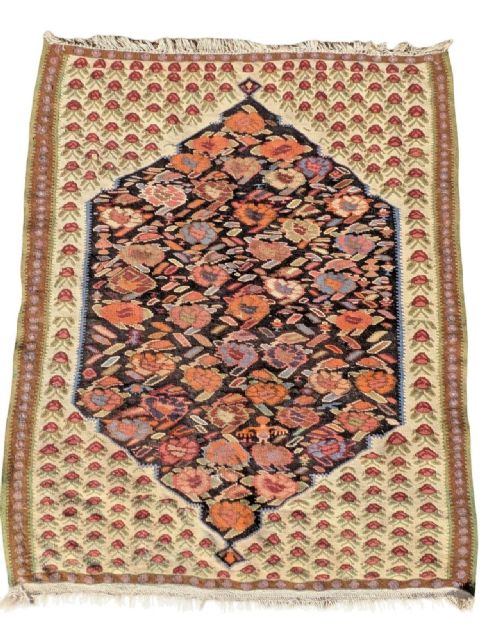
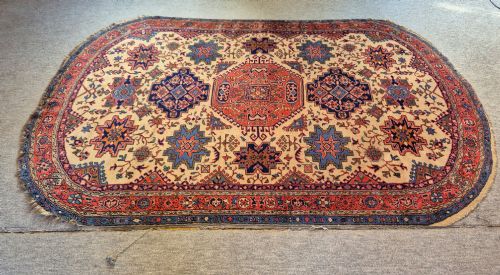
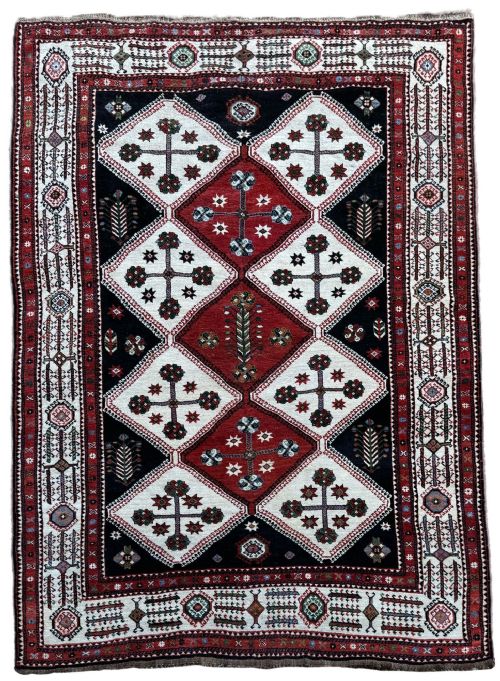
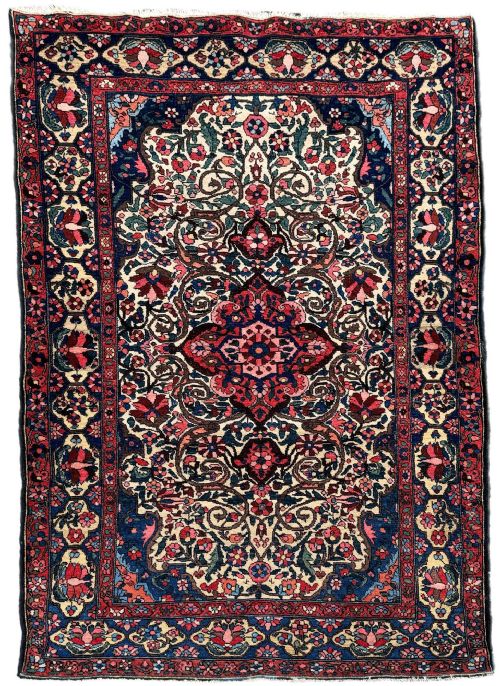
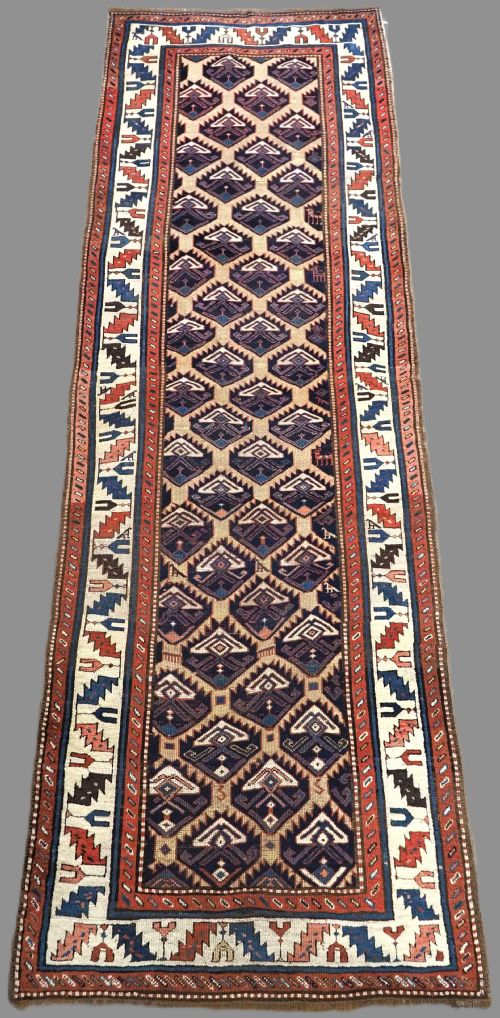
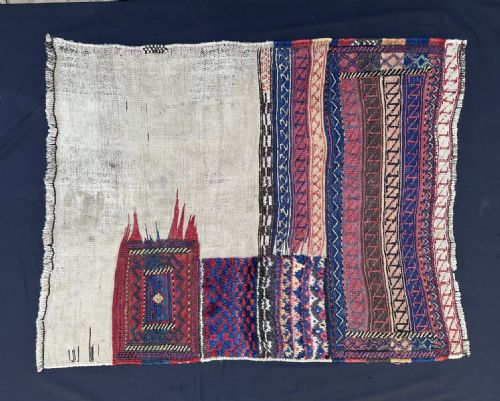
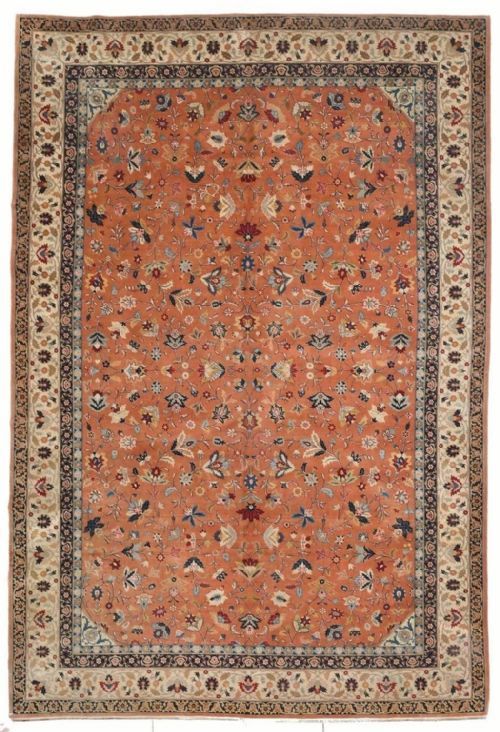
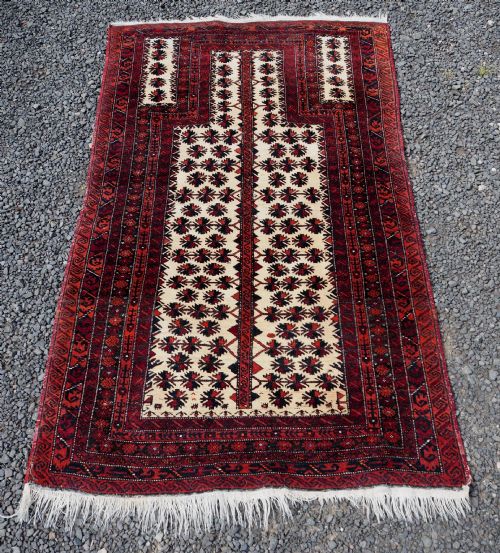
A cream wool persian rug groups together woven floor coverings originating from traditional Persian workshops and tribal regions, spanning the late nineteenth and early twentieth centuries. These pieces arrive in various formats, including room size carpets and smaller area rugs bearing traditional, tribal, Kirman, Bakhtiar, Tabriz, and Qajar styles.
Buyers browsing this selection will most frequently encounter genuine antique room size carpets and smaller rugs from periods such as 1890, 1900, 1910, 1920, and 1930. The designs reflect classic weaving traditions from named centres and distinct tribal groups, utilising lighter cream primary tones alongside varied field palettes.
The objects serve as practical floor coverings and historical textiles that anchor interior spaces with traditional motifs. Each piece represents decades or over a century of age, displaying the distinctive wear patterns and patination expected from authentic antique Persian textile production.
How they were made
Makers constructed these floor coverings primarily using hand woven wool and cotton foundations, occasionally incorporating silk details within the pile or foundation threads. Artisans tied individual knots by hand onto warp and weft threads, creating dense pile structures designed to withstand decades of regular use.
Weavers sourced natural materials from local flocks and agriculture, spinning yarns by hand before applying traditional dye processes. The resulting textiles combine robust cotton or wool foundations with soft wool pile surfaces that exhibit organic variation in texture and tone.
Cream Wool Persian Rug Retail Price Guide 2026
Typical asking prices for cream wool persian rug among the pieces listed under this phrase on Sellingantiques today, from the lower quarter to the upper quarter. They describe what is for sale here now, not the wider market.
One extraordinary nineteenth-century rug immortalises the German emperor Kaiser Wilhelm II in woven wool portraiture.
What varies in quality
Quality in these woven works rests upon the density of the knotting and the precision of the design execution across the field. Finer examples display intricate pictorial details or complex roomsize compositions executed by master workshops, whereas simpler tribal pieces show bolder, more geometric expression.
The condition of the wool pile and the integrity of the original foundations dictate the overall grade of each rug. Pieces retaining deep, even pile and stable structural edges represent the upper tier of survivals, while distressed examples demonstrate the heavy patination accrued through extended lifetimes on the floor.
Hajji Jalili·Mohtasham Kashan
The Cream Wool Persian Rug Glossary
- Pile
- The upright yarn loops that form the soft surface of a rug. This upper layer takes the direct friction of foot traffic over the centuries.
- Warp
- The vertical foundation threads stretched tightly on the loom before weaving begins. Weavers tie the coloured pile knots directly around these structural elements.
- Weft
- The horizontal threads passed across the warp strands to lock each row of knots firmly in place. These threads contribute to the structural stability of the textile.
- Foundation
- The underlying grid of warp and weft threads that supports the decorative pile. Cotton and wool serve as the primary materials for these hidden structural grids.
- Patina
- The surface appearance acquired by age, wear, and light exposure over decades. This natural softening of colours and textures indicates genuine antique status.
Cream Wool Persian Rug: Frequently Asked Questions
How do I clean an antique rug?
Professional specialist cleaning is essential for antique textiles to protect delicate wool fibres and natural dyes. Standard domestic cleaning methods risk damaging the historic foundation.
Gentle surface dusting and professional immersion washing help preserve the structural integrity of older roomsize carpets and smaller area rugs.
Can I place these rugs in high traffic areas?
Many of these sturdy wool and cotton floor coverings were built for daily use in active rooms. Placing a suitable underlay beneath the carpet reduces friction against the floorboards.
Regular rotation prevents uneven wear patterns from developing across the field in busy hallways or reception rooms.
How do I date an older Persian carpet?
Stylistic markers, structural materials, and natural dye characteristics offer primary clues for estimating the age of a woven textile. Comparative analysis with documented pieces from periods like 1900 or 1920 helps narrow down the timeframe.
Structural evidence such as hand spun yarn irregularities and foundation wear further clarify the era of production.
What is a room size carpet?
A room size carpet refers to larger floor coverings designed to anchor major living spaces or reception rooms. These substantial pieces typically measure significantly larger than standard decorative area rugs.
In historical Persian weaving, these grand formats often featured elaborate workshop designs requiring months or years of collaborative labour by skilled artisans.