





Crimson Wool Carpet Runner
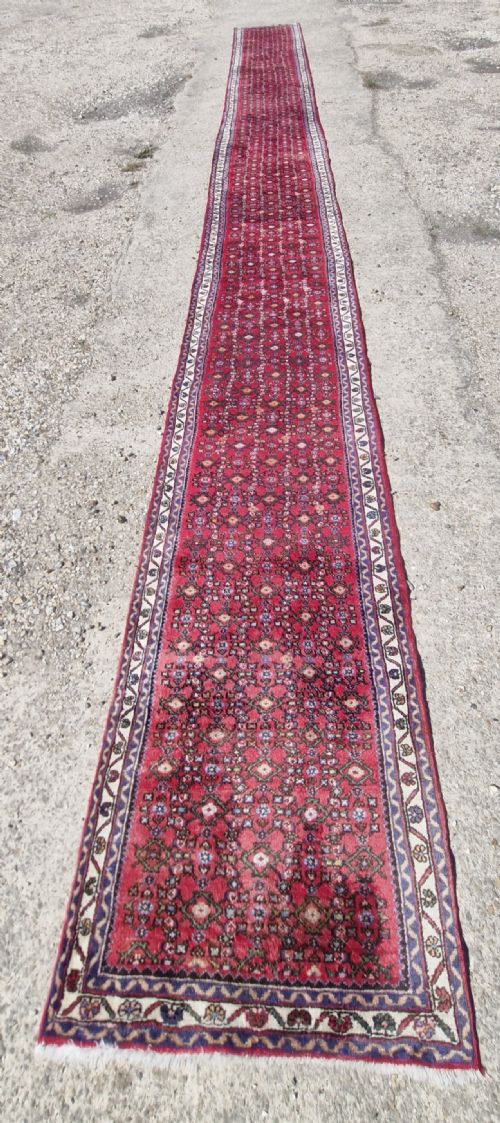
A crimson wool carpet runner brings warmth and pattern to long corridors, anchored in traditional Persian and tribal weaving techniques.
Crimson Wool Carpet Runner
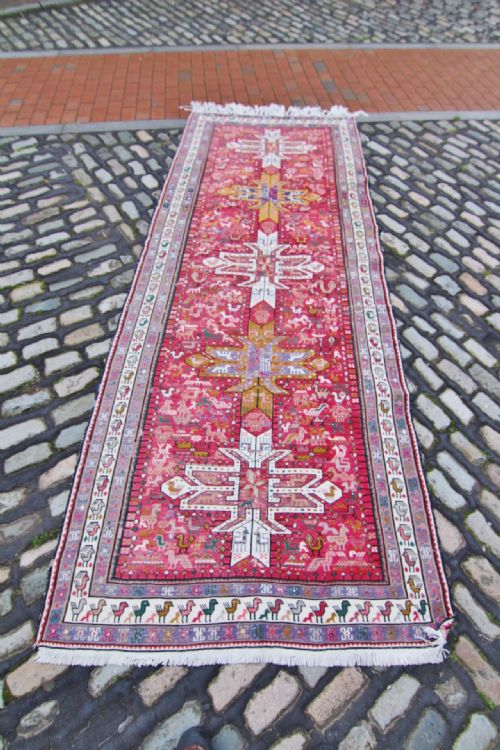
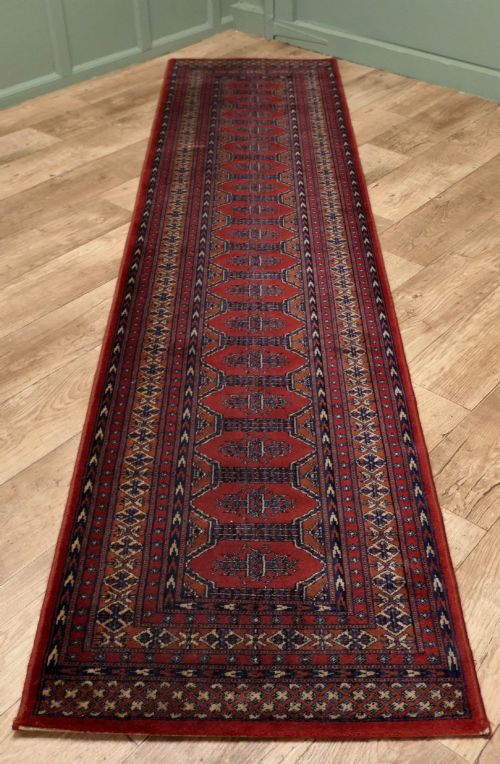
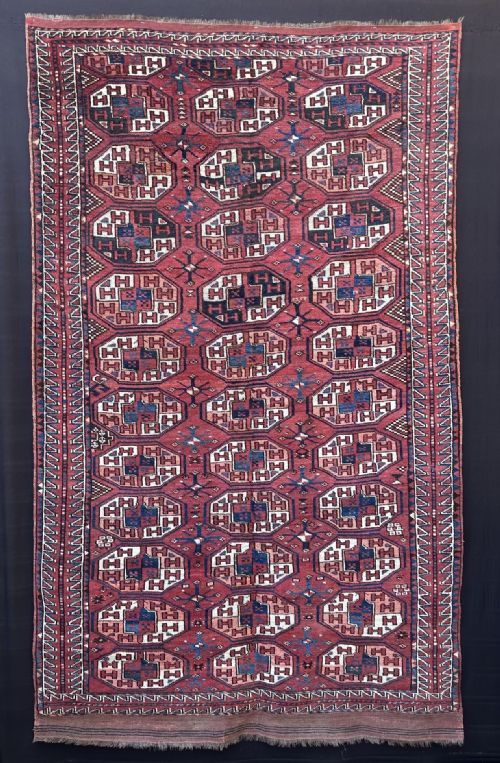
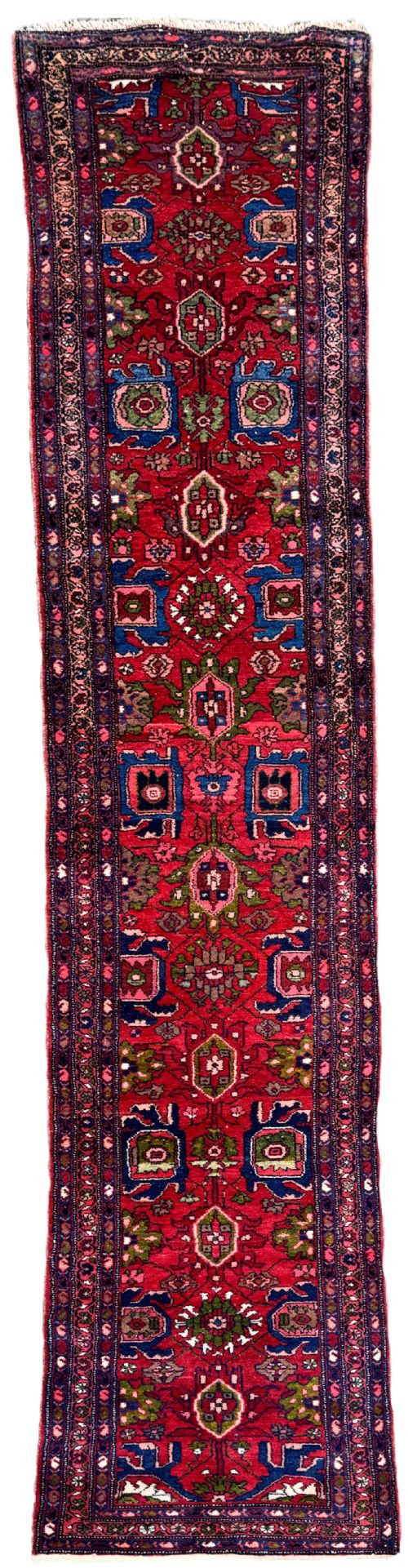
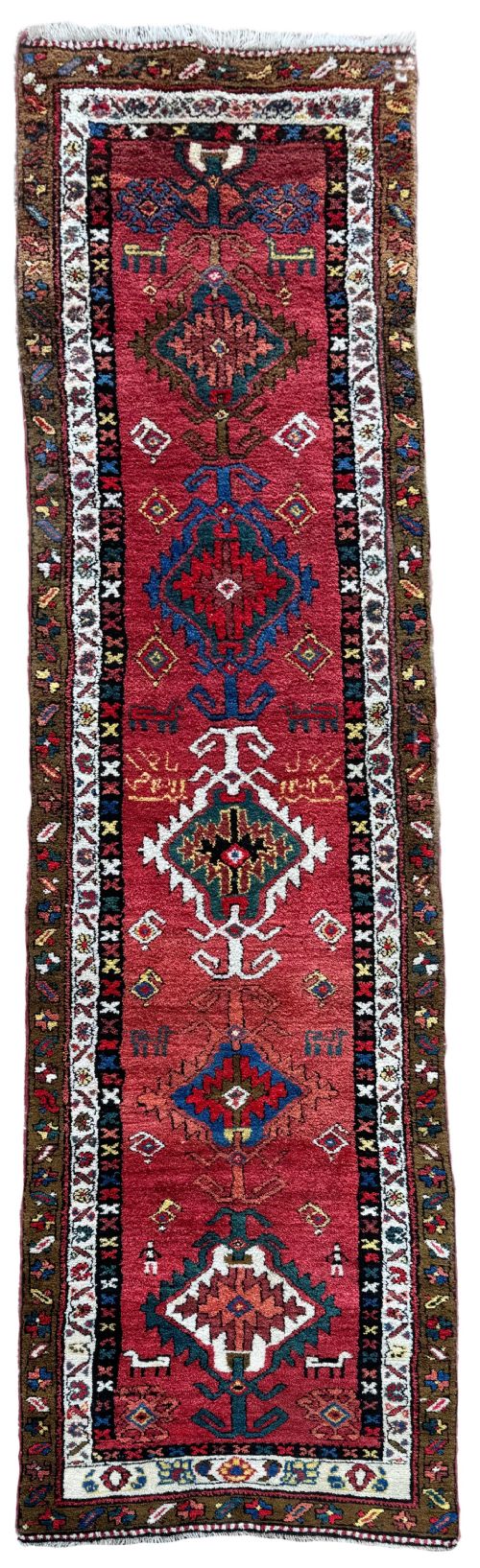
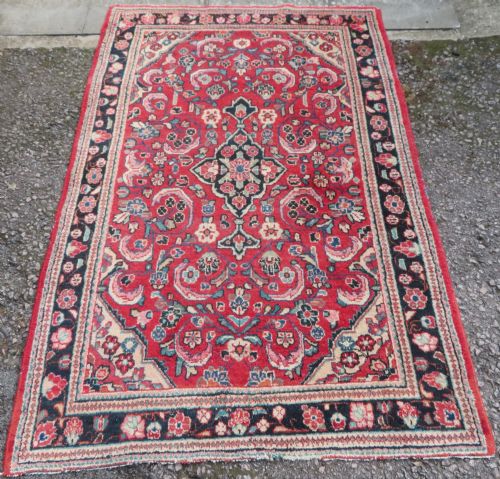
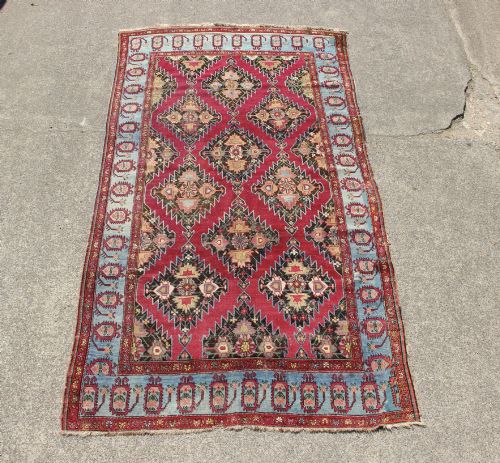
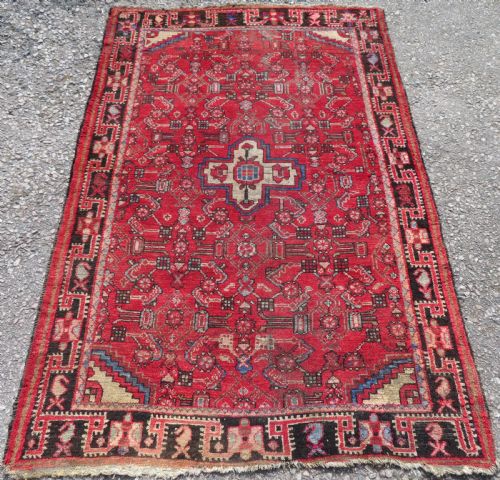
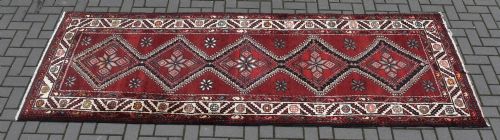
A crimson wool carpet runner provides a linear floor covering designed for hallways, landings, and long rooms, drawing on centuries of regional weaving traditions. When searching for this form, buyers encounter pieces originating from Persian, Anatolian, Caucasian, and Turkmen workshops and tribes spanning the nineteenth and early twentieth centuries.
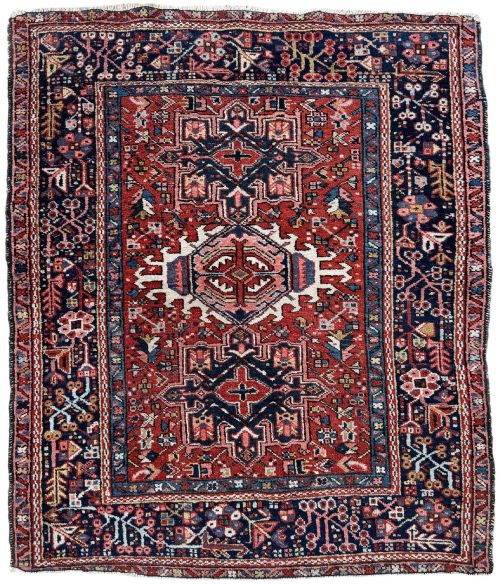
The selection ranges from village-woven Heriz and Hamadan runners to nomadic Baluch and Ersari tribal textiles, each displaying distinct geometric or floral layouts. These long formats serve to insulate stone or wood floors while introducing rich red tones and intricate medallion motifs to domestic interiors.
Materials and construction
Makers constructed these runners using hand-spun wool for the pile, knotted densely onto cotton or wool foundations to withstand decades of heavy foot traffic in domestic hallways. Natural dyes provided the deep red and crimson ground hues, derived from local plant and insect sources that aged gracefully over time.
Weavers employed traditional handwoven techniques specific to their region, whether the symmetrical knots of Turkish workshops or the asymmetric structures characteristic of Persian and tribal nomadic production.
Crimson Wool Carpet Runner Retail Price Guide 2026
Typical asking prices for crimson wool carpet runner among the pieces listed under this phrase on Sellingantiques today, from the lower quarter to the upper quarter. They describe what is for sale here now, not the wider market.
Regional styles include Persian Heriz, Hamadan, Baluch, and Turkmen tribal weaving traditions.
Distinctions in quality
Quality in these runners rests on the density of the knotting and the crispness of the design execution, which reflects the weaver's control over the medium. Finer examples display precise geometric or curvilinear motifs executed with tightly packed wool piles.
The choice and stability of natural dyes further differentiate the pieces, as richer dye saturation yields greater depth and variation across the surface of the carpet.
The Crimson Wool Carpet Runner Glossary
- Pile
- The upright loops or cut ends of yarn that form the usable surface of the carpet. A thicker pile offers greater cushioning underfoot.
- Foundation
- The underlying structure of warp and weft threads that supports the knotted wool pile. Cotton and wool serve as the primary structural materials.
- Warp
- The vertical foundation threads running lengthwise through the loom. The fringe of the rug typically forms from these extended threads.
- Weft
- The horizontal threads inserted across the warp threads between rows of knots to secure the structure. It binds the weave tightly together.
- Natural Dyes
- Colourants extracted from plants, roots, and insects rather than synthetic chemicals. They produce rich, variable tones that mellow with age.
Crimson Wool Carpet Runner: Frequently Asked Questions
How do I care for an old wool runner?
Vacuum the piece gently without using a rotating brush roll to protect the wool fibres and knot structure.
Keep the runner out of direct sunlight to prevent the natural red dyes from fading unevenly over the years.
Where should I place a long hall runner?
These narrow formats suit entrance halls, corridors, and narrow landings where foot traffic benefits from floor insulation.
Ensure you use a breathable underlay beneath the textile to prevent slipping on smooth wooden or tiled surfaces.
How can I tell a tribal runner from a city piece?
Tribal runners display geometric patterns, memory-driven designs, and bolder folk art motifs woven by nomadic or village groups.
City carpets feature balanced floral sprays, curvilinear medallions, and precise planning executed in established urban workshops.
What periods do these runners date from?
The available pieces primarily date from the nineteenth century through the early decades of the twentieth century.
Examples span periods from the eighteen-sixties up to the nineteen-thirties, encompassing traditional village and tribal output.