

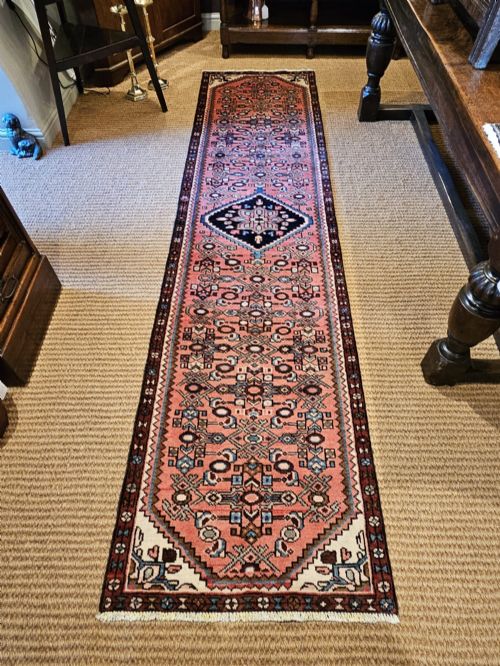
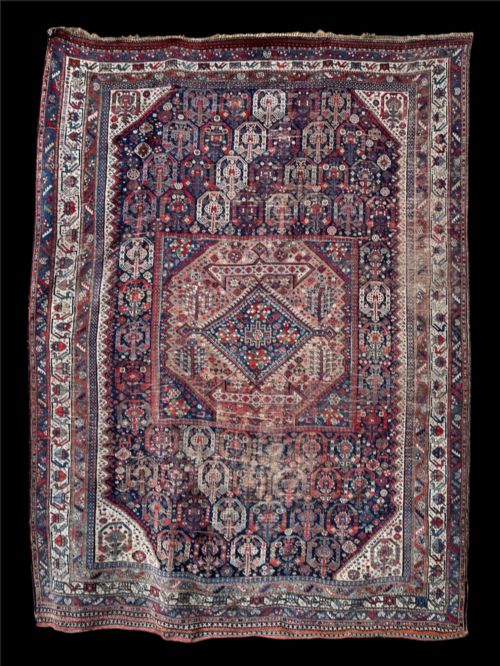
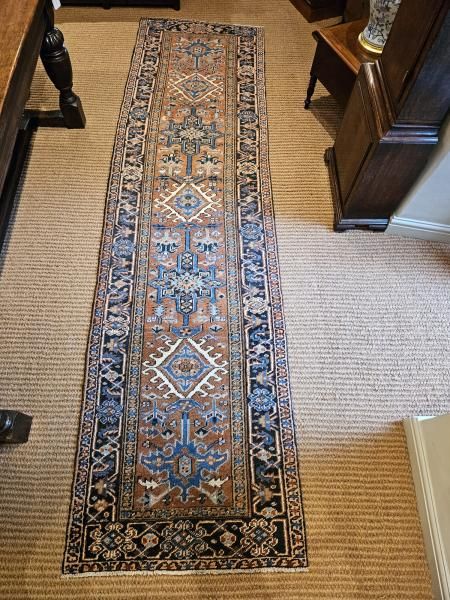
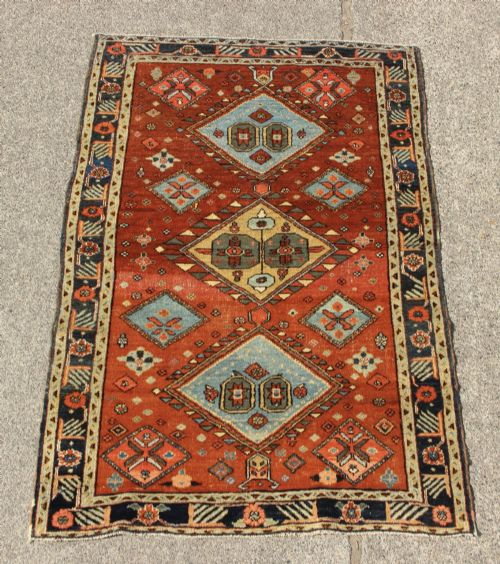
Terracotta Oriental Runner
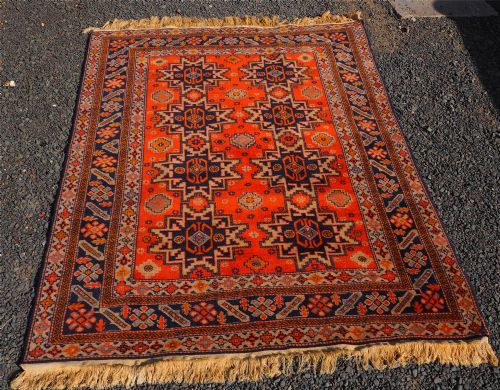
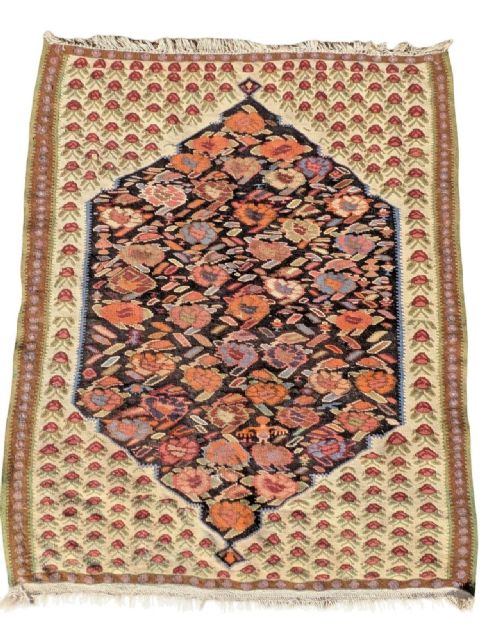
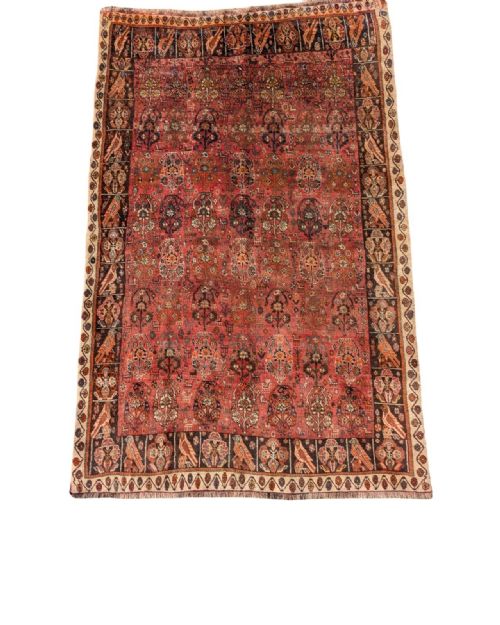
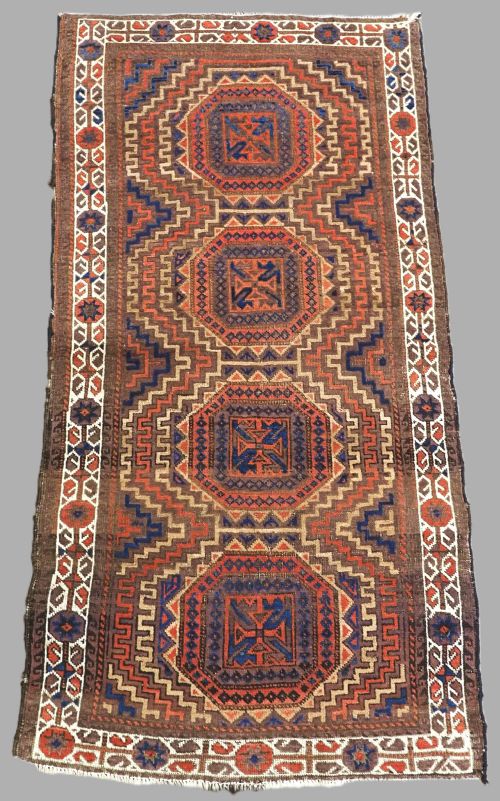
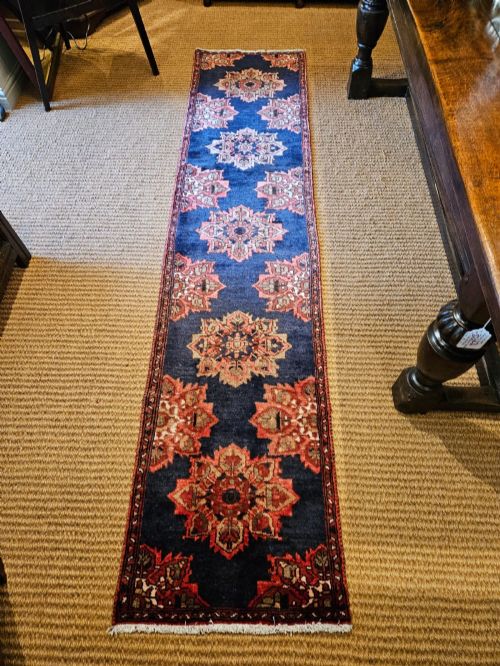
A terracotta oriental runner brings warmth and pattern to a long hallway, offering durable wool construction and rich traditional design.
Terracotta Oriental Runner
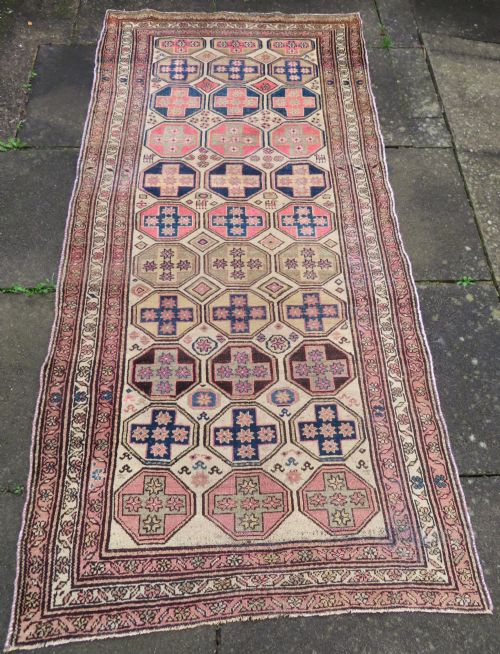
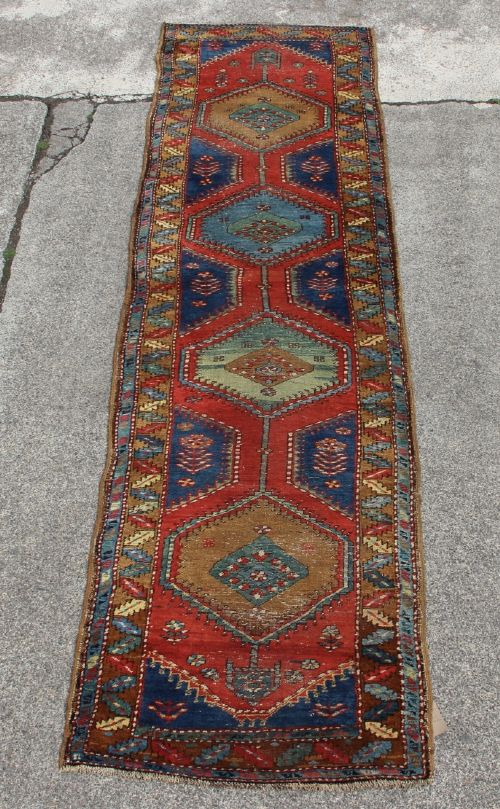
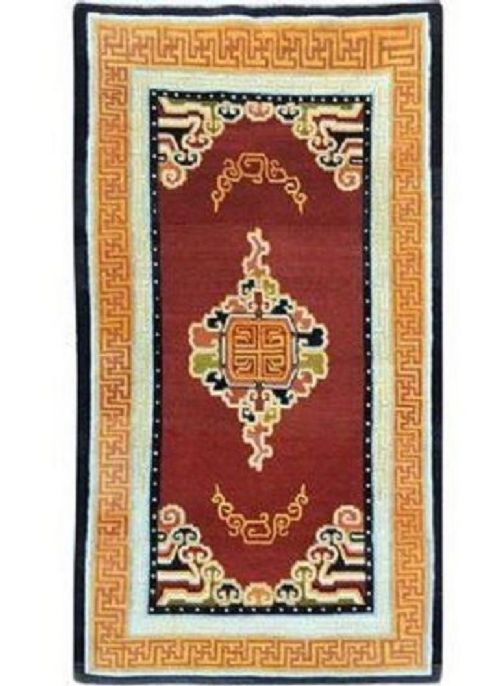
A terracotta oriental runner is a long, narrow carpet designed for corridors, hallways, and staircases, combining historical workshop weaving with tribal traditions. These pieces originate from Persian, Caucasian, Turkish, and Afghan regions, spanning the nineteenth and early twentieth centuries.
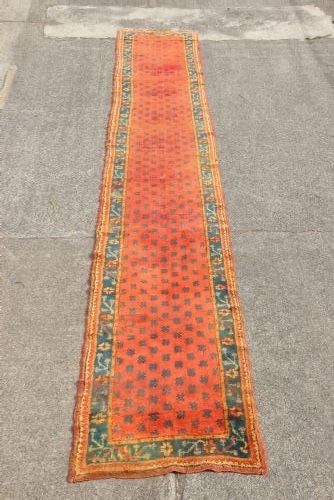
The selection ranges from Kurdish and Heriz geometric room dividers to elongated Oushak and Bakshaish formats. Buyers encounter various village and nomadic forms, all sharing a narrow proportion suited to linear spaces.
Materials and construction
Weavers constructed these pieces using hand-spun wool, cotton foundations, and occasionally camel hair or silk. Artisans tied hand-knotted piles or wove flat-woven structures by hand.
Natural dyes provided the enduring terracotta, red, and earthy tones found across the pile and foundation yarns.
Listings span periods from the nineteenth century through the 1930s, featuring wool, cotton, silk, and natural dyes.
Judging quality and character
Quality rests in the fineness of the knotting, the complexity of the geometric or floral design, and the clarity of the natural dyes. Denser foundations and tightly packed piles endure heavy foot traffic better over decades of use.
The integrity of the original borders and the depth of the terracotta palette distinguish village pieces from standard commercial weaving.
The Terracotta Oriental Runner Glossary
- Runner
- A long, narrow carpet format specifically utilised for hallways and corridors. This shape guides movement through a domestic interior.
- Hand-Knotted
- A construction method where individual yarn loops are tied manually to the warp threads. This technique creates a dense and durable pile.
- Natural Dyes
- Colourants derived from plant, insect, and mineral sources rather than synthetic chemicals. These pigments yield subtle variations and age with a soft patina.
- Boteh
- A stylised almond or paisley motif representing a floral spray or cypress tree. This ancient symbol appears frequently in oriental carpet design.
Terracotta Oriental Runner: Frequently Asked Questions
How do I clean an antique runner?
Professional specialist cleaning is essential for antique wool and natural dye textiles to prevent colour bleeding and fibre degradation.
Regular gentle vacuuming without a beater bar removes surface dust and prevents grit from cutting the foundation threads.
Are these runners durable for hallways?
Hand-knotted wool runners constructed with tight pile density withstand heavy domestic traffic remarkably well. Using a quality underlay provides cushioning and prevents slipping on hard floors.
Rotating the runner periodically ensures even wear patterns across high-traffic areas.
How do I identify a village runner?
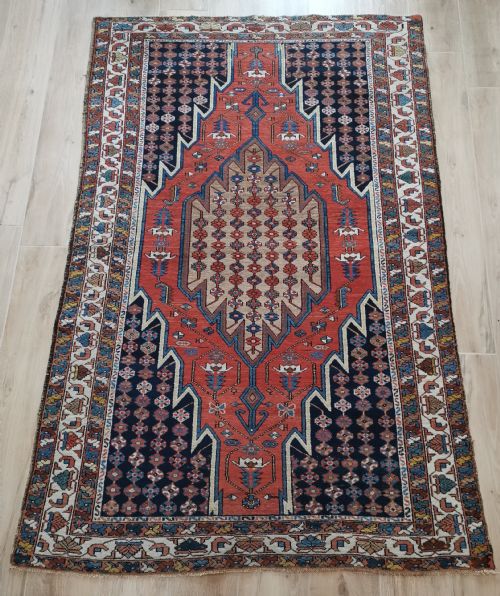
Village rugs and runners display asymmetrical tribal motifs, irregular geometric medallions, and spontaneous colour shifts woven from memory rather than strict cartoons.
These characteristics separate regional tribal work from standardised city workshop production.
What is a natural dye terracotta colour?
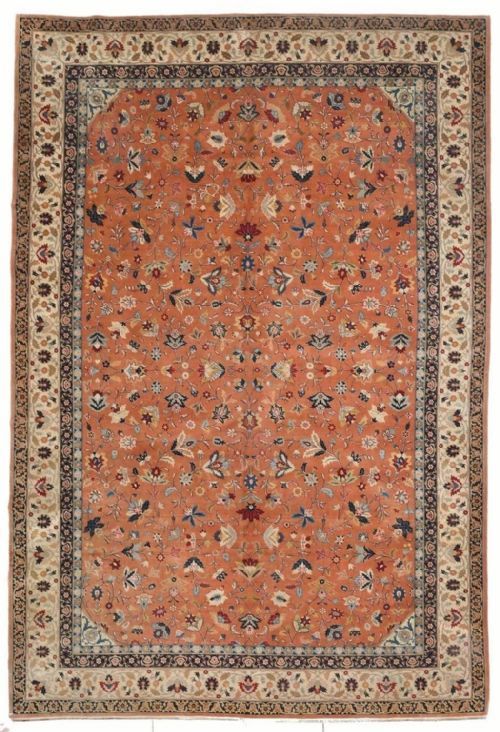
Natural terracotta hues derive from madder root and other organic materials, producing warm, earthy red-brown tones with subtle tonal variations.
These vegetable dyes mellow gracefully with age, acquiring depth that synthetic aniline colours cannot replicate.