




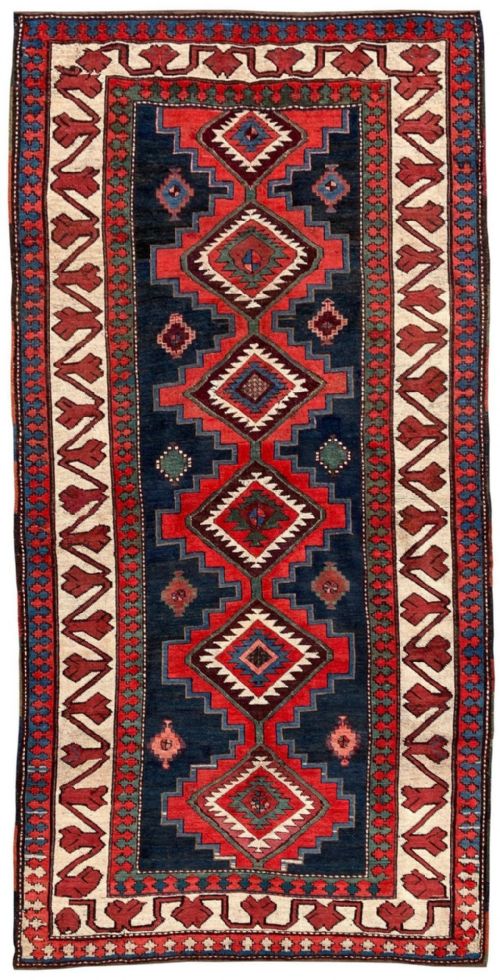
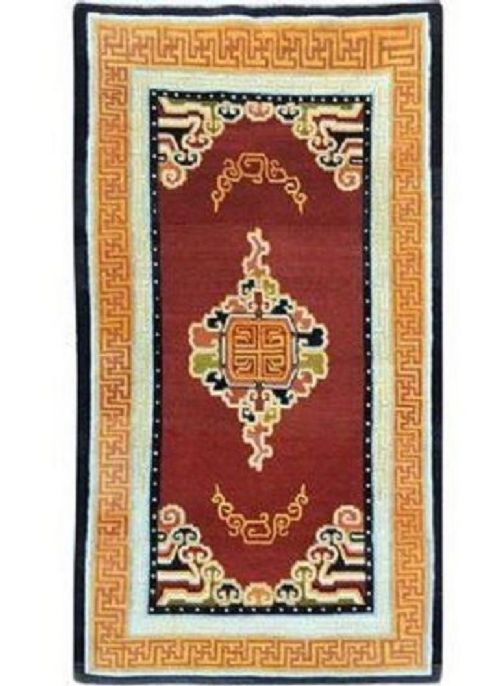
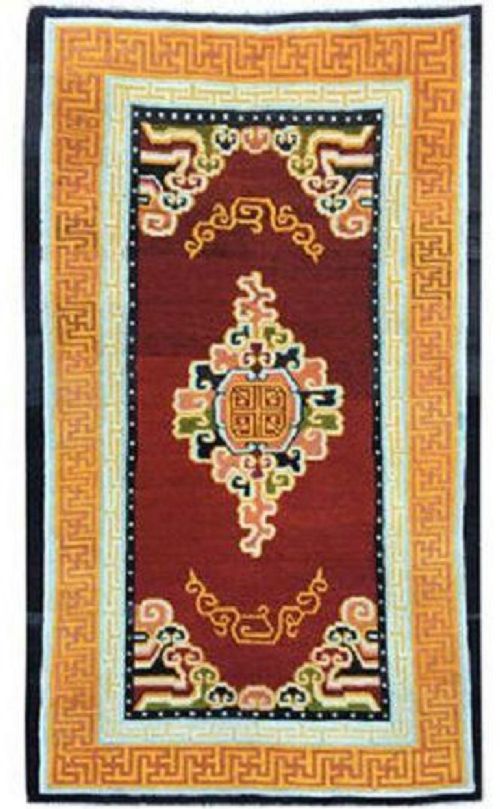
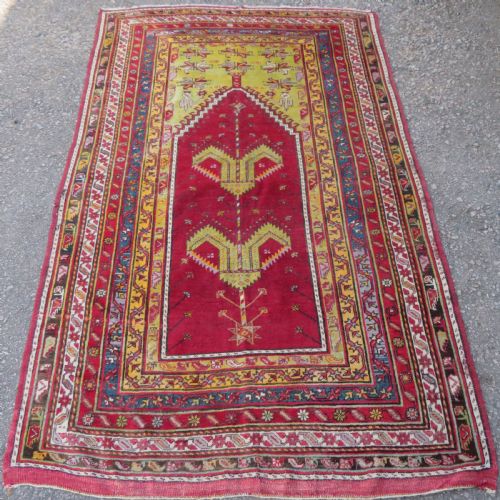
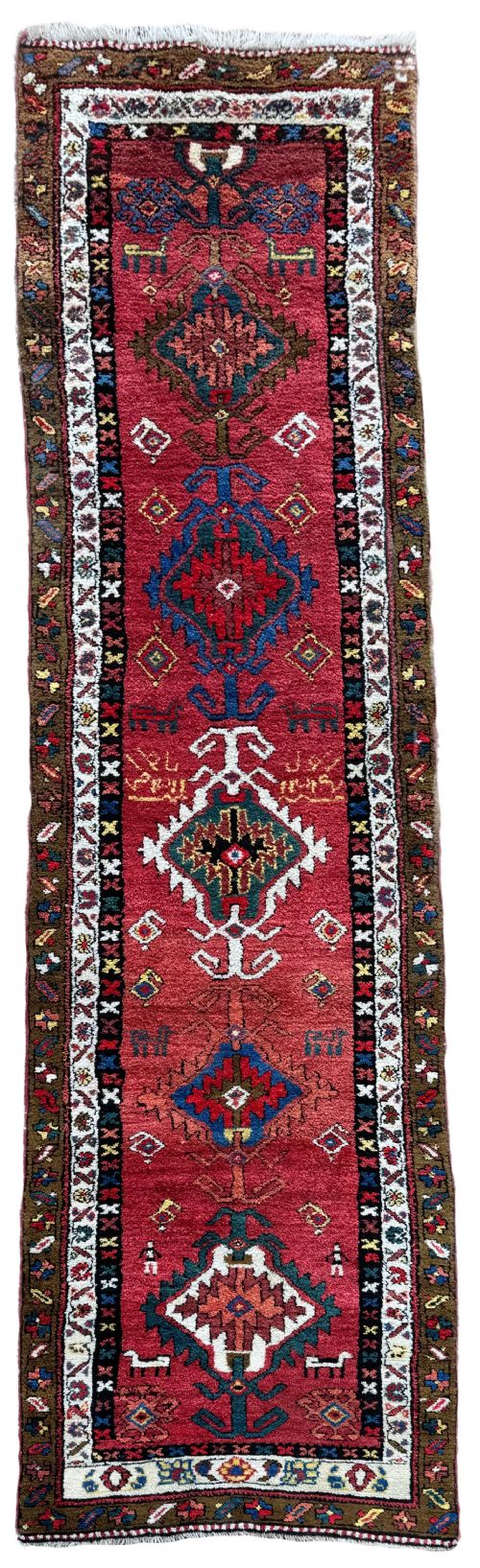
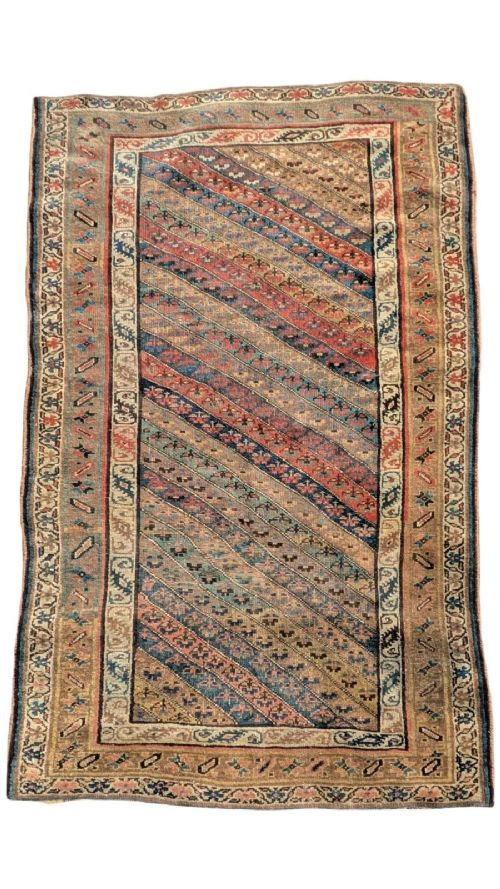
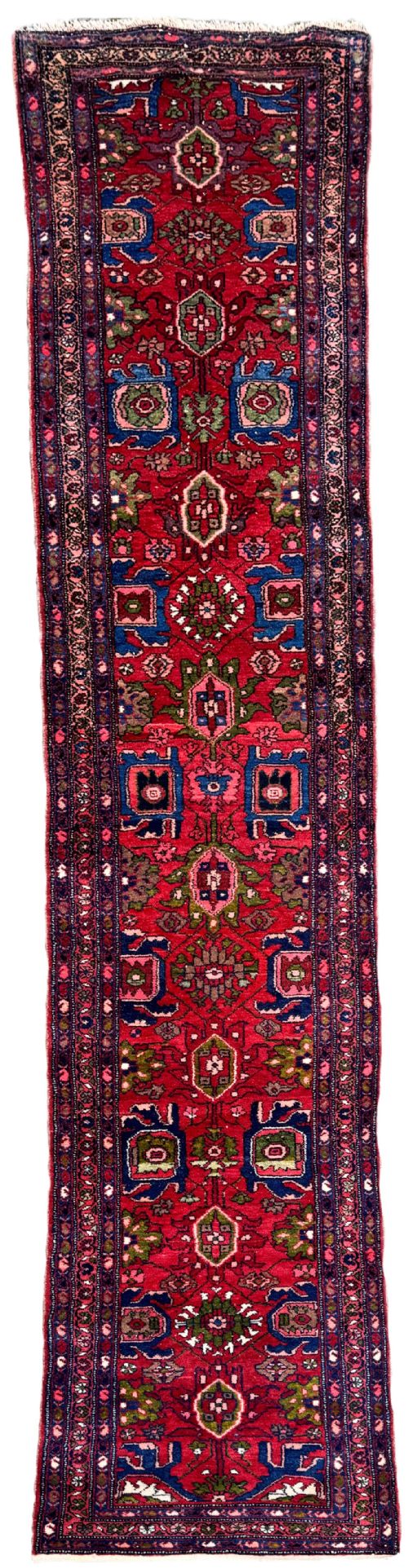
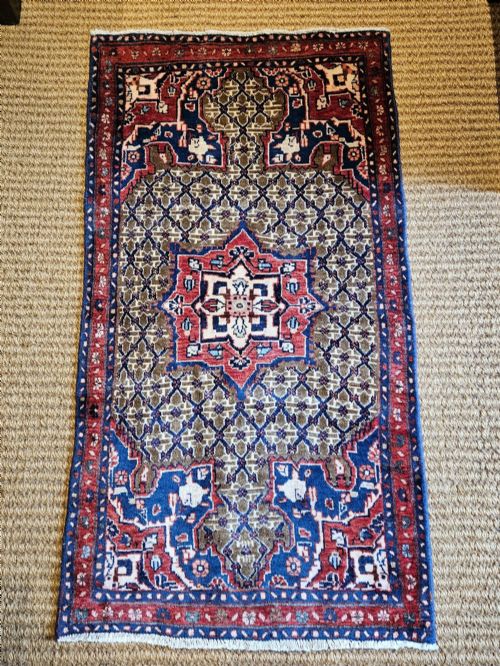
Red Geometric Runner
A red geometric runner brings linear structure and saturated colour to a narrow hallway through centuries-old weaving traditions.
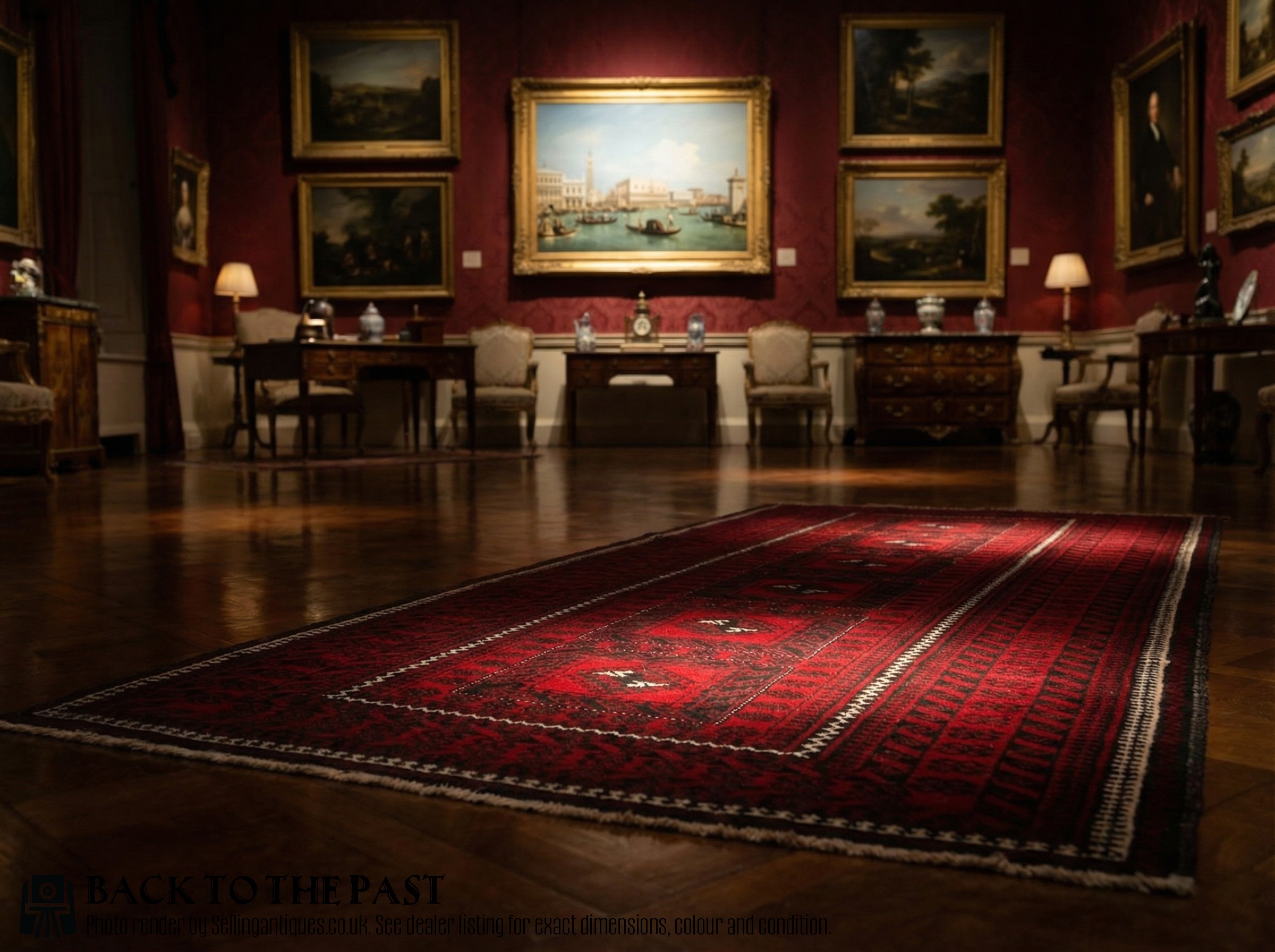
Red Geometric Runner
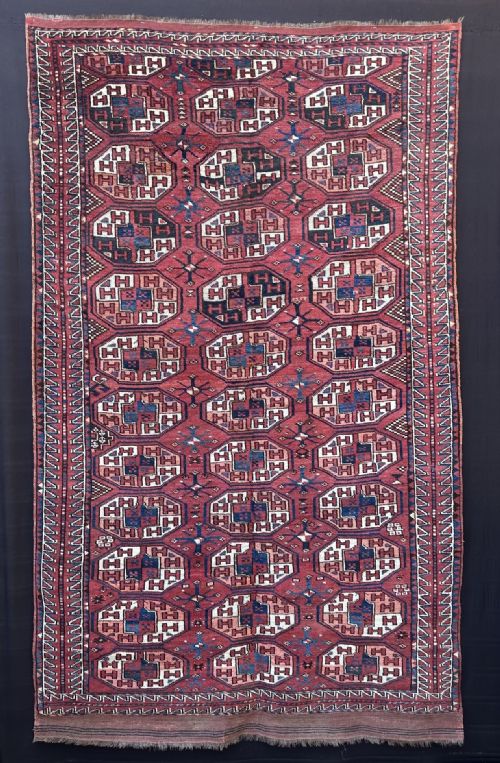
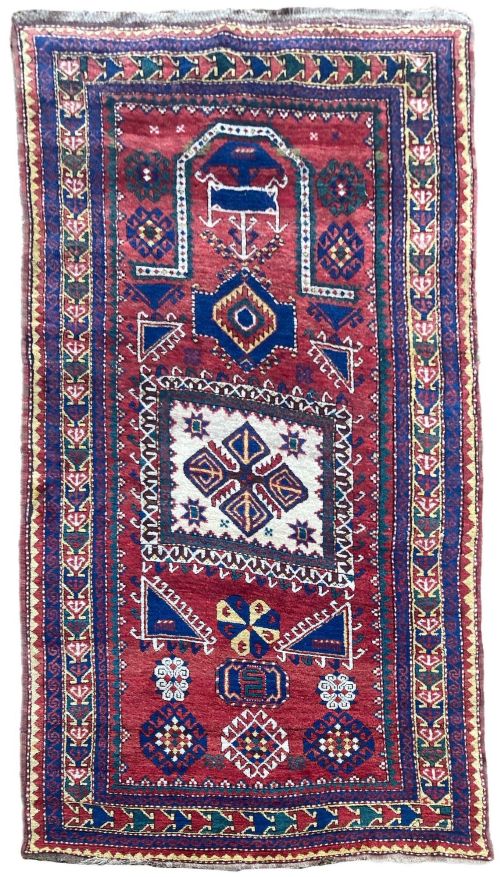
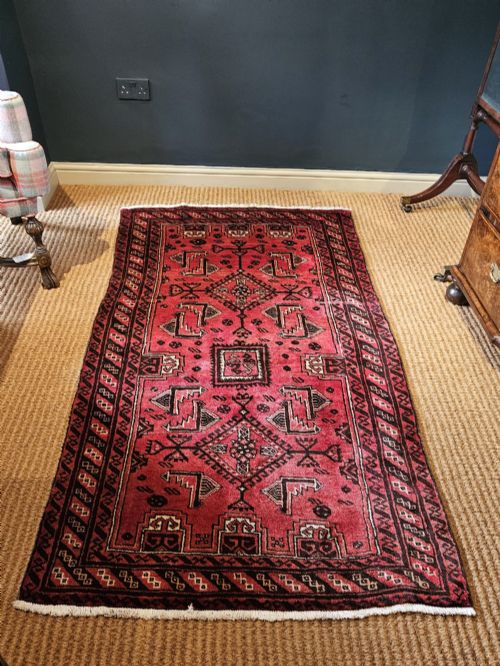
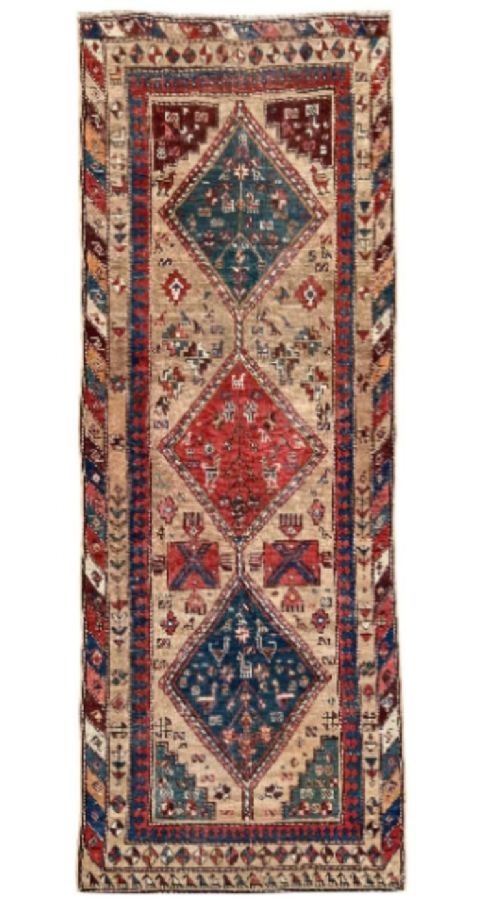
A red geometric runner is a long, narrow floor covering defined by angular motifs and linear borders rendered predominantly in red tones. When searching for a red geometric runner, buyers encounter antique and vintage specimens originating from Persian, Caucasian, Anatolian, and Turkmen weaving traditions. These textiles span periods from the nineteenth century through to the nineteen-thirties, taking forms such as hallway runners, long rugs, and narrow carpets.
The format serves specific architectural spaces like corridors and narrow passages where linear patterns draw the eye along the floor. Many pieces display tribal and traditional village designs featuring repeating medallions, lattice networks, and stylized flora. Originating from regions including Hamadan, Heriz, Kazak, and Shirvan, these long formats combine utility with distinct cultural aesthetics.
Materials and Construction
These textiles are constructed primarily from wool and pure wool pile knotted onto foundation threads of cotton or wool. Natural dyes provide the enduring palette, yielding deep reds alongside contrasting tones of blue, ivory, and indigo. The interplay of hand-spun wool and natural colourants creates a textured surface that absorbs light differently across various angles of view.
Weavers utilised traditional knotting techniques on upright looms, building dense piles designed to withstand heavy foot traffic in domestic interiors. The structural integrity relies on tightly packed foundation warps and wefts that secure the wool pile in place over decades of use.
Red Geometric Runner Retail Price Guide 2026
Typical asking prices for red geometric runner among the pieces listed under this phrase on Sellingantiques today, from the lower quarter to the upper quarter. They describe what is for sale here now, not the wider market.
Listings feature pieces spanning from the nineteenth century through the nineteen-thirties, incorporating wool, cotton, and natural dyes.
Evaluating Quality
Quality in these long formats rests upon the precision of the knotting and the complexity of the tribal design work. Finer examples display crisp, well-defined geometric outlines where motifs remain sharp and balanced from end to end. The depth and saturation of the natural dyes further separate standard room borders from superior artistic achievements.
Structural resilience also dictates value, seen in the uniformity of the weave and the original retention of selvages and ends. Pieces that maintain structural stability alongside vibrant, undiluted colour distribution represent the upper tier of surviving examples.
The Red Geometric Runner Glossary
- Runner
- A long, narrow carpet format specifically designed for hallways, corridors, and staircases. This shape emphasises linear designs and repeating geometric patterns.
- Natural Dyes
- Colourants derived from plant, insect, or mineral sources rather than synthetic chemicals. These dyes yield rich, complex tones that age with subtle patination.
- Pile
- The vertical or diagonal loops of yarn that form the usable surface of the carpet. In these pieces, the pile is traditionally made from wool or pure wool.
- Warp
- The stationary vertical threads stretched across the loom that form the structural foundation of the textile. Wefts are woven horizontally across these warps to secure the knots.
Red Geometric Runner: Frequently Asked Questions
Where should I place a red geometric runner?
These narrow formats suit hallways, corridors, entryways, and narrow galleries where linear floor coverings direct movement. Their elongated proportions balance empty floor space while introducing historic pattern and warmth to transit areas.
Because they were built for heavy domestic use, they handle foot traffic well when paired with an appropriate underlay. Placement in lower-light passages also allows the saturated red tones to brighten transitional spaces.
How do I care for an antique wool runner?
Routine maintenance involves gentle vacuuming without a rotating brush roll to prevent snagging the wool pile. Professional cleaning suited for antique textiles preserves the natural dyes and structural integrity of the foundation.
Rotating the piece periodically ensures even wear across the length of the runner, particularly in high-traffic corridors. Keeping the rug away from direct, continuous sunlight protects the natural dyes from premature fading.
What defines Caucasian runner styles?
Caucasian runner styles are characterised by bold, striking geometric motifs, sharp angles, and strong primary colours including deep reds, blues, and ivories. These pieces often feature repeating medallions, hooked polygons, and lattice frameworks.
The regional aesthetics reflect distinct tribal weaving traditions from the Caucasus region, resulting in graphic, highly architectural designs that stand apart from curved floral Persian compositions.
How do I identify a tribal rug?
Tribal rugs typically display asymmetrical motifs, memory-woven patterns, and stylized representations of animals, plants, and domestic objects. These designs are less rigid than court or workshop carpets, reflecting the personal expression of nomadic or village weavers.
Materials in genuine pieces generally consist of hand-spun wool dyed with natural substances, resulting in subtle tonal variations known as abrash across the field.