

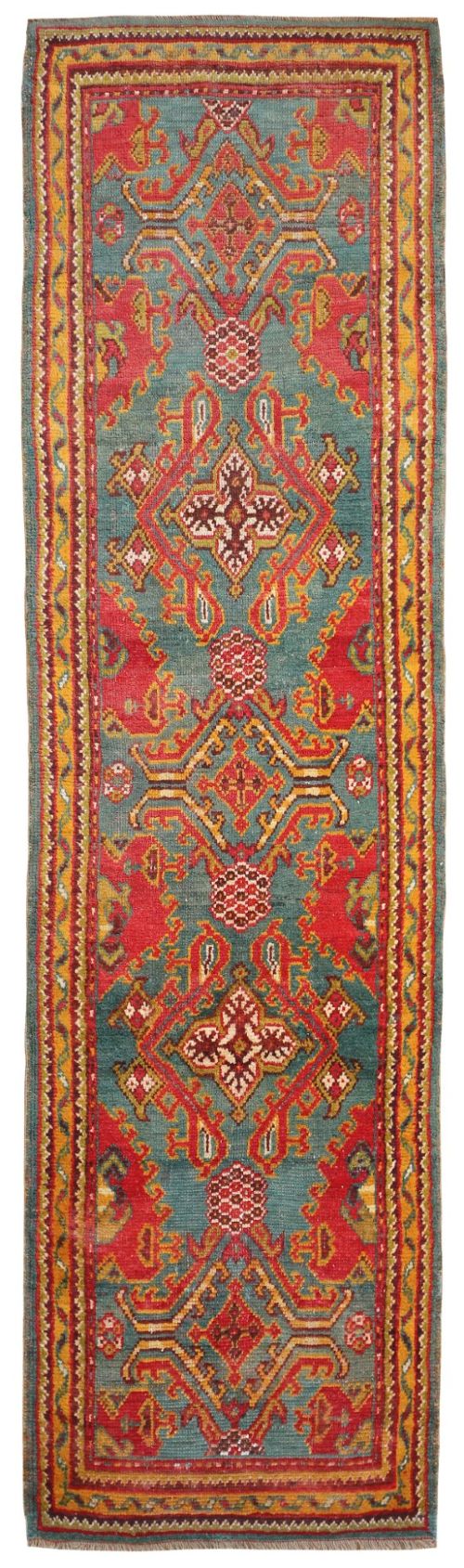
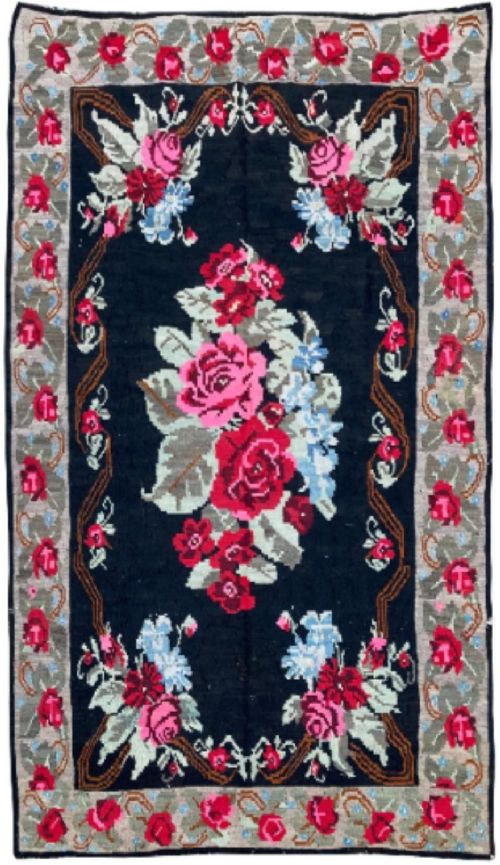
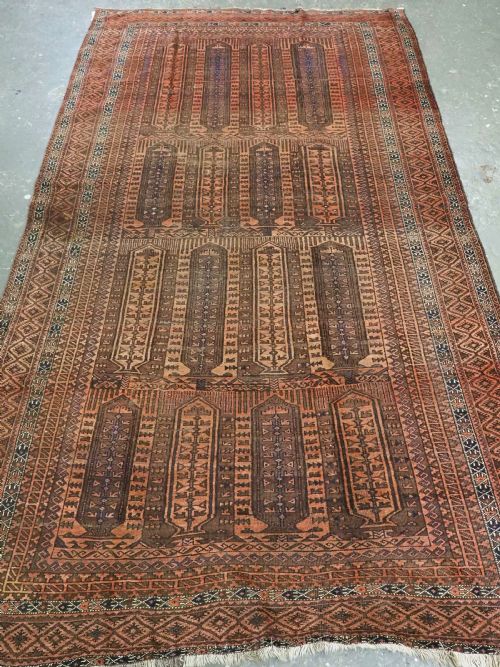
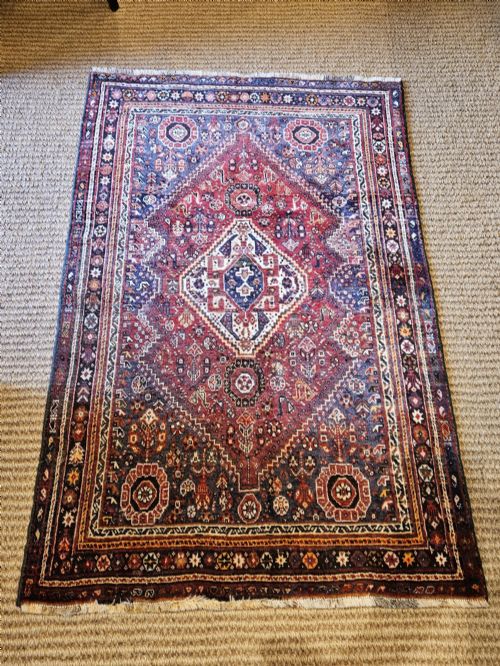
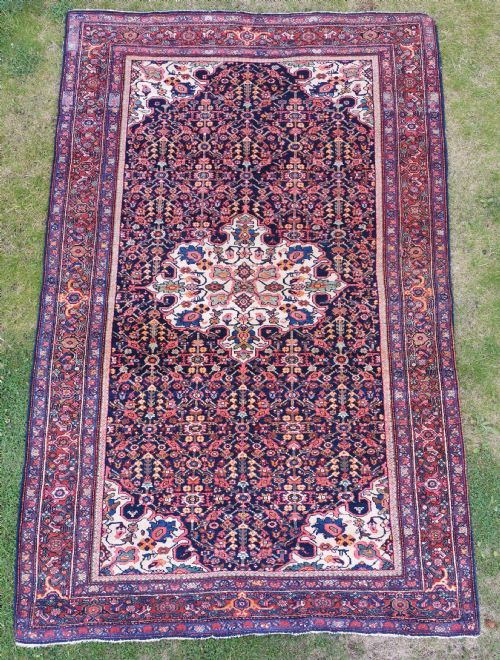
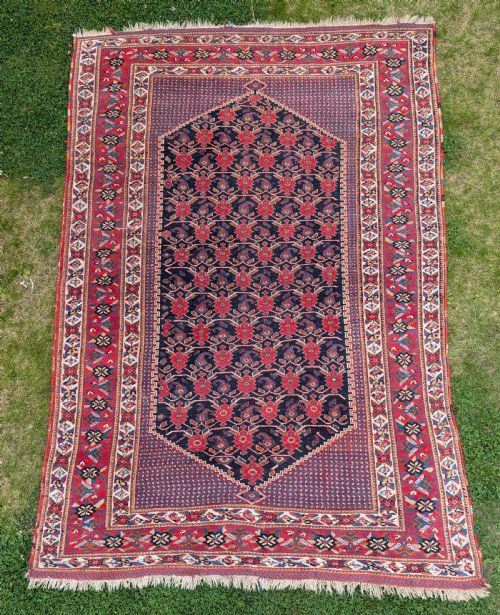
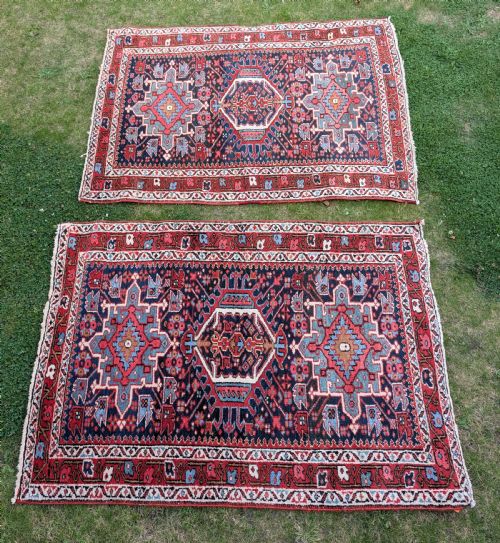
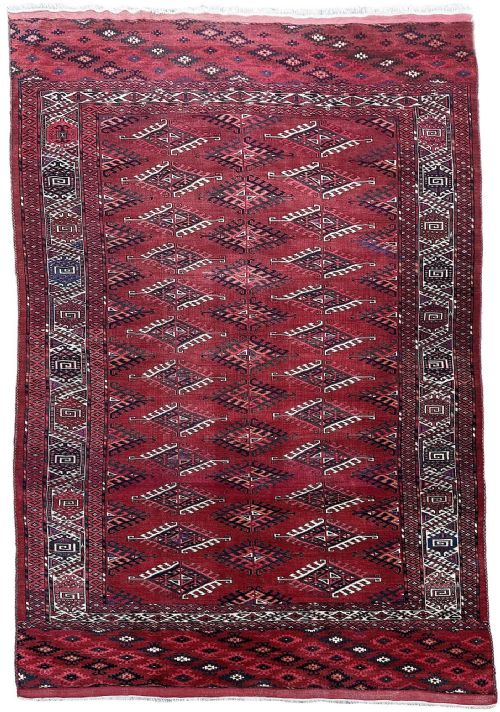
Handwoven Area Carpet
A handwoven area carpet brings floor presence, warmth and traditional design into a room through centuries-old weaving practises.
Handwoven Area Carpet
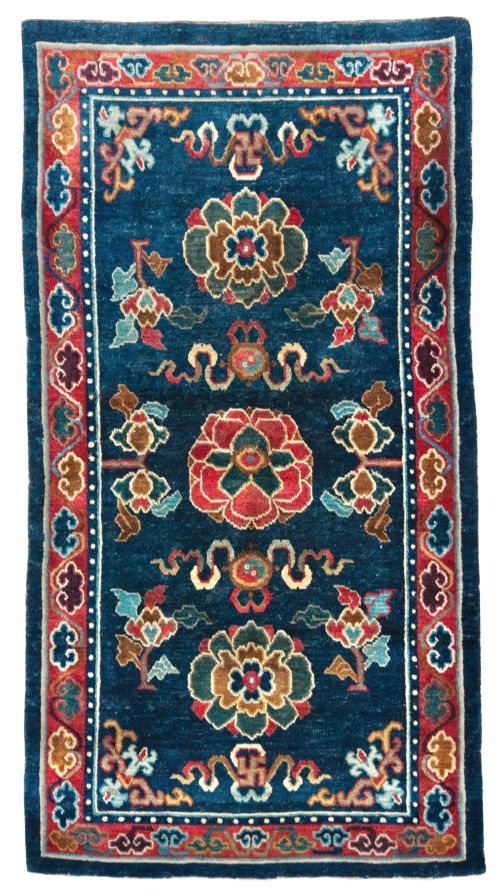
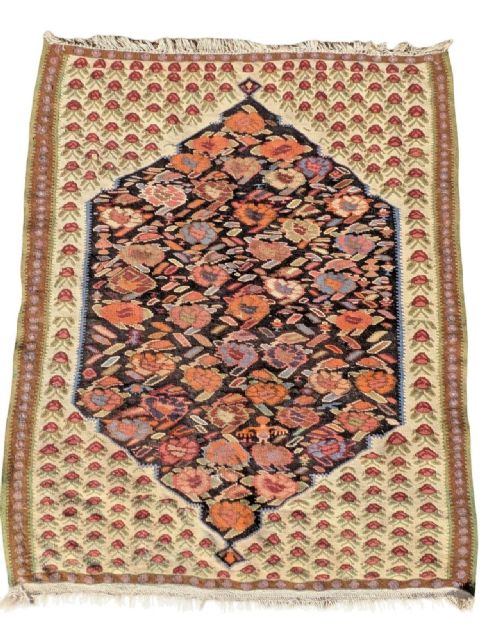
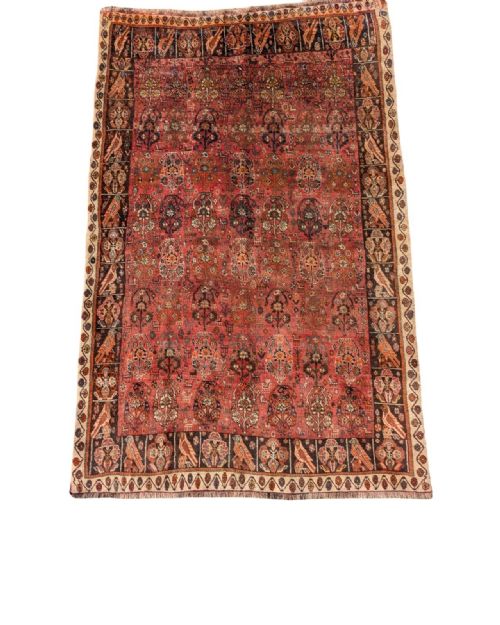
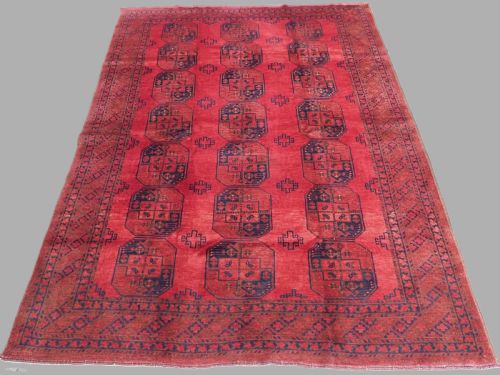
A handwoven area carpet represents centuries of textile artistry originating from Persian, Caucasian, Afghan, Anatolian, and Tibetan traditions. Buyers searching for a handwoven area carpet often encounter pieces dating from the late nineteenth century through to the mid-twentieth century.
The selection ranges from large carpets down to smaller prayer rugs, runners, and kilims. Regional weaves such as Heriz, Bidjar, Baluch, and Kazak each bring distinct tribal or village patterns to the floor.
Materials and Methods
Makers utilised natural materials including standard wool, hand-spun wool, Tibetan wool, and cotton foundations. Natural dyes produced deep reds, blues, and ivory grounds that settle into soft patinas over decades of use.
Weavers knotted or flat-wove these materials by hand on vertical or horizontal looms. The resulting pile or flatweave structures account for the remarkable longevity found in these floor coverings.
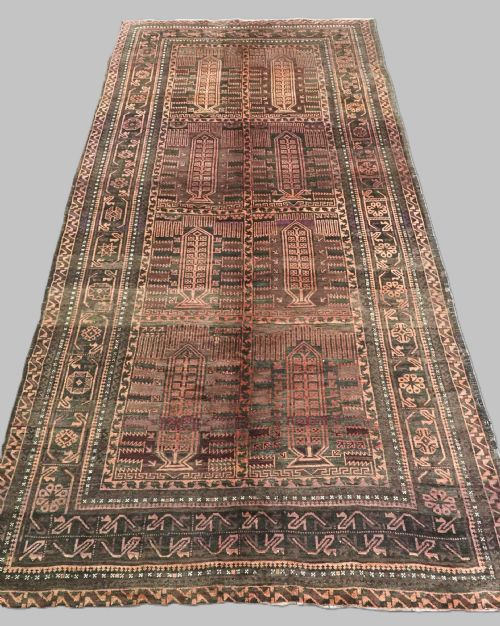
Certain antique Baluch rugs feature a classic pencil box design that looks remarkably like a neatly organised school desk.
Distinctions in Quality
Quality rests upon the density of the knotting and the precision of the village or tribal design execution. Finer knots permit intricate geometric or floral motifs to retain crisp definition across the field.
The choice of wool and the depth of the natural dye palette also determine the character of the piece. Superior materials wear gracefully, maintaining structural integrity and colour richness as they age.
The Handwoven Area Carpet Glossary
- Kilim
- A flat-woven carpet or rug produced without a pile. These pieces rely on interlocking weft techniques to create sharp geometric patterns.
- Prayer rug
- A small rug featuring a mihrab or niche design, traditionally used for personal devotion. They often display concentrated symbolic motifs.
- Medallion
- A central ornamental design motif placed in the middle of the carpet field. It serves as the visual focal point of the composition.
- Runner
- A long, narrow carpet format designed for hallways, corridors, or alongside beds. They adapt traditional runner geometry to restricted spaces.
- Natural dyes
- Colourants derived from plants, insects, and minerals prior to the widespread adoption of synthetic alternatives. They yield complex, shifting tones.
Handwoven Area Carpet: Frequently Asked Questions
How do I clean an old carpet?
Gentle surface brushing and professional dusting suit antique textiles best. Avoid harsh chemical immersion to protect the natural fibres.
Regular rotation prevents uneven wear patterns in high-traffic zones. Professional conservators should handle any intensive washing.
Can I place these on heated floors?
Traditional wool and cotton textiles tolerate moderate underfloor heating well. Natural breathability helps them adapt to temperature shifts.
Use a breathable underlay to secure the piece and promote airflow. Check the backing periodically to ensure the fibres remain stable.
What is the difference between a rug and a carpet?
Terminology often overlaps, though carpets generally denote larger room-sized floor coverings. Rugs may refer to smaller formats, mats, or specific regional pieces.
Both categories rely on identical hand-knotting or flat-weaving techniques. Scale remains the primary distinction in everyday dealer descriptions.
How do I identify a tribal weave?
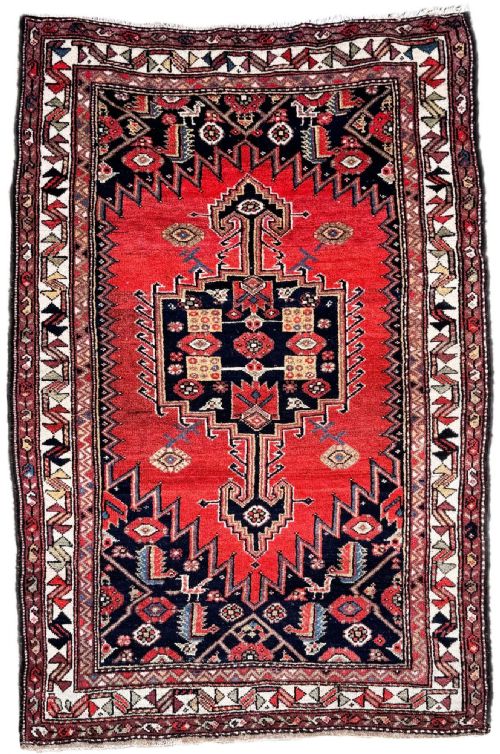
Tribal pieces display asymmetrical geometric motifs, memory-driven patterns, and robust wool handles. Nomadic groups wove these items for practical domestic use.
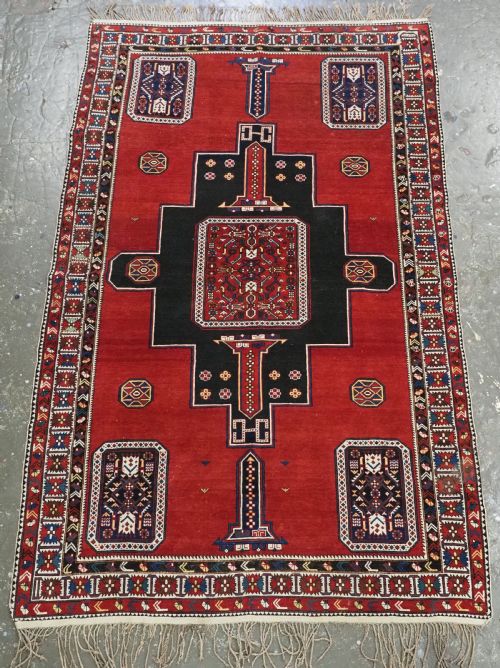
Designs often reflect specific clan traditions rather than urban workshop standards. Vibrant red colourways and rustic borders frequently signal nomadic origins.