





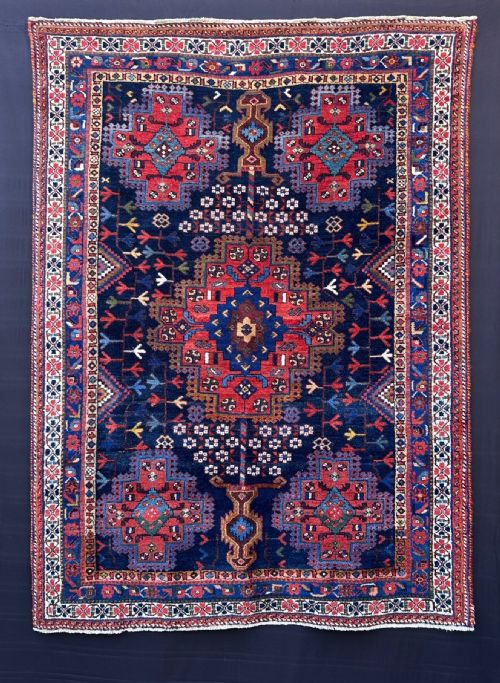
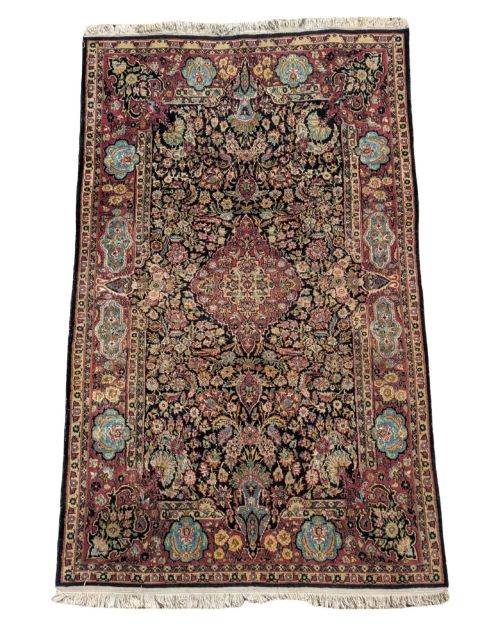
Hand Knotted Floor Rug
A hand knotted floor rug brings centuries of woven tradition, rich wool and natural dyes directly into daily living spaces.
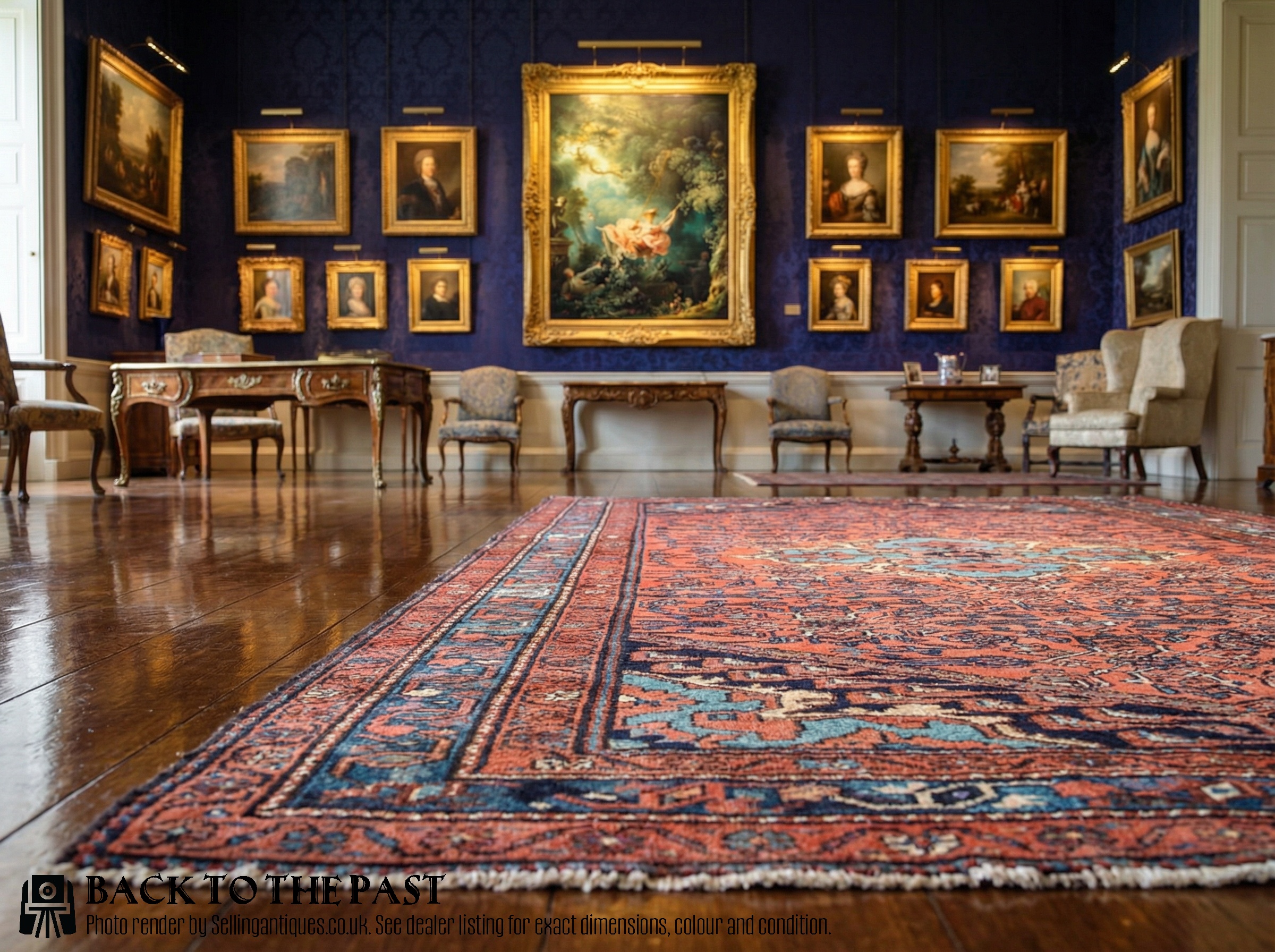
Hand Knotted Floor Rug
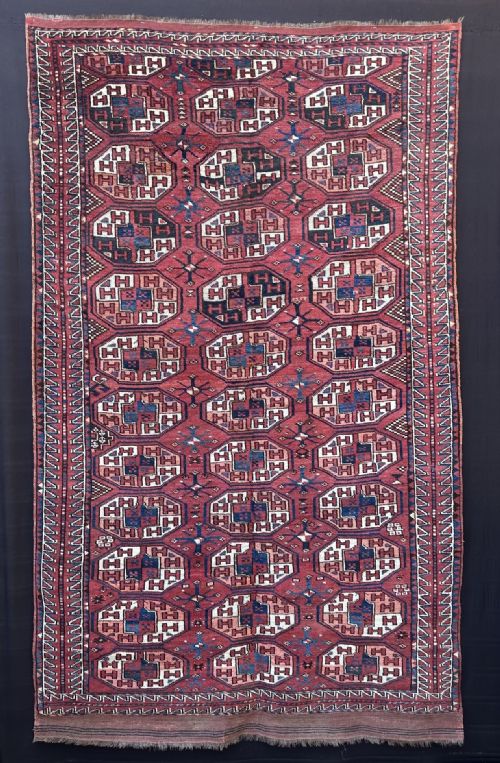
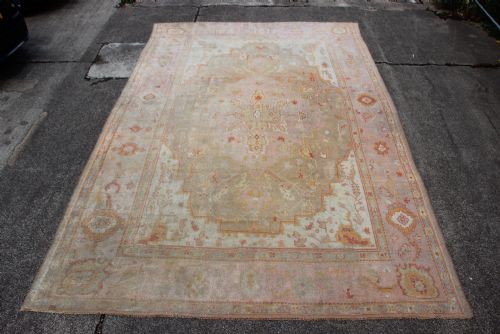
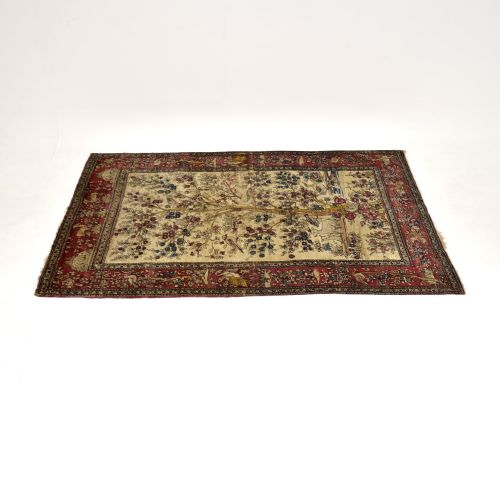
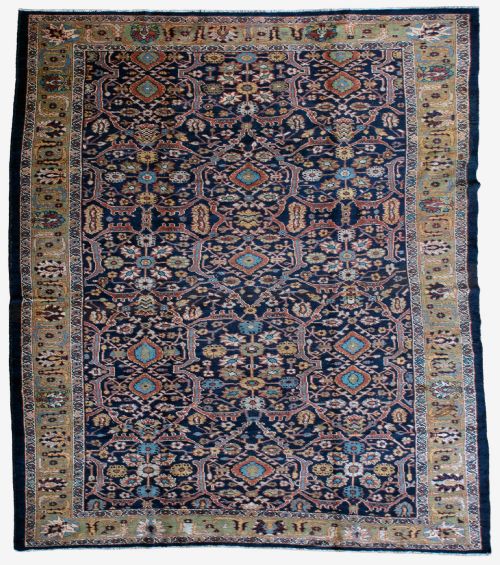
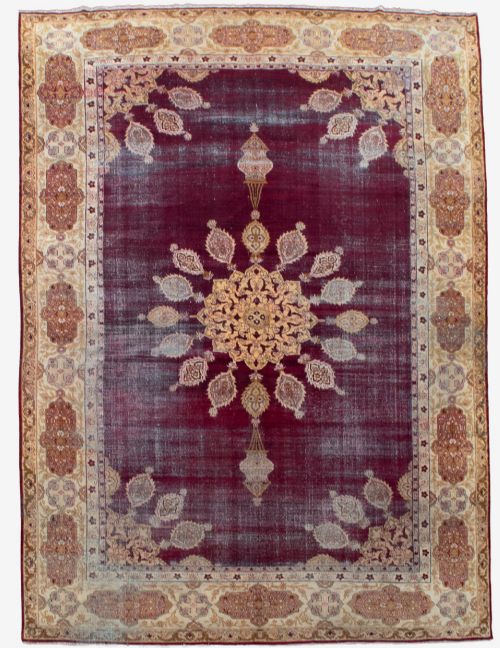
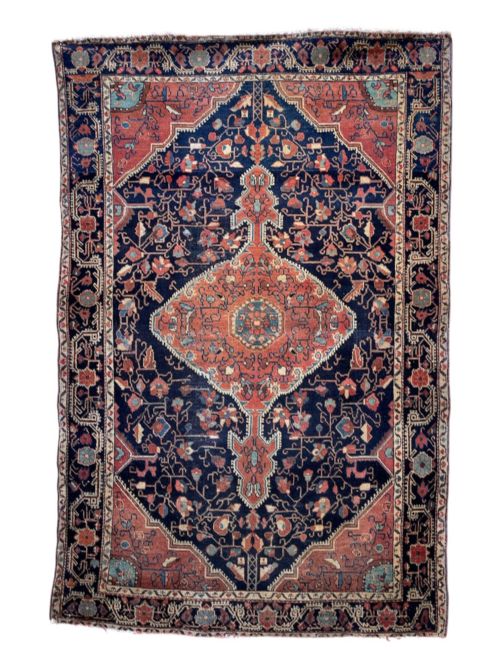
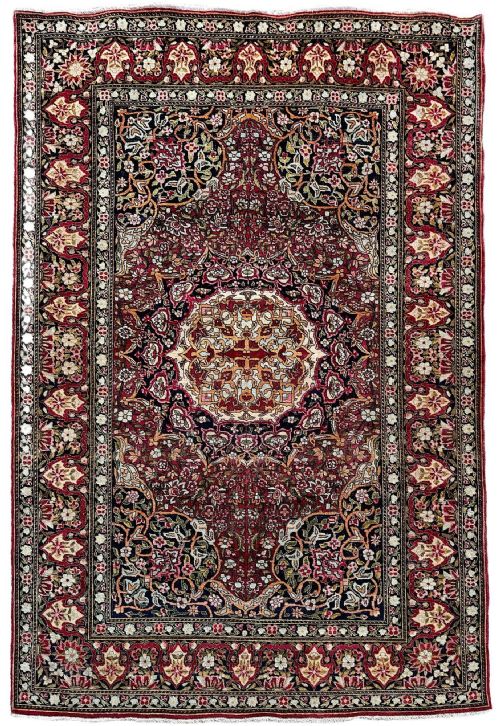
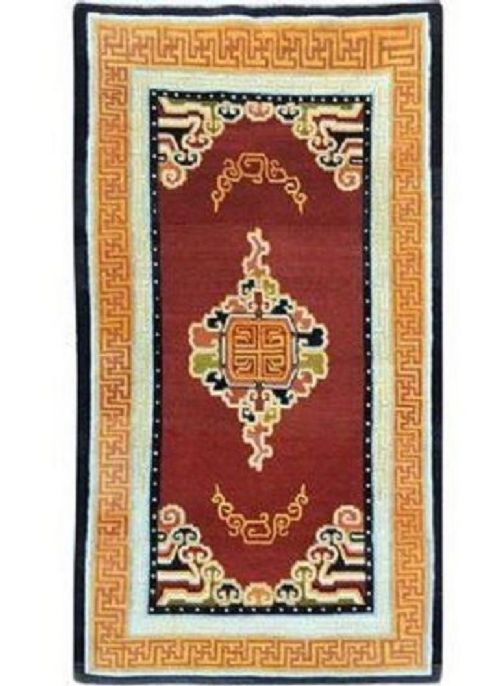
A hand knotted floor rug encompasses resilient village carpets, nomadic tribal pieces and room-sized floor coverings originating from Persia, the Caucasus, Turkey, Turkmenistan and Tibet. Buyers searching for a hand knotted floor rug encounter room-scale formats alongside smaller hearth rugs, runners and long gallery carpets dating from the mid-nineteenth century through the early twentieth century.
Traditional Persian designs predominate, including Heriz, Saroukh, Bakhtiar, Kashan and Oushak workshops, alongside robust tribal expressions created by Kurdish, Afshar, Baluch, Lori and Turkmen weavers. These textiles function practically beneath furniture while displaying complex geometric, medallion and floral layouts passed down through generations.
Materials and Construction
Construction relies upon hand-spun wool foundations and pile yarns, frequently combined with cotton warps and wefts to create stable, supportive fabric. Certain pieces incorporate select silk highlights to accentuate intricate details within the design.
Natural dyes provide the enduring palette, yielding deep indigos, warm reds, rusts and earthy tones that age gracefully across decades of exposure and use.
Hand Knotted Floor Rug Retail Price Guide 2026
Typical asking prices for hand knotted floor rug among the pieces listed under this phrase on Sellingantiques today, from the lower quarter to the upper quarter. They describe what is for sale here now, not the wider market.
Certain antique carpets retain tiny nomadic weaving errors, where makers intentionally altered patterns to ward off the evil eye.
Assessing Execution and Materials
Quality rests upon the precision of the knotting, the density of the weave and the clarity of the underlying tribal or workshop design. Superior examples display masterful handling of natural dyes, resulting in harmonious colour depth and balanced proportions.
The integrity of the wool, the retention of original edge finishes and the crispness of the secondary ornament distinguish exceptional village carpets from standard commercial production.
The Hand Knotted Floor Rug Glossary
- Warp
- The vertical threads stretched lengthwise on a loom that form the structural foundation of the textile. Fringe ends typically emerge from these parallel strands.
- Weft
- The horizontal threads passed across the warp strands between rows of knots to bind the pile securely in place.
- Guls
- Octagonal or medallion motifs characteristic of Turkmen and Baluch tribal weaving traditions. These repeating emblems often identify specific clans or regions.
- Kelleh
- A large, elongated format of carpet traditionally designed to fit specific proportions within historic Persian reception rooms. This rectangular shape functions well in long hallways or grand rooms.
- Prayer rug
- A small format featuring a distinct architectural mihrab arch design, historically oriented toward Mecca during daily devotions. These textiles often display concentrated floral lattices or geometric symbolism.
Hand Knotted Floor Rug: Frequently Asked Questions
How do I choose the right size?
Measure the room and furniture arrangement carefully to ensure the floor covering anchors the seating area appropriately. Leave adequate bare floor perimeter to frame the textile.
Consider heavy traffic zones when selecting room dimensions, ensuring doors swing freely over the pile height.
Where should I place a runner?
Runners suit narrow hallways, corridors, kitchens and bedside spaces where linear formats provide warmth and traction. Their elongated proportions guide movement through architectural transitions.
Ensure underlying slip-resistant padding is utilised on hard flooring surfaces to keep the textile secure.
How do I care for wool pile?
Vacuum gently using suction attachments without rotating brush rolls that pull at individual knots. Address spills immediately by blotting with clean, dry cloths rather than rubbing.
Professional specialist cleaning preserves natural lanolin and protects the stability of the foundation threads.
What indicates a tribal origin?
Tribal pieces display asymmetrical geometric motifs, spontaneous colour shifts and bolder village aesthetics rather than formal court symmetry. Their structures often reflect nomadic life and local materials.
Designs like those from Kurdish, Afshar or Baluch makers carry distinctive motifs handed down within specific weaving groups.
How do natural dyes age?
Natural dye formulations mellow softly over generations, developing subtle abrash tonal variations across the field. This gentle patina confirms plant and insect-based colour sources.
Exposure to sunlight influences these shades gradually, enhancing the visual depth of the wool pile.