




Edwardian Wool Carpet
An edwardian wool carpet brings heavy texture and rich botanical or tribal motifs into a room, offering durability alongside historic character.
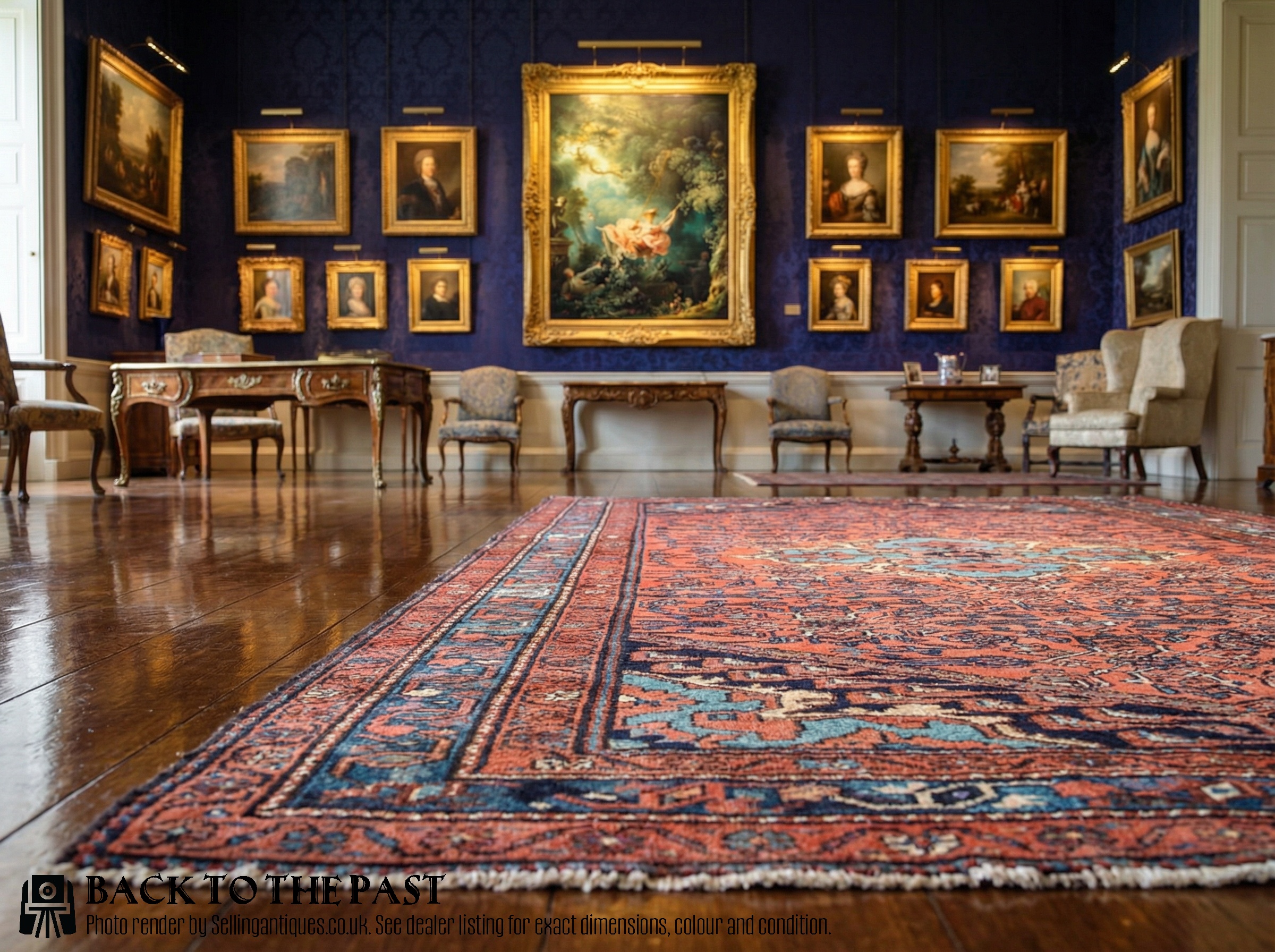
Edwardian Wool Carpet
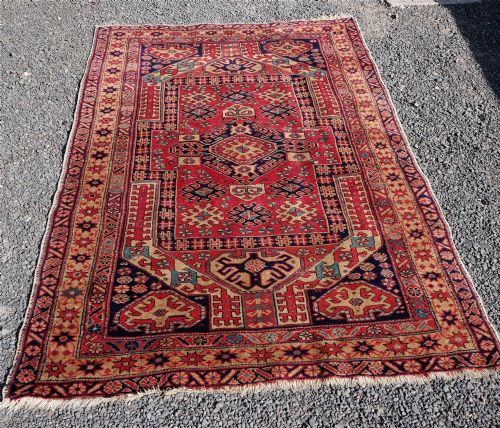
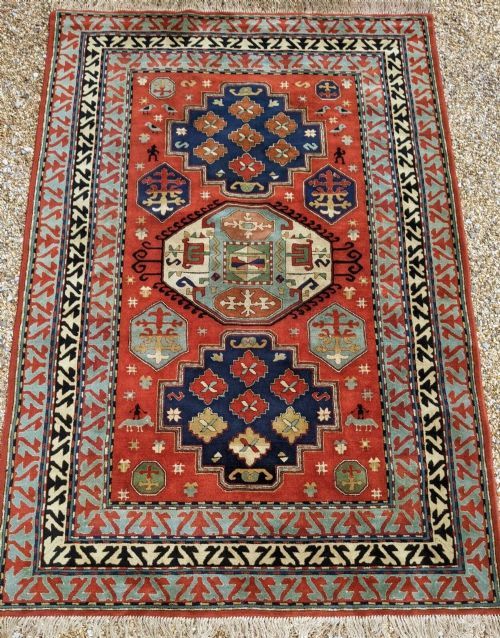
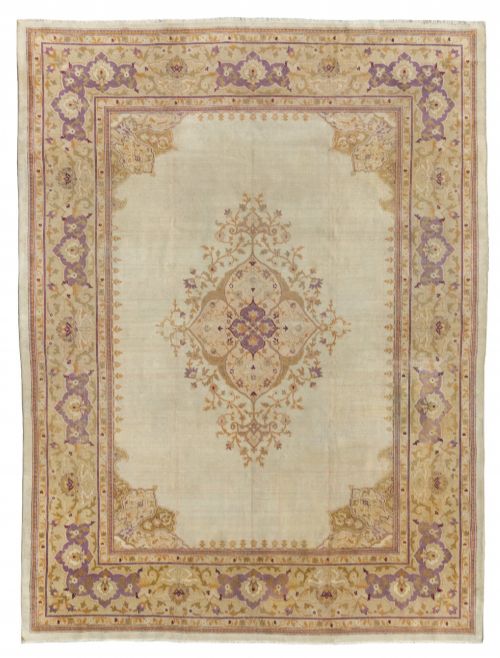
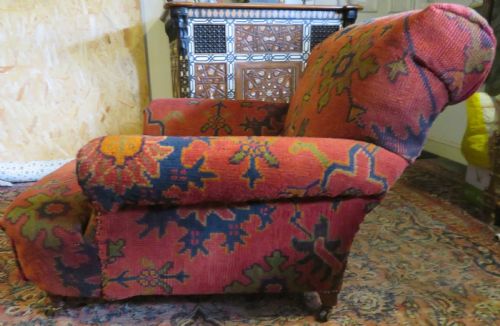
When you search for an edwardian wool carpet, you encounter heavy woven floor coverings made around the turn of the twentieth century. These textiles stem from diverse weaving traditions, spanning Persian city workshops, Turkish production centres, and tribal tents across Central Asia.
The selections available here rely heavily on Persian designs like Heriz, Mahal, and Tabriz, alongside robust village and nomadic pieces such as Baluch, Ersari, and Yomut rugs. European interpretations from the Arts and Crafts movement, including Donegal carpets, also appear within this group.
Most examples function as area rugs or large floor carpets designed to anchor a drawing room or study. They bring together sturdy wool piles and intricate patterned fields that reflect both traditional regional motifs and early twentieth-century furnishing tastes.
How they were made
These carpets rely on spun wool for the foundation pile, paired frequently with cotton warps and wefts to provide structural stability. Many pieces integrate natural dyes that yield muted pastels, deep indigos, and warm terracotta tones.
Weavers knotted the wool by hand onto upright looms, utilising traditional regional techniques passed down through generations. Certain European commissions employed specific workshops like Donegal to execute Arts and Crafts designs with hand-tufted or woven wool construction.
Edwardian Wool Carpet Retail Price Guide 2026
Typical asking prices for edwardian wool carpet among the pieces listed under this phrase on Sellingantiques today, from the lower quarter to the upper quarter. They describe what is for sale here now, not the wider market.
The inventory spans production dates from the eighteen-eighties through the nineteen-thirties.
What varies in quality
Knot density and structural tightness dictate the resilience of the pile under heavy foot traffic. Finer city pieces achieve intricate detail through dense knotting, whereas tribal rugs rely on coarser, robust wool structures designed for utility.
The depth and integrity of the dye palette separate standard productions from exceptional examples. Pieces retaining original natural dyes exhibit a harmonious tonal shift across the field, whereas lesser examples may show flat or heavy-handed colour application.
Howard And Sons·Gavin Morton·Maples
The Edwardian Wool Carpet Glossary
- Warp
- The vertical threads stretched lengthwise on a loom that form the foundational skeleton of a woven carpet. The exposed fringes at either end of a finished rug are the remaining warp threads.
- Weft
- The horizontal strands passed alternately over and under the warp threads to bind the knots in place. Together with the warp, they create the grid that holds the wool pile.
- Gul
- An octagonal medallion motif frequently utilised in Turkmen and tribal carpet designs. Each tribal group typically employed distinct variations of this repeating geometric symbol.
- Boteh
- An almond-shaped or paisley motif representing a floral shoot or cypress tree. This symbol appears widely across Persian and regional runner designs.
- Mihrab
- The arched niche design found on prayer rugs, representing the direction of prayer. It guides the visual focus of the rug toward a central point.
Edwardian Wool Carpet: Frequently Asked Questions
How do I clean an antique wool carpet?
Gentle surface brushing and professional specialist washing maintain the wool pile without stripping natural oils. Avoid harsh chemical treatments that can damage nineteenth and early twentieth-century fibres.
Regular light vacuuming without a rotating power brush prevents dust accumulation in the base of the knots. Keeping the carpet out of direct, harsh sunlight preserves the original dye pigments over time.
Can I use these carpets in high-traffic hallways?
Many sturdy village runners and geometric carpets withstand daily movement quite well. Placing a quality underlay beneath the rug prevents slipping and reduces friction against the floorboards.
Finer city carpets with delicate silk highlights or low pile benefit from placement in quieter rooms like studies or formal drawing spaces. Assessing the density of the wool pile helps determine the appropriate room for daily use.
How do I identify a tribal rug from a city carpet?
Tribal rugs typically feature geometric motifs, bold repeating symbols like guls, and slightly irregular borders woven by nomadic or village groups. Their wool tends to feel heavier and more robust.
City carpets display refined floral curves, intricate central medallions, and highly symmetrical compositions executed in established urban workshops. These pieces often utilise finer knot counts to achieve detailed pictorial elements.
What period do these rugs date from?
The listings span the late Victorian era through the Edwardian period and into the early 1920s. Most pieces cluster around the turn of the twentieth century, reflecting traditional weaving output from that era.
Stylistic cues, dye characteristics, and structural materials assist in narrowing down the date of manufacture. Pieces from this timeframe bridge traditional regional patterns with early modern European interior design demands.