



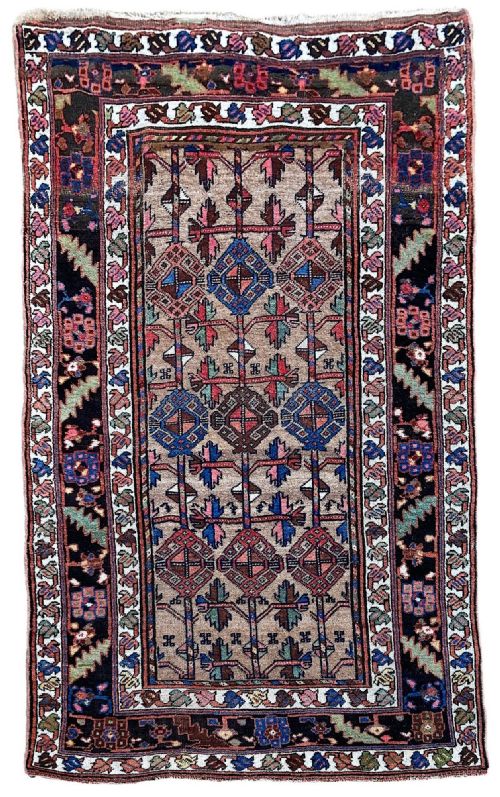


Persian Style Area Rug
These persian style area rug examples bring warmth and texture to a room, offering traditional motifs and dense pile through historic floor coverings.
Persian Style Area Rug
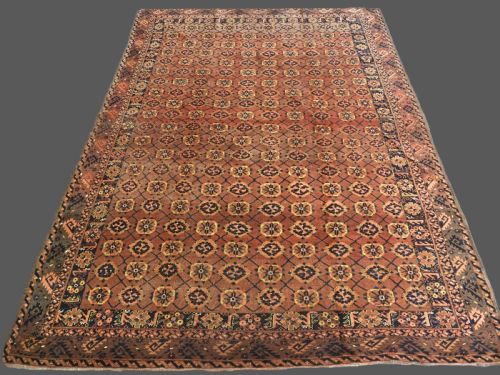
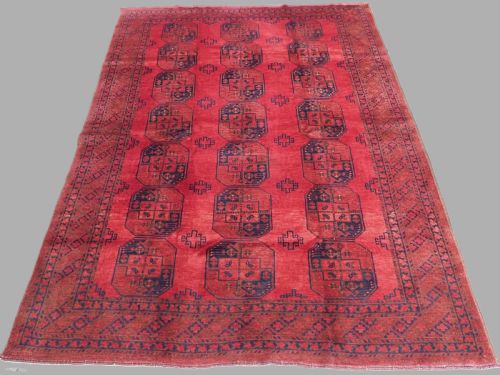
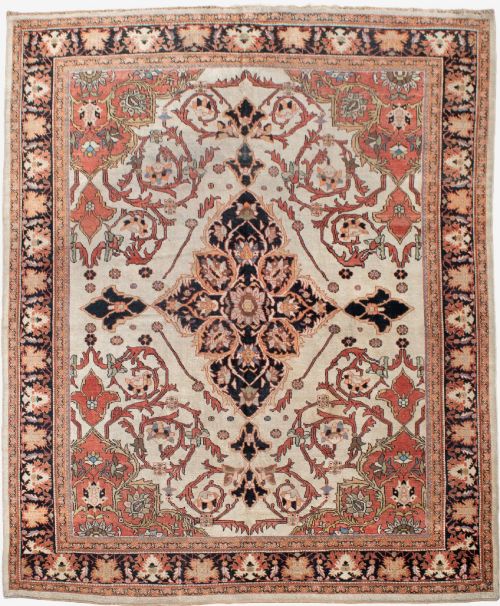
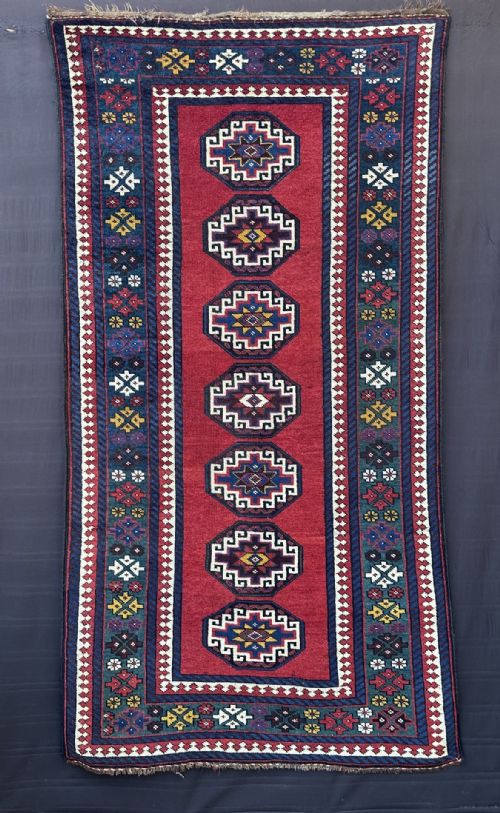
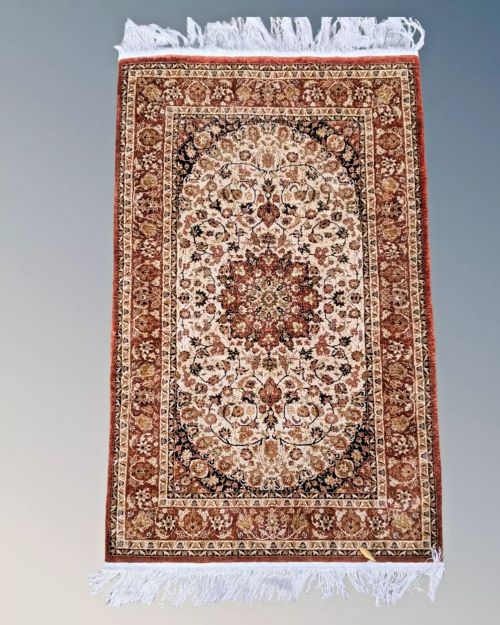
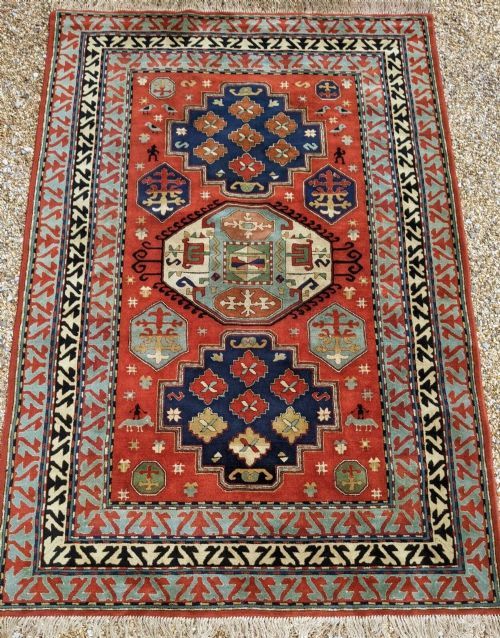
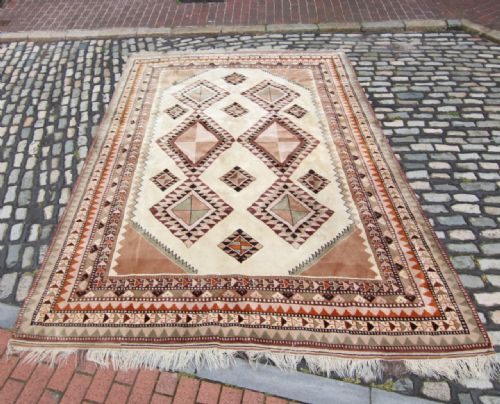
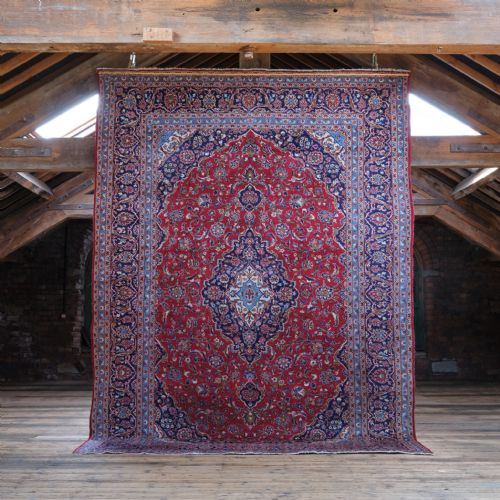
A persian style area rug covers a broad category of floor coverings, typically taking the form of carpets, kellets, and smaller rugs designed with traditional regional motifs. These pieces range from compact village formats to large country house carpets suited for principal rooms.
The selection centres on specimens dating from the late nineteenth century through to the mid-twentieth century, encompassing eras from eighteen eighty to nineteen forty. Buyers encounter regional village and tribal styles, including Heriz, Karaja, Oushak, and Afghan designs.
Formats vary significantly, from square and rectangular room-size carpets down to runner proportions and small scatter rugs. Each piece reflects the decorative vocabulary of its origin, whether woven in Persian workshops or by nomadic groups.
Materials and construction methods
Construction relies primarily on wool and cotton foundations, utilising hand-spun wool and occasional silk for surface piles. Weavers knotted these fibres by hand onto warps and wefts to create durable floor coverings.
Natural dyeing traditions provided the warm red colour palettes and varied tones found across the period. The density of the hand-knotted pile dictates the resilience and weight of each carpet.
Persian Style Area Rug Retail Price Guide 2026
Typical asking prices for persian style area rug among the pieces listed under this phrase on Sellingantiques today, from the lower quarter to the upper quarter. They describe what is for sale here now, not the wider market.
Listings feature wool, cotton, and silk materials across production dates spanning eighteen eighty to nineteen forty.
Assessing quality and execution
Quality rests in the precision of the hand-knotted execution and the density of the wool pile. Finer examples maintain crispness in the geometric or floral medallions and edge borders.
The choice of materials also elevates a piece, particularly where hand-spun wool or fine silk creates a lustrous surface. Consistency in the weave across the entire field distinguishes superior village and town production.
The Persian Style Area Rug Glossary
- Heriz
- A style of carpet originating from north-west Persia, known for bold geometric medallions and durable construction. These rugs frequently feature large central motifs flanked by stylised corner spandrels.
- Kelleh
- A long, narrow carpet format traditionally used in Persian interiors. This shape is longer than a standard rug but narrower than a full room-size carpet.
- Medion
- A central decorative motif placed in the field of a rug or carpet. It often anchors the entire symmetrical design scheme.
- Warp
- The vertical threads stretched upon a loom that form the structural foundation of a woven rug. Wefts are passed across these threads to secure the knots.
- Spandrel
- The triangular space situated in the corners of a rug border framing the central field. These areas often contain secondary floral or geometric patterns.
Persian Style Area Rug: Frequently Asked Questions
How do I choose the right size rug?
Measure the floor space carefully, allowing adequate bare flooring around the perimeter of the room to frame the piece correctly. Consider whether furniture will sit entirely on the rug or just touch the edges.
Large carpets suit principal reception rooms, while smaller formats function well as fireside accents or entry mats.
How should I clean my antique rug?
Vacuum gently using a suction-only attachment without a rotating brush roll to protect the historic wool pile. Professional specialist cleaning remains essential for deep maintenance.
Avoid chemical spot treatments or excessive water, which can damage natural dye foundations.
Are these rugs suitable for high traffic?
Traditional hand-knotted wool rugs possess natural resilience and durability built through dense fibre construction. Regular foot traffic is well tolerated by sturdy village weaves.
Placing a quality underlay beneath the rug prevents slippage and reduces friction wear on the foundation.
How do I identify a village rug?
Village rugs display more geometric interpretations of traditional designs, woven on smaller looms by independent makers rather than large urban workshops. They often feature charming irregularities in symmetry and colour variation.
Design names often correspond to specific geographic production centres or tribal groups.