


Antique Woven Textile Panel
An antique woven textile panel brings centuries of pigment, thread, and human labour directly onto a wall.
Antique Woven Textile Panel
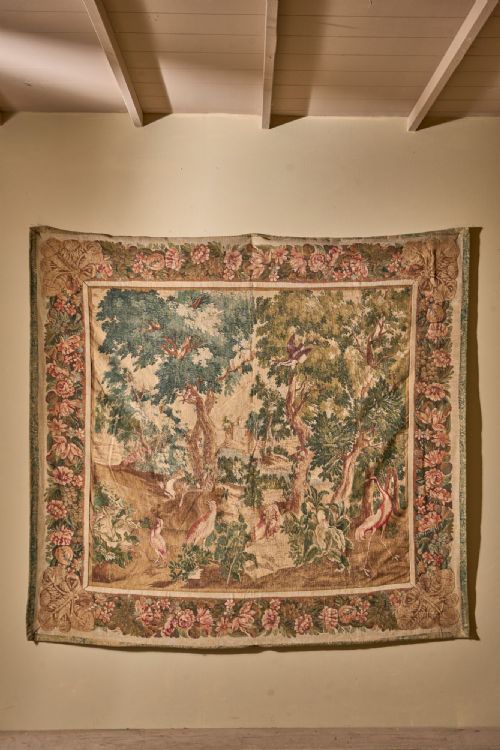
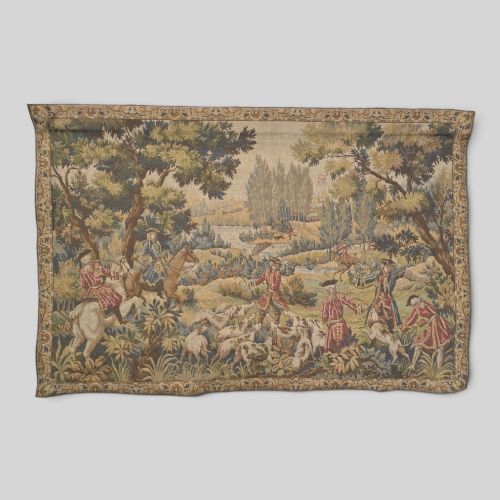
An antique woven textile panel encompasses European verdure wall tapestries, tribal bagfaces, and nomadic storage pieces originating from the seventeenth century through to the early twentieth century.
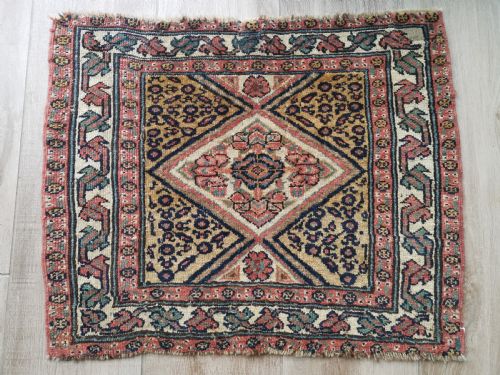
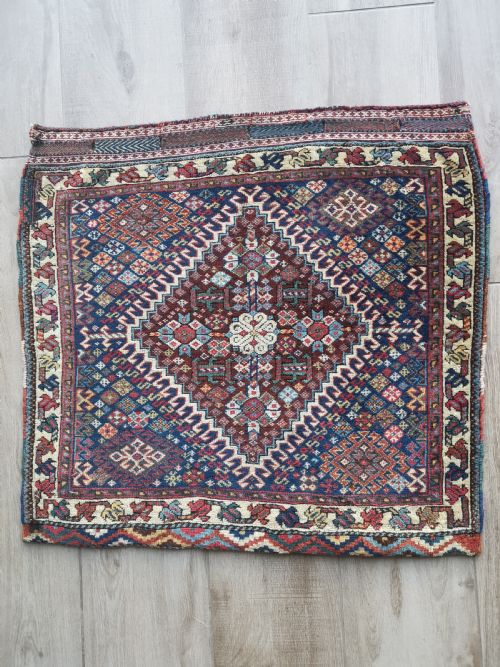
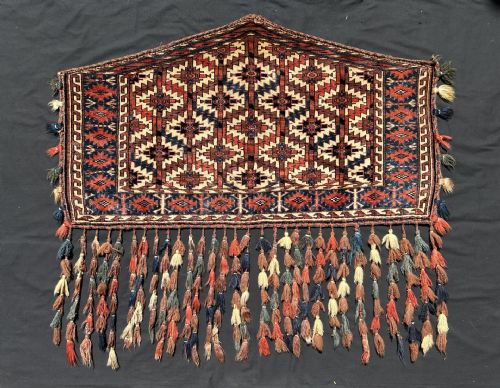
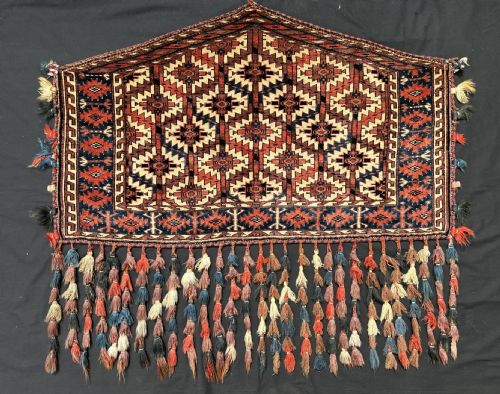
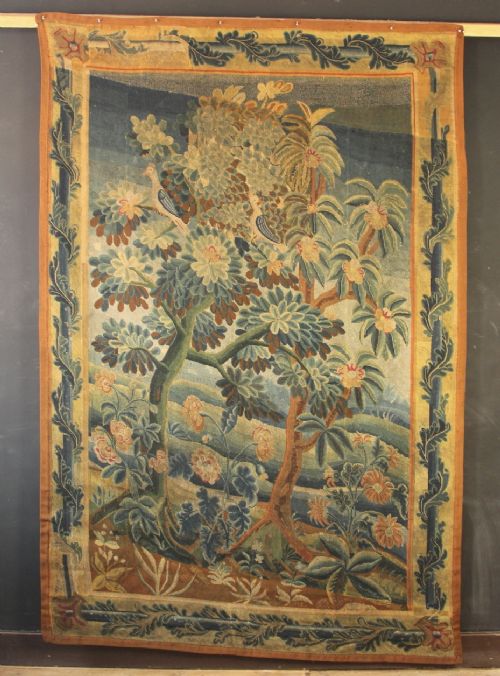
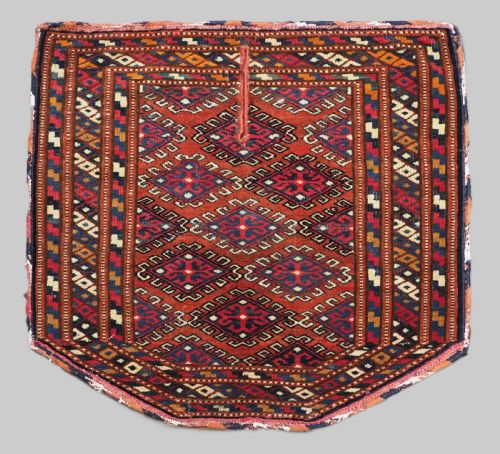
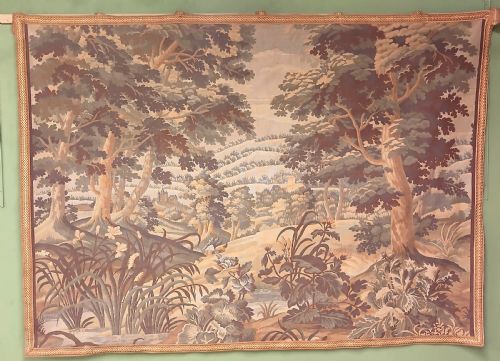
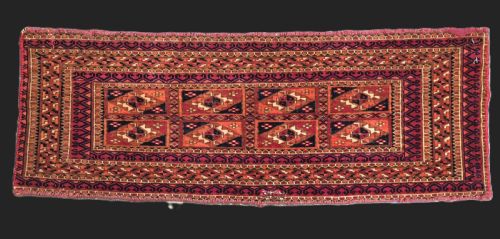
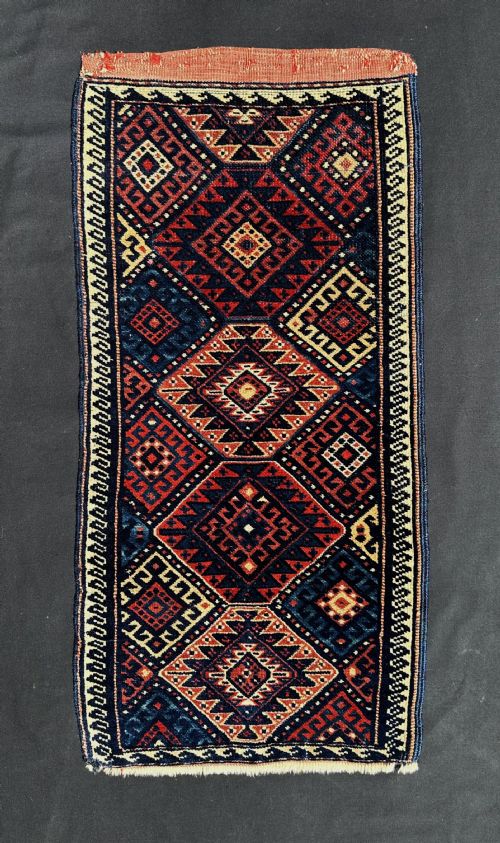
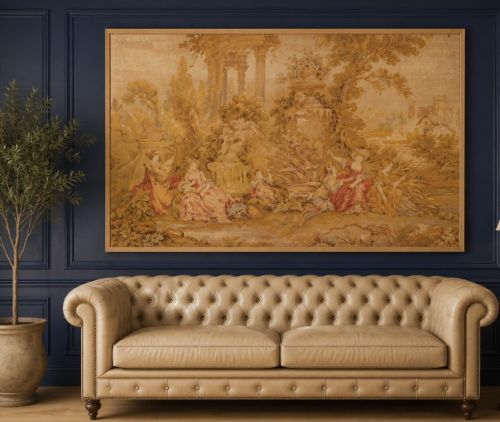
The items most frequently met on this page include Flemish and French landscape tapestries alongside Central Asian Turkmen torbas, asmalyks, and Persian tribal fragments mounted for display.
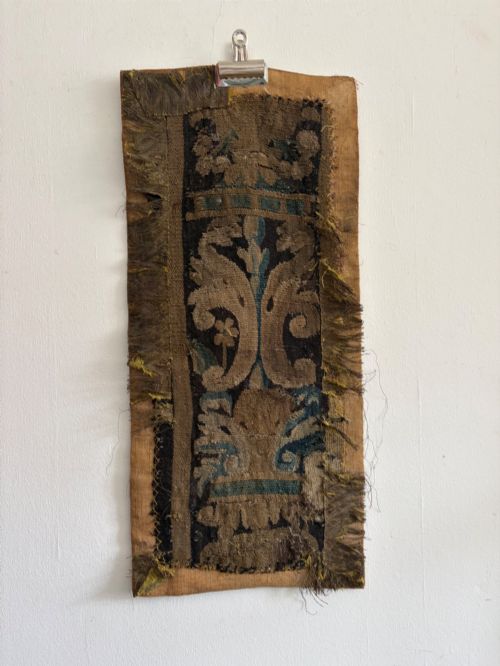
These works range from large room-scale pastoral scenes down to compact domestic saddle covers, pillow bag-faces, and narrow fragment borders.
How They Were Made
Weavers constructed European tapestries on looms using wool and silk threads, often incorporating wood supports or linen backings to mount fragile fragments.
Nomadic makers relied on hand-spun wool, cotton, and natural dyes to create durable flatweaves and pile items like torbas and asmalyks.
Antique Woven Textile Panel Retail Price Guide 2026
Typical asking prices for woven textile panel among the pieces listed under this phrase on Sellingantiques today, from the lower quarter to the upper quarter. They describe what is for sale here now, not the wider market.
Listings span periods from the 16th to the 20th century, using wool, silk, cotton, and natural dyes.
What Varies in Quality
The distinction between tiers rests upon the density of the weave, the complexity of the design motifs such as guls or verdure foliage, and the survival of natural colour.
Pieces showing meticulous hand-spun preparation and intricate pictorial depth stand apart from simpler utilitarian items.
Yomut Tribe·Tekke Tribes·Ersari Turkmen·Kordi Tribes·Shahsavan
The Antique Woven Textile Panel Glossary
- Verdure tapestry
- A European wall hanging dominated by stylized foliage, trees, and landscape scenery. These panels often include hidden birds or chateaux nestled in green backgrounds.
- Torba
- A small Turkmen storage bag used inside a nomadic tent. They feature distinct tribal guls and geometric borders.
- Asmalyk
- A pentagonal or wedding camel trapping produced by Turkmen tribes. Brides hung these decorative panels on the flanks of animals during migration ceremonies.
- Gul
- A repeating primary medallion or octagonal motif found in Central Asian tribal rugs and bags. Each design identifies a specific tribe or clan.
- Flatweave
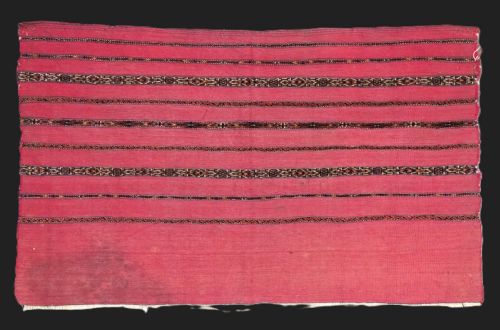
- A textile created without pile by interlocking warp and weft threads together. Examples include mafrash bands and Sumac work.
Antique Woven Textile Panel: Frequently Asked Questions
How were these textile panels originally used?
European examples served as insulating wall hangings inside chateaux and large homes to keep out drafts. Central Asian pieces functioned as functional storage bags, camel decorations, and bedding sacks within nomadic tents.
Over time, many of these utilitarian objects and wall fragments were preserved for their artistic merit rather than everyday nomadic use.
How do I hang a heavy textile safely?
Most textile panels require a discreet linen sleeve or backing stitched along the top edge to distribute weight evenly across a wooden batten. This prevents the warp threads from tearing under the pull of gravity.
Avoid hanging pieces in direct sunlight to protect natural dyes from fading over the years.
How can I tell a seventeenth-century panel from a nineteenth-century one?
Early European pieces often rely on pastoral verdure scenes with muted wool and silk palettes typical of Flemish and French workshops. Nineteenth-century tribal pieces display sharp geometric guls and saturated natural dye palettes.
Material analysis and structural weave density also provide strong clues to the exact manufacturing period.