
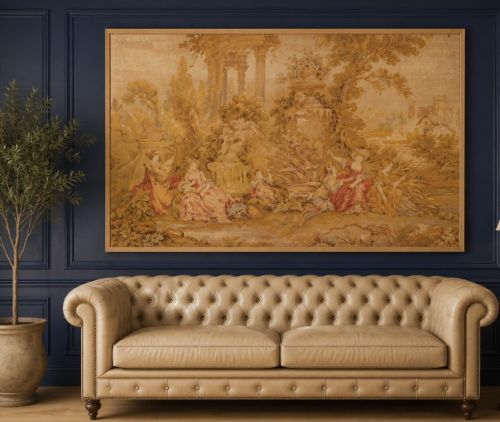


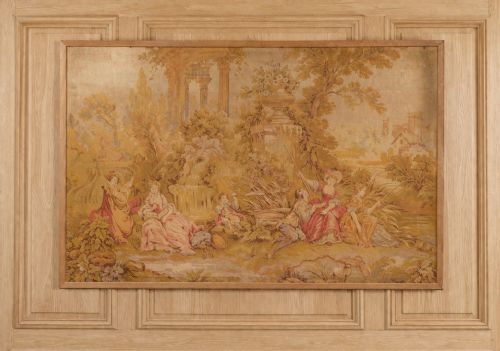


French Rococo Tapestry
When you search for french rococo tapestry, you find woven wall hangings, carpets and upholstered seat furniture carrying the sweeping curves and floral motifs of the eighteenth century.
French Rococo Tapestry
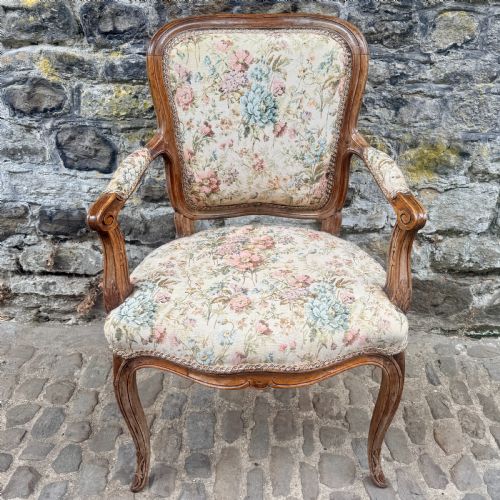
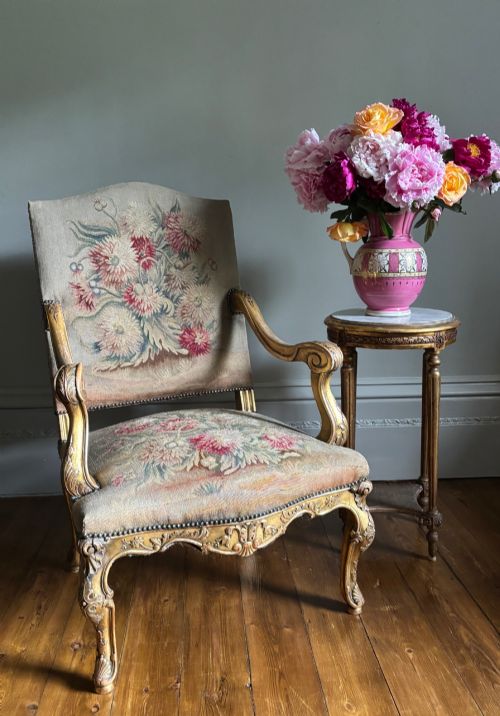
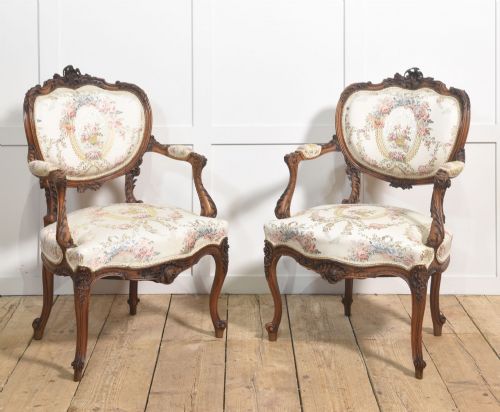
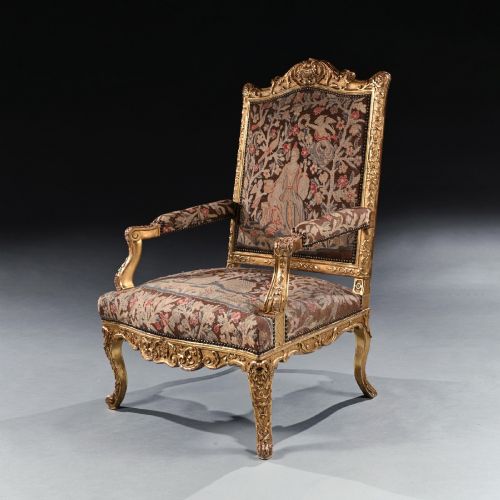
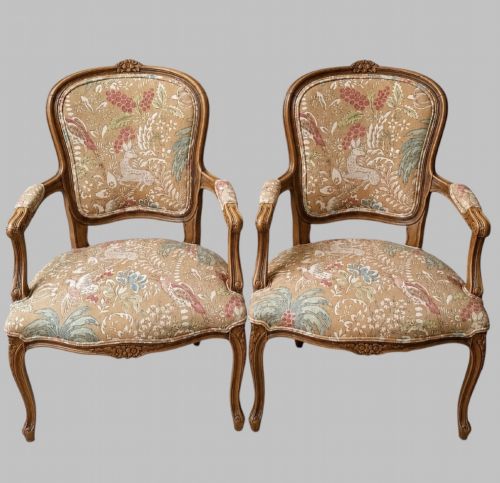
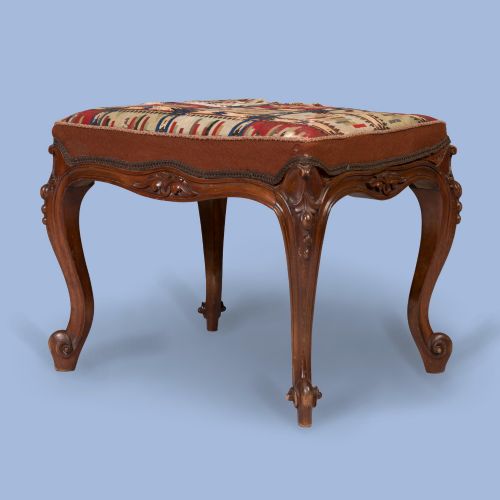
A french rococo tapestry brings together woven wall panels, carpets and needlework textiles alongside the seating frames designed to complement them. You will find wall hangings and large rugs alongside armchairs, settees and stools upholstered in period needlepoint and tapestry fabric.
The pieces on this page span the eighteenth century up through nineteenth century revivals and into the twentieth century. While original eighteenth-century wall panels and seating appear, nineteenth-century revival giltwood chairs and wool carpets are the forms you are most likely to encounter.
How they were made
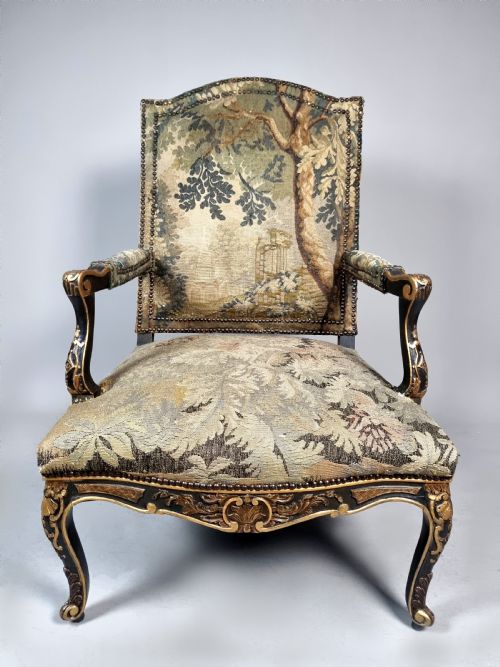
Makers built the supporting frames from walnut, mahogany, rosewood and giltwood, carving the wood with asymmetrical floral scrolls and C-scroll motifs. Upholsterers then applied wool, silk and cotton thread in petit point and larger woven techniques to cover armchairs, footstools and settees.
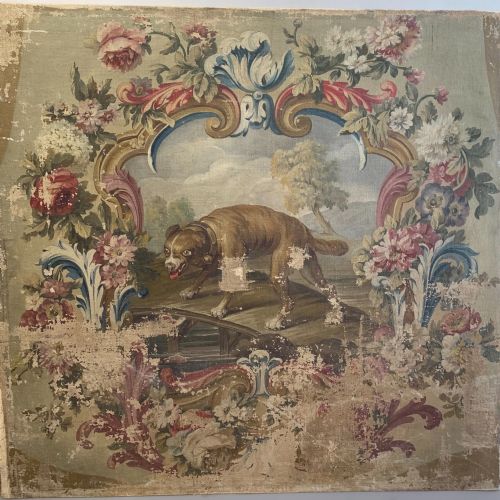
Wall panels and carpets relied on wool and silk warp and weft threads woven on high-warp or low-warp looms to produce detailed pastoral scenes and floral arrangements. Gilding was applied to wood frames using gold leaf over gesso to catch the light in formal salons.
Listings feature items spanning the eighteenth, nineteenth and twentieth centuries, using materials from giltwood and walnut to wool, silk and cotton.
What varies in quality
The crispness of the wood carving separates standard frames from superior examples, with deep relief work and refined hand-chasing on giltwood marking out the best output. Subtle modulation of tone in the wool and silk threads indicates a superior textile over flatly coloured weaving.
The integrity of the frame construction and the preservation of original upholstery tell the story of an object's survival. Pieces that retain their early woven coverings without extensive modern re-weaving sit firmly at the upper end of the scale.
The French Rococo Tapestry Glossary
- Aubusson
- A town in France known for producing woven tapestries and carpets without a pile. These wool and silk wall hangings and floor coverings often depict pastoral scenes or floral bouquets.
- Giltwood
- Wood that has been coated with a thin layer of gold leaf over a prepared gesso ground. This finish appears frequently on eighteenth-century and revival frames and wall mirrors.
- Petit point
- A counted-thread needlework embroidery executed on a fine canvas mesh. It permits high detail in floral and figural upholstery on armchairs and settees.
- Fauteuil
- An open-framed wooden armchair with upholstered seat and back and open padded arms. These chairs form a staple of French seating design from the period.
- Canape
- A decorative upholstered settee or sofa designed for formal seating. They share the carved wooden rails and cabriole legs of companion armchairs.
French Rococo Tapestry: Frequently Asked Questions
How do I care for an old tapestry?
Keep textile wall hangings and carpets away from direct sunlight to prevent the wool and silk threads from fading. Vacuum woven rugs gently through a mesh screen using low suction.
Avoid hanging wall panels in damp rooms or near heat sources that dry out natural fibres. Professional textile conservators should handle any major cleaning or mounting requirements.
Where were these tapestries made?
Many woven panels and carpets originate from workshops in Aubusson and other centres of French textile production. These weaving houses supplied wall hangings and floor coverings to chateaux across Europe.
Related seating frames were produced by urban cabinet makers and provincial workshops working in walnut, beech and giltwood. The styles crossed borders during the nineteenth-century revival periods when craftsmen across Europe copied French models.
Can I use these carpets on the floor?
Antique wool and silk carpets tolerate light foot traffic in low-traffic rooms if protected by a proper underlay. Many buyers place larger rugs in sitting rooms or studies where they see gentle use.
Frail or extremely fine examples perform better as wall displays to preserve the antique weave. Assess the thickness of the wool and the firmness of the backing before placing any textile on the floor.
How do I distinguish eighteenth-century pieces from later revivals?
Examine the timber construction, tool marks and wear patterns on the frames to judge the age of wooden seating. Eighteenth-century pieces show hand-cut joinery and aged patination on the bare wood beneath the gilding.
Nineteenth-century revival pieces often display machine-sawn elements and brighter, more uniform gilding styles. Textile dyes and weave tightness also offer clues, as nineteenth-century looms produced distinct colour saturations compared to earlier workshops.