


Handwoven Wool Torba
A handwoven wool torba is a tribal storage bag face woven by nomadic groups, offering rich geometric motifs and deep historical resonance.
Handwoven Wool Torba
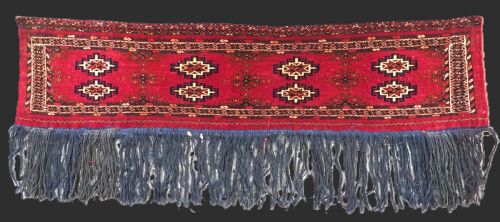
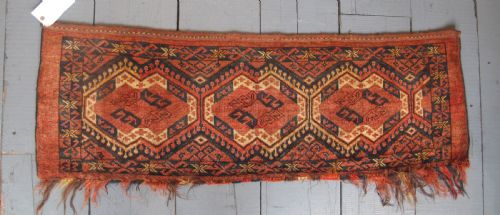
A handwoven wool torba represents a traditional Turkmen storage bag face made by nomadic weavers across Central Asia. These pieces function as decorative tent bags or dowry items rather than floor coverings.
Buyers will encounter various tribal attributions including Tekke, Saryk, Yomut, and Ersari, spanning from the late nineteenth century to the early twentieth century. Many examples survive either as complete bags with their original plain weave backs or as individual bag faces.
The forms display specific design vocabularies such as gul medallions, kedjebe patterns, and banded flatweave structures. These artefacts embody the utilitarian artistry of nomadic domestic life.
What varies in quality
The refinement of the weave distinguishes standard examples from exceptional dowry pieces. Finer knotting permits sharper rendering of intricate gul designs and secondary ornaments.
The integrity of the materials and the vibrancy of the natural dyes influence the visual depth of the surface. Completeness also plays a role, as surviving original plain weave backs add contextual wholeness to the piece.
Handwoven Wool Torba Retail Price Guide 2026
Typical asking prices for handwoven wool torba among the pieces listed under this phrase on Sellingantiques today, from the lower quarter to the upper quarter. They describe what is for sale here now, not the wider market.
Tribal attributions on this page span Tekke, Saryk, Yomut, and Ersari groups, alongside specific design variants like the kedjebe pattern.
Tekke Turkmen·Saryk Turkmen·Yomut Turkmen·Ersari Turkmen
The Handwoven Wool Torba Glossary
- Torba
- A small Turkmen storage bag traditionally used inside the yurt. These items were often produced as part of a bride's dowry.
- Gul
- A primary medallion motif repeated across Turkmen carpets and bag faces. Each tribal group typically utilised distinct gul variations to denote identity.
- Mafrash
- A larger rectangular storage bag or storage bag face associated with nomadic weaving. They share similar construction methods and wool materials with torbas.
- Flatweave
- A textile constructed without pile by interlocking warp and weft threads. Banded flatweave designs appear frequently in Yomut tribal work.
- Kedjebe
- A lattice or camel-load design often associated with wedding processions and dowry textiles. This pattern creates an elaborate diagonal trellis across the field.
Handwoven Wool Torba: Frequently Asked Questions
How do I identify a Tekke torba?
Tekke torbas typically feature repeated primary gul medallions arranged in orderly rows across the field. The palette often relies on deep madder reds combined with secondary colours.
Finer examples demonstrate meticulous knotting and delicate minor ornaments framing the central motifs. Comparing the medallion structure helps separate Tekke work from Saryk or Yomut pieces.
Are these pieces complete bags?
Some listings feature complete pieces that retain their original plain weave backs and closure systems. Others survive as standalone bag faces where the reverse has worn away or been removed.
Both forms remain collectible, though surviving backs offer a complete record of the original construction. Collectors often mount or frame individual bag faces for display.
How old are these tribal textiles?
The pieces available date from the late nineteenth century up to the early twentieth century. This era encompasses the peak period of traditional nomadic tribal weaving in Central Asia.
Dates are estimated using material characteristics, dye types, and structural formats recorded in the weaving traditions. The use of natural dyes and hand-spun wool is consistent across this nineteenth-century timeframe.