
Antique Needlepoint Wall Art
Antique needlepoint wall art brings framed historic textiles into domestic rooms, offering centuries of hand-stitched character and pictorial narrative.
Antique Needlepoint Wall Art
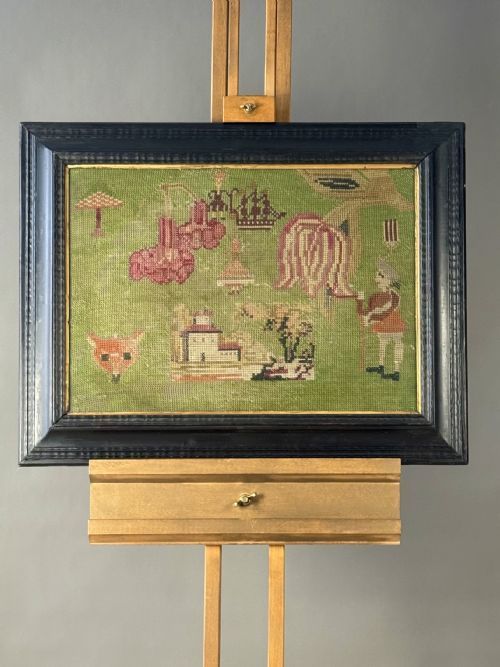
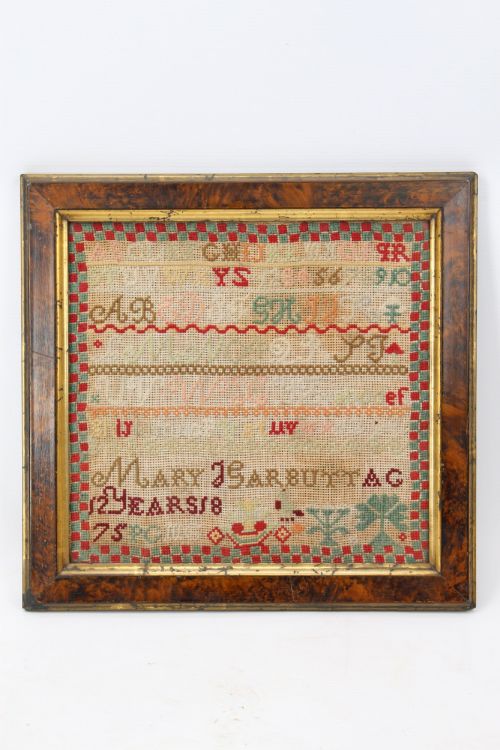
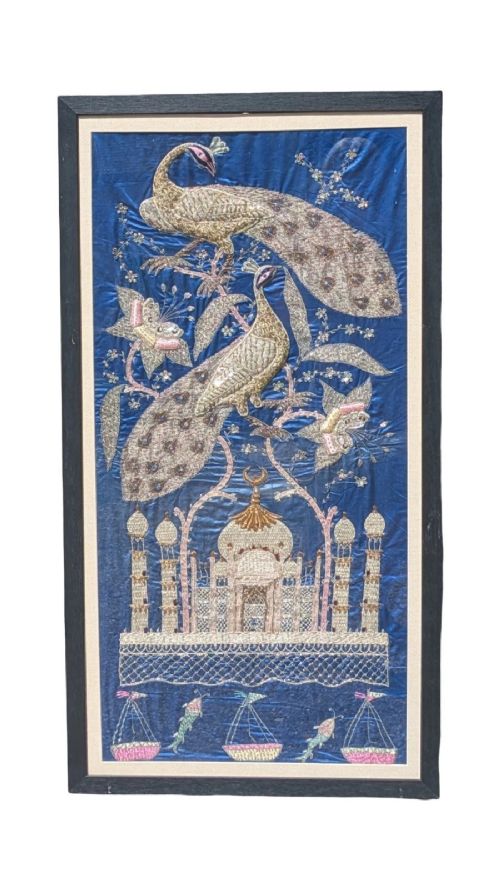
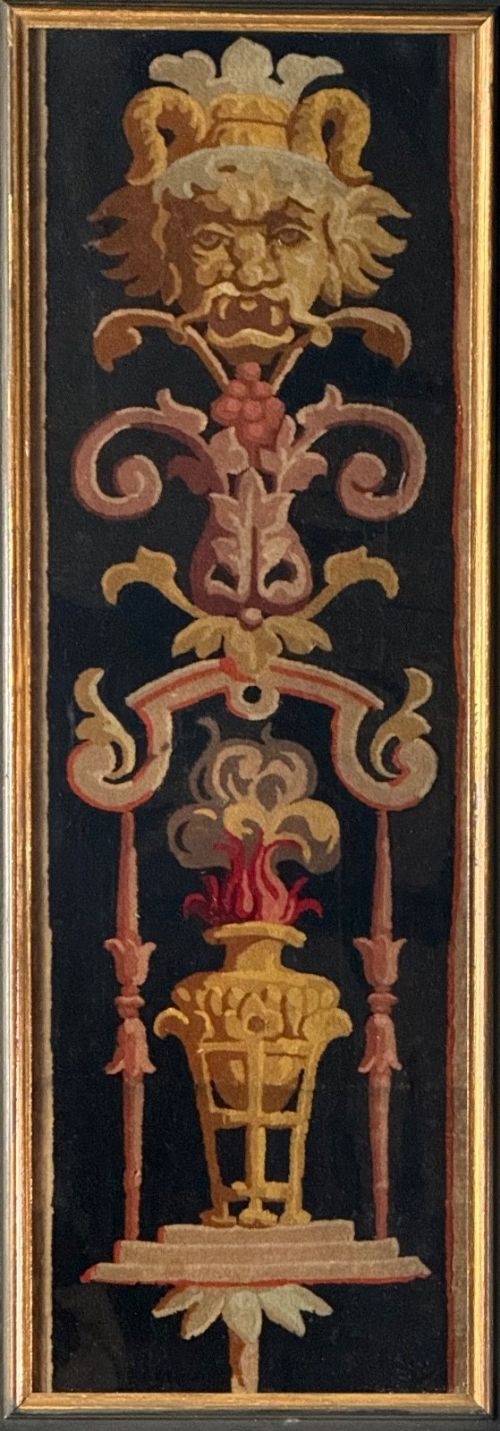
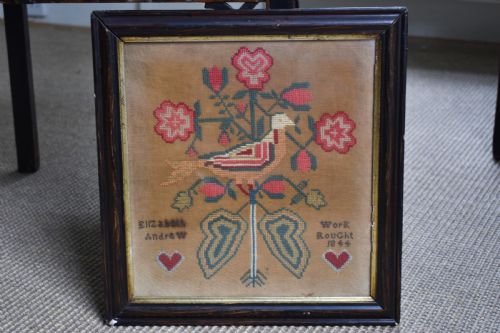
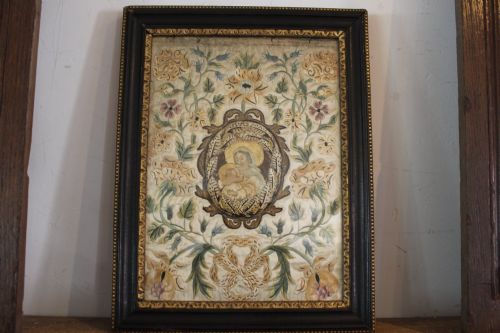
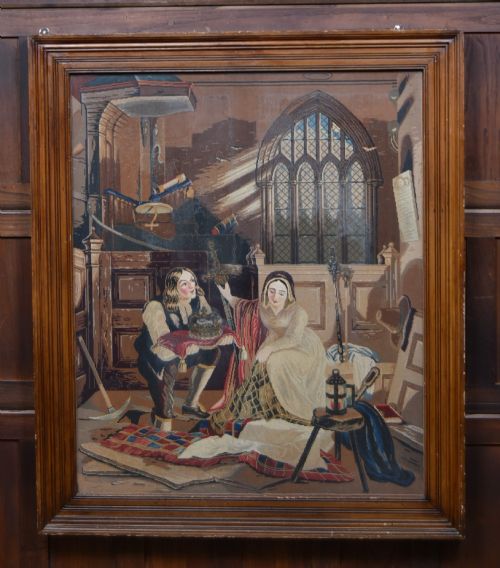
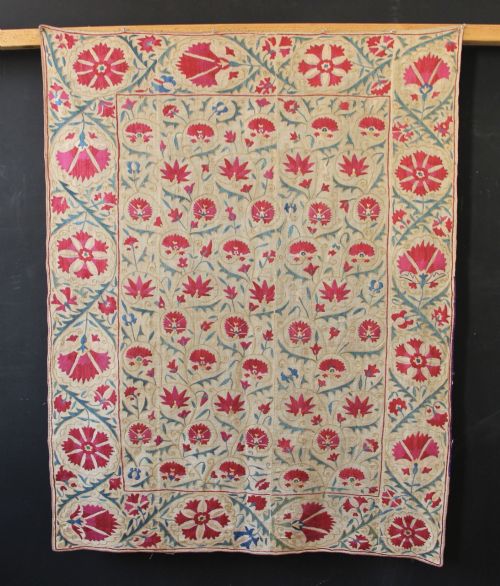
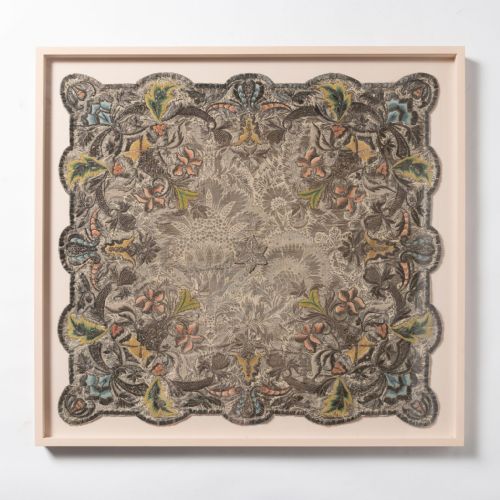
Antique needlepoint wall art encompasses framed textile panels, samplers, and pictorial embroideries created across several centuries. Buyers searching for these pieces encounter diverse historic forms ranging from formal 17th-century classical panels to domestic Victorian woolwork pictures.
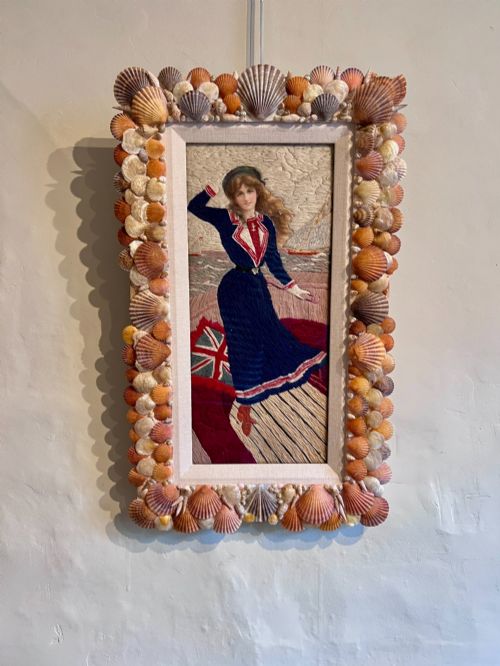
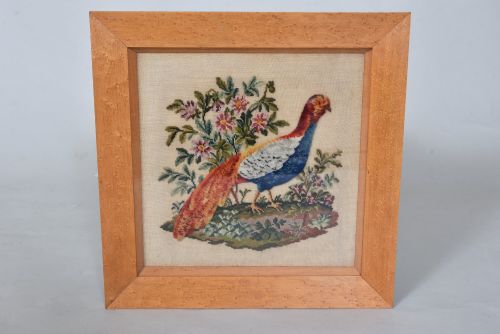
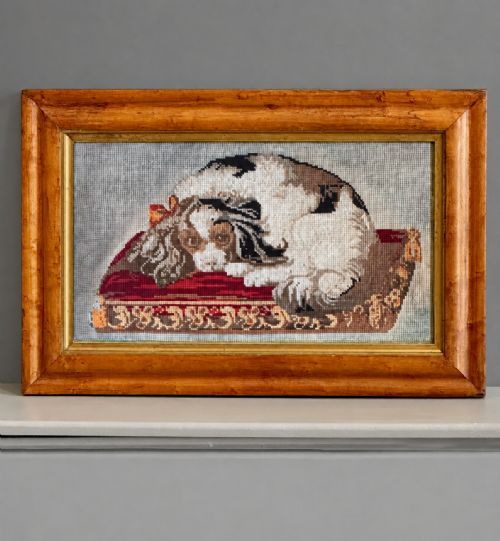
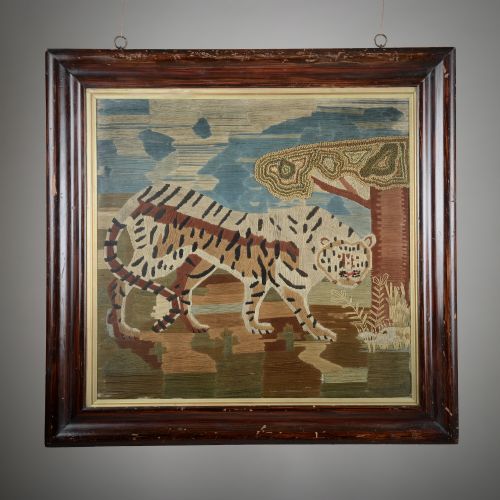
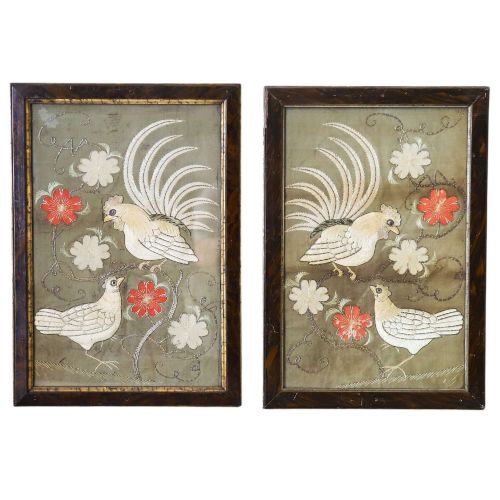
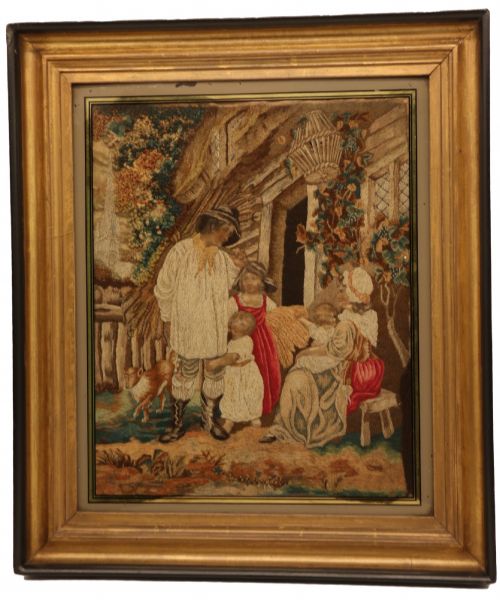
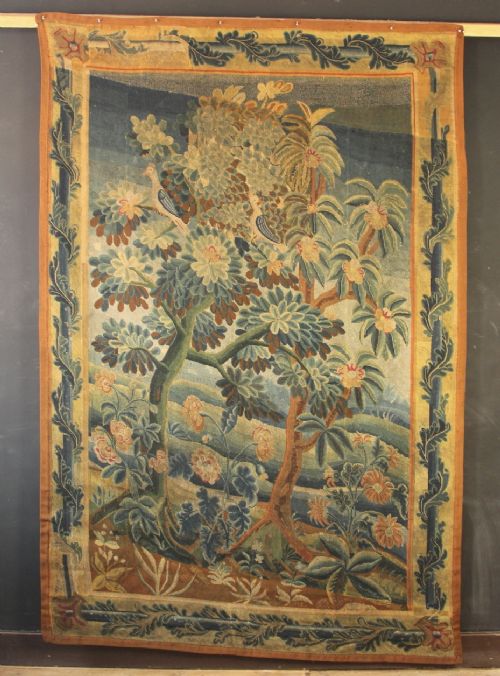
The selections on this page lean heavily toward 19th-century and Victorian examples, alongside earlier Georgian and 17th-century works. Common formats include needlework samplers, wool-work animal portraits, silk-work pastoral scenes, and framed continental tapestries.
Originating from English, Scottish, French, and Italian traditions, these works reflect the domestic and professional needlecraft of their respective eras. Each piece serves as a surviving record of historical textile techniques preserved beneath glass or within period wooden frames.
Materials and Working Methods
The physical fabric of these works relies on natural textile grounds such as linen, wool, and canvas. Artisans worked upon these stable foundations using dyed wool yarns, silk floss, and metal threads to build up dense pictorial surfaces.
Framing forms an integral part of the construction, with period pieces frequently housed in original burr maple, giltwood, or verre églomisé glass frames. These protective enclosures help preserve the fragile organic fibres from environmental degradation.
The inventory records diverse international origins, including English samplers, French silk pictures, and Greek island embroideries.
Distinctions in Quality and Execution
The calibre of antique needlepoint wall art rests primarily upon the precision of the stitching and the sophistication of the pictorial design. Finer examples display meticulous stitch density, subtle colour shading, and well-proportioned anatomical or architectural drawing.
Materials dictate another tier of distinction, where lustrous silk floss and complex metallic threads indicate higher ambition than standard wool yarns. The survival of original framing, such as burr maple or specialised glass, elevates the integrity of the surviving object.
The hand of the maker introduces natural variation, distinguishing structured professional workshop panels from charmingly naive domestic samplers. Original documentation, such as legible signatures, dates, or maker ages on samplers, adds historical depth to the piece.
The Antique Needlepoint Wall Art Glossary
- Sampler
- A piece of cloth worked with various stitches and motifs to demonstrate needlework skill. These often include alphabets, numbers, and pious verses.
- Berlin Work
- A style of charted needlepoint embroidery popular in the nineteenth century using brightly coloured wools. It relied on printed paper grids similar to modern cross-stitch charts.
- Plushwork
- A textured embroidery technique utilising raised, cut loops of yarn to create a velvet-like pile. This method frequently depicts animals with realistic fur texture.
- Verre Églomisé
- A process of applying cold gilding and painting to the reverse side of glass. It provides decorative, reflective borders for framed historic pictures.
- Band Sampler
- An elongated historic sampler format featuring horizontal rows of disparate pattern bands. These pieces date predominantly from the seventeenth and eighteenth centuries.
Antique Needlepoint Wall Art: Frequently Asked Questions
How do I hang antique textile art?
Support framed textile panels using secure picture hooks rated for the weight of the wood and glass. Position them away from direct sunlight to prevent the fading of natural wool and silk dyes.
Maintain stable indoor humidity levels to protect the organic fibres of the canvas and backing. Professional framers can supply UV-filtering glass for added conservation security.
How are periods identified in needlework?
Dating relies on a combination of stitch types, framing materials, and stylistic indicators present in the imagery. Samplers often bear stitched dates or makers' ages that provide an exact baseline.
Contextual clues such as costume details, colour palettes, and canvas weaves help narrow down undated panels. Comparative analysis with documented historic examples confirms the era of production.
What is the difference between tapestry and needlepoint?
Tapestry is woven on a loom where the design is built into the fabric structure during creation. Needlepoint is stitched by hand onto an existing open-weave canvas ground.
Many historic listings use the term tapestry loosely to describe heavy embroidered wall panels. True tapestries lack the underlying canvas grid characteristic of needlepoint.