
Vintage Embroidery Art
Vintage embroidery art brings historical needlework and textile panels into modern interiors as striking wall hangings.
Vintage Embroidery Art
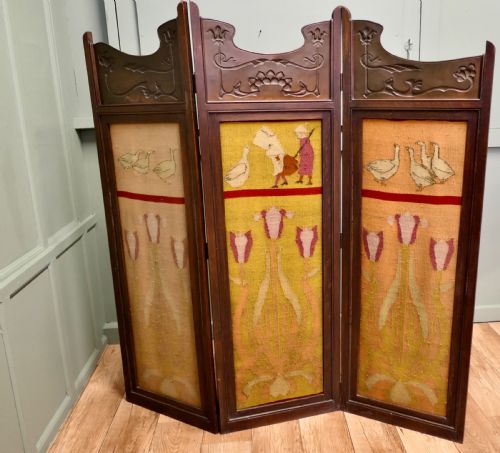
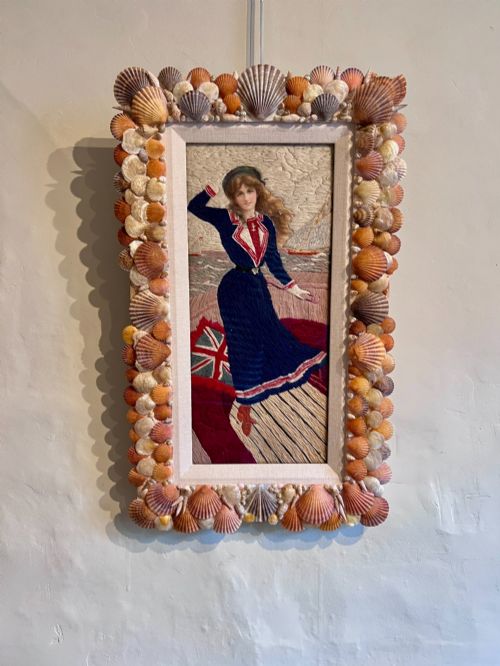
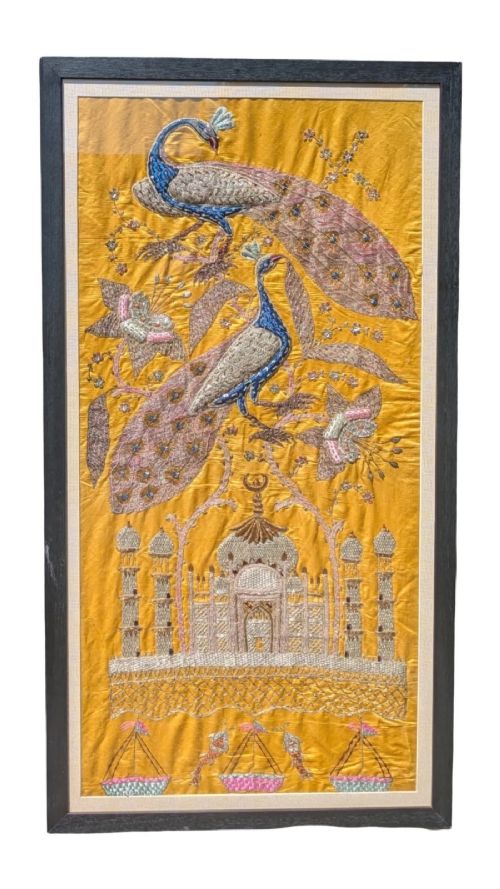
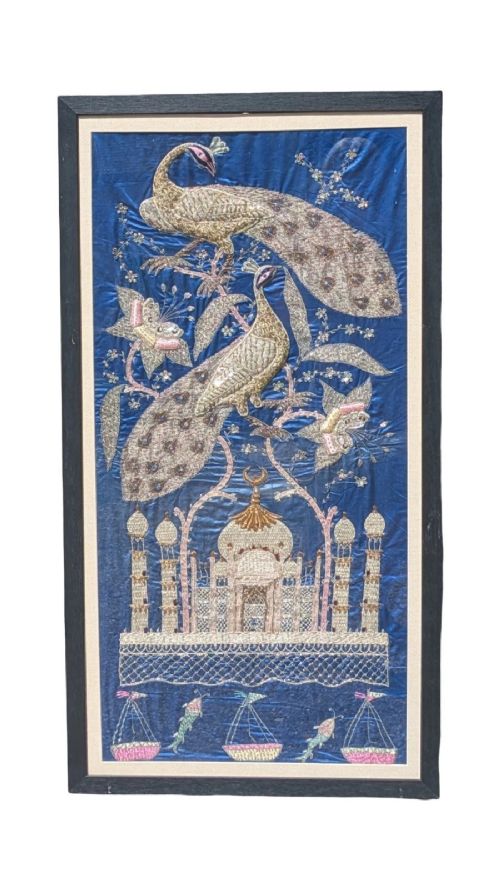
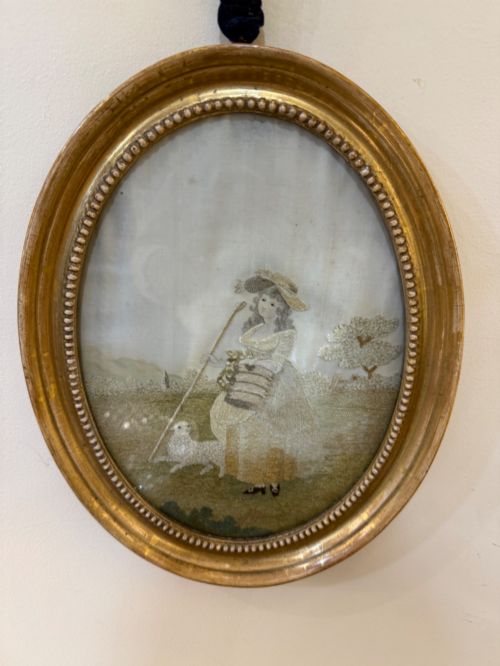
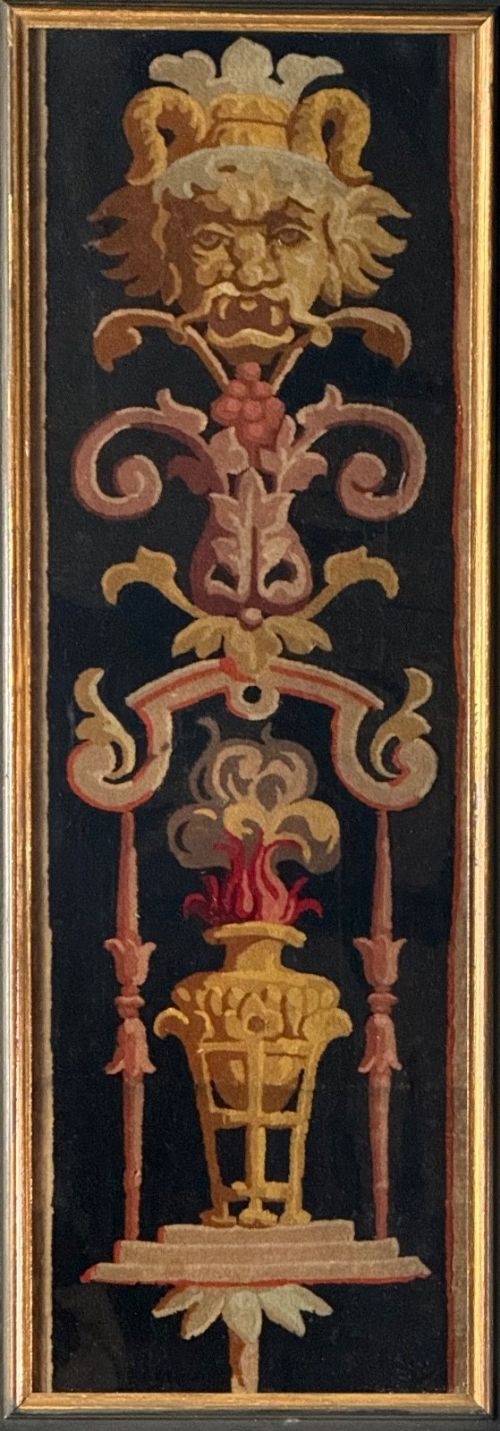
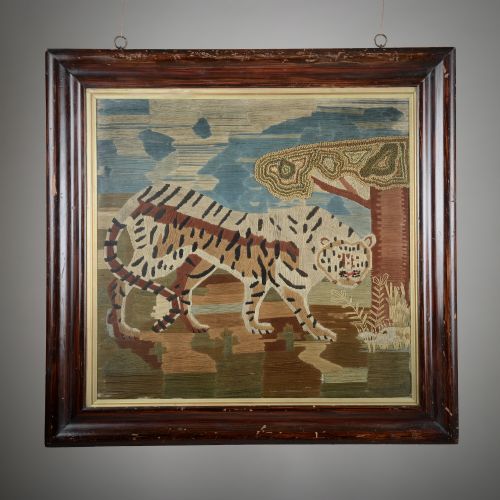
When you search for vintage embroidery art, you encounter a diverse range of historic textile pieces intended for wall display. The selection spans from 17th-century European panels and samplers to 19th-century woolwork pictures and Central Asian tribal hangings.
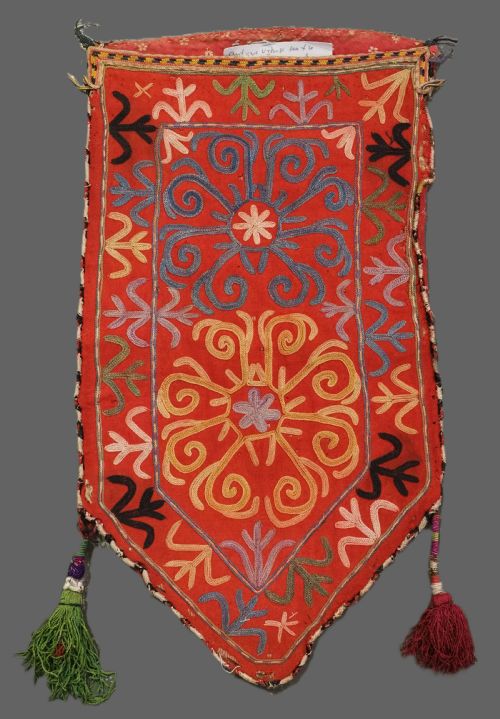
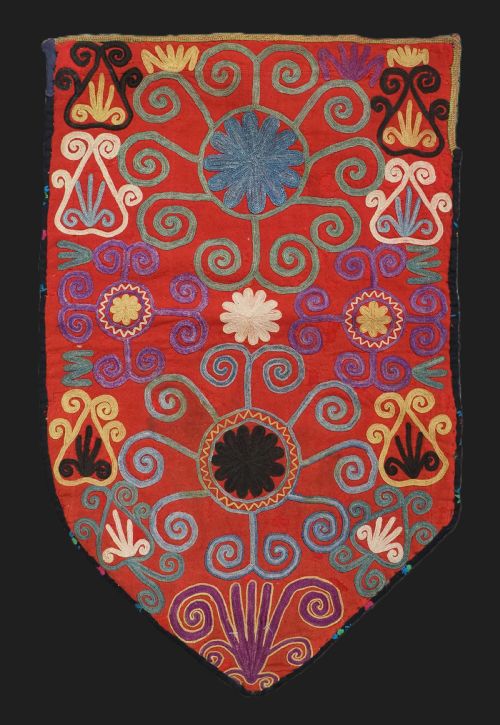
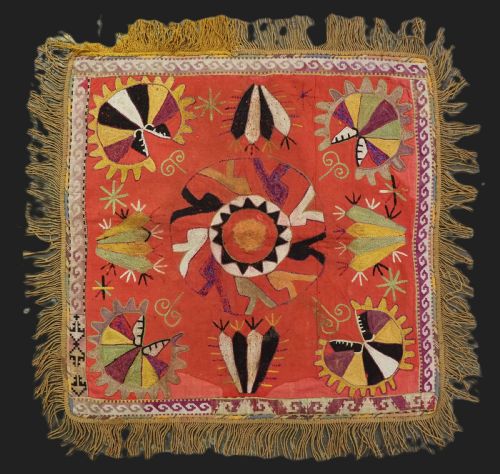
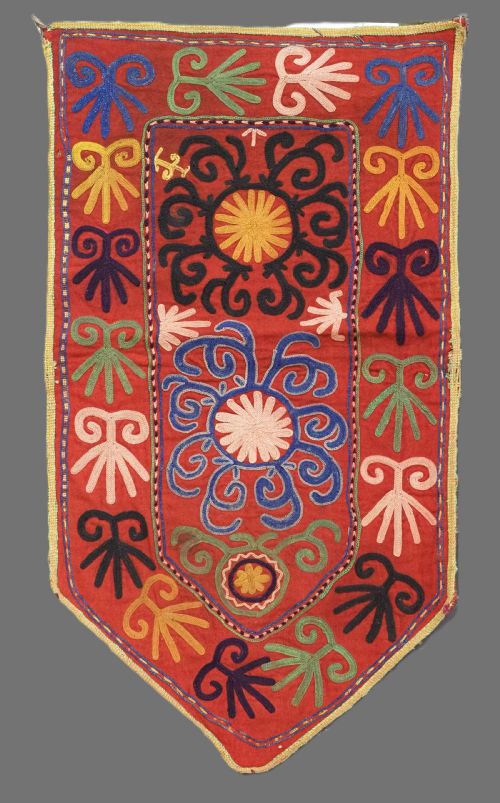
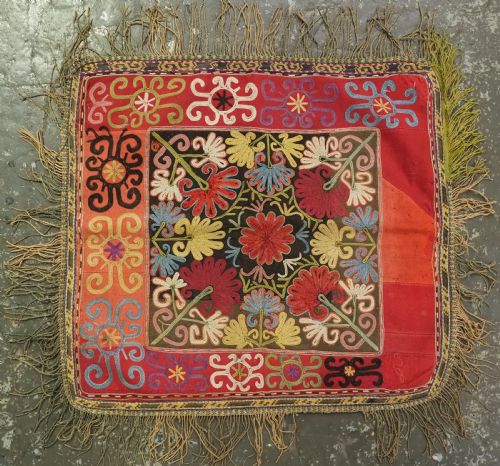
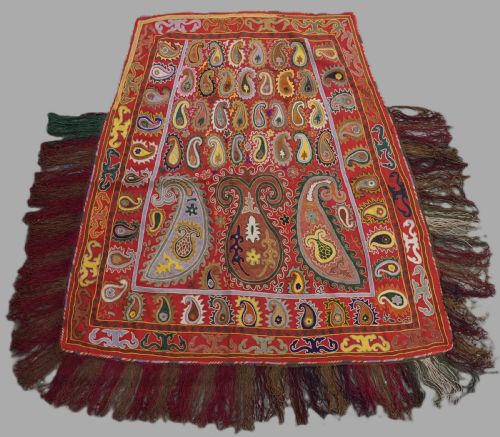
You are most likely to meet pieces originating from the Victorian era and Central Asian traditions, including Uzbek Suzanis and Lakai tribe dowry embroideries. These items take the form of framed textiles, wall art, and large decorative panels designed to hang in domestic spaces.
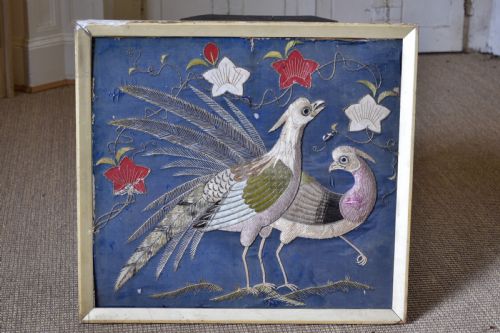
The materials reflect traditional domestic and tribal crafts, incorporating silk, wool, and cotton on canvas, linen, or felt grounds. Many examples utilise metallic thread, glass beads, and wood framing to complete the presentation of the textile.
Materials and construction methods
The creation of these works relies on natural fibres such as silk, wool, and cotton, often stitched onto supportive grounds of linen, canvas, or felt. Makers employed various needlework techniques, including crewelwork, gros-point tapestry, and fine silk embroidery, to build up dense pictorial surfaces.
Tribal pieces from Central Asia incorporate appliqué work alongside intricate embroidery stitches using dyed wool and silk threads. European examples frequently utilise metallic thread accents and glass beads to add detail and texture to needlework samplers and framed pictures.
Vintage Embroidery Art Retail Price Guide 2026
Typical asking prices for vintage embroidery art among the pieces listed under this phrase on Sellingantiques today, from the lower quarter to the upper quarter. They describe what is for sale here now, not the wider market.
Materials documented across the pieces include silk, wool, cotton, linen, felt, glass beads, and metallic thread.
Distinctions in quality
The standard of a piece depends heavily on the precision of the needlework and the complexity of the design. Finer works display tight, even stitches and sophisticated pictorial composition, whereas simpler examples lean towards naive folk art expressions.
The integrity of the textile ground and the vibrancy of the remaining natural dyes dictate the overall grade. Early pieces retain distinction through the survival of delicate silk threads, metallic elements, and original backing materials.
The Vintage Embroidery Art Glossary
- Sampler
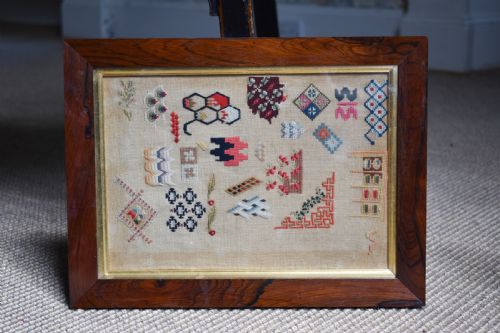
- A piece of needlework produced as a demonstration or test of skill in various stitches. Samplers often record alphabets, dates, and the name of the maker.
- Suzani
- A type of embroidered and decorative tribal textile made in Tajikistan, Uzbekistan, and other Central Asian nations. These large hangings typically feature bold floral motifs.
- Crewelwork
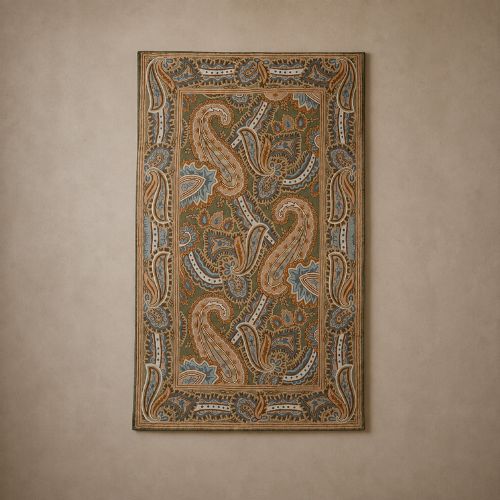
- A type of surface embroidery using wool yarn to create flowing designs on a heavy fabric ground. It appears frequently on antique wall hanging panels.
- Appliqué
- A needlework technique where smaller pieces of fabric are sewn onto a larger background ground to form a pattern or picture. This method is common in Persian and Central Asian works.
- Gros-point
- A type of needlepoint stitch worked on canvas, producing a durable texture suited for pictorial tapestries and wall art.
Vintage Embroidery Art: Frequently Asked Questions
How do I hang antique embroidery safely?
Mount the textile professionally using conservation-grade framing materials that keep the fabric away from direct glass contact. Support the weight evenly across the entire textile rather than hanging it by a few isolated points.
Keep the piece out of direct sunlight to prevent the fading of silk, wool, and cotton threads. Maintain stable indoor humidity levels to protect natural fibres from deterioration.
What is a Suzani?
A Suzani is a large, hand-embroidered tribal textile originating from Central Asia, traditionally made as part of a bride's dowry. These pieces typically feature large floral and botanical motifs worked in silk thread on a cotton or linen ground.
Historically used as wall hangings or bed covers in nomadic and village homes, they now function primarily as decorative art for modern walls.
How do I identify a sampler?
A sampler is identifiable by rows of alphabets, numerals, and various decorative stitch exercises worked in thread upon linen or canvas. Many include the maker's name and a date, serving as a record of domestic needlework education.
Examples range from modest miniature pieces to large framed works created by young makers in the 18th and 19th centuries.
What is crewelwork?
Crewelwork involves stitching designs onto a sturdy fabric base using traditional wool yarns. The technique allows for varied textures and dense, flowing botanical patterns.
These embroidered panels were often incorporated into large wall hangings and domestic textiles during earlier centuries.