



Traditional Oil Landscape Canvas
A traditional oil landscape canvas brings the depth and atmosphere of past centuries directly onto the wall.
Traditional Oil Landscape Canvas
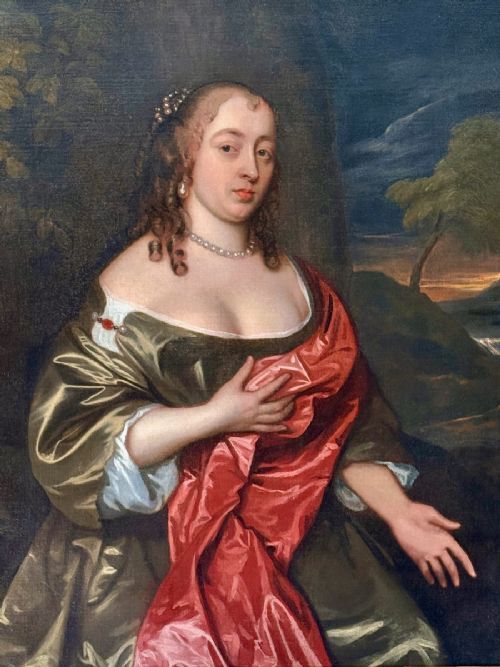
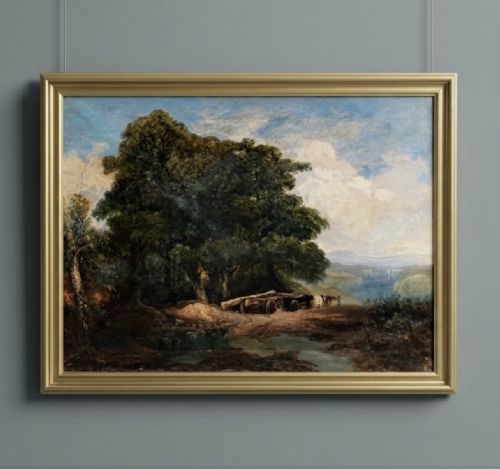
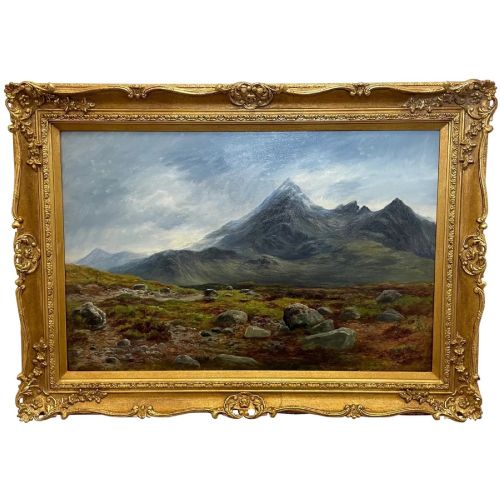
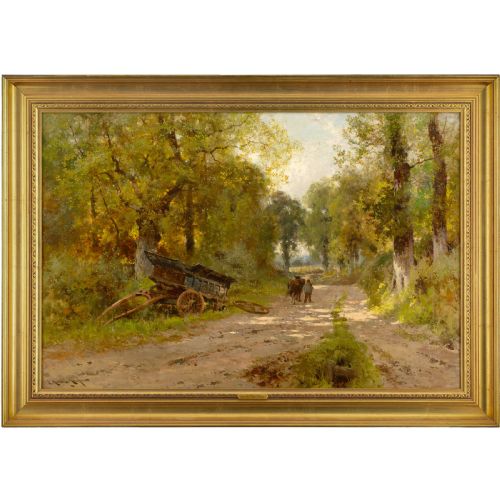
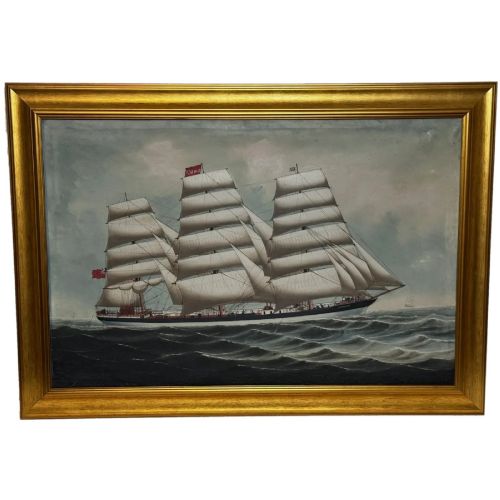
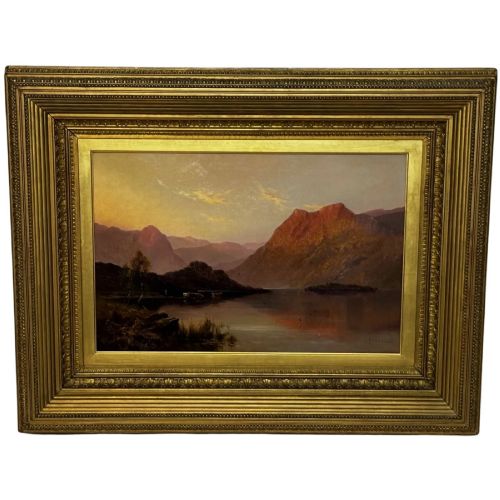
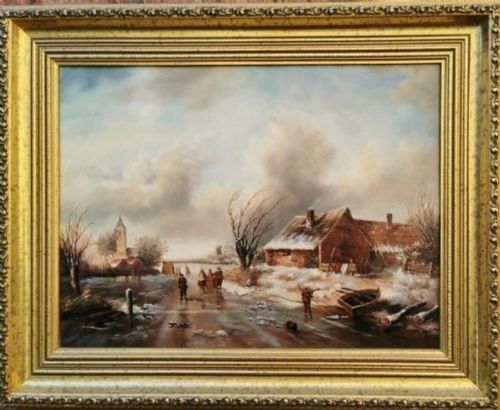
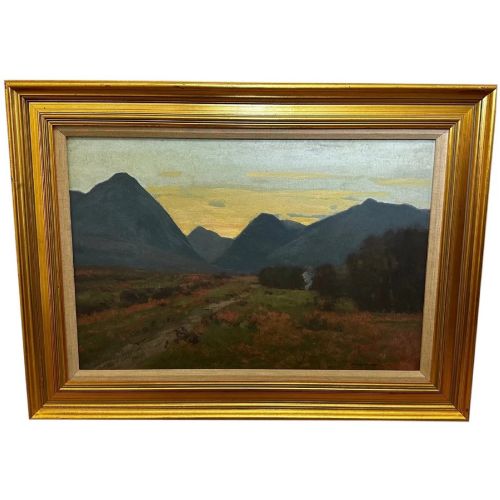
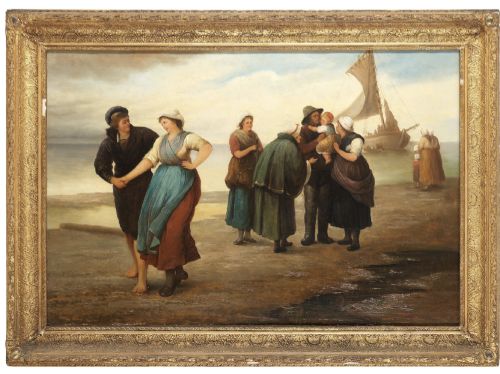
A traditional oil landscape canvas captures rural vistas, woodland scenes, coastal views, and pastoral life painted across centuries. The pieces collected under this phrase range from quiet English country paths and Scottish highland lochs to dramatic Dutch winter scenes and maritime views.
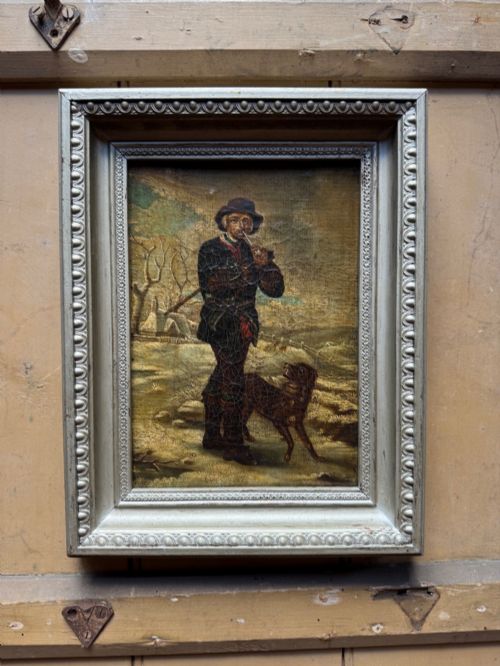
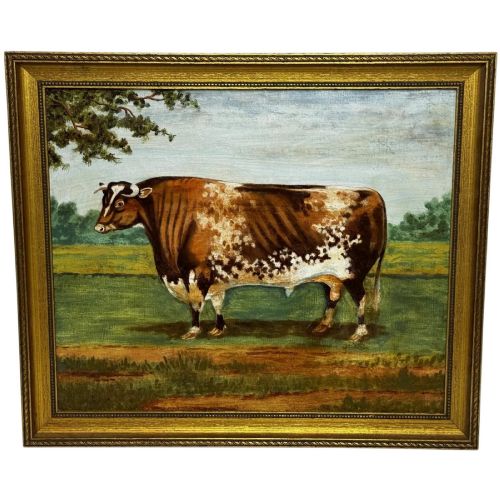
The versions most commonly met on this page date from the nineteenth century and the Victorian era, executed by British and European painters. These works frequently depict figures, livestock, or cottages nestled within expansive natural settings.
Framing often includes period giltwood or gesso moulding that complements the depth of the painted surface. Collectors find works spanning from the eighteenth century through to mid-twentieth-century interpretations of earlier realist traditions.
How They Were Made
Artists built these traditional oil landscape canvas works using oil paint applied to woven textile supports stretched over wooden frames. The oil medium allowed for subtle blending, deep tonal variation, and rich impasto texture that captured changing light on foliage, water, and sky.
Traditional Oil Landscape Canvas Retail Price Guide 2026
Typical asking prices for traditional oil landscape canvas among the pieces listed under this phrase on Sellingantiques today, from the lower quarter to the upper quarter. They describe what is for sale here now, not the wider market.
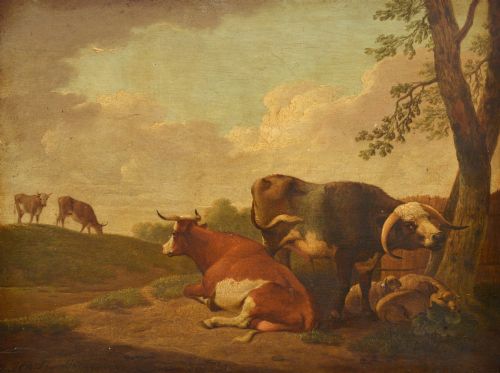
Several canvases feature remarkably attentive livestock, proving that nineteenth-century cows were just as curious about painters as painters were about them.
What Varies In Quality
Quality rests in the handling of light, atmospheric perspective, and anatomical proportion within the painted composition. Skilled hands render the play of sunlight across water, the texture of foliage, and the natural posture of figures or livestock with convincing weight and depth.
The refinement of the supporting wooden stretcher and the execution of the giltwood or gesso frame also mark the distinction between standard studio production and ambitious gallery works. Superior examples maintain structural integrity in both the canvas support and the decorative surround.
John Hayls·Richard Sebastian Bond·William Beattie-Brown·William H Myers·George Graham·John Horace Hooper·Reginald Arthur Borstel·Hendrik Willem Schweickhardt·Alfred Fontville de Breanski Jr·George Houston·Thomas Barker of Bath·Thomas W Lascelles·David Bates·Thomas Smythe·Robert John Hammond·Walter Heath Williams·Thomas Creswick·Thomas Sidney Cooper·John Sargent Noble·Henry H Parker·Albert Rieger·William Watson Jnr
The Traditional Oil Landscape Canvas Glossary
- Canvas
- A heavy woven fabric, usually linen or cotton, stretched tightly across a wooden frame to serve as the foundation for oil painting. This textile support provides the flexible yet durable ground characteristic of traditional works.
- Giltwood
- Wood carved and coated with a thin layer of gold leaf or metallic powder, frequently utilised for nineteenth-century picture frames. This finish adds a warm, reflective border that complements the deep tones of an oil painting.
- Gesso
- A paint mixture consisting of a binder mixed with chalk, gypsum, or pigment, applied to wooden frames or panels to create a smooth surface for gilding. It provides the crisp sculptural detail seen on period frames.
- Impasto
- Paint applied thickly to a canvas, standing out in relief from the surface and retaining the marks of the brush or palette knife. This technique adds tactile dimension to highlights on water or foliage.
- Stretcher
- The wooden frame system that holds a painted canvas under tension. Traditional expansion corners allow for adjustments to keep the fabric taut over time.
Traditional Oil Landscape Canvas: Frequently Asked Questions
Where should I hang a landscape canvas?
Select an interior wall away from direct sunlight, heating vents, and high humidity to protect both the oil pigments and the wooden stretcher.
Stable environmental conditions prevent the canvas and its frame from warping or cracking over time.
How do I identify the painting's age?
Examine the canvas weave, the construction of the wooden stretcher frame, and the materials used in the decorative border.
Signatures, artist inscriptions, and remnant dealer labels on the reverse also offer documentary evidence for dating.
What is the difference between school and style?
A school refers to artists working within a specific region or shared tradition during a particular era, such as the Norwich School.
Style describes the visual characteristics and techniques employed by the painter, regardless of their exact geographic location.