

Georgian Miniature Artwork
Georgian miniature artwork brings intimate, historic portraiture into modern spaces through delicate watercolours, silhouettes and enamel paintings.
Georgian Miniature Artwork
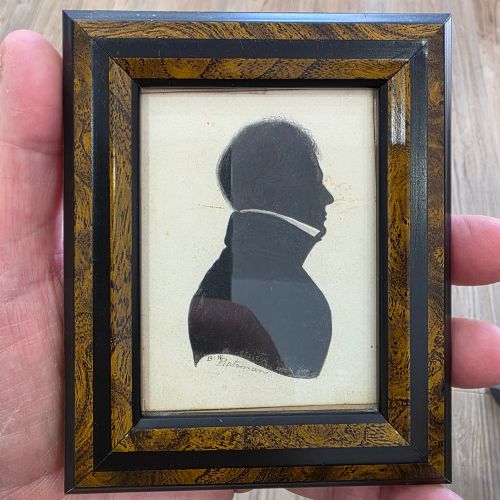
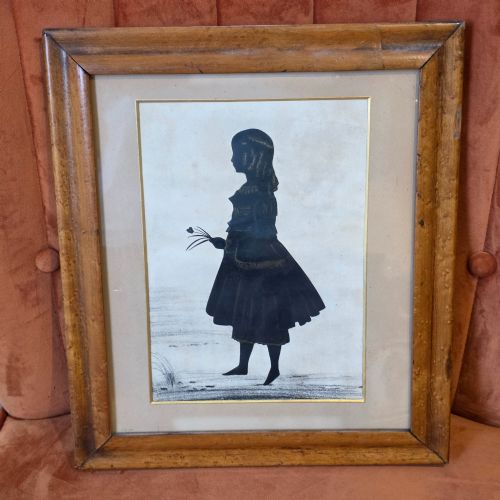
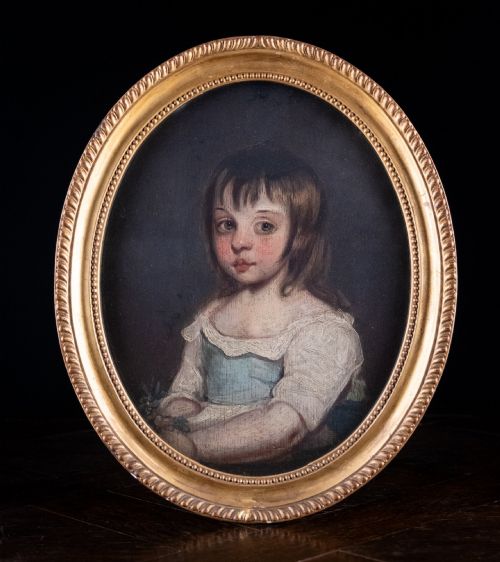
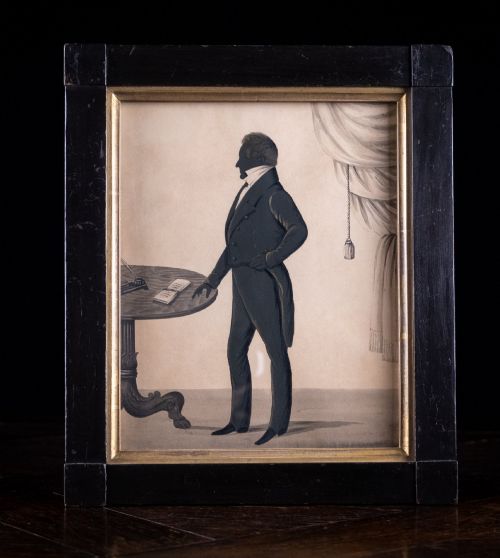
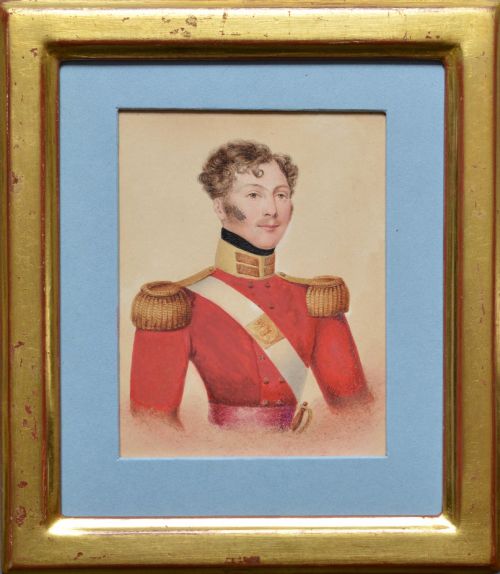
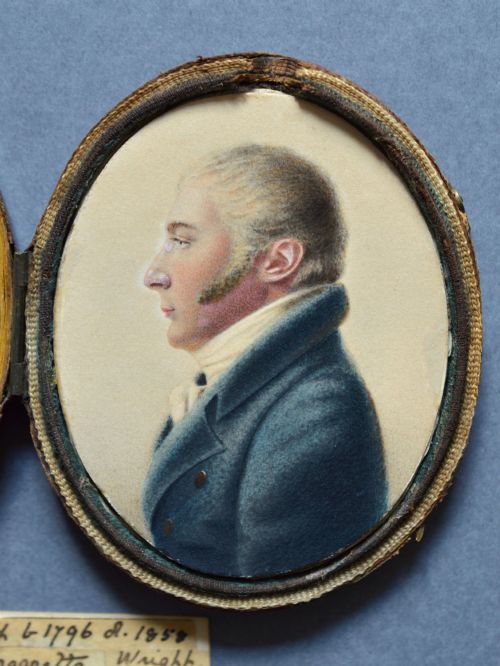
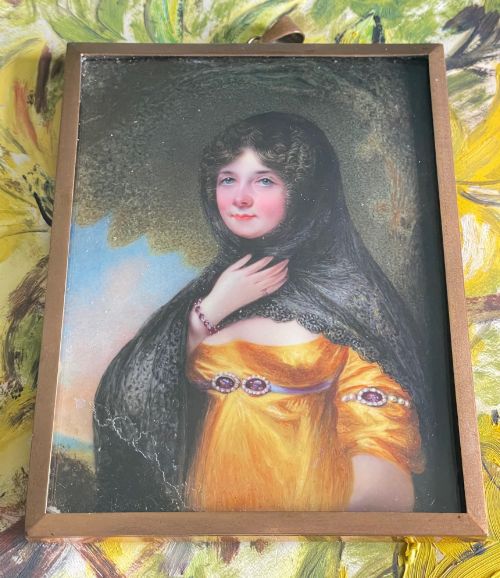
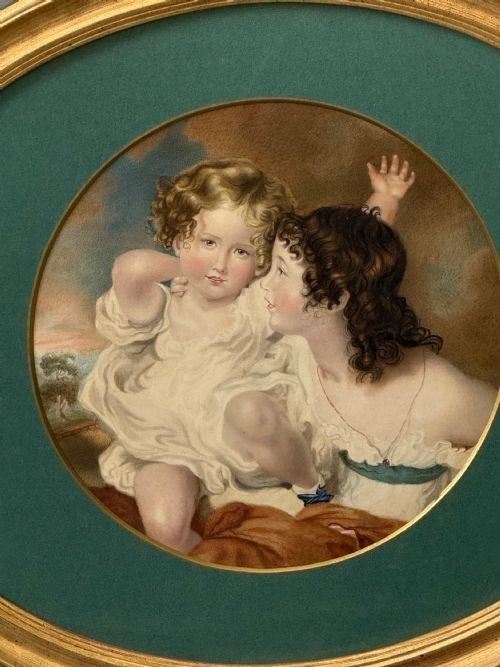
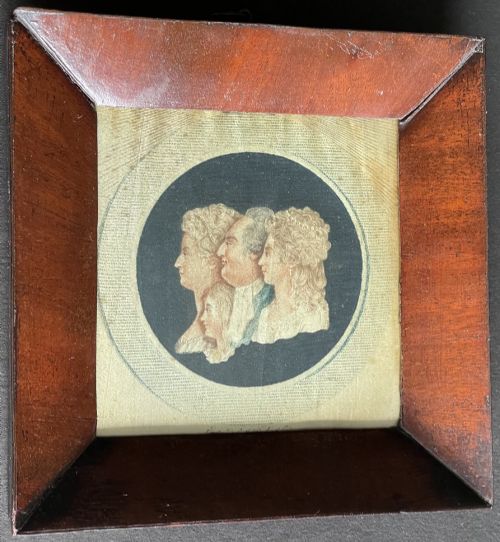
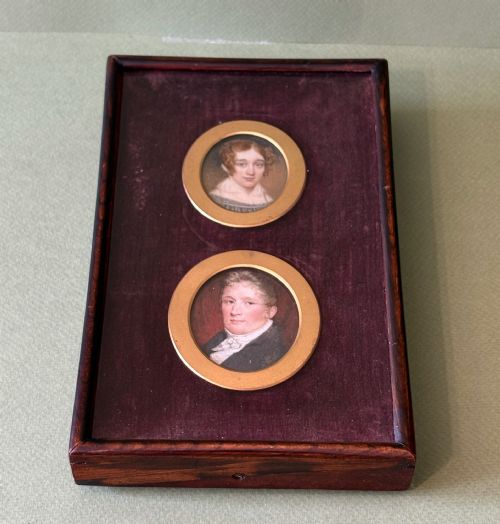
When buyers search for georgian miniature artwork, they encounter small-scale portraits and framed paintings that capture the likenesses of gentlemen, ladies, and children from past centuries. These works span the eighteenth and nineteenth centuries, encompassing the Georgian and Regency periods alongside related revival styles.
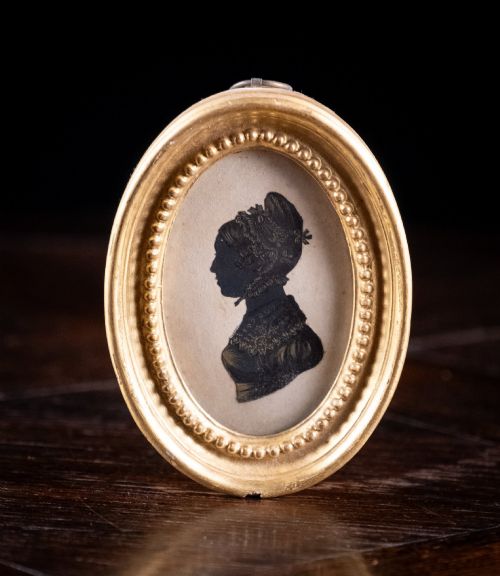
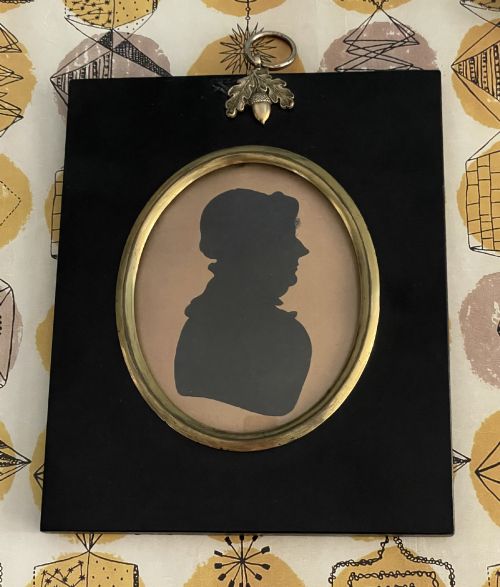
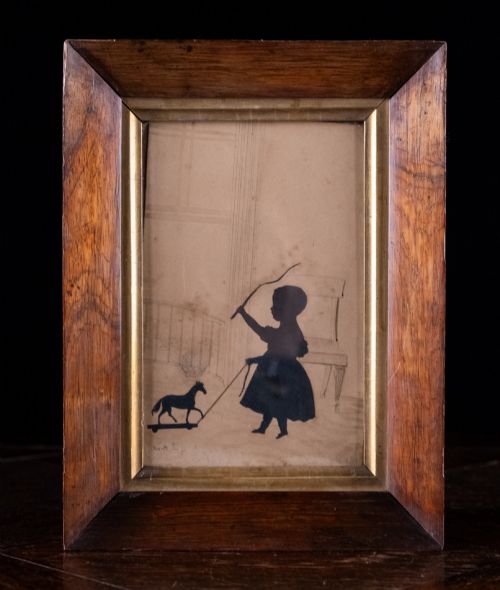
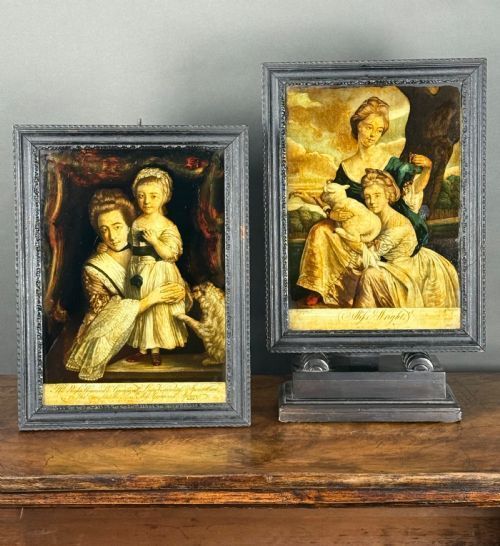
The objects take diverse forms on this page, ranging from delicate watercolours and cut-paper silhouettes to enamel plaques, reverse glass mezzotints, and pencil sketches. Many items are framed in period wood, brass, or gilt frames, offering a direct window into the visual culture of the era.
How they were made
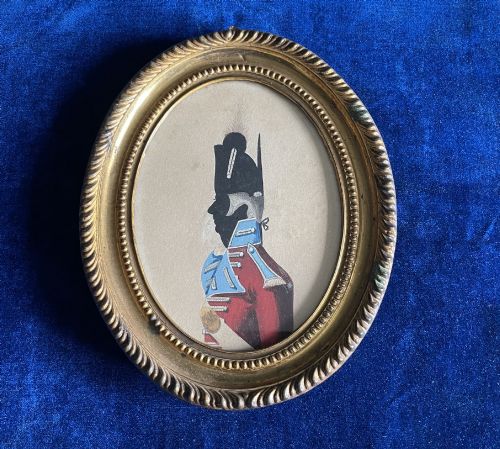
Artists created these small pieces utilising watercolour, ink, pencil, and gouache applied to paper, vellum, or silk. Silhouettes often involved cut paper highlighted with gold leaf or painted details, whilst enamel works required specialised firing techniques on metal substrates.
Frames play a structural role in the presentation, constructed from wood, ebonised materials, and gilt brass. These housings protected the delicate painted or paper surfaces beneath glass.
What varies in quality
Preservation of the delicate media also dictates standing, as untouched watercolours and crisp paper silhouettes command greater appreciation than heavily faded or moisture-damaged examples.
William James Hubard·Horace Hone·Augustin Edouart·John Taylor·Frederick Buck·Albin R Burt·William Egley
The Georgian Miniature Artwork Glossary
- Silhouette
- A portrait profile cut from paper or painted in solid black ink, often enhanced with highlights in gold leaf. These profiles gained immense popularity during the Georgian and Regency eras.
- Plumbago
- A finely detailed drawing executed in graphite, taking its name from the Latin word for lead. These monochrome works showcase exceptional line control and subtle shading.
- Enamel
- A durable glassy substance fused to a metal plate through high-temperature firing. Enamel miniatures retained their vivid colours without the fading that affected watercolours.
- Reverse glass mezzotint
- An intricate print transferred to glass and meticulously hand-coloured from the reverse side. This technique produced rich tones and a luminous finish.
Georgian Miniature Artwork: Frequently Asked Questions
How were these miniature portraits originally displayed?
These small artworks were frequently hung in tight clusters on domestic walls or kept in private spaces as personal mementos of family members. Their modest scale allowed them to be arranged densely in parlours and drawing rooms.
Over time, many surviving examples retain their original ebonised or gilded frames, which were designed specifically to complement the intimate nature of the artwork.
What is the difference between a silhouette and a watercolour miniature?
Silhouettes focus entirely on profile outlines, typically rendered in cut black paper or dark pigment with minimal interior detail except for occasional gold highlights. They offer a graphic representation of a sitter's facial structure.
Watercolour miniatures, conversely, employ full colour, delicate brushwork, and shading to capture realistic skin tones, clothing textures, and facial expressions in minute detail.
How do I date a Georgian miniature artwork?
Dating relies heavily on costume details, hairstyles, and framing styles characteristic of specific periods like the Regency or late eighteenth century. Uniforms, bonnets, and high-waisted dresses provide precise chronological markers.
Signatures, inscriptions on the reverse, and artist attribution further help establish the exact timeframe in which the piece was produced.
Can these artworks be exposed to direct sunlight?
Direct sunlight poses a significant risk to these historic pieces, particularly watercolours, tinted paper, and delicate pigments which fade rapidly under ultraviolet exposure. Displaying them away from bright windows ensures their long-term preservation.
Using museum-grade UV-filtering glass provides an additional layer of protection when hanging them in domestic interiors.