



Antique Burr Wood Frame
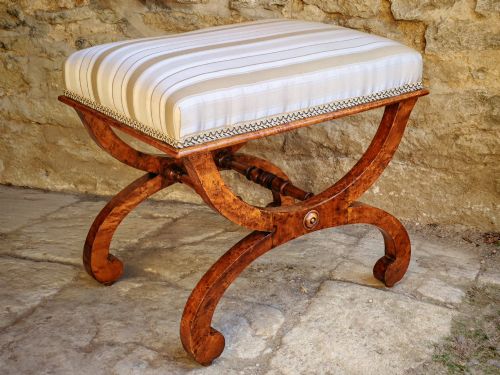
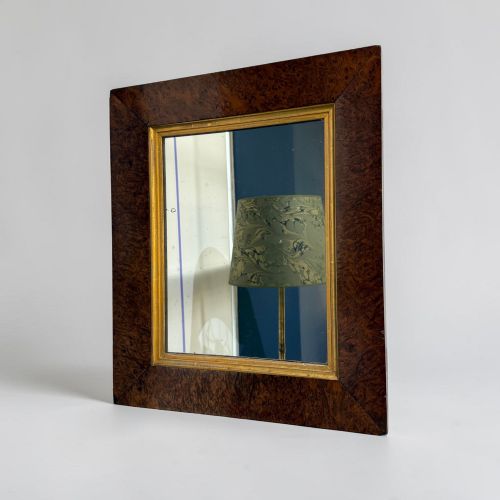
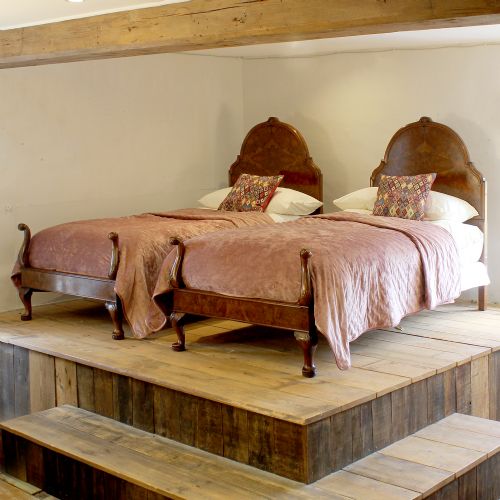
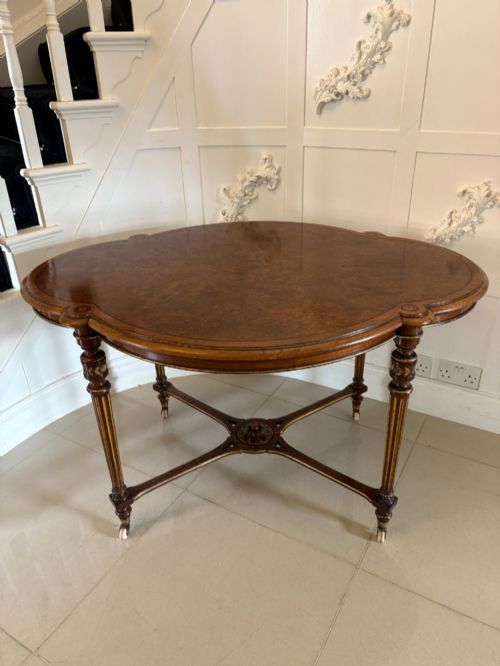
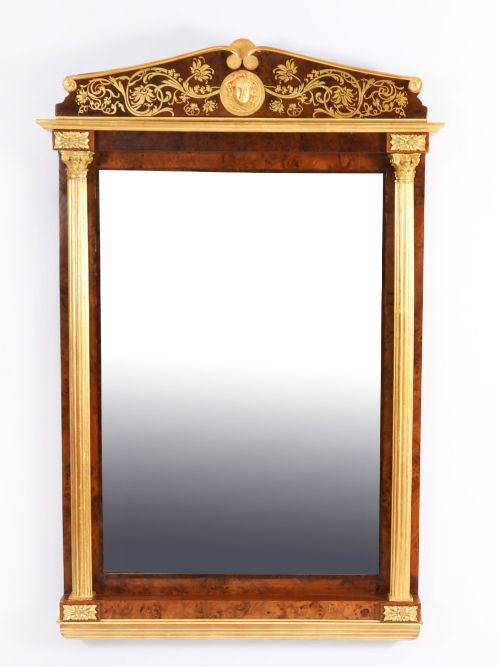
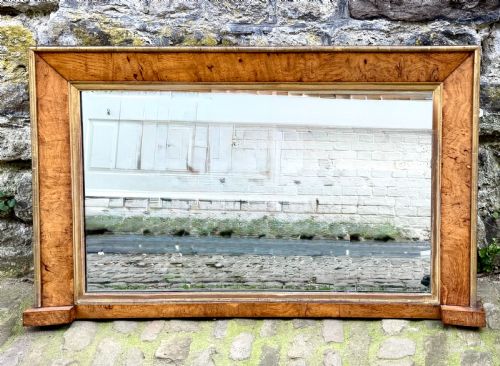
An antique burr wood frame holds art and mirrors with the rich, swirling grain distinctive to burr walnut, maple, and yew.
Antique Burr Wood Frame
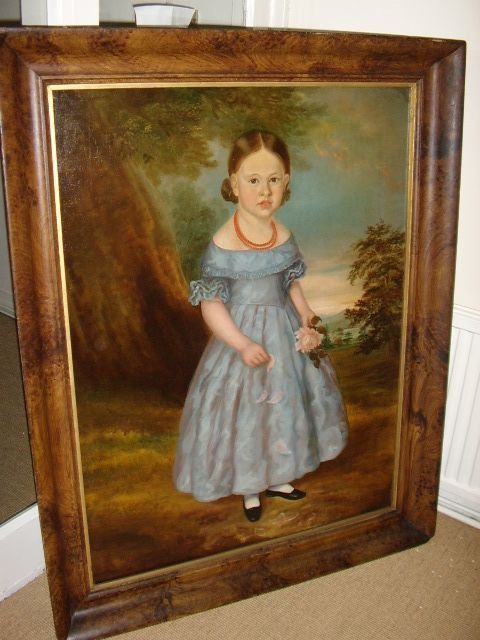
An antique burr wood frame surrounds mirrors, paintings, engravings, and maps from periods spanning the eighteenth to the early twentieth century. Buyers seeking this search phrase encounter wall mirrors, portrait miniatures, and framed landscape or cartographic works rather than standalone timber items.
The most common versions on this page are walnut and maple wall mirrors alongside Georgian and nineteenth-century framed prints, watercolours, and oils. These pieces showcase decorative timber surfaces designed to display visual art or reflect light within a room.
Origins range across English, French, and Dutch pieces styled in Georgian, Regency, Queen Anne, Victorian, and Art Deco traditions. The variety reflects centuries of framing artwork and mirrors in highly figured wood.
Materials and Technique
Makers utilised burr walnut, burr maple, and burr yew, slicing the knotty growths of trees to reveal intricate, swirling grain patterns. These figured veneers were applied to structural timber foundations to create striking decorative surfaces.
Construction frequently incorporated parcel gilt accents, ebonised details, or carved wood and gesso to complement the natural figured wood. Glazing protected paper works such as maps, engravings, and pencil sketches, while mirrors utilised glass plates set within timber mouldings.
Antique Burr Wood Frame Retail Price Guide 2026
Typical asking prices for burr wood frame among the pieces listed under this phrase on Sellingantiques today, from the lower quarter to the upper quarter. They describe what is for sale here now, not the wider market.
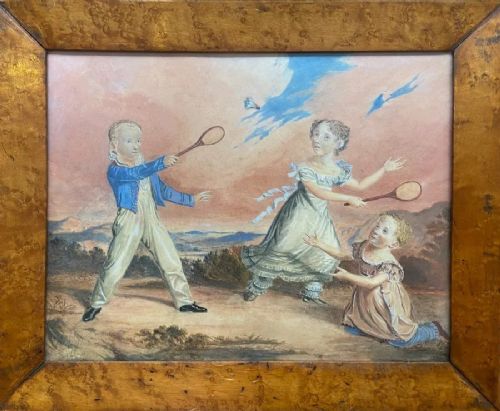
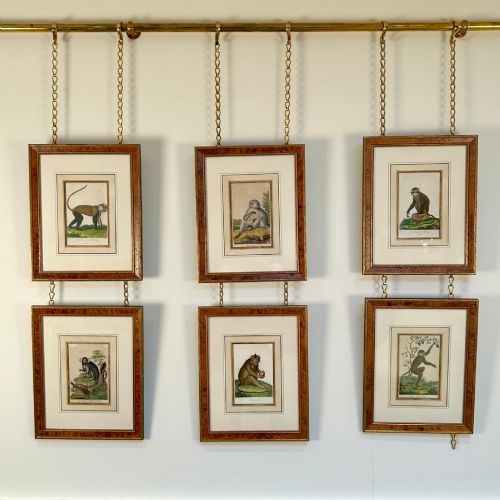
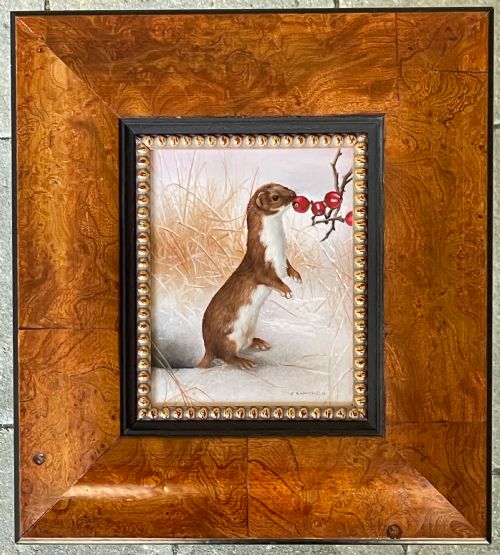
Among the framed portraits hide hand-coloured monkeys, a pheasant in relief, and a game of battledore.
Evaluating Quality
Quality rests in the intensity and depth of the wood grain, with denser, more evenly distributed burr patterns distinguishing the finest examples. The skill of the veneer matching across the corners and edges dictates the visual harmony of the piece.
The integrity of the original construction, including period glass in mirrors and authentic backing boards on framed works, separates standard items from superior specimens. Finer pieces also display subtle secondary treatments like parcel gilding that enhance the warmth of the timber.
Samuel Dixon·Henry Travis·David Teniers·C de Falens·Joseph Paul
The Antique Burr Wood Frame Glossary
- Burr wood
- A growth on a tree where grain has formed in a deformed, swirling knot, producing highly decorative veneers when sliced.
- Parcel gilt
- A decorative technique where specific portions of a frame are partially covered with gold leaf, highlighting carved details.
- Overmantle mirror
- A large mirror designed specifically to be hung on the wall directly above a fireplace mantelpiece.
- Portrait miniature
- A small, highly detailed painting or portrait, frequently framed in wood and protected behind glass.
- Cartography
- The science or practice of drawing maps, often found preserved within period frames as decorative wall art.
Antique Burr Wood Frame: Frequently Asked Questions
What periods do these frames come from?
The listings include pieces spanning from the eighteenth century through the Victorian, Regency, and Edwardian eras into the 1930s.
Most items align with Georgian traditions or nineteenth-century craftsmanship, reflecting long-standing appreciation for figured wood.
What kind of artwork is usually framed?
Common contents include oil paintings, watercolours, pencil sketches, portrait miniatures, and antique cartography.
Mirrors also feature prominently, using the decorative timber moulding as a primary aesthetic element.
How do I care for burr wood?
Keep wooden frames away from direct sunlight and extreme humidity changes to protect the delicate veneer and underlying timber.
Dust gently with a dry cloth and avoid harsh chemical polishes that can damage historic finishes.
How can I tell a mirror from art?
Mirrors utilise reflective glass plates designed to hang on walls, often categorized as overmantle or pier mirrors.
Framed art pieces enclose paper, panel, or canvas works such as maps, engravings, and painted scenes.